

Dacia Duster Traction Control Light On — What It Really Means and How We Fix It

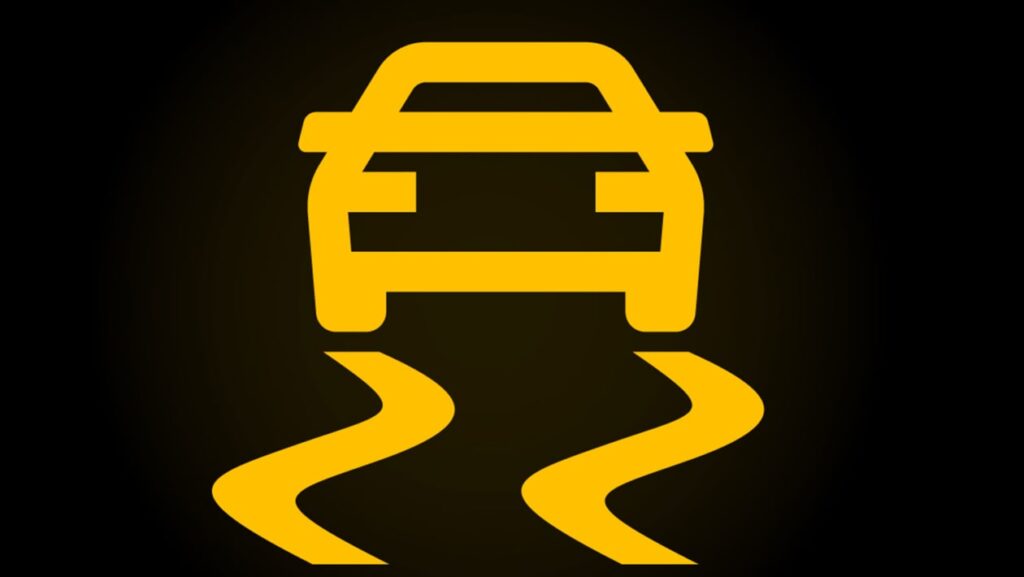
We’ve all been there: you start your Dacia Duster, pull away confidently, and suddenly that little car-with-squiggly-lines icon pops up on the dashboard. At first glance, it feels harmless — almost decorative. But then it stays on… and stays on… and now you’re wondering whether your SUV is about to slide into the nearest hedge.
The traction control light isn’t just a random notification. It’s your Duster’s way of talking to you — and honestly, it’s trying to prevent you from doing something expensive.
Let’s break it down together in plain English, mechanic-style, without the robotic manual tone.
Content in this publication
- Understanding the Traction Control System (TCS) in the Dacia Duster
- When the Traction Control Light Is Normal
- When the Traction Control Light Means Trouble
- Common Causes of the Dacia Duster Traction Control Light
- Step-by-Step Diagnosis at Home
- Reading Fault Codes (The Smart Move)
- Driving With the Traction Control Light On — Safe or Not?
- How We Fix Each Problem
- Why Off-Roading Triggers This Light Often
- Traction Control vs ESP vs ABS — Clearing the Confusion
- Winter Driving and the Traction Light
- Preventative Maintenance We Recommend
- When You Should Visit a Mechanic Immediately
- Final Thoughts — Your Duster Isn’t Broken, It’s Communicating
- Frequently Asked Questions
Understanding the Traction Control System (TCS) in the Dacia Duster
What Traction Control Actually Does
Think of traction control as your invisible co-driver gripping the road for you.
When a wheel spins faster than the others (usually on wet roads, mud, snow, or gravel), the system:
- Reduces engine power
- Applies braking to individual wheels
- Stabilizes direction
Instead of fishtailing like a shopping cart on ice, the Duster straightens itself out.
Why the Duster Uses ABS Sensors
Your traction control system piggybacks on the ABS system. The same wheel speed sensors monitor each wheel’s rotation hundreds of times per second.
So if traction control fails — ABS often fails too.
That’s why you’ll sometimes see two warning lights together.
When the Traction Control Light Is Normal
Flashing Light While Driving
Good news: a flashing light is healthy behavior.
It means the system is actively working.
You’ll see it:
- Accelerating hard on gravel
- Driving uphill on wet pavement
- Starting on sand or mud
- Cornering aggressively in rain
The car is saving you from wheelspin — not warning you.
Solid Light for a Few Seconds After Start
Totally normal. It’s just a self-test.
Every modern car runs diagnostic checks when the ignition turns on. If the light disappears after 3–5 seconds, relax.
Your Duster passed its morning coffee check.
When the Traction Control Light Means Trouble
Constant Light While Driving
Now we pay attention.
If the traction control light stays on permanently, the system is disabled. The car still drives — but without electronic stability protection.
You’ve essentially gone back to 1995 driving physics.
Traction Light + ABS Light Together
This combination screams:
“Wheel speed sensor problem.”
The car no longer knows wheel rotation differences, so both ABS and TCS shut down.
Traction Light + Service Light
This usually means the ECU detected a stored fault code.
Not catastrophic — but not ignorable either.
Common Causes of the Dacia Duster Traction Control Light
Let’s go through the most frequent real-world culprits.
1. Dirty or Faulty Wheel Speed Sensor
This is the number one cause. Dirt, mud, brake dust, or rust builds up on the sensor ring.
Your Duster is an off-road friendly SUV — which ironically makes this problem common.
Symptoms:
- Traction light always on
- ABS disabled
- Speedometer may act strange
2. Damaged ABS Reluctor Ring
The reluctor ring (tone ring) is a toothed metal ring on the wheel hub. If cracked or rusted:
The sensor reads nonsense.
This often happens in colder climates or older Dust ers after years of moisture exposure.
3. Steering Angle Sensor Miscalibration
After:
You may be interested in reading Dacia Duster Key Battery Replacement — Complete DIY Guide
- Battery replacement
- Wheel alignment
- Steering rack repair
The system forgets what “straight” means.
Your Duster thinks you're always turning — so traction control disables itself.
4. Brake Switch Failure
A tiny brake pedal switch tells the ECU when you press the brake.
If it fails:
- Traction control disables
- Cruise control stops working
- Hill start assist may fail
It’s a $15 part causing a $500 level of panic.
5. Low Battery Voltage
Modern cars hate weak batteries.
Low voltage causes sensor miscommunication — especially in cold mornings.
If the light appeared after a slow start… suspect the battery first.
6. Different Tire Sizes or Uneven Wear
The system expects identical wheel speeds.
If one tire is smaller due to wear or replacement:
The car thinks it’s slipping constantly.
Even a 4mm tread difference can trigger the light.
Step-by-Step Diagnosis at Home
Before rushing to a garage, we can do a quick driveway investigation.
Step 1 — Restart the Vehicle
Turn the ignition off, wait 2 minutes, restart.
If the light disappears:
Temporary electronic glitch.
Step 2 — Check Tire Pressure and Sizes
Look for:
- One tire different brand
- Underinflated wheel
- Emergency spare installed
This alone solves many cases.
Step 3 — Inspect the Wheels
Turn steering fully left/right and look behind the wheel:
You’re searching for:
- Broken wires
- Mud covering sensor
- Rust rings
A garden hose sometimes fixes the issue instantly.
Step 4 — Battery Test
If your Duster cranks slowly or electronics flicker:
Charge or replace battery.
Modern traction systems panic under low voltage.
Reading Fault Codes (The Smart Move)
Using a basic OBD2 scanner gives clarity in seconds.
Common codes:
- C0035 – Left front wheel sensor
- C0040 – Right front wheel sensor
- C0050 – Rear sensor
- C1141 – Steering angle sensor
- DF017 – Brake switch signal
Instead of guessing, we diagnose.
Driving With the Traction Control Light On — Safe or Not?
Short Answer: Yes… But Carefully
Your Duster becomes a purely mechanical SUV again.
Fine on dry roads.
Risky on:
- Rain
- Sand
- Mud
- Emergency braking
- Fast cornering
The car won’t save you from oversteer anymore.
How We Fix Each Problem
Cleaning the Wheel Sensor
- Jack up the car
- Remove wheel
- Locate sensor near brake disc
- Spray electrical cleaner
- Reinstall
Time: 20 minutes
Cost: Almost free
Replacing a Wheel Speed Sensor
Typical cost:
You may be interested in readingDacia Duster Key Battery Replacement — Complete DIY GuideYou may be interested in reading
 Toyota Corolla Cross Boot Space: Real-World Practicality Explained
- Part: $20–$50
- Labor: 30–60 minutes
This solves ~60% of traction light cases.
Replacing the Reluctor Ring
More work involved:
- Remove hub
- Press new ring
- Reassemble
Moderate repair — still cheaper than dealership panic.
Steering Angle Sensor Relearn
Usually requires scan tool calibration.
But sometimes this trick works:
- Turn steering full left
- Turn full right
- Drive straight for 100 meters
The ECU relearns alignment.
Brake Switch Replacement
One of the easiest repairs ever:
- Located above brake pedal
- Twist and pull
- Install new one
Five-minute miracle fix.
Why Off-Roading Triggers This Light Often
The Duster is built for adventure — but mud is electronics’ worst enemy.
Sensors operate using magnetic readings.
Mud + metal particles = false readings.
After off-roading, washing the wheel hubs prevents 70% of warning lights.
Traction Control vs ESP vs ABS — Clearing the Confusion
They’re siblings, not strangers.
| System | Purpose |
|---|---|
| ABS | Prevents wheel lock when braking |
| TCS | Prevents wheel spin when accelerating |
| ESP | Prevents skidding while cornering |
If one fails — others may shut down too.
Winter Driving and the Traction Light
Snow often causes constant activation.
If the light flashes frequently — good.
If it stays on — bad sensor likely frozen or iced.
Pro tip: avoid pressure washing frozen sensors in winter. Thermal shock cracks them.
Preventative Maintenance We Recommend
To avoid recurring warnings:
- Clean wheel hubs every 6 months
- Replace tires as full set
- Charge battery annually
- Inspect wiring after off-road trips
- Avoid cheap aftermarket sensors
Small habits = no dashboard anxiety.
When You Should Visit a Mechanic Immediately
Do not delay if:
- Brake pedal vibrates oddly
- Speedometer stops working
- Steering feels unstable
- Multiple warning lights appear
That means safety systems are compromised.
Final Thoughts — Your Duster Isn’t Broken, It’s Communicating
The traction control light isn’t your enemy — it’s your early warning radar.
Most of the time:
It’s a dirty sensor, weak battery, or $20 switch.
Rarely catastrophic.
Treat it like a message, not a disaster.
Understand it once, and every future dashboard light becomes less intimidating — almost like learning your car’s language.
Frequently Asked Questions
1. Can I turn traction control off permanently?
Yes, but not recommended for daily driving. You lose stability safety assistance.
2. Does the traction light affect fuel economy?
Not directly — unless engine power is being reduced constantly due to false slip detection.
3. Why does it appear after changing tires?
Different rolling diameter confuses wheel speed sensors.
4. Will disconnecting the battery reset it?
Sometimes temporarily, but the fault returns if the problem remains.
You may be interested in readingDacia Duster Key Battery Replacement — Complete DIY GuideYou may be interested in reading
Toyota Corolla Cross Boot Space: Real-World Practicality ExplainedYou may be interested in reading
 Toyota Corolla Cross Dimensions: The Real-World Size Guide You Actually Need
5. Is it an MOT/inspection failure?
Usually yes — safety system warning lights fail inspections in many regions.
If you want to know other articles similar to Dacia Duster Traction Control Light On — What It Really Means and How We Fix It you can visit the category Service and Parts.
How to Reset Volvo XC60 Infotainment System: The Complete Practical Guide
Volvo XC60 Gearbox Oil Change: The Complete Expert Guide
Volvo XC60 Engine Management Light: Causes, Fixes, and What It Really Means
Skoda Kamiq Size Comparison: Dimensions, Space & Real-World Practicality
Volvo XC60 Headlight Adjustment for Europe: The Complete Practical Guide
Volvo XC60 City Safety Service Required: What It Means, Causes, and Fixes
Leave a Reply
More content of your interest