
Dacia Duster Tyre Pressure: The Complete Owner’s Guide

Content in this publication
- Why Dacia Duster Tyre Pressure Matters More Than You Think
- Recommended Dacia Duster Tyre Pressure (PSI & Bar)
- Where to Find the Official Tyre Pressure Information
- Tyre Pressure by Wheel Size
- Cold vs Hot Tyre Pressure: What’s the Difference?
- How to Check Dacia Duster Tyre Pressure Properly
- Dacia Duster TPMS Warning Light Explained
- How to Reset Dacia Duster Tyre Pressure Light
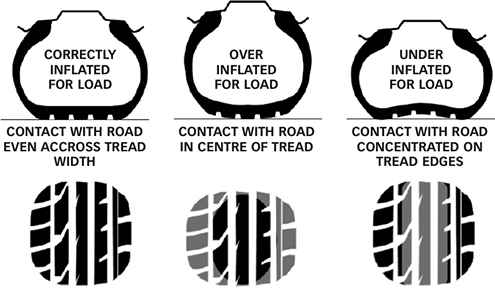
- What Happens If Tyre Pressure Is Too Low?
- What Happens If Tyre Pressure Is Too High?
- Tyre Pressure and Fuel Economy
- Dacia Duster Tyre Pressure for Heavy Loads
- Off-Road Tyre Pressure: Should You Adjust It?
- Seasonal Tyre Pressure Changes
- Tyre Wear Patterns and What They Reveal
- Spare Tyre Pressure in the Duster
- Best Tyre Pressure for Highway Driving
- Does Tyre Brand Affect Recommended Pressure?
- Common Tyre Sizes on Dacia Duster
- How Often Should You Check Tyre Pressure?
- Real-World Owner Tip
- Final Thoughts: The Silent Performance Upgrade
- Frequently Asked Questions
Why Dacia Duster Tyre Pressure Matters More Than You Think
When we talk about the Dacia Duster, we usually rave about value, practicality, and that slightly rugged personality. But here’s the truth most drivers overlook: tyre pressure is the invisible backbone of everything your Duster does well.
Under-inflated tyres? You’ll burn more fuel, wear out rubber faster, and compromise handling.
Over-inflated tyres? Expect a harsher ride and less grip when you need it most.
Tyre pressure is like blood pressure for your SUV — invisible, silent, but absolutely critical.
Let’s break it down properly.
Recommended Dacia Duster Tyre Pressure (PSI & Bar)
The correct tyre pressure depends on:
- Engine version (petrol, diesel, LPG, hybrid)
- Wheel size (16", 17", or 18")
- Load condition (normal vs fully loaded)
Typical Dacia Duster Tyre Pressure (Cold Tyres)
| Condition | Front PSI | Rear PSI | Front Bar | Rear Bar |
|---|---|---|---|---|
| Normal driving | 32 PSI | 30 PSI | 2.2 bar | 2.1 bar |
| Fully loaded | 36 PSI | 34 PSI | 2.5 bar | 2.3 bar |
⚠ Always check the sticker inside the driver’s door jamb for your exact model.
Where to Find the Official Tyre Pressure Information
You don’t have to guess.
Look in:
- Driver-side door frame sticker
- Owner’s manual
- Fuel filler flap (some models)
That small sticker is more valuable than it looks. It accounts for your specific tyre size and factory setup.
Tyre Pressure by Wheel Size
16-Inch Wheels
Common on entry-level trims.
- Normal load: 32 PSI front / 30 PSI rear
- Full load: 36 PSI front / 34 PSI rear
17-Inch Wheels
Popular on mid-trims.
- Normal load: 33 PSI front / 31 PSI rear
- Full load: 36–37 PSI front / 34–35 PSI rear
18-Inch Wheels (Newer Models)
Sportier trims may require slightly higher pressure.
- Normal load: Around 34 PSI front / 32 PSI rear
- Full load: 37 PSI front / 35 PSI rear
Bigger wheels usually need slightly higher pressure due to lower-profile tyres.
Cold vs Hot Tyre Pressure: What’s the Difference?
This confuses a lot of drivers.
Tyre pressure must be checked when tyres are cold. That means:
- Before driving
- Or after less than 2 miles at low speed
Driving heats the air inside tyres. Heat expands air. Pressure increases.
If you measure after driving, readings can be 3–5 PSI higher. That doesn’t mean you should release air.
Let them cool first.
How to Check Dacia Duster Tyre Pressure Properly
We keep this simple.
What You Need
- Digital or manual pressure gauge
- Access to an air compressor
Step-by-Step
- Remove valve cap
- Press gauge firmly onto valve
- Read PSI value
- Inflate or deflate as needed
- Replace valve cap
Check once per month. Yes, monthly. Tyres naturally lose pressure over time.
Dacia Duster TPMS Warning Light Explained
Your Duster includes a Tyre Pressure Monitoring System (TPMS).
If you see a horseshoe-shaped symbol with an exclamation mark, one or more tyres are low.
Two Types of TPMS in Duster Models
- Indirect TPMS – Uses ABS sensors
- Direct TPMS – Uses sensors inside each wheel
Most Duster models use indirect TPMS.
How to Reset Dacia Duster Tyre Pressure Light
After correcting pressure:
You may be interested in reading Dacia Duster Length: Dimensions, Generations & Real-World Practicality
- Turn ignition on
- Access vehicle settings menu
- Select tyre pressure reset
- Confirm reset
Drive for a few minutes to allow recalibration.
If the light stays on, pressure may still be incorrect.
What Happens If Tyre Pressure Is Too Low?
Let’s get real.
Driving under-inflated:
- Increases fuel consumption
- Causes uneven tyre wear
- Reduces braking performance
- Raises blowout risk
Low pressure is like running in soft sand — resistance everywhere.
What Happens If Tyre Pressure Is Too High?
Too much air isn’t good either.
- Harsh ride
- Reduced traction
- Centre tread wears faster
- Increased impact damage risk
Over-inflation turns your tyres into balloons. And balloons pop.
Tyre Pressure and Fuel Economy
Did you know?
Just 3–4 PSI below recommended can increase fuel consumption by up to 3%.
For a vehicle designed around affordability, keeping tyres properly inflated protects your wallet.
Dacia Duster Tyre Pressure for Heavy Loads
Planning a road trip? Carrying passengers and luggage?
Increase tyre pressure according to the “fully loaded” specification.
Higher pressure:
- Supports extra weight
- Reduces heat buildup
- Maintains stability
Ignore this and you risk overheating tyres at motorway speeds.
Off-Road Tyre Pressure: Should You Adjust It?
The Duster has mild off-road credentials.
Lower pressure can:
- Improve grip on sand or mud
- Increase tyre footprint
But:
- Never drive fast on deflated tyres
- Reinflate immediately after off-road driving
For normal drivers? Stick to factory specs.
Seasonal Tyre Pressure Changes
Cold weather drops pressure.
For every 10°C temperature drop, tyres lose roughly 1–2 PSI.
Winter mornings often trigger TPMS lights — not because of a puncture, but physics.
Check pressure when seasons change.
Tyre Wear Patterns and What They Reveal
Your tyres tell stories.
- Worn edges → Under-inflated
- Worn centre → Over-inflated
- Uneven wear → Alignment issues
Inspect tyres every few weeks. It’s like reading tea leaves for car health.
You may be interested in readingDacia Duster Length: Dimensions, Generations & Real-World PracticalityYou may be interested in reading
 Dacia Duster Engines: Complete Guide to Every Powertrain
Spare Tyre Pressure in the Duster
Don’t forget the spare.
Spare tyres often require higher pressure (around 36–42 PSI).
Imagine needing it in an emergency — and finding it flat.
Best Tyre Pressure for Highway Driving
Long motorway drives generate heat.
Correct pressure:
- Prevents overheating
- Improves stability
- Protects tread life
Never reduce pressure for comfort on highways. Stability comes first.
Does Tyre Brand Affect Recommended Pressure?
Short answer: No.
Even if you change to Michelin, Continental, or budget tyres, follow vehicle manufacturer recommendations — not the tyre sidewall maximum.
Sidewall PSI is the maximum limit, not the daily driving recommendation.
Common Tyre Sizes on Dacia Duster
Depending on generation:
- 215/65 R16
- 215/60 R17
- 215/55 R18
Pressure varies slightly, but manufacturer specs override assumptions.
How Often Should You Check Tyre Pressure?
We recommend:
- Once per month
- Before long trips
- When temperature drops sharply
- If TPMS warning appears
Consistency prevents expensive mistakes.
Real-World Owner Tip
Many Duster owners report slightly better ride comfort at 1 PSI below recommended — but only within safe limits.
Never deviate more than 1–2 PSI unless specifically required for load.
Final Thoughts: The Silent Performance Upgrade
Tyre pressure isn’t flashy. It doesn’t make noise. It doesn’t glow on Instagram.
But it changes everything.
From braking distance to fuel economy, from tyre longevity to safety — proper tyre pressure keeps your Dacia Duster performing like the honest, practical SUV it was built to be.
We often chase upgrades. Bigger wheels. Better tyres. Sport trims.
But sometimes, the best upgrade costs nothing.
Just air.
Frequently Asked Questions
1. What is the standard Dacia Duster tyre pressure?
Typically 32 PSI front and 30 PSI rear under normal load, but always confirm via the door sticker.
2. Why does my tyre pressure light come on in winter?
Cold temperatures reduce air pressure naturally, triggering the TPMS.
3. Can I drive with slightly low tyre pressure?
Short distances at low speed may be safe, but prolonged driving increases wear and risk.
You may be interested in readingDacia Duster Length: Dimensions, Generations & Real-World PracticalityYou may be interested in reading
Dacia Duster Engines: Complete Guide to Every PowertrainYou may be interested in reading
 Dacia Duster Tyre Size: The Complete Guide for Every Generation
4. Should front and rear tyre pressure be the same?
Not always. Rear tyres often require slightly lower pressure unless fully loaded.
5. Does tyre pressure affect MOT or inspection results?
Indirectly, yes. Excessive tyre wear due to improper pressure can lead to failures.
If you want to know other articles similar to Dacia Duster Tyre Pressure: The Complete Owner’s Guide you can visit the category Service and Parts.
How to Reset Volvo XC60 Infotainment System: The Complete Practical Guide
Volvo XC60 Gearbox Oil Change: The Complete Expert Guide
Volvo XC60 Engine Management Light: Causes, Fixes, and What It Really Means
Skoda Kamiq Size Comparison: Dimensions, Space & Real-World Practicality
Volvo XC60 Headlight Adjustment for Europe: The Complete Practical Guide
Volvo XC60 City Safety Service Required: What It Means, Causes, and Fixes
Leave a Reply
More content of your interest