

Dacia Duster Tyre Pressure Warning Light: What It Means & How We Fix It

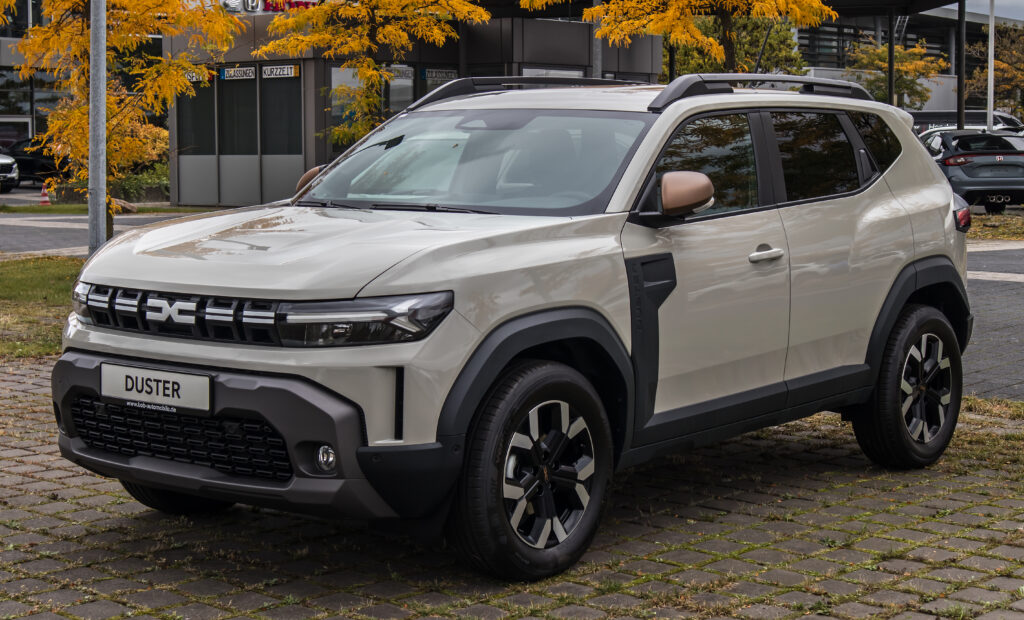
We’ve all had that moment. You start the engine, glance at the dashboard… and there it is — a stubborn little amber symbol staring back at you like a disappointed teacher.
The tyre pressure warning light in the Dacia Duster doesn’t shout, it whispers. But ignore that whisper long enough, and it becomes a bill, a breakdown, or a dangerous drive.
Today, we’re not just decoding the icon — we’re understanding the story behind it. Because once we truly know why it appears, it stops being scary and starts being useful.
Content in this publication
- Understanding the Tyre Pressure Monitoring System (TPMS)
- What the Dacia Duster Tyre Pressure Warning Light Looks Like
- Why the Warning Light Turns On
- What Happens If We Ignore It
- How to Check Dacia Duster Tyre Pressure Properly
- How to Reset the Tyre Pressure Warning Light
- Why the Light Stays On After Inflation
- When the Light Blinks Instead of Staying Solid
- Seasonal Pressure Changes: The Hidden Trap
- Common Mistakes Drivers Make
- How Often We Should Check Tyre Pressure
- Can a Spare Wheel Trigger the Warning?
- Driving With the Warning Light On: Safe or Not?
- Diagnosing a Persistent TPMS Problem
- Cost of Repair
- Preventing Future Warning Lights
- The Psychology of Dashboard Lights
- Closing Thoughts
- FAQs
Understanding the Tyre Pressure Monitoring System (TPMS)
Why Modern Cars Care About Tyre Pressure
Tyres are the only part of the car that actually touches the road. Everything else — engine, gearbox, suspension — depends on four patches of rubber the size of your hand.
So modern cars constantly monitor them.
The Duster uses a TPMS (Tyre Pressure Monitoring System) to:
- Improve safety
- Reduce fuel consumption
- Protect tyres from damage
- Maintain handling stability
- Lower emissions
In simple terms, the system acts like a fitness tracker… but for your wheels.
Two Types of TPMS in the Duster
Depending on the model year, the Duster uses one of two systems:
Indirect TPMS (Most common)
It doesn’t measure air directly.
Instead, it uses ABS wheel speed sensors.
A softer tyre spins slightly faster than a properly inflated one.
The car notices this difference and triggers the warning.
Direct TPMS (Later models & some markets)
Each wheel contains a pressure sensor inside the valve.
This version actually knows the PSI.
What the Dacia Duster Tyre Pressure Warning Light Looks Like
The symbol resembles:
A horseshoe shape with an exclamation mark in the center.
Some drivers think it’s a steering problem. Others think it’s brakes.
It’s neither.
It simply means:
One or more tyres is under-inflated — or the system thinks it is.
Why the Warning Light Turns On
1. Natural Air Loss
Tyres lose pressure constantly.
Average loss:
- ~1 PSI every month
- Faster in cold weather
So the light often appears after temperature drops.
2. Cold Weather (The #1 Cause)
Air contracts when cold.
A 10°C drop = roughly 1 PSI loss
So a perfectly fine tyre yesterday becomes “low pressure” today.
That’s why the light loves winter mornings.
3. Puncture or Slow Leak
Sometimes the warning is doing exactly what it was designed for — saving you.
Typical leak causes:
- Nail or screw
- Damaged valve
- Cracked rim
- Bead leak
- Old tyre sidewall
4. Recent Tyre Change
After rotating or replacing tyres, the system gets confused.
It compares wheel speeds to old values and panics.
You may be interested in reading Dacia Duster Wading Depth: How Deep Can It Really Go?
5. Incorrect Reset Procedure
The Duster expects calibration after pressure adjustment.
If we skip that step → permanent warning light.
What Happens If We Ignore It
Let’s be honest — many drivers do.
But here’s the real cost of ignoring it:
Handling Problems
Low pressure makes steering vague and cornering unstable.
Fuel Consumption Increase
Under-inflated tyres can raise fuel usage by 3–7%.
Tyre Destruction
The sidewalls flex excessively → overheating → internal damage.
Blowout Risk
High-speed + low pressure = dangerous heat buildup.
The light isn’t annoying.
It’s preventative maintenance.
How to Check Dacia Duster Tyre Pressure Properly
Step-by-Step Guide
We always measure pressure cold — before driving.
- Park the car for at least 2 hours
- Remove valve cap
- Use a pressure gauge
- Compare with door sticker values
- Adjust using air compressor
- Replace caps tightly
Recommended Pressures (Typical Range)
(Always confirm on door pillar sticker)
| Condition | Front | Rear |
|---|---|---|
| Normal load | ~32 PSI | ~30 PSI |
| Full load | ~35 PSI | ~35 PSI |
| Highway | Slightly higher recommended |
How to Reset the Tyre Pressure Warning Light
This is where many owners struggle.
The Duster won’t clear the light automatically — it needs recalibration.
Reset Method (Indirect TPMS Models)
Using the Steering Wheel Menu
- Turn ignition ON
- Navigate to vehicle settings
- Find “Tyre pressure” or “SET TP”
- Hold OK button
- Confirm reset
- Drive for several minutes
The car now memorizes the new pressures.
Some trims include a physical button.
- Inflate tyres correctly
- Turn ignition ON
- Hold button ~5 seconds
- Light flashes → reset complete
Direct TPMS Models
These reset automatically after driving 5–10 minutes above 25 km/h.
Why the Light Stays On After Inflation
This is extremely common — and frustrating.
Common Reasons
- System not reset
- Pressure uneven between wheels
- One tyre slightly low
- Faulty sensor
- Wheel rotation without recalibration
The Duster is sensitive — even 2 PSI difference can trigger it.
When the Light Blinks Instead of Staying Solid
Solid light = pressure issue
Flashing light = system fault
Possible causes:
- Dead TPMS sensor battery
- Missing sensor
- Electronic communication error
- Incorrect wheel installation
This requires diagnostic scanning.
Every year the same cycle happens:
Autumn → pressure drops → warning appears
Then:
Spring → pressure rises → tyres become over-inflated
We shouldn’t inflate once and forget.
Tyres are alive — they react to weather like lungs react to altitude.
Common Mistakes Drivers Make
Overinflating to Remove the Light
Bad idea.
It removes the warning but damages the tyre center tread.
Ignoring Rear Tyres
Most people only check front tyres.
TPMS monitors all four.
Using Visual Inspection
A tyre can be 20% low and still look fine.
You may be interested in readingDacia Duster Wading Depth: How Deep Can It Really Go?You may be interested in reading
 Dacia Duster Battery Replacement — Complete Owner’s Guide
How Often We Should Check Tyre Pressure
Recommended schedule:
- Every 2 weeks
- Before long trips
- After temperature changes
- When carrying heavy load
It takes 3 minutes and saves hundreds in tyre wear.
Can a Spare Wheel Trigger the Warning?
Yes — surprisingly.
On some models:
- The spare is included in monitoring logic
- Size mismatch confuses wheel speed calculations
After fitting a spare → always recalibrate.
Driving With the Warning Light On: Safe or Not?
Safe for short distance?
Usually yes — to reach a pump.
Safe for highway?
No.
Low pressure causes overheating at high speed.
Rule:
If steering feels soft → stop immediately.
Diagnosing a Persistent TPMS Problem
If resetting doesn’t work, we move to diagnosis.
Checklist
- Check all tyre pressures precisely
- Inspect valves
- Check for punctures
- Reset system
- Drive 10 minutes
Still on?
Then:
Scan tool required
Cost of Repair
Approximate typical repairs:
- Puncture repair: cheap
- Valve replacement: low cost
- Sensor replacement: moderate
- Control module fault: rare
Most warnings are solved with air and reset — not parts.
Preventing Future Warning Lights
We can almost eliminate false alerts by building a habit:
- Keep a portable tyre inflator
- Check pressure monthly
- Reset after adjustments
- Relearn after tyre rotation
- Monitor seasonal changes
It turns the warning light into a reminder instead of a surprise.
The Psychology of Dashboard Lights
Here’s something interesting.
Drivers react emotionally to warning lights.
Red = panic
Amber = ignore
But amber lights are preventive alerts — they’re the car saying:
“We’re still fine… but not for long.”
The tyre pressure warning is one of the most helpful lights in the car.
Closing Thoughts
The Dacia Duster tyre pressure warning light isn’t a fault — it’s a conversation.
The car constantly compares physics, temperature, speed, and rotation. When something changes, it informs us before damage happens.
Once we understand it, the dashboard stops being intimidating and becomes informative.
A few minutes of air, a quick reset, and we avoid tyre wear, fuel waste, and dangerous handling.
So next time the light appears, don’t fear it.
Listen to it.
FAQs
1. Can I drive with the tyre pressure light on?
Yes briefly to reach a pump, but avoid high speed driving.
2. Why did the light appear overnight?
Temperature drop reduced air pressure.
3. Why won’t it turn off after inflating tyres?
You must reset the TPMS calibration.
You may be interested in readingDacia Duster Wading Depth: How Deep Can It Really Go?You may be interested in reading
Dacia Duster Battery Replacement — Complete Owner’s GuideYou may be interested in reading
 Dacia Duster Interior Dimensions: Space, Comfort, and Real-World Practicality
4. Does the Duster measure exact PSI?
Indirect systems estimate; direct systems measure actual pressure.
5. How long do TPMS sensors last?
Usually 5–8 years before battery failure.
If you want to know other articles similar to Dacia Duster Tyre Pressure Warning Light: What It Means & How We Fix It you can visit the category Service and Parts.
How to Reset Volvo XC60 Infotainment System: The Complete Practical Guide
Volvo XC60 Gearbox Oil Change: The Complete Expert Guide
Volvo XC60 Engine Management Light: Causes, Fixes, and What It Really Means

Skoda Kamiq Size Comparison: Dimensions, Space & Real-World Practicality
Volvo XC60 Headlight Adjustment for Europe: The Complete Practical Guide
Volvo XC60 City Safety Service Required: What It Means, Causes, and Fixes
Leave a Reply
More content of your interest