
Fiat 500 vs SEAT 600: The Timeless Rivalry of Two European Icons

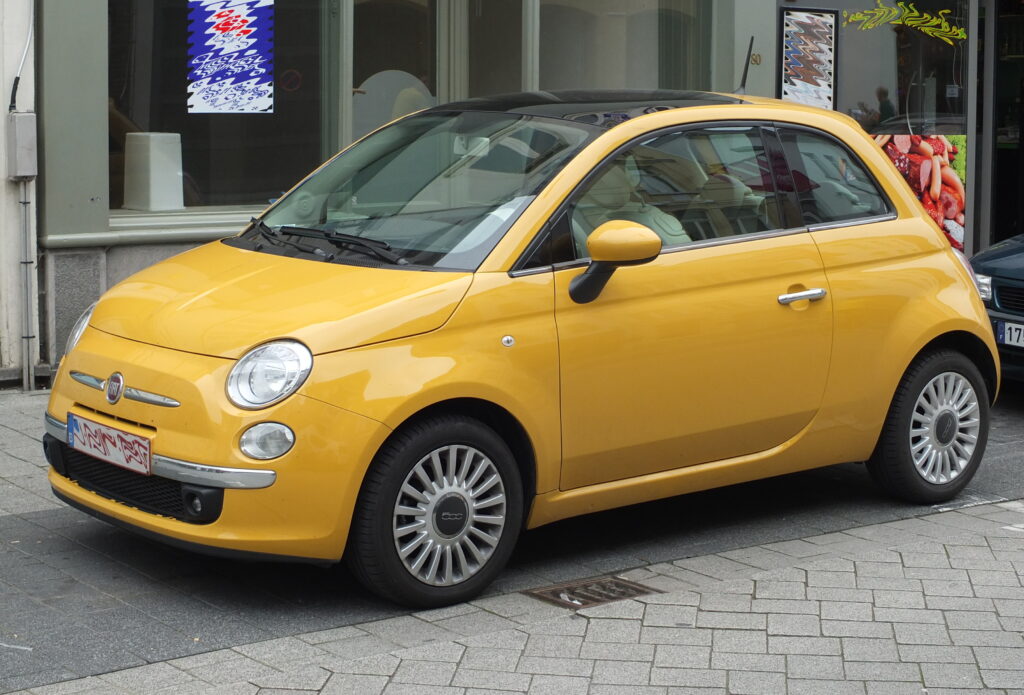
Few cars in history have transcended their mechanical purpose to become genuine cultural symbols. The Fiat 500 and the SEAT 600 are two of those rare legends — compact, charming, and historically significant. Both emerged in the 1950s, a time when Europe was rebuilding after World War II, and both played defining roles in mobilizing an entire generation.
In this detailed comparison, we examine how these two classics shaped automotive history, exploring their design, performance, practicality, legacy, and modern-day relevance.
The Fiat 500 and SEAT 600 were more than cars — they were statements of hope and progress. Born in 1957, both vehicles offered affordable mobility to families who had never owned a car before.
- Fiat 500: An Italian masterpiece that became synonymous with freedom and urban style.
- SEAT 600: The Spanish people's car, symbolizing accessibility and economic recovery.
Their shared DNA isn’t coincidental. The SEAT 600 was based on the Fiat 600 platform, built under license from Fiat, but adapted to the Spanish market’s unique needs.
Content in this publication
- Design Philosophy and Origins
- Dimensions and Proportions
- Engines and Performance
- Driving Experience and Handling
- Interior Comfort and Practicality
- Exterior Design: Function Meets Charm
- Fuel Consumption and Efficiency
- Reliability and Maintenance
- Safety and Equipment
- Market Value and Price Comparison
- Cultural Legacy and Historical Significance
- Modern Interpretations
- Which Classic Is Right for You?
- Conclusion: Two Roads, One Legacy
- FAQs
Design Philosophy and Origins
| Feature | Fiat 500 | SEAT 600 |
|---|---|---|
| Launch Year | 1957 | 1957 |
| Origin | Italy | Spain |
| Design Focus | Urban mobility with style | Affordability and practicality |
| Body Style | Two-door city car | Four-seat compact family car |
The Fiat 500 was the epitome of Italian minimalism — compact, curvy, and instantly recognizable. The SEAT 600, on the other hand, was Spain’s first mass-produced car and a symbol of post-war optimism.
Dimensions and Proportions
| Specification | Fiat 500 | SEAT 600 |
|---|---|---|
| Length | 3.57 m | 3.30 m |
| Width | 1.49 m | 1.40 m |
| Height | 1.48 m | 1.38 m |
| Weight | ~470 kg | ~585 kg |
The Fiat 500’s compact proportions make it a city specialist, while the SEAT 600 offers slightly more cabin space, ideal for small families. Both cars are feather-light, enhancing maneuverability and charm.
Engines and Performance
The Fiat 500 features a rear-mounted two-cylinder engine, producing up to 95 hp in its modern variants, but originally delivering just around 13 hp. Its charm lies not in speed but in efficiency and spirit.
The SEAT 600 used a front-mounted four-cylinder engine, starting with 21.5 hp. It could reach 100 km/h (62 mph) — modest by today’s standards, but revolutionary for 1950s Spain.
| Performance Factor | Fiat 500 | SEAT 600 |
|---|---|---|
| Engine Layout | Rear, 2-cylinder | Front, 4-cylinder |
| Power Output | ~13–95 hp (depending on version) | ~21.5–25 hp |
| Top Speed | 95 km/h | 100 km/h |
| Transmission | 4-speed manual | 4-speed manual |
Driving Experience and Handling
The Fiat 500 was designed for tight European streets, excelling in agility and ease of parking. Its rear-engine layout provides a unique, playful driving feel.
The SEAT 600, meanwhile, offered more stability and practicality for longer drives. Its front-engine configuration improved weight distribution and made it easier to service — a key factor for families on a budget.
You may be interested in reading Fiat 500 vs Audi A1: Urban Icons Compared in Design, Performance, and Value
Interior Comfort and Practicality
Inside, the Fiat 500 combines simplicity with personality. Its minimalist dashboard, stylish upholstery, and iconic round dials make it a delight to drive even decades later.
The SEAT 600 prioritized space and utility. Though its interior was plainer, it seated four comfortably and provided decent boot space for its era.
| Interior Element | Fiat 500 | SEAT 600 |
|---|---|---|
| Seats | 2–4 | 4 |
| Dashboard Style | Retro-modern | Functional and basic |
| Storage Space | Limited | Slightly better |
| Interior Feel | Chic and compact | Practical and homey |
Exterior Design: Function Meets Charm
The Fiat 500’s exterior remains one of the most beloved automotive designs ever — rounded headlights, compact stance, and a joyful personality. Even its modern reimaginations retain that irresistible Italian flair.
The SEAT 600, in contrast, carries a more utilitarian silhouette, prioritizing practicality. Yet, its modest looks have become an emblem of Spanish nostalgia.
Fuel Consumption and Efficiency
- Fiat 500: ~15.9 kWh/100 km (modern electric) or ~4–5 L/100 km (classic versions).
- SEAT 600: ~8 L/100 km — acceptable for its era, but less efficient by modern standards.
The Fiat 500’s evolution has kept it relevant, now available as a fully electric city car, maintaining its eco-friendly spirit in the 21st century.
Reliability and Maintenance
Both cars were simple machines, built for easy maintenance. The Fiat 500 earned a reputation for durability and parts availability, while the SEAT 600 became known for mechanical robustness and easy repairability in Spanish garages.
Safety and Equipment
The Fiat 500’s modern successors feature airbags, ABS, electronic stability control, and infotainment systems — a stark contrast to the original’s basic setup.
The SEAT 600, typical of its time, offered minimal safety features. Seat belts were a luxury, and crumple zones were virtually nonexistent. Yet, its simplicity was part of its enduring appeal.
Market Value and Price Comparison
| Factor | Fiat 500 | SEAT 600 |
|---|---|---|
| Current Market Price (classic) | €10,000–€25,000 | €5,000–€12,000 |
| Modern Versions | €18,000–€32,000 | N/A |
| Collectibility | Very high | Moderate to high |
The Fiat 500 commands higher prices due to its continued production and timeless appeal. The SEAT 600, while more affordable, remains a beloved collectible among Spanish enthusiasts.
Cultural Legacy and Historical Significance
The Fiat 500 symbolizes Italian elegance and freedom, becoming a design icon celebrated worldwide. It’s been featured in films, art, and even fashion collaborations.
You may be interested in readingFiat 500 vs Audi A1: Urban Icons Compared in Design, Performance, and ValueYou may be interested in reading
 Fiat 500 vs Suzuki Swift: Urban Icons Face Off in Style, Agility, and Efficiency
The SEAT 600, however, is deeply rooted in Spanish identity. It democratized car ownership in Spain and became a nostalgic symbol of the country’s modernization.
Modern Interpretations
Fiat successfully revived the 500 in 2007 and again in electric form in 2020. It blends classic charm with contemporary technology, offering variants like the 500e.
SEAT has yet to reintroduce the 600, though concept designs and electric tributes have appeared occasionally in fan communities.
Which Classic Is Right for You?
- Choose the Fiat 500 if you value style, design heritage, and modern usability.
- Choose the SEAT 600 if you appreciate authentic Spanish history and mechanical simplicity.
Both cars tell stories — one of Italian passion, the other of Spanish perseverance.
Conclusion: Two Roads, One Legacy
The Fiat 500 and SEAT 600 are more than machines; they’re cultural touchstones that define an era. Each represents a different chapter of Europe’s automotive journey — the 500 a symbol of sophistication and renewal, the 600 a story of resilience and practicality.
Whichever you choose, you’re driving a piece of history.
FAQs
1. Which came first, the Fiat 500 or SEAT 600?
Both were introduced in 1957, but the Fiat 500 was developed independently by Fiat before SEAT licensed the 600 platform.
2. Is the Fiat 500 faster than the SEAT 600?
Yes, the Fiat 500’s modern variants are significantly faster and more efficient than the classic SEAT 600.
3. Which is more collectible today?
The Fiat 500 generally holds higher value due to international demand, though pristine SEAT 600s are prized in Spain.
4. Are spare parts still available?
Yes, both enjoy strong support from classic car communities and aftermarket suppliers.
Fiat 500 vs Audi A1: Urban Icons Compared in Design, Performance, and ValueYou may be interested in reading
Fiat 500 vs Suzuki Swift: Urban Icons Face Off in Style, Agility, and EfficiencyYou may be interested in reading
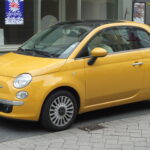 Fiat 500 vs Opel Adam: Style, Specs, and Smart City Performance Compared
5. Is the SEAT 600 based on a Fiat design?
Exactly — it’s a Spanish-built version of the Fiat 600, adapted to local needs and production standards.
If you want to know other articles similar to Fiat 500 vs SEAT 600: The Timeless Rivalry of Two European Icons you can visit the category Models.
Ford Mondeo vs Skoda Superb: The Ultimate Executive Saloon Showdown
Ford Mondeo vs VW Passat: The Ultimate Comparison Guide
Ford Mondeo vs Toyota Camry: Which Sedan Truly Wins?
Ford Mondeo vs Skoda Octavia: The Ultimate Comparison Guide
Ford Mondeo vs Taurus: The Ultimate Sedan Showdown
Ford Mondeo vs Mazda 6: The Ultimate Saloon Showdown
Leave a Reply
More content of your interest