
Ford EcoSport Generations – A Complete Journey Through the Life of Ford’s Urban SUV

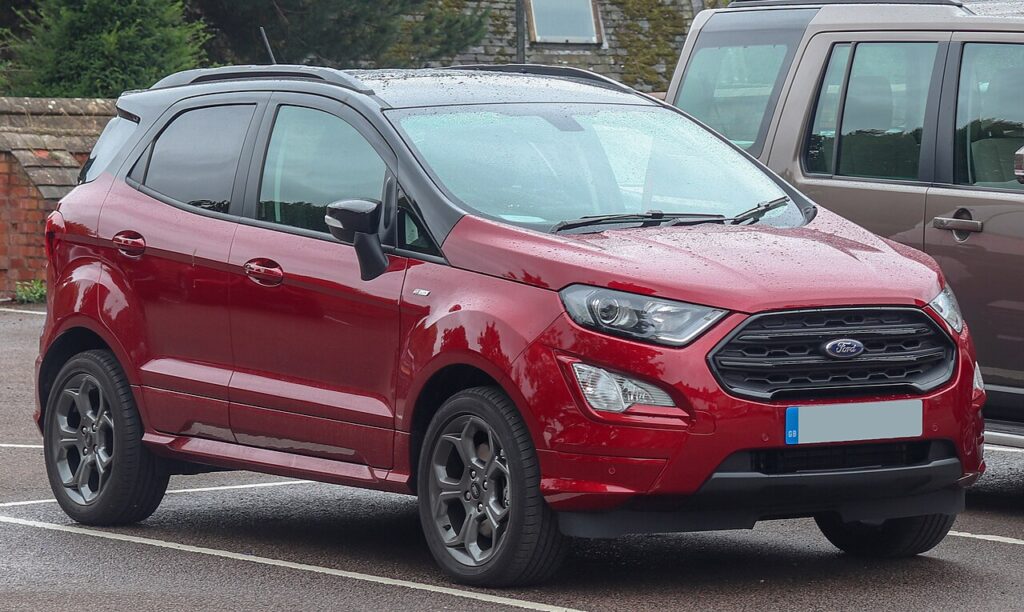
We’ve all watched the streets change over the years. Hatchbacks grew taller, sedans started to feel formal, and suddenly the world wanted compact SUVs that could squeeze through city lanes like a bicycle through traffic. In the middle of that shift stood the Ford EcoSport, a small crossover with big attitude. Today we’re taking a relaxed, friendly walk through Ford EcoSport generations, exploring how this little machine evolved from a simple idea into a global companion.
Content in this publication
- Why the EcoSport Became a Global Favorite
- The Roots – Before Generations Were Even a Thing
- First Generation (2003–2012): The Pioneer Years
- Second Generation (2012–2023): The Global Makeover
- How Each Generation Changed the Personality
- Engines Across the Generations
- Technology Timeline
- Safety Progress Through the Years
- Regional Flavors of the EcoSport
- Strengths Shared by All Generations
- Common Weak Points Over Time
- EcoSport vs Rivals in Different Eras
- Ownership Experience Across Generations
- Why Ford Ended the Line
- Buying Tips by Generation
- Which Generation Suits You?
- The Legacy of Ford EcoSport Generations
- FAQs
Why the EcoSport Became a Global Favorite
When we think about the EcoSport, we imagine a trusty backpack—compact on the outside yet surprisingly roomy within. Ford designed it for people who wanted SUV flavor without the bulk of a full-size 4x4. Over different generations, the recipe changed: better engines, smarter interiors, tougher looks. But the soul stayed the same—practical, affordable, and ready for everyday adventures.
The Roots – Before Generations Were Even a Thing
Long before the badge became familiar in Europe or North America, the EcoSport was born in South America. Ford noticed that drivers wanted higher seating positions and rugged styling but didn’t want to pay for heavy fuel bills. That idea became the seed from which every generation grew.
First Generation (2003–2012): The Pioneer Years
A Simple Tool for Real Roads
The earliest EcoSport was like a pair of sturdy boots—nothing fancy, but reliable. Built mainly for emerging markets, it borrowed parts from the Ford Fiesta and Fusion of the time. We saw:
- High ground clearance for rough streets
- Side-hinged tailgate with external spare wheel
- Basic but durable interiors
- Petrol and diesel engine options
Design Language of the Early Days
This generation looked more like a mini off-roader than a city car. Boxy lines, chunky bumpers, and roof rails gave it a no-nonsense character. We often joke it was the EcoSport wearing a backpack full of camping gear even if it was only going to the supermarket.
Driving Experience
Steering was light, suspension soft, and technology minimal. But that simplicity was its charm. Owners loved how easy it was to maintain and how tough it felt on broken roads.
Second Generation (2012–2023): The Global Makeover
From Local Hero to World Traveler
The second generation was the real turning point. Ford decided the EcoSport deserved a passport and sent it to Europe, India, and later North America. The car grew more polished, like a teenager suddenly learning table manners.
Key upgrades included:
- Modern Kinetic Design styling
- Improved safety structure
- Touchscreen infotainment
- Efficient EcoBoost engines
- Optional all-wheel drive in some markets
Facelift Era (2017 Onwards)
In 2017 the EcoSport received a serious glow-up:
- New front grille inspired by bigger Ford SUVs
- Redesigned dashboard with SYNC 3 system
- Better sound insulation
- Enhanced ride comfort
We felt this was the moment the EcoSport stopped being just practical and started being desirable.
How Each Generation Changed the Personality
Exterior Evolution
- First gen: rugged explorer
- Early second gen: urban adventurer
- Late second gen: stylish city professional
Interior Transformation
Inside, the journey was like moving from a hostel to a cozy apartment. Hard plastics softened, screens grew larger, and seats learned to hug us better.
You may be interested in reading Ford EcoSport vs Kuga: Which Ford SUV Truly Fits Your Life?
Engines Across the Generations
Petrol Powertrains
- 1.6 Duratec in early models
- 1.0 EcoBoost turbo hero
- 2.0 options in some regions
Diesel Workhorses
- 1.5 TDCi
- Improved fuel economy over time
- Better refinement in later years
Each generation treated engines like recipes—adding a little spice, reducing the fat, making them cleaner and punchier.
Technology Timeline
We can almost draw a family tree of gadgets:
- 2003–2012 – radio, basic AC
- 2012–2016 – Bluetooth, small screens
- 2017–2023 – SYNC 3, Apple CarPlay, driver aids
The EcoSport learned new languages just like we do—first letters, then sentences, finally full conversations with our phones.
Safety Progress Through the Years
Safety became the backbone of later generations:
- More airbags
- Electronic stability control
- Rear cameras
- Improved crash structures
It was like the car started wearing a helmet and knee pads after its teenage years.
Regional Flavors of the EcoSport
Europe
Sportier suspension, richer interiors.
India & South America
Tougher setups for rougher roads.
North America
More equipment and stronger engines.
The same dish served with different sauces.
- Compact dimensions
- High driving position
- Affordable maintenance
- Easy parking
- Practical boot
These traits are the EcoSport DNA, passed from one generation to the next like family traditions.
Common Weak Points Over Time
No family is perfect, and neither was the EcoSport:
You may be interested in readingFord EcoSport vs Kuga: Which Ford SUV Truly Fits Your Life?You may be interested in reading
 Ford EcoSport vs Vauxhall Mokka: Which Compact SUV Truly Fits Our Lives?
- Early models had basic interiors
- Some automatic gearboxes felt sleepy
- Boot space smaller than rivals
But Ford kept ironing the shirt with every generation.
EcoSport vs Rivals in Different Eras
Against cars like the Renault Duster, Nissan Juke, and Hyundai Kona, the EcoSport always played the role of the sensible friend—maybe not the loudest in the room, but the one you call when you need help moving house.
Ownership Experience Across Generations
We’ve spoken to many owners, and their stories sound similar:
- First gen: “It never broke.”
- Second gen: “It fits my life.”
- Facelift: “Feels like a mini Kuga.”
Why Ford Ended the Line
Markets changed again. Crossovers grew bigger, electrification knocked on the door, and Ford reshaped its priorities. The EcoSport took a respectful bow after teaching the world what a compact SUV could be.
Buying Tips by Generation
If You Choose First Generation
- Check suspension wear
- Look for rust around tailgate
- Service history matters more than gadgets
If You Choose Second Generation
- Prefer 2017+ facelift
- Test the automatic carefully
- Inspect infotainment functions
Which Generation Suits You?
- Need budget toughness? → First gen
- Want modern comfort? → Second gen facelift
- City commuter? → Any EcoBoost model
Think of choosing like picking shoes: hiking boots or sneakers?
The Legacy of Ford EcoSport Generations
The EcoSport taught us that SUVs don’t need to be giants. It was a bridge between hatchbacks and crossovers, between need and desire. Each generation wrote a chapter in that story.
Closing Thoughts
We’ve walked through two decades of change, from the humble pioneer to the polished global traveler. The Ford EcoSport generations show how a car can grow with its audience like a loyal dog learning new tricks. Even though production has ended, its footprint remains on streets worldwide and in the blueprint of many modern compact SUVs.
FAQs
1. Which Ford EcoSport generation is most reliable?
The late second-generation facelift (2017–2020) is generally considered the most reliable thanks to improved electronics and build quality.
2. Did all generations have the spare wheel on the tailgate?
No. The external spare was common in early models and some markets, but later versions moved it inside for a cleaner look.
3. What is the best engine across generations?
The 1.0 EcoBoost from the second generation balances power and economy beautifully.
4. Is the first generation good for city driving?
Yes, its compact size and soft suspension make it ideal for crowded streets.
Ford EcoSport vs Kuga: Which Ford SUV Truly Fits Your Life?You may be interested in reading
Ford EcoSport vs Vauxhall Mokka: Which Compact SUV Truly Fits Our Lives?You may be interested in reading
 Ford EcoSport vs Nissan Qashqai: Which SUV Deserves Your Driveway?
5. Why was the EcoSport discontinued?
Ford shifted focus to newer platforms, electrification, and larger crossovers as market tastes evolved.
If you want to know other articles similar to Ford EcoSport Generations – A Complete Journey Through the Life of Ford’s Urban SUV you can visit the category Models.
Volvo XC60 vs Mazda CX-60: The Ultimate SUV Showdown
Volvo XC60 vs BMW X5: The Ultimate SUV Showdown
Volvo XC60 vs Ford Kuga: The Ultimate SUV Showdown
Volvo XC60 vs Kia Sportage: The Ultimate SUV Showdown
Volvo XC60 vs Toyota RAV4: Which SUV Truly Wins Our Hearts?
Volvo XC60 vs Lexus NX: Which Premium SUV Truly Wins?
Leave a Reply
More content of your interest