

Ford EcoSport vs Chevy Trax: Which Compact SUV Truly Fits Your Life?

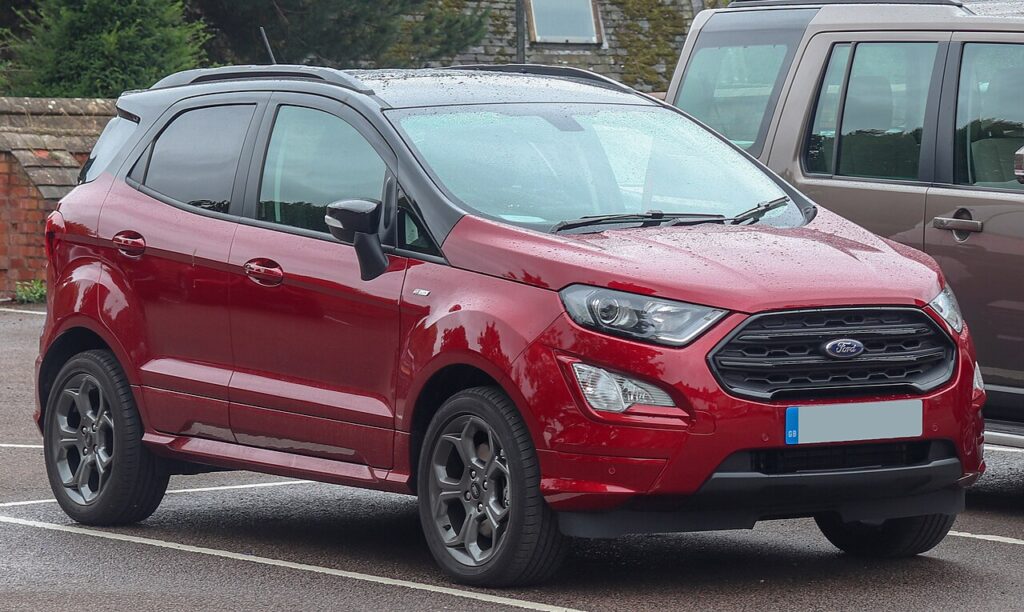
Choosing between the Ford EcoSport vs Chevy Trax can feel like standing in front of two familiar doors, each promising a slightly different adventure. We’ve all been there—scrolling through specs, watching reviews, wondering which one will suit school runs, weekend escapes, and the everyday grind. In this guide we walk together through performance, comfort, reliability, and real-world ownership so you can decide with confidence instead of guesswork.
Content in this publication
- First Impressions: Personality on Four Wheels
- Under the Hood: Power and Daily Manners
- Fuel Economy: Counting the Coffee Money
- Interior Space: Where Life Actually Happens
- Technology: Brains Behind the Wheel
- Ride Quality: City Streets vs Open Roads
- All-Wheel Drive Question
- Ownership Costs: The Long Game
- Reliability Talk: What Owners Whisper
- Trim Levels Worth Considering
- Safety Scores: Protecting Precious Cargo
- Driving in the Real World
- Pros and Cons Snapshot
- Who Should Buy the EcoSport?
- Who Should Buy the Trax?
- Price Comparison: Dollars and Sense
- Verdict from the Heart
- FAQs
First Impressions: Personality on Four Wheels
EcoSport’s Character
The Ford EcoSport greets us like a practical backpack—upright, compact, and ready for city streets. Its tall stance gives that mini-SUV confidence without shouting for attention.
Trax’s Attitude
The Chevy Trax feels more like a sporty sneaker: smoother lines, a slightly wider posture, and a youthful grin. It aims at drivers who want urban agility with a dash of flair.
Under the Hood: Power and Daily Manners
Engine Options Compared
- Ford EcoSport
- 1.0L EcoBoost turbo (3-cyl)
- 2.0L naturally aspirated (4-cyl, AWD available)
- Chevy Trax
- 1.4L turbo (4-cyl)
The Trax leans on its turbo heart to deliver punchy acceleration around town. The EcoSport offers choice: thrifty 1.0L efficiency or the sturdier 2.0L for those snowy mornings.
How They Feel on the Road
We found the Trax to be the calmer companion on highways, like a friend who keeps the music steady. The EcoSport is more playful, darting through alleys with tight steering.
Fuel Economy: Counting the Coffee Money
Both vehicles sip fuel rather than gulp it.
- EcoSport: averages around mid-20s MPG city, low-30s highway.
- Trax: often touches similar numbers, sometimes edging ahead thanks to consistent turbo efficiency.
Over a year, the difference might equal a few dinners out—not a deal breaker, but worth noting.
Interior Space: Where Life Actually Happens
Front Row Comfort
The Trax offers a slightly broader cabin. Shoulders breathe easier, and seats feel like cushioned armchairs. The EcoSport counters with a taller roof that tall drivers appreciate.
Rear Seat Reality
- Trax: better knee room for adults.
- EcoSport: upright seating suits kids and short trips.
Cargo Battle
- EcoSport: unique side-swing tailgate, 20.9 cu.ft behind seats.
- Trax: liftgate style, about 18.7 cu.ft.
If you haul strollers or guitars, the EcoSport’s square shape swallows awkward items like a patient suitcase.
Technology: Brains Behind the Wheel
Infotainment Systems
- Ford SYNC 3: intuitive, bright screen, quick responses.
- Chevy MyLink: clean layout, smartphone-friendly.
Both support Apple CarPlay and Android Auto. It’s like choosing between two good cafés—menu different, coffee equally warm.
Driver Aids
Available features across trims:
You may be interested in reading Ford EcoSport or Duster Which Is Better
- Rearview camera
- Blind-spot monitoring
- Rear cross-traffic alert
- Parking sensors
The Trax often bundles safety features earlier in the trim ladder, giving it a slight value edge.
Ride Quality: City Streets vs Open Roads
EcoSport Behavior
Short wheelbase makes it nimble but occasionally bouncy over potholes. Think of a terrier—energetic and eager.
Trax Behavior
Longer feel, calmer suspension, better highway composure. More like a golden retriever—steady and relaxed.
All-Wheel Drive Question
Only the EcoSport offers AWD in many markets. If winter paints your roads white, this alone might tip the scales.
Ownership Costs: The Long Game
Maintenance
- EcoSport: parts widely available, simple mechanics.
- Trax: similar service costs; turbo components may need extra care.
Insurance
Trax usually lands in slightly lower insurance groups, but local quotes matter more than averages.
Resale Value
Historically, the Trax holds value a touch better thanks to stronger brand perception in the subcompact class.
Reliability Talk: What Owners Whisper
- EcoSport: praised for durability, criticized for dated interior on older models.
- Trax: good mechanical record, some reports of turbo and cooling system niggles.
Neither is perfect; both can be loyal if serviced like a well-watered plant.
Trim Levels Worth Considering
EcoSport Sweet Spots
- SE: best balance of price and features
- Titanium: leather and tech goodies
Trax Highlights
- LT: strong value
- Premier: upscale feel without luxury price
Safety Scores: Protecting Precious Cargo
Both earned respectable crash ratings. The Trax often edges forward with more standard airbags and assistance features in later years.
Driving in the Real World
Commuting
Trax wins for smoother highways.
Parking Downtown
EcoSport’s boxy shape makes tight spots easy.
Weekend Trips
EcoSport’s cargo flexibility helps; Trax’s comfort keeps passengers happier.
You may be interested in readingFord EcoSport or Duster Which Is BetterYou may be interested in reading
 Ford EcoSport vs Puma: Which Ford Crossover Truly Fits Your Life?
Pros and Cons Snapshot
Ford EcoSport Pros
- AWD option
- Tall cargo space
- Simple controls
Ford EcoSport Cons
- Older design
- Firmer ride
Chevy Trax Pros
- Composed ride
- Roomier cabin
- Good tech value
Chevy Trax Cons
- No AWD in many versions
- Smaller cargo area
Who Should Buy the EcoSport?
Choose it if you:
- Face winter roads
- Carry bulky items
- Prefer upright SUV feel
Who Should Buy the Trax?
Pick it if you:
- Commute on highways
- Want smoother comfort
- Value modern interior vibe
Price Comparison: Dollars and Sense
Used markets show:
- EcoSport: often slightly cheaper
- Trax: steadier pricing
New prices fluctuate, but incentives can change the picture overnight.
Verdict from the Heart
If cars were shoes, the EcoSport would be hiking boots—rugged, practical. The Trax would be everyday trainers—comfortable and stylish. We can’t declare a universal winner because lifestyles differ like fingerprints.
Closing Thoughts
The Ford EcoSport vs Chevy Trax debate isn’t about right or wrong; it’s about fit. Picture your week: grocery runs, school pickups, road trips. Which vehicle slips into that rhythm without resistance? Test drives are like first dates—listen to how you feel, not just the brochure.
FAQs
1. Which is more reliable, Ford EcoSport or Chevy Trax?
Both show solid records; Trax slightly ahead in long-term surveys, but maintenance history matters more than badges.
2. Does the Trax offer AWD?
Most versions do not; EcoSport provides AWD with the 2.0L engine.
3. Which has better fuel economy?
They’re close; Trax often edges ahead by 1–2 MPG in mixed driving.
4. Is EcoSport good for families?
Great for small families needing tall cargo; rear legroom is tighter than Trax.
5. Which feels better on highways?
Trax delivers the smoother, quieter highway experience.
Ford EcoSport or Duster Which Is BetterYou may be interested in reading
Ford EcoSport vs Puma: Which Ford Crossover Truly Fits Your Life?You may be interested in reading
 Ford EcoSport vs Escape: Which Ford SUV Truly Fits Our Life?
If you want to know other articles similar to Ford EcoSport vs Chevy Trax: Which Compact SUV Truly Fits Your Life? you can visit the category Models.
Volvo XC60 vs Mazda CX-60: The Ultimate SUV Showdown
Volvo XC60 vs BMW X5: The Ultimate SUV Showdown
Volvo XC60 vs Ford Kuga: The Ultimate SUV Showdown
Volvo XC60 vs Kia Sportage: The Ultimate SUV Showdown
Volvo XC60 vs Toyota RAV4: Which SUV Truly Wins Our Hearts?
Volvo XC60 vs Lexus NX: Which Premium SUV Truly Wins?
Leave a Reply
More content of your interest