

Ford F-150 Common Problems: A Complete Owner’s Guide to Known Issues, Fixes, and Long-Term Reliability

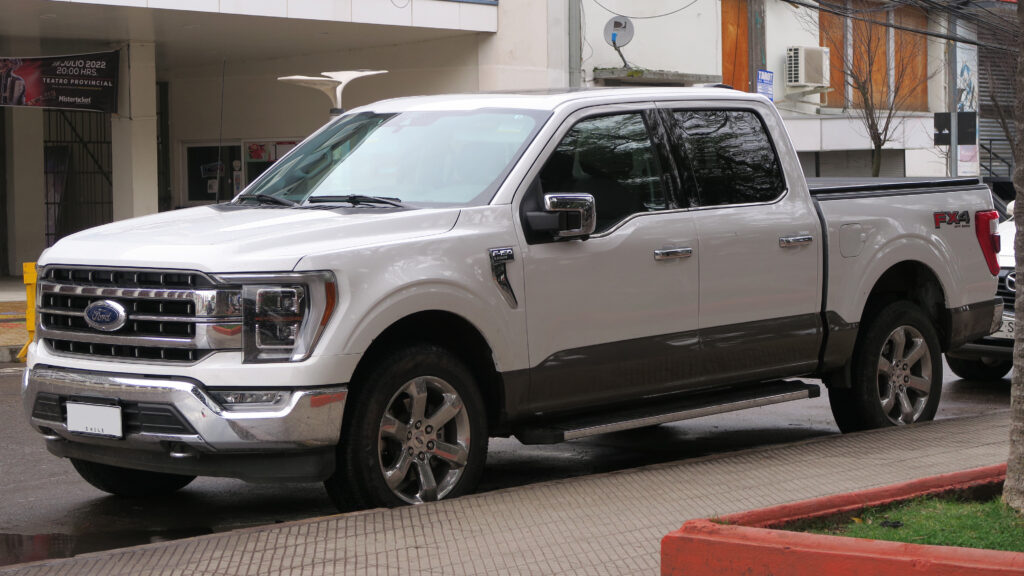
The Ford F-150 has earned its place as one of the most trusted pickup trucks on the road. However, even the most respected trucks develop recurring faults over time. We break down the most commonly reported Ford F-150 problems, focusing on real-world ownership experiences, technical failure points, and practical fixes. This guide delivers precise, model-specific insights designed to outperform generic summaries and surface-level lists.
Content in this publication
- Overview of Recurring Ford F-150 Issues by System
- Transmission Problems in the Ford F-150
- Engine Problems Reported by Ford F-150 Owners
- Turbocharger and EcoBoost-Specific Issues
- Electrical System and Electronics Failures
- Power Steering Problems
- Suspension and Steering Wear
- Brake System Complaints
- Body, Frame, and Corrosion Issues
- Fuel System and Emissions Problems
- Cooling System Failures
- Long-Term Reliability Outlook
- Key Takeaways for Owners and Buyers
- Frequently Asked Questions
Overview of Recurring Ford F-150 Issues by System
Ford F-150 problems tend to cluster around several core systems:
- Powertrain and transmissions
- Engine sensors and timing components
- Electrical and infotainment systems
- Steering, suspension, and braking
- Body, interior, and corrosion concerns
Each section below details symptoms, root causes, affected model years, and proven remedies.
Transmission Problems in the Ford F-150
Harsh Shifting and Gear Hunting
One of the most frequently reported complaints involves rough or delayed gear changes, especially during low-speed driving.
Common symptoms include:
- Jerking between gears
- Hesitation when accelerating
- Clunking when shifting from Park to Drive
These issues are commonly linked to adaptive learning faults, valve body wear, or outdated transmission software.
10-Speed Automatic Transmission Faults
Introduced to improve fuel efficiency and towing performance, the 10-speed automatic has drawn criticism for inconsistent shift behavior.
Observed problems:
- Erratic downshifts
- Unpredictable gear engagement
- Transmission shudder at highway speeds
Software recalibration and adaptive relearning procedures often resolve early symptoms, while severe cases require valve body or torque converter replacement.
Engine Problems Reported by Ford F-150 Owners
Cam Phaser Rattle
A well-documented concern, particularly on EcoBoost engines, involves a metallic rattle during cold starts.
Key indicators:
- Loud ticking or knocking noise
- Noise disappears after warm-up
- Reduced long-term engine smoothness
Cam phaser wear affects valve timing accuracy and can progress if ignored. Updated components and revised oil flow designs mitigate repeat failures.
Timing Chain Stretch
Timing chain elongation affects engine synchronization and drivability.
Warning signs include:
- Rough idle
- Check engine light
- Loss of power
Regular oil changes using manufacturer-approved specifications significantly reduce recurrence.
Turbocharger and EcoBoost-Specific Issues
Turbo Lag and Loss of Boost
EcoBoost engines deliver impressive torque, but turbochargers introduce additional failure points.
You may be interested in reading Ford F-150 10 Speed Transmission Problems: What Owners Really Experience
Common causes:
- Wastegate actuator wear
- Boost leaks
- Carbon buildup
Preventative maintenance and updated turbo components help maintain consistent boost delivery.
Electrical System and Electronics Failures
Dashboard and Instrument Cluster Malfunctions
Owners frequently report flickering gauges, blank displays, or warning lights activating without cause.
Underlying causes often include:
- Faulty body control modules
- Wiring harness wear
- Software incompatibility
Module reprogramming or targeted harness repairs typically resolve these faults.
Infotainment and Sync System Glitches
The Ford Sync system occasionally freezes, reboots, or fails to connect to devices.
Typical issues:
- Screen lag
- Bluetooth disconnections
- Navigation errors
Firmware updates and module resets remain the most effective solutions.
Power Steering Problems
Sudden Loss of Steering Assist
Electric power steering failures can occur without warning.
Symptoms include:
- Heavy steering feel
- Steering warning light
- Reduced maneuverability at low speeds
Faulty steering racks or control modules are often responsible, requiring replacement rather than adjustment.
Suspension and Steering Wear
Ball Joint and Tie Rod Failures
Premature wear in steering components leads to instability and uneven tire wear.
Common signs:
- Steering wheel vibration
- Clunking noises over bumps
- Vehicle pulling to one side
Upgraded components with improved materials offer longer service life.
Brake System Complaints
Warped Brake Rotors
Many owners experience brake pulsation under moderate braking.
Typical indicators:
You may be interested in readingFord F-150 10 Speed Transmission Problems: What Owners Really ExperienceYou may be interested in reading
 Ford F-150 110V Outlet Not Working: Complete Troubleshooting Guide
- Steering wheel shake
- Uneven braking response
High-quality rotors and proper torque procedures reduce repeat issues.
Body, Frame, and Corrosion Issues
Aluminum Body Panel Concerns
While corrosion resistance improved with aluminum construction, galvanic corrosion can occur at mounting points.
Affected areas include:
- Door seams
- Hood edges
- Tailgate panels
Improved sealants and revised fasteners address long-term durability.
Fuel System and Emissions Problems
Fuel Pump and Injector Failures
Inconsistent fuel delivery leads to hesitation and misfires.
Symptoms include:
- Rough acceleration
- Engine stalling
- Reduced fuel economy
Replacing failing components restores smooth operation and power delivery.
Cooling System Failures
Coolant Leaks and Overheating
Radiators, hoses, and water pumps are known wear points.
Signs of trouble:
- Rising engine temperature
- Coolant loss
- Steam from engine bay
Proactive replacement of aging components prevents severe engine damage.
Long-Term Reliability Outlook
When maintained correctly, the Ford F-150 remains capable of exceeding high mileage benchmarks. Most common problems stem from component wear, software calibration, or deferred maintenance rather than fundamental design flaws. Updated parts, revised software, and preventative servicing significantly improve ownership longevity.
Key Takeaways for Owners and Buyers
- Transmission behavior improves with updated software
- Engine noise should never be ignored
- Electrical issues are often module-related, not mechanical
- Preventative maintenance dramatically reduces repair frequency
Frequently Asked Questions
Is the Ford F-150 reliable long term?
Yes. With proper servicing and early issue detection, many F-150s exceed 200,000 miles.
Which Ford F-150 years have the most problems?
Certain mid-2010s models show higher reports of transmission and cam phaser issues, though updated components improve reliability.
Are EcoBoost engines problematic?
EcoBoost engines are powerful and efficient but require consistent maintenance to avoid turbo and timing issues.
Do transmission problems require full replacement?
Not always. Many issues are resolved through recalibration or targeted component repair.
Is the Ford F-150 expensive to maintain?
Maintenance costs remain competitive for a full-size pickup, particularly when issues are addressed early.
You may be interested in readingFord F-150 10 Speed Transmission Problems: What Owners Really ExperienceYou may be interested in reading
Ford F-150 110V Outlet Not Working: Complete Troubleshooting GuideYou may be interested in reading
 Honda CR-V Not Starting: Causes, Fixes, and Real-World Solutions
If you want to know other articles similar to Ford F-150 Common Problems: A Complete Owner’s Guide to Known Issues, Fixes, and Long-Term Reliability you can visit the category Common Problems.
Ford Fiesta Jerks When Accelerating: Causes, Fixes, and What Every Driver Should Know

BMW X1 Problems: Common Issues, Reliability Concerns, and What Owners Should Know

Jaguar F-Pace Not Starting: Causes, Fixes, and Expert Troubleshooting Guide

Jaguar F-Pace Gearbox Fault: Causes, Symptoms, Fixes, and Costs Explained

Jaguar F-Pace Keyless Entry Not Working: Causes, Fixes, and Troubleshooting Guide
Jaguar F-Pace Engine Light On: Causes, Fixes, and What to Do Next
Leave a Reply
More content of your interest