

Ford F-150 Generations by Year: A Complete Evolution Guide

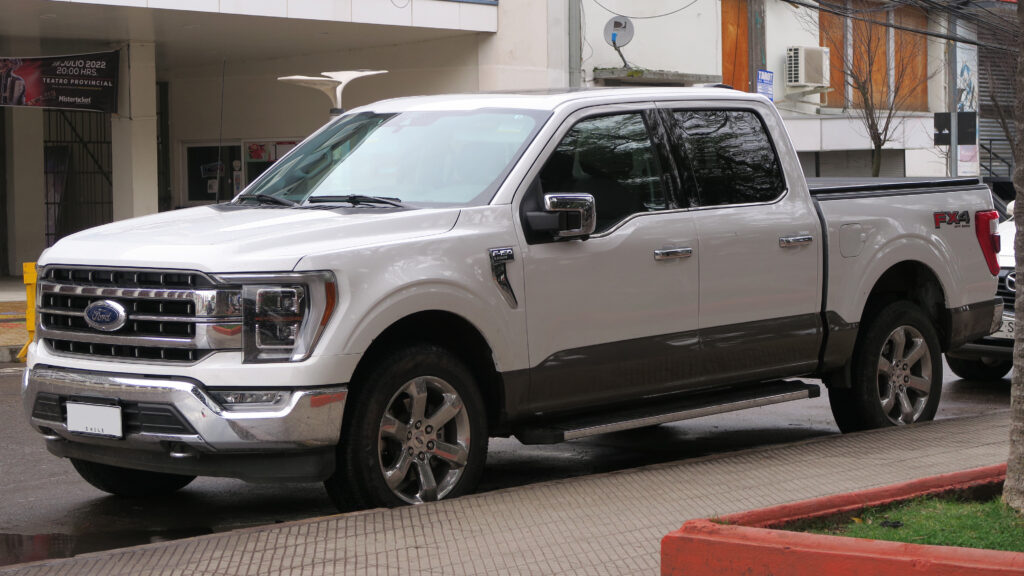
Few vehicles tell the story of American roads quite like the Ford F-150. It’s more than a pickup—it’s a cultural artifact, a rolling timeline of changing tastes, technologies, and working habits. We’ve all seen one hauling lumber, towing boats, or parked proudly in a driveway like a badge of honor. But how did it all unfold?
Let’s walk through Ford F-150 generations by year, unpacking how each era shaped the truck we know today. Think of this as a friendly conversation over a garage workbench—relaxed, practical, and packed with insight.
Content in this publication
- Why Ford F-150 Generations Matter
- What Defines an F-150 Generation?
- First Generation (1948–1952): The Beginning of a Legend
- Second Generation (1953–1956): Naming the F-150 Family
- Third Generation (1957–1960): Wider, Lower, Smarter
- Fourth Generation (1961–1966): The Unibody Experiment
- Fifth Generation (1967–1972): Strength Meets Style
- Sixth Generation (1973–1979): Birth of the F-150 Name
- Seventh Generation (1980–1986): Lighter and More Efficient
- Eighth Generation (1987–1991): Technology Takes the Wheel
- Ninth Generation (1992–1996): The Rounded Revolution
- Tenth Generation (1997–2003): A Cultural Reset
- Eleventh Generation (2004–2008): Back to Muscle
- Twelfth Generation (2009–2014): The EcoBoost Era Begins
- Thirteenth Generation (2015–2020): Aluminum Revolution
- Fourteenth Generation (2021–Present): The Digital Truck
- Ford F-150 Generations by Year: Quick Reference
- Which Ford F-150 Generation Is Right for You?
- Final Thoughts: A Truck That Grows With Us
- FAQs About Ford F-150 Generations by Year
Why Ford F-150 Generations Matter
Understanding F-150 generations isn’t just trivia. It helps buyers choose the right used model, collectors spot classics, and enthusiasts appreciate how far the truck has come.
Each generation reflects:
- Shifts in design philosophy
- Advances in engines and drivetrains
- Changes in safety, comfort, and technology
- Broader trends in American work and lifestyle
In short, generations tell the why behind the truck.
What Defines an F-150 Generation?
A new generation typically arrives with:
- A redesigned body and frame
- New engine families or transmissions
- Major interior or technology updates
Facelifts happen mid-generation, but true generational changes feel like turning the page to a new chapter.
First Generation (1948–1952): The Beginning of a Legend
Years Covered
- 1948
- 1949
- 1950
- 1951
- 1952
This era introduced Ford’s first modern pickup line, known as the F-Series Bonus-Built trucks.
What Made It Special
- Simple, upright styling
- Flathead V8 option
- Built for farms, construction sites, and small businesses
These trucks were pure utility—no frills, no apologies. Like a sturdy hammer, they did one job and did it well.
Second Generation (1953–1956): Naming the F-150 Family
Years Covered
- 1953
- 1954
- 1955
- 1956
This is where the F-Series truly found its identity.
Key Developments
- Modernized styling
- Introduction of V8 overhead-valve engines
- Wider cabs and better visibility
While the F-150 name wouldn’t officially appear until later, this generation laid the groundwork for it.
Third Generation (1957–1960): Wider, Lower, Smarter
Years Covered
- 1957
- 1958
- 1959
- 1960
Ford took a bold step with a wider stance and lower ride height.
Highlights
- Styleside bed introduced
- Improved suspension
- More passenger-car-like handling
This generation marked the moment pickups began to feel less agricultural and more everyday-friendly.
Fourth Generation (1961–1966): The Unibody Experiment
Years Covered
- 1961
- 1962
- 1963
- 1964
- 1965
- 1966
Ford experimented with a unibody design, integrating cab and bed.
You may be interested in reading Ford F-150 Depreciation: What We Really Pay Over Time
Why It Mattered
- Sleeker appearance
- Reduced weight
- Better ride quality
However, heavy loads revealed flex issues, and Ford returned to a separate bed design later. Innovation always involves risk.
Fifth Generation (1967–1972): Strength Meets Style
Years Covered
- 1967
- 1968
- 1969
- 1970
- 1971
- 1972
This era is beloved by collectors.
Standout Features
- Stronger frames
- Improved safety (collapsible steering column)
- Iconic boxy design
These trucks feel like denim jackets—rugged, timeless, and endlessly cool.
Sixth Generation (1973–1979): Birth of the F-150 Name
Years Covered
- 1973
- 1974
- 1975
- 1976
- 1977
- 1978
- 1979
This is when the Ford F-150 officially debuted in 1975, slotting between the F-100 and F-250.
Why the F-150 Was Created
- Higher payload capacity
- Emissions regulation advantages
- Better ride than heavy-duty models
The F-150 quickly became the sweet spot—and it never looked back.
Seventh Generation (1980–1986): Lighter and More Efficient
Years Covered
- 1980
- 1981
- 1982
- 1983
- 1984
- 1985
- 1986
Fuel economy suddenly mattered, and Ford responded.
Key Improvements
- Lighter materials
- Improved aerodynamics
- Introduction of fuel injection (late years)
This generation marked the F-150’s transition into the modern era.
Eighth Generation (1987–1991): Technology Takes the Wheel
Years Covered
- 1987
- 1988
- 1989
- 1990
- 1991
These trucks quietly revolutionized reliability.
What Changed
- Standard fuel injection
- Better rust protection
- More refined interiors
They may not shout for attention, but they’re famously dependable.
Ninth Generation (1992–1996): The Rounded Revolution
Years Covered
- 1992
- 1993
- 1994
- 1995
- 1996
Ford softened the edges—literally.
Highlights
- Rounded aerodynamic styling
- Improved safety features
- More comfortable cabins
These trucks bridged the gap between old-school toughness and modern comfort.
Tenth Generation (1997–2003): A Cultural Reset
Years Covered
- 1997
- 1998
- 1999
- 2000
- 2001
- 2002
- 2003
This generation was controversial—and wildly successful.
Why It Stands Out
- Radical jellybean styling
- Independent front suspension
- Huge sales numbers
Some loved it, some hated it, but everyone noticed it.
Eleventh Generation (2004–2008): Back to Muscle
Years Covered
- 2004
- 2005
- 2006
- 2007
- 2008
Ford blended toughness with refinement.
You may be interested in readingFord F-150 Depreciation: What We Really Pay Over TimeYou may be interested in reading
 Are Ford F-150 Reliable? The Real-World Truth We’ve Learned Over Time
Notable Features
- Boxy, aggressive design
- Strong V8 options
- Spacious SuperCrew cabins
This generation rebalanced form and function beautifully.
Twelfth Generation (2009–2014): The EcoBoost Era Begins
Years Covered
- 2009
- 2010
- 2011
- 2012
- 2013
- 2014
This is where things really changed.
Major Innovations
- EcoBoost turbocharged engines
- Improved towing capacity
- Advanced infotainment
Power met efficiency—and skeptics were quickly silenced.
Thirteenth Generation (2015–2020): Aluminum Revolution
Years Covered
- 2015
- 2016
- 2017
- 2018
- 2019
- 2020
Ford took a gamble with an all-aluminum body.
Why It Was a Game-Changer
- Massive weight reduction
- Better fuel economy
- Improved corrosion resistance
Like switching from boots to trail runners—lighter, faster, smarter.
Fourteenth Generation (2021–Present): The Digital Truck
Years Covered
- 2021
- 2022
- 2023
- 2024
- 2025
The modern F-150 feels like a rolling command center.
Standout Tech
- Hybrid PowerBoost option
- Over-the-air updates
- Advanced driver assistance systems
It’s no longer just a truck—it’s a tool, office, and companion.
Ford F-150 Generations by Year: Quick Reference
- 1948–1952: 1st Generation
- 1953–1956: 2nd Generation
- 1957–1960: 3rd Generation
- 1961–1966: 4th Generation
- 1967–1972: 5th Generation
- 1973–1979: 6th Generation
- 1980–1986: 7th Generation
- 1987–1991: 8th Generation
- 1992–1996: 9th Generation
- 1997–2003: 10th Generation
- 2004–2008: 11th Generation
- 2009–2014: 12th Generation
- 2015–2020: 13th Generation
- 2021–Present: 14th Generation
Which Ford F-150 Generation Is Right for You?
It depends on your priorities:
- Classic looks → 5th or 6th generation
- Budget reliability → 9th or 11th generation
- Modern tech & efficiency → 13th or 14th generation
Choosing an F-150 is like choosing a chapter in a long, well-written book.
Final Thoughts: A Truck That Grows With Us
The Ford F-150 hasn’t survived for decades by standing still. It evolved—sometimes cautiously, sometimes boldly—but always with one eye on the road ahead. From farm fields to fiber-optic dashboards, each generation tells a story of adaptation.
And honestly? That’s why the F-150 doesn’t just sell—it endures.
FAQs About Ford F-150 Generations by Year
1. When did the Ford F-150 first appear?
The F-150 name debuted in 1975 during the sixth generation.
2. Which Ford F-150 generation is the most reliable?
Many owners praise the 9th and 11th generations for long-term reliability.
3. When did Ford switch to aluminum bodies?
The aluminum body debuted with the 13th generation in 2015.
You may be interested in readingFord F-150 Depreciation: What We Really Pay Over TimeYou may be interested in reading
Are Ford F-150 Reliable? The Real-World Truth We’ve Learned Over TimeYou may be interested in reading
 What Years of Ford F-150 to Avoid (Buyer’s Survival Guide)
4. What is the newest Ford F-150 generation?
The 14th generation, launched in 2021, is the current model line.
5. Are older F-150 generations still worth buying?
Absolutely—especially well-maintained models from the 1990s and early 2000s.
If you want to know other articles similar to Ford F-150 Generations by Year: A Complete Evolution Guide you can visit the category Blog.
Volvo XC60 Quality: A Deep Dive Into Premium Craftsmanship and Everyday Excellence
Volvo XC60 Reliability by Year: The Complete Owner’s Guide
Which Ford Kuga Engine Is Best? The Ultimate Buyer’s Guide
Pros and Cons Mazda CX-30: The Real-World Ownership Breakdown
Peugeot 308 Years to Avoid: The Ultimate Buyer’s Guide
Dacia Duster Reliability: The Real Story Behind This Budget SUV
Leave a Reply
More content of your interest