

Ford Kuga Battery Replacement: The Complete Practical Guide We All Wish We Had Earlier

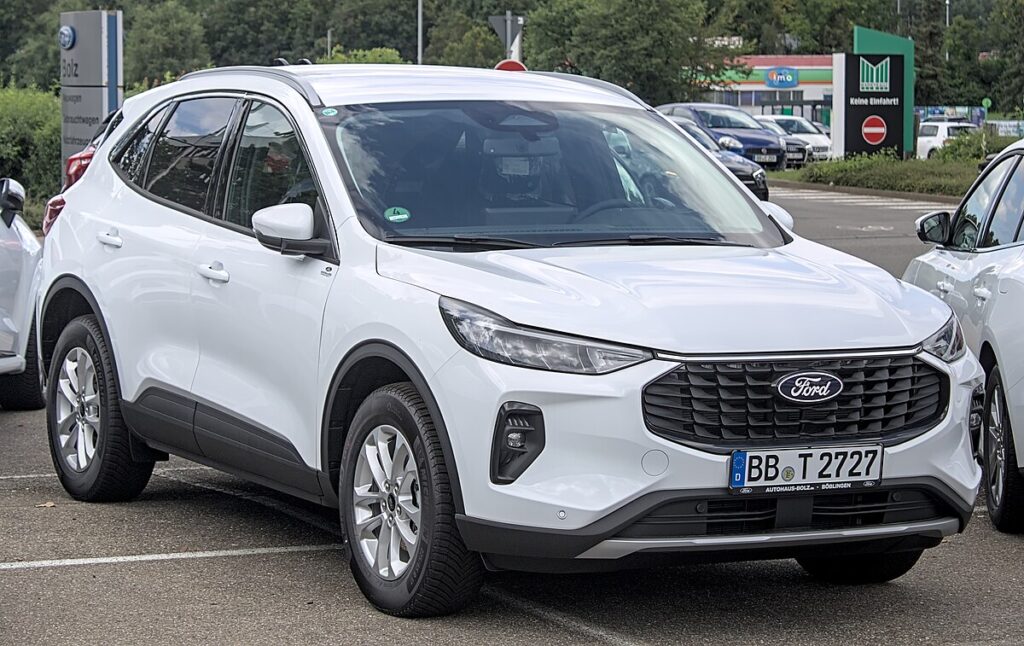
Replacing the battery on a Ford Kuga isn’t something any of us wake up excited to do—yet it’s one of those essential maintenance jobs that saves us headaches, warning lights, and unexpected breakdowns. And let’s be honest, nothing ruins a grocery-run vibe like turning the key and hearing… nothing. So today, we’re cutting through the noise and giving you the full, real-world, human-to-human guide on Ford Kuga battery replacement.
We’ll decode symptoms, battery types, tools, installation steps, costs, life-expectancy, coding requirements, common mistakes, and clever ownership tips—all written in a conversational way that makes a not-so-exciting topic actually enjoyable to read. Think of this as your friendly but highly-knowledgeable companion walking you through the process.
Content in this publication
- Why the Ford Kuga Battery Matters More Than We Think
- Signs Your Ford Kuga Battery Needs Replacement
- What Battery Does the Ford Kuga Use?
- Choosing the Right Battery Type
- Tools You Need for a Smooth Battery Replacement
- How to Replace the Ford Kuga Battery (Step-by-Step)
- Do You Need to Code/Reset the Battery on a Ford Kuga?
- Ford Kuga Battery Replacement Cost (Realistic Figures)
- How Long Do Ford Kuga Batteries Last?
- Why Stop/Start Fails When the Battery Weakens
- Common Mistakes When Replacing a Kuga Battery
- How to Extend the Life of Your Ford Kuga Battery
- Is DIY Replacement Worth It?
- Ford Kuga Hybrid & Mild-Hybrid Battery Notes
- Troubleshooting After a New Battery Installation
- Final Thoughts
- FAQs
Why the Ford Kuga Battery Matters More Than We Think
Every modern Kuga—from the early Mk1 models to the mild-hybrid EcoBlue variants—relies on a battery that does far more than just crank the engine. It powers intelligent charging, stop/start systems, sensors, modules, interior electronics, smart keys, and everything else that makes the car feel like a rolling piece of technology.
When the battery falls below its threshold, the Kuga reacts loudly—warning lights flash, stop/start is disabled, modules glitch, and accessories misbehave. In short, the battery is the heart of the Kuga’s electrical universe.
Signs Your Ford Kuga Battery Needs Replacement
We’ve all seen cars behave oddly… but the Ford Kuga takes drama to another level when the battery is dying. Here’s what we typically notice:
Dramatic Early Warnings
- Slow engine cranking
- Start/stop unavailable
- Radio rebooting randomly
- Dashboard brightness flickering
- "Low Battery" or "System off to save battery" messages
More Subtle Clues
- Hesitant central locking
- Dim headlights at idle
- Accessories powering off under load
- Parking sensors glitching
The “Yeah, It’s Definitely the Battery” Signs
- Complete no-start
- Clicking noise when turning the key
- Electronic parking brake errors
- Vehicle staying in accessory mode
If you’re seeing any combo of these, the battery is trying to tell you its best days are behind it.
What Battery Does the Ford Kuga Use?
While exact fitment depends on model year, engine, and whether the Kuga has stop/start, here’s the general pattern:
Kuga Mk1 (2008–2012)
Usually standard EFB or AGM depending on trims.
Kuga Mk2 (2013–2019)
Stop/start models require:
- AGM 70–80Ah
- Typical size: 096 / LN3
Non-stop/start variants may use:
- EFB batteries
Kuga Mk3 (2020–Present)
Modern engines, especially mild-hybrids, depend on:
- AGM or EFB high-performance batteries
- Some hybrids also use auxiliary 12V batteries
Choosing the Right Battery Type
Let’s break it down simply:
EFB (Enhanced Flooded Battery)
- Good for stop/start
- More affordable
- Solid durability
AGM (Absorbent Glass Mat)
- Required when the Kuga demands it
- Handles higher electrical loads
- Lasts longer
- Perfect for cold climates
Lithium (Rare but climbing in popularity)
- Lightweight
- Expensive
- Not typically used unless aftermarket-modified
Golden Rule:
👉 Never downgrade an AGM-equipped Kuga to an EFB
You’ll trigger faults, disable modules, and shorten battery life.
Tools You Need for a Smooth Battery Replacement
You don’t need a professional workshop—just the right essentials:
Required Tools
- 10mm and 13mm sockets
- Ratchet with extension
- Terminal puller (optional but useful)
- Protective gloves
- Memory saver (if you want to retain radio & window presets)
- Brush or sandpaper for cleaning terminals
Having these at hand makes the job not only faster but cleaner and safer.
How to Replace the Ford Kuga Battery (Step-by-Step)
Let’s walk through it like we’re standing together in your driveway.
Step 1: Prepare the Car
Turn off engine → remove key → pop bonnet.
Ensure no electrical components are running.
Step 2: Disconnect the Negatives
Remove the negative terminal first.
Think of it like defusing a bomb—always remove the risk of sparks.
Step 3: Disconnect the Positive Terminal
Once the negative is out, remove the positive safely.
Step 4: Remove the Battery Clamp
Using a 13mm socket, loosen the bracket securing the battery.
You may be interested in reading How to Clear “Engine Service Now” on a Ford Kuga: The Complete Expert Reset & Troubleshooting Guide
Step 5: Lift Out the Battery
Reminder:
Kuga batteries are heavy. Lift with legs, not your back.
Step 6: Clean the Tray & Terminals
A cleaner surface = healthier electrical connection.
Step 7: Install the New Battery
Place it gently → reconnect positive first → then negative.
Step 8: Secure It
Tighten the clamp so the battery won’t move under cornering.
Step 9: Initialize Systems
Some Kugas automatically reset.
Others require a “battery registration” or reset via OBD.
Do You Need to Code/Reset the Battery on a Ford Kuga?
Short answer: Yes, in many models.
Why?
The Ford Kuga uses an intelligent Battery Management System (BMS) that tracks:
- Battery age
- Charge cycles
- Condition
- Temperature
Installing a new battery without a reset can confuse the system, leading to:
- Incorrect charging
- Disabled stop/start
- Dashboard errors
- Reduced battery lifespan
How to Reset
You can use:
- FORScan
- OBD tools like Autel or Launch
- Some garages (low cost)
It takes two minutes but makes a massive difference.
Ford Kuga Battery Replacement Cost (Realistic Figures)
Battery Price Range
- EFB: £110–£150
- AGM: £140–£200
- Hybrid auxiliary: £90–£150
Labour Cost
- Independent shop: £20–£45
- Ford dealership: £60–£120
Total Cost Estimate
- DIY: £120–£200
- Professional: £180–£320
Not bad for something that prevents 101 electronic nightmares.
How Long Do Ford Kuga Batteries Last?
We’ve seen enough Kugas to give an honest estimate:
Standard Life Expectancy
- EFB: 3–5 years
- AGM: 4–7 years
- Mild-hybrid batteries: 4–6 years
Factors That Kill Batteries Faster
- Short trips
- Cold climates
- Stop/start overuse
- Leaving accessories on
- Dirty terminals
Signs Yours Is Aging Early
- Stop/start fails daily
- Voltage below 12.4V
- Random module resets
Why Stop/Start Fails When the Battery Weakens
The Kuga intentionally shuts off stop/start when:
- Voltage is low
- Battery temperature is too cold/hot
- Energy demand is high
It’s a protection mechanism—not a fault.
Once you install a fresh battery and reset BMS, it usually returns instantly.
Common Mistakes When Replacing a Kuga Battery
We’ve all been there, but let’s avoid the big ones:
Mistake #1: Connecting terminals in the wrong order
Always positive first when fitting back in.
Mistake #2: Forgetting the BMS reset
Hundreds of Kuga owners get stuck here.
Mistake #3: Installing the wrong battery type
AGM → AGM
EFB → EFB or AGM
Never reverse the hierarchy.
Mistake #4: Losing radio or window calibration
A memory saver can prevent this.
You may be interested in readingHow to Clear “Engine Service Now” on a Ford Kuga: The Complete Expert Reset & Troubleshooting GuideYou may be interested in reading
 Ford Kuga TPMS Reset: The Definitive Step-By-Step Guide to Clear the Tire Pressure Light
Mistake #5: Not tightening the clamp
A loose battery = electrical chaos.
How to Extend the Life of Your Ford Kuga Battery
Think of battery care like brushing teeth—it’s small habits, not big efforts:
Do This Regularly
- Drive longer trips weekly
- Avoid idling for long periods
- Keep terminals clean
- Turn off headlights manually
- Let the alternator work by avoiding heavy accessory loads at startup
Avoid These
- Repeated short hops
- Leaving phone chargers permanently plugged in
- Using heated seats before the engine stabilizes
Is DIY Replacement Worth It?
Absolutely—especially if you:
- Enjoy saving money
- Want to install premium batteries at your own price
- Prefer hands-on maintenance
- Already have basic tools
However, if the idea of removing a battery feels like performing surgery, a quick trip to a garage is still inexpensive and stress-free.
Ford Kuga Hybrid & Mild-Hybrid Battery Notes
Hybrid Kugas have two batteries:
- High-voltage battery (not DIY-replaceable)
- 12V auxiliary battery (same as a regular car)
This 12V auxiliary battery is the one that fails and causes:
- No-start
- Warning messages
- Locking issues
Good news?
It replaces just like a normal battery.
Just be mindful of sensor connectors around the tray.
Troubleshooting After a New Battery Installation
Sometimes the Kuga throws tantrums post-replacement. Here’s what to do:
If stop/start doesn’t work
Drive 20–40 minutes → BMS recalibrates.
If windows won’t auto-close
Perform window reset (hold switch down 3s → up 3s).
If warnings persist
Perform a BMS reset via OBD.
If central locking is slow
Low voltage from installation? Check terminals.
If radio loses presets
Memory saver prevents this next time.
Final Thoughts
A Ford Kuga battery replacement isn’t just a maintenance task—it’s an opportunity to breathe new life into your car. By choosing the right battery, installing it confidently, resetting the BMS, and adopting good battery habits, we collectively ensure our Kuga performs at its very best.
The moment you hear that strong, confident crank again… you’ll know it was worth every minute.
FAQs
1. Does the Ford Kuga need an AGM battery?
If your Kuga has stop/start or high electrical demand, then yes—AGM is required.
2. How long does a Kuga battery last?
Most last between 3 and 7 years depending on type and usage.
3. What happens if I don’t reset the BMS?
Charging becomes inaccurate, stop/start may fail, and battery life shortens.
4. Can I replace the battery myself?
Yes, with basic tools and by following the steps outlined here.
5. Why does my Kuga show “System Off to Save Battery”?
Your battery voltage is low. Replacement or recharge is usually required.
You may be interested in readingHow to Clear “Engine Service Now” on a Ford Kuga: The Complete Expert Reset & Troubleshooting GuideYou may be interested in reading
Ford Kuga TPMS Reset: The Definitive Step-By-Step Guide to Clear the Tire Pressure LightYou may be interested in reading
 Ford Kuga Dashboard Warning Lights: The Complete Guide (2008–2023)
If you want to know other articles similar to Ford Kuga Battery Replacement: The Complete Practical Guide We All Wish We Had Earlier you can visit the category Service and Parts.
How to Reset Volvo XC60 Infotainment System: The Complete Practical Guide
Volvo XC60 Gearbox Oil Change: The Complete Expert Guide
Volvo XC60 Engine Management Light: Causes, Fixes, and What It Really Means
Skoda Kamiq Size Comparison: Dimensions, Space & Real-World Practicality
Volvo XC60 Headlight Adjustment for Europe: The Complete Practical Guide
Volvo XC60 City Safety Service Required: What It Means, Causes, and Fixes
Leave a Reply
More content of your interest