

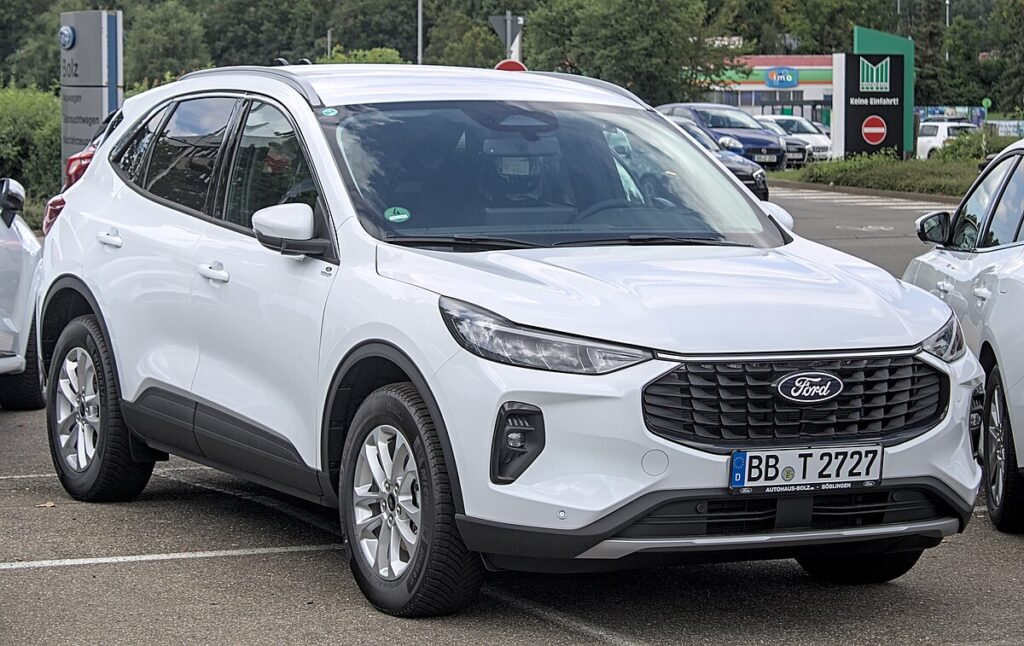
Ford Kuga Handbrake Adjustment

Content in this publication
- Understanding the Ford Kuga Handbrake System
- Why the Handbrake Loses Tension Over Time
- Mechanical vs Electronic Handbrake in the Kuga
- Signs Your Kuga Needs a Handbrake Adjustment
- Safety Considerations Before Adjusting Anything
- Tools You May Need for Mechanical Adjustments
- Ford Kuga Mechanical Handbrake: Adjustment Guide
- Step 1: Check Cable Condition
- Step 2: Inspect Rear Brakes
- Step 3: Locate the Handbrake Adjuster
- Step 4: Test Engagement and Rolling Resistance
- Ford Kuga Electronic Parking Brake (EPB): Adjustment Guide
- Step 1: Diagnose the Issue
- Step 2: Put EPB into Service Mode
- Step 3: Reset the Caliper Self-Adjuster
- Step 4: Perform Final Recalibration
- Common Errors That Lead to Poor Handbrake Performance
- When to Replace Instead of Adjust
- Professional Adjustment: What to Expect
- How Often Should You Adjust the Handbrake?
- Maintaining Your Handbrake After Adjustment
- Conclusion
- FAQs
Understanding the Ford Kuga Handbrake System
The Ford Kuga’s handbrake system, whether mechanical or electronic depending on model year, plays a vital role in everyday driving. We rely on it more often than we realise — from simple hill starts to securing the car safely on steep driveways. When it begins to feel loose, pulls too high, or stops holding the car firmly, it’s easy to feel like the system is slowly “letting go.” That’s exactly when a proper handbrake adjustment becomes essential.
In this guide, we unpack the full process, symptoms, causes, and safety checks in a friendly, down-to-earth way. Think of this as the calm, knowledgeable friend who sits with you in the garage and explains the job step by step.
Why the Handbrake Loses Tension Over Time
Every mechanical system wears down, and the Kuga is no exception. Handbrake cables stretch. Brake shoes settle. Rear disc mechanisms get dusty and lazy. Even electronic parking brakes (EPB) need recalibration every so often.
Typical Causes of Handbrake Slack
- Gradual cable stretch
- Worn brake pads or brake shoes
- Rear caliper self-adjusters not resetting
- Corrosion in the cable sheath
- Poorly adjusted parking brake mechanism after servicing
- Electronic brake motor needing recalibration
We’ve seen Kugas with under 40,000 miles already showing noticeable slack, especially when mostly driven in hilly areas where the handbrake gets extra workout.
Mechanical vs Electronic Handbrake in the Kuga
Depending on your model year, your Ford Kuga will have either a traditional lever-style mechanical handbrake or an electronic parking brake (EPB).
Mechanical Handbrake
This uses a manual lever connected to steel cables pulling the rear brakes.
Electronic Parking Brake (EPB)
This uses electric motors on the calipers and requires software or a diagnostic tool for adjustment.
In this full guide, we cover both systems, because “handbrake adjustment” means two very different things depending on which one you own.
Signs Your Kuga Needs a Handbrake Adjustment
If you’re wondering whether your Ford Kuga needs a handbrake adjustment, chances are you’ve already spotted one or more symptoms.
Most Common Warning Signs
- The lever pulls up higher than usual
- The car rolls slightly when parked
- Handbrake warning light flickers
- Car needs more force to stop rolling
- Electronic parking brake feels weak
- “Park Brake Limited Function” message
Think of these symptoms like your Kuga whispering, “Hey… something’s not quite right back here.”
Safety Considerations Before Adjusting Anything
Adjusting a handbrake sounds simple, but because it directly affects your vehicle’s braking system, small mistakes can have big consequences.
What You Should Always Do
- Park on level ground
- Use wheel chocks
- Wear gloves
- Allow brakes to cool
- If unsure — call a mechanic
Working on brakes is like cooking with a sharp knife: one wrong move won’t fix the dinner.
Tools You May Need for Mechanical Adjustments
Before jumping into the nuts and bolts, gather the essentials.
Basic Toolkit
- Wheel chocks
- Jack and axle stands
- Flathead screwdriver
- 10mm and 13mm sockets
- Torque wrench
- Brake cleaner
- Copper grease
- Work light
Having the correct setup makes the whole process feel smoother — like tightening a guitar string instead of fighting a rusty bolt.
Ford Kuga Mechanical Handbrake: Adjustment Guide
The mechanical system is easier to adjust, but it still requires a methodical approach.
Step 1: Check Cable Condition
Start by inspecting the handbrake cables under the vehicle.
You may be interested in reading Ford Kuga Wet Belt Replacement Cost
Look for
- Frayed strands
- Cracks in the rubber sheath
- Rusty adjuster threads
If the cables look tired, replacing them is always better than simply tightening the adjuster.
Step 2: Inspect Rear Brakes
Good handbrake tension depends on solid brake condition.
Check for
- Worn pads
- Uneven wear
- Sticky caliper sliders
- Weak self-adjusting mechanism
A stretched cable can feel like the issue, but 60% of the time it’s actually the brakes causing the slack.
Step 3: Locate the Handbrake Adjuster
On the Kuga, the adjuster is typically under the rear console or within the handbrake lever assembly.
Adjustment Process
- Remove the rubber gaiter or trim cover
- Locate the 10mm adjustment nut
- Turn clockwise to tighten
- Ensure 6–8 clicks for full engagement
- Make sure wheels spin freely when released
Think of this like tuning a violin — tighten too much, and things will screech.
Step 4: Test Engagement and Rolling Resistance
Once adjusted, test the handbrake with moderate force.
Checks to Perform
- Car shouldn’t roll downhill
- Lever shouldn’t pull too high
- No wheel drag when disengaged
- No uneven pulling
At this point, your Kuga should feel tighter and more responsive.
Ford Kuga Electronic Parking Brake (EPB): Adjustment Guide
Ford’s EPB handles adjustments automatically, but sometimes it needs encouragement — or a proper reset.
Step 1: Diagnose the Issue
If your electronic brake isn’t biting properly, consider the following:
- Low brake pad thickness
- Faulty EPB motor
- Software glitch
- Rear caliper self-adjuster stuck
EPB issues often masquerade as mechanical problems.
Step 2: Put EPB into Service Mode
Most Kuga models require this sequence:
- Turn ignition on
- Press accelerator
- Pull EPB switch
- Wait for motor to retract
(Some models require a diagnostic tool like FORScan.)
Step 3: Reset the Caliper Self-Adjuster
This step ensures the internal mechanism resets to the correct tension.
Procedure
- Remove caliper
- Compress piston fully
- Refit pads
- Reactivate EPB
When done right, the brake motor calibrates itself upon activation.
Step 4: Perform Final Recalibration
Once the EPB is back online:
- Hold brake pedal
- Activate EPB fully
- Release
- Repeat 2–3 times
This helps the system relearn the correct clamping force — think of it like rebooting your Wi-Fi router.
You may be interested in readingFord Kuga Wet Belt Replacement CostYou may be interested in reading
 Ford Kuga Gearbox Oil Change
Common Errors That Lead to Poor Handbrake Performance
Even experienced DIYers sometimes miss simple steps. Here are the pitfalls we see most often.
Frequent Mistakes
- Tightening the cable without checking brakes
- Adjusting only one side
- Ignoring rear caliper condition
- Forgetting to lubricate pivot points
- Over-tightening, causing brake drag
- Not recalibrating EPB after pad changes
Avoiding these mistakes keeps your Kuga’s handbrake functioning like new.
When to Replace Instead of Adjust
Sometimes the best “adjustment” is a replacement.
Replace If You Notice
- Cable fraying
- Significant corrosion
- Seized adjusters
- Caliper failure
- Repeated slack appearing
If you feel like you’re constantly adjusting, the system is telling you it’s overdue for new parts.
Professional Adjustment: What to Expect
Not everyone wants to dive under their car — and that’s perfectly fine.
Typical Garage Procedure
- Full rear brake inspection
- Caliper service
- Cable lubrication
- Mechanical or EPB adjustment
- Road test and safety certification
Cost varies, but most independent garages charge modestly for a handbrake adjustment, especially if no parts are needed.
How Often Should You Adjust the Handbrake?
There’s no strict interval, but experience tells us:
Recommended Frequency
- Every 12–24 months
- OR whenever pads/discs are replaced
- OR whenever symptoms appear
Good maintenance prevents future headaches.
Maintaining Your Handbrake After Adjustment
A fresh adjustment isn’t the end — it’s the beginning of keeping the system healthy.
Maintenance Tips
- Use the handbrake weekly (EPB too)
- Avoid applying it when brakes are scorching hot
- Keep rear brakes clean
- Listen for unusual clicking noises
Think of it like maintaining a good habit — little efforts pay off.
Conclusion
Adjusting the Ford Kuga handbrake doesn’t need to feel intimidating. Whether you’re dealing with the classic mechanical lever or the modern EPB setup, understanding how the system works gives you control — literally and figuratively. With the right approach, clear steps, and a bit of patience, you can restore that solid, confident handbrake feel that keeps your Kuga safe and steady wherever the road takes you.
FAQs
1. How many clicks should a Ford Kuga handbrake have?
Ideally 6–8 clicks for a mechanical system when properly adjusted.
2. Can I adjust the Kuga EPB without tools?
Some models allow a manual service-mode reset, but many require a diagnostic tool.
3. Why does my handbrake feel weak after new pads?
The rear caliper’s self-adjuster often needs recalibration after pad replacement.
4. Is a loose handbrake dangerous?
Yes — it can reduce parking stability and compromise hill starts.
5. Do handbrake cables stretch naturally?
Yes, especially with age, cold weather, and frequent use.
You may be interested in readingFord Kuga Wet Belt Replacement CostYou may be interested in reading
Ford Kuga Gearbox Oil ChangeYou may be interested in reading
 Ford Kuga Gearbox Oil Capacity: The Complete, No-Nonsense Guide
If you want to know other articles similar to Ford Kuga Handbrake Adjustment you can visit the category Service and Parts.
How to Reset Volvo XC60 Infotainment System: The Complete Practical Guide
Volvo XC60 Gearbox Oil Change: The Complete Expert Guide
Volvo XC60 Engine Management Light: Causes, Fixes, and What It Really Means
Skoda Kamiq Size Comparison: Dimensions, Space & Real-World Practicality
Volvo XC60 Headlight Adjustment for Europe: The Complete Practical Guide
Volvo XC60 City Safety Service Required: What It Means, Causes, and Fixes
Leave a Reply
More content of your interest