
Ford Kuga Towing Capacity: The Complete, Real-World Guide

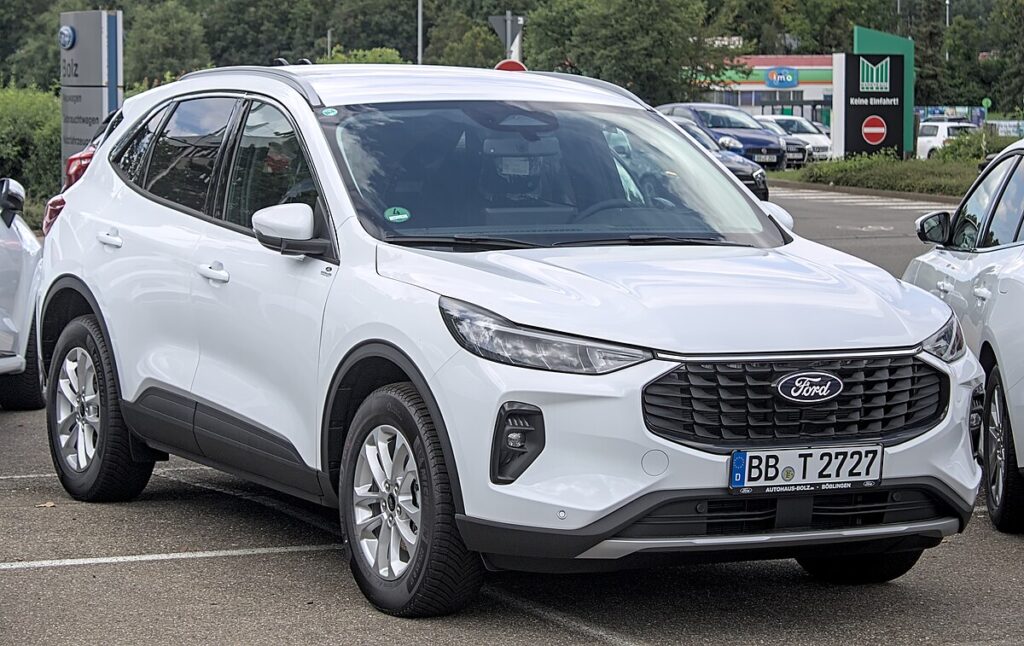
When we talk about practical family SUVs that punch far above their weight, the Ford Kuga always finds a way to slip into the conversation. And one question keeps popping up over and over again: What is the Ford Kuga’s towing capacity? Whether we’re planning a weekend caravan escape, hauling bike trailers, moving equipment, or simply curious about real-world capability, towing power matters. It separates a “nice-to-have SUV” from a “bring-anything-you-need” companion.
In this comprehensive guide, we dive deep into the Ford Kuga’s towing capacity across engines, trims, generations, and hybrid options. We break down braked and unbraked limits, nose weight, torque characteristics, trailer stability systems, real-world towing impressions, safety considerations, and how the Kuga stacks up against rivals. By the end, we’ll understand not just the numbers but how the Kuga feels when towing — the confidence, the limitations, the sweet spots, and the surprising strengths.
Content in this publication
- Why The Ford Kuga Has Become A Go-To Towing SUV
- Ford Kuga Towing Capacity Summary (Quick Reference)
- Braked vs Unbraked: What Drivers Must Know
- The First-Generation Ford Kuga (2008–2012) Towing Capacity
- The Second-Generation Ford Kuga (2013–2019) Towing Capacity
- The Third-Generation Ford Kuga (2020–Present) Towing Capacity
- Nose Weight Limits: Often Overlooked But Essential
- Real-World Driving: How The Kuga Handles Towing
- Trailer Sway Control and Towing Tech
- Engine-by-Engine Towing Breakdown
- Caravan Compatibility: Which Loads The Kuga Handles Best?
- Ford Kuga vs Rivals: Towing Comparison
- Fuel Consumption While Towing
- Best Ford Kuga Models For Towing (Ranked)
- Safety Tips Every Kuga Owner Should Follow
- Should You Buy A Ford Kuga For Towing?
- Final Thoughts
- FAQs
Why The Ford Kuga Has Become A Go-To Towing SUV
There’s something about the Kuga’s balance: it isn’t huge, but it isn’t small either. It isn’t underpowered, yet it isn’t thirsty. It sits right in that Goldilocks zone of practicality, making it an appealing tow vehicle for families, hobbyists, and casual caravaners.
We appreciate that Ford has put real engineering muscle behind the Kuga’s towing dynamics:
- Solid torque from EcoBoost and EcoBlue engines
- Trailer Sway Control as standard
- Options for tow packs with upgraded cooling
- Hybrid variants tuned for balanced weight distribution
- A chassis that stays composed under load
From the very first generation to the latest plug-in hybrid, Ford has kept towing at the top of the design list.
Ford Kuga Towing Capacity Summary (Quick Reference)
To set the stage, here’s the simple truth upfront:
Ford Kuga towing capacity ranges from 1,200 kg to 2,100 kg braked depending on engine and generation.
And unbraked capacity is consistently 750 kg across the lineup.
We’ll break down every variant further in the detailed sections below.
Braked vs Unbraked: What Drivers Must Know
Before we dive into engine-by-engine capability, let’s pause and define the fundamentals.
Braked Towing Capacity
This refers to the maximum trailer weight when the trailer has its own braking system. Almost all caravans and larger trailers fall into this category.
Unbraked Towing Capacity
This covers lighter trailers without brakes — typically garden trailers, small utility trailers, and lightweight cargo setups.
For the Ford Kuga, this is 750 kg regardless of engine.
The First-Generation Ford Kuga (2008–2012) Towing Capacity
The original Kuga hit the market with a surprisingly sporty attitude. It wasn’t just another “soft-roader”; it was tight, responsive, and capable.
Petrol Engines
Most petrol variants in this generation deliver:
- 1,200–1,500 kg braked towing capacity
- 750 kg unbraked
These petrol Kugas were torquey enough for medium trailers but not ideal for heavy caravans.
Diesel Engines
Where the Kuga really shined:
- 1,600–2,000 kg braked
- 750 kg unbraked
The 2.0 TDCi remains one of the most respected tow-friendly engines in the early lineup.
The Second-Generation Ford Kuga (2013–2019) Towing Capacity
This generation expanded the engine range and refined comfort without sacrificing pulling power.
You may be interested in reading Ford Kuga Boot Size: The Complete, No-Nonsense Space Guide
EcoBoost Petrol Engines
- 1.5 EcoBoost: 1,500–1,800 kg
- 2.0 EcoBoost: Around 2,000 kg
The 1.5 EcoBoost is the most common model and handles mid-range towing nicely, though with heavier loads you’ll feel the revs rising on inclines.
TDCi Diesel Engines
The diesel story gets even better here:
- 1.5 TDCi: 1,500 kg
- 2.0 TDCi: Up to 2,100 kg depending on power output and AWD
If we want maximum muscle, this generation’s 2.0 TDCi AWD is a standout performer.
The Third-Generation Ford Kuga (2020–Present) Towing Capacity
This is where things get interesting because Ford expanded the hybrid options dramatically.
1.5 EcoBoost Petrol
- Up to 1,500 kg braked
- Great for light/medium towing
- Smooth power delivery, but not ideal for steep or long gradients under heavy load
2.0 EcoBlue Diesel
This is the true workhorse of the modern Kuga lineup.
- 1,800–2,100 kg braked
- Strong torque curve from low RPM
- Excellent fuel efficiency under load
- Best option for regular caravanners
Full Hybrid (FHEV)
The Kuga Hybrid combines an electric motor with a 2.5-litre engine.
- 1,600–1,650 kg braked
- Strong low-end response
- Very stable because of battery weight distribution
- Not as capable as diesel for high-intensity towing
Plug-In Hybrid (PHEV)
This is the variant most people ask about.
- 1,200–1,500 kg braked depending on year
- Electric-only mode is not intended for towing
- Ideal for light trailers and smaller campers
- Not recommended for larger caravans
Nose Weight Limits: Often Overlooked But Essential
A strong tow vehicle can still struggle if the nose weight balance is incorrect.
Typical Ford Kuga nose weight limits are:
- 75 kg for most petrol and diesel engines
- 90 kg for some AWD and diesel variants
- 75–80 kg for hybrid models
Always check the VIN plate and manual — nose weight mismanagement is one of the most common causes of trailer sway.
Real-World Driving: How The Kuga Handles Towing
It’s one thing to list numbers; it’s another to feel what the Kuga does when a caravan is hooked up.
Stability
The Kuga stays impressively stable even at higher motorway speeds (within legal limits). The aerodynamic design and low centre of gravity help reduce buffeting from crosswinds.
Confidence On Inclines
Diesel variants eat hills for breakfast. Petrols manage well, but require more revving.
Braking Feel
Because Ford tunes pedal response carefully, even when fully loaded, braking stays progressive without feeling spongy.
Torque Delivery
The EcoBlue diesels deliver towing-friendly torque at low revs. Petrols and hybrids need higher RPMs to achieve the same effect.
Trailer Sway Control and Towing Tech
Ford has packed the Kuga with features that boost towing safety:
- Trailer Sway Control (braking individual wheels when sway is detected)
- Hill Start Assist
- Enhanced Cooling Packs available on certain trims
- AWD Stability Logic for diesel models
- Rear camera lines for hitch alignment
This isn’t just marketing — these features genuinely make the Kuga easier to tow with.
Engine-by-Engine Towing Breakdown
Below is a structured list of the most common Kuga engines and their typical braked towing limits:
You may be interested in readingFord Kuga Boot Size: The Complete, No-Nonsense Space GuideYou may be interested in reading
 Ford Kuga Battery Replacement: The Complete Practical Guide We All Wish We Had Earlier
EcoBoost Family
- 1.5 EcoBoost: 1,500–1,800 kg
- 2.0 EcoBoost: Around 2,000 kg
EcoBlue Diesel
- 1.5 EcoBlue: 1,500–1,600 kg
- 2.0 EcoBlue: 1,800–2,100 kg
Hybrids
- Full Hybrid: 1,600–1,650 kg
- Plug-In Hybrid: 1,200–1,500 kg
Universal
- Unbraked: 750 kg
Caravan Compatibility: Which Loads The Kuga Handles Best?
The Ford Kuga pairs well with:
- Medium caravans (1,300–1,600 kg)
- Folding campers
- Jet ski trailers
- Small boats
- Motorcycle or quad trailers
- DIY utility trailers
- Lightweight box trailers
For large caravans above 1,700 kg, only the 2.0 EcoBlue diesels are suitable.
Ford Kuga vs Rivals: Towing Comparison
How does the Kuga stack up against other SUVs in the same price class?
Against the Nissan Qashqai
- Qashqai max towing: ~1,500 kg
- Kuga diesel easily surpasses it
- Better torque delivery
- More stable under load
Against the Hyundai Tucson
- Tucson max: 1,600–1,900 kg depending on engine
- Kuga is comparable, slightly better in diesel form
Against the VW Tiguan
- Tiguan max: up to 2,500 kg
- Tiguan leads in heavy-duty towing
- Kuga is value-for-money with strong midrange towing
The Kuga may not out-muscle premium alternatives, but it nails the sweet spot between affordability, comfort, and capability.
Fuel Consumption While Towing
Let’s be honest — no SUV maintains brochure MPG when it’s hauling a caravan.
Typical real-world results:
- 1.5 EcoBoost: Expect 18–25 mpg while towing
- 2.0 EcoBlue Diesel: 30–38 mpg (excellent performance)
- FHEV: 26–32 mpg
- PHEV: 25–30 mpg (with depleted battery)
Diesel wins easily here, especially on long-distance towing.
Best Ford Kuga Models For Towing (Ranked)
Here’s our practical ranking:
- 2.0 EcoBlue Diesel AWD — The king for heavy towing
- 2.0 TDCi (previous generation) — Proven reliability and power
- 1.5 EcoBoost — Best for budget-friendly light towing
- Full Hybrid — Balanced performance for casual towing
- Plug-In Hybrid — Good for small trailers only
Safety Tips Every Kuga Owner Should Follow
To keep things smooth and stable:
- Keep nose weight within limits
- Load the trailer with heavier items low and centered
- Avoid towing in EV-only mode (hybrids)
- Check tire pressures before every trip
- Stay below 60 mph (UK towing law)
- Use extended mirrors with caravans
- Practise reversing before long journeys
Should You Buy A Ford Kuga For Towing?
If we need a compact SUV that confidently handles loads up to 2,100 kg, the Ford Kuga is absolutely worth considering. It offers:
- Strong engines
- Excellent stability
- Solid fuel economy (especially diesel)
- Plenty of modern tech
- A comfortable cabin for long trips
Unless you’re regularly pulling a heavy 2,500 kg caravan, the Kuga is more than enough for most lifestyles.
Final Thoughts
The Ford Kuga sits at a crossroads of comfort, capability, and value. It’s not the biggest tower on the road, nor is it pretending to be a pickup truck. But it does something more useful: it slots perfectly into the real world. It tows what most families genuinely need, it stays composed under pressure, and it does all of this without demanding huge fuel bills.
Whether we’re planning summer caravan holidays, hauling gear, or simply wanting flexibility, the Kuga proves again and again that capability comes in many shapes — and sometimes that shape is a sleek, modern SUV with serious pulling power.
FAQs
1. What is the maximum towing capacity of the Ford Kuga?
Up to 2,100 kg braked on diesel AWD models.
2. Can the Ford Kuga Hybrid tow a caravan?
Yes — typically 1,600–1,650 kg, ideal for mid-size caravans.
3. Is the Ford Kuga Plug-In Hybrid good for towing?
It tows 1,200–1,500 kg, suitable for lighter trailers but not heavy caravans.
4. What is the Ford Kuga’s unbraked towing limit?
Consistently 750 kg across all engines and generations.
5. Which Ford Kuga engine is best for towing?
The 2.0 EcoBlue Diesel AWD is the top choice for serious towing needs.
You may be interested in readingFord Kuga Boot Size: The Complete, No-Nonsense Space GuideYou may be interested in reading
Ford Kuga Battery Replacement: The Complete Practical Guide We All Wish We Had EarlierYou may be interested in reading
 How to Clear “Engine Service Now” on a Ford Kuga: The Complete Expert Reset & Troubleshooting Guide
If you want to know other articles similar to Ford Kuga Towing Capacity: The Complete, Real-World Guide you can visit the category Service and Parts.
How to Reset Volvo XC60 Infotainment System: The Complete Practical Guide
Volvo XC60 Gearbox Oil Change: The Complete Expert Guide
Volvo XC60 Engine Management Light: Causes, Fixes, and What It Really Means
Skoda Kamiq Size Comparison: Dimensions, Space & Real-World Practicality
Volvo XC60 Headlight Adjustment for Europe: The Complete Practical Guide
Volvo XC60 City Safety Service Required: What It Means, Causes, and Fixes
Leave a Reply
More content of your interest