

Ford Kuga Wet Belt Replacement Cost

Content in this publication
- Understanding the Ford Kuga’s Wet Belt System
- What Exactly Is a Wet Belt?
- Why the Ford Kuga Wet Belt Causes Issues
- Ford Kuga Wet Belt Replacement Cost (Full Breakdown)
- Detailed Cost Components
- The Engines Affected Most
- Wet Belt Replacement Intervals for the Ford Kuga
- Symptoms of a Failing Wet Belt
- Can You Drive with a Bad Wet Belt?
- Why the Wet Belt Replacement Is So Labour-Intensive
- How to Reduce the Ford Kuga Wet Belt Replacement Cost
- Is the Wet Belt Replacement Worth It?
- Should You Replace the Oil Pump Too?
- DIY Ford Kuga Wet Belt Replacement—Is It Possible?
- Is There an Updated Wet Belt from Ford?
- Is the Ford Kuga Wet Belt a Design Flaw?
- Final Thoughts: The True Cost of Wet Belt Neglect
- FAQs
Understanding the Ford Kuga’s Wet Belt System
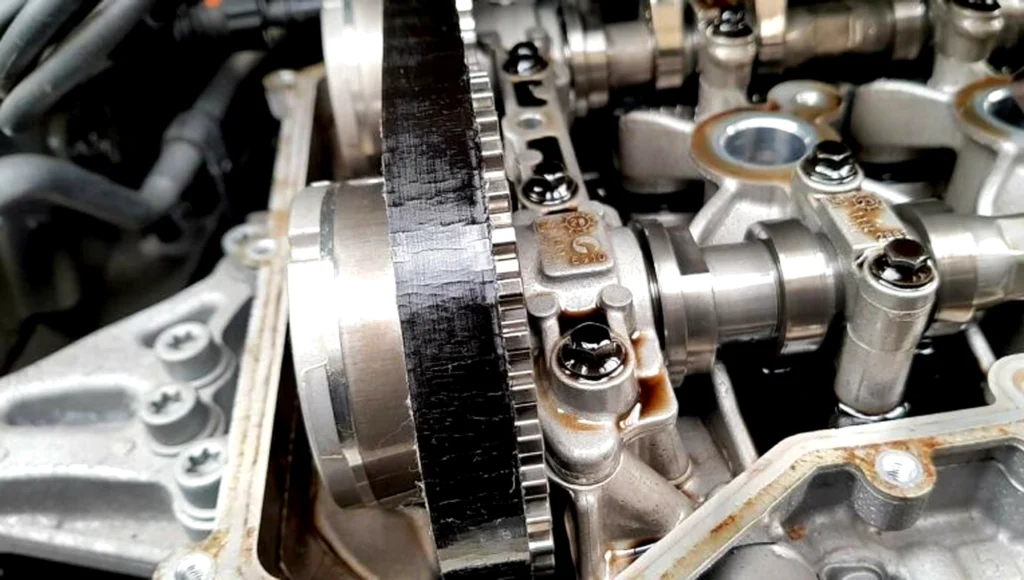
When we dive into the Ford Kuga’s engine architecture—particularly the EcoBoost variants—we stumble upon something clever, delicate, and occasionally troublesome: the wet timing belt. Unlike traditional belts that run dry, the wet belt sits inside the engine, lubricated in oil. It’s designed for quiet operation, reduced friction, and long service life. But when it wears prematurely? The repair bills can sting harder than a wasp hidden in your sleeve.
In this guide, we unpack everything you need to know about the Ford Kuga wet belt replacement cost, why these belts fail, what symptoms to watch for, and how to prevent a catastrophic engine failure. Think of it as sitting with a trusted friend who also happens to know the inside of your Ford Kuga like the back of their hand.
What Exactly Is a Wet Belt?
A wet timing belt—also called a belt-in-oil—is a reinforced composite belt that runs inside the engine, bathed in engine oil. Ford embraced the setup to improve efficiency and reduce noise. But the trade-off? Sensitivity. Oil quality becomes the belt’s lifeline.
Key Features of the Wet Belt
- Operates internally, submerged in oil
- Reduces noise and vibration
- Designed for long service intervals
- Cheap to manufacture, expensive to replace
- Highly sensitive to oil degradation
Why the Ford Kuga Wet Belt Causes Issues
If you’ve owned your Kuga long enough, you’ve likely heard the whispers: wet belts that degrade early, engines that become oil-starved, and repair bills that escalate faster than a turbo spooling uphill.
The Primary Culprits
- Oil Contamination: Low-quality oil or long service intervals accelerate belt wear.
- Heat Stress: Turbocharged engines run hot, cooking the belt over time.
- Fragmenting Belt Material: As the belt degrades, debris circulates through the oil system.
- Blocked Oil Pickups: Belt fragments collect and restrict oil flow, often causing engine failure.
This is why wet belt maintenance isn’t “optional”—it’s insurance.
Ford Kuga Wet Belt Replacement Cost (Full Breakdown)
Let’s talk numbers—because this is the section everyone scrolls to first.
Replacing a wet belt in a Ford Kuga isn’t your typical maintenance job. Unlike a simple serpentine belt that slips off with a wrench and a bit of muttering, the wet belt requires deep engine disassembly. That’s why costs vary significantly.
Average Ford Kuga Wet Belt Replacement Cost
Below is a realistic and widely reported price range in the UK and EU markets:
| Region | Typical Cost Range |
|---|---|
| UK | £1,000 – £2,200 |
| Ireland | €1,300 – €2,600 |
| Europe (general) | €1,100 – €2,300 |
Why the Range Is So Big
- Labour hours: 6–12 hours depending on engine
- Complexity: turbo engines require more disassembly
- Required extras: oil, filters, tensioners, pulleys
- Garage type: independent vs dealership
You’re not just paying for “a belt”—you’re paying for precision surgery.
Detailed Cost Components
Let’s break the total cost into bite-sized parts so nothing feels mysterious.
1. Parts Cost
- Wet belt kit: £150 – £350
- New oil pump (sometimes necessary): £150 – £300
- Gaskets & seals: £20 – £70
- Fresh oil & filter: £50 – £120
2. Labour Cost
Depending on the workshop:
- Independent garage: £60–£100 per hour
- Main dealer: £120–£180 per hour
Total labour time: 6–12 hours, depending on engine variant and condition.
3. Optional/Recommended Extras
- Coolant flush
- New water pump
- Additional pulleys
- Updated belt design (if available)
These extras may add another £100–£250, but they’re smart investments that reduce future headaches.
The Engines Affected Most
Not all Kugas suffer equally. The models most commonly affected are:
Ford Kuga 1.0 EcoBoost (Wet Belt Engine)
These engines are notorious for early wet belt wear due to high operating temperatures and small oil capacity.
Ford Kuga 1.5 EcoBoost
More robust than the 1.0, but still uses a wet belt system that requires care.
Diesel Engines?
Good news—Kuga TDCi diesels use timing chains, not wet belts.
Wet Belt Replacement Intervals for the Ford Kuga
Ford originally promoted intervals around 150,000 miles / 10 years, but real-world experience painted a very different picture.
You may be interested in reading Ford Kuga Gearbox Oil Change
Recommended Realistic Interval
- Every 90,000 miles or 8 years
- Earlier if oil changes have been neglected
If your Kuga has poor service history, think 70,000–80,000 miles as the safer range.
Symptoms of a Failing Wet Belt
A wet belt rarely fails quietly—it begs for attention like a hungry cat.
Warning Signs You Should Never Ignore
- Whining or humming noises from the engine
- Hard starting or rough idle
- Loss of power
- Engine misfires
- Low oil pressure warnings
- Metallic debris found during oil change
- Oil starvation symptoms
Visual Signs (if the belt is inspected)
- Cracks
- Fraying
- Belt surface glazing
- Rubber breaking down into sludge
Can You Drive with a Bad Wet Belt?
Technically yes.
Practically? Absolutely not.
Driving with a failing wet belt is like running across a highway blindfolded: you might make it, but the outcome isn’t pretty.
A snapping wet belt can:
- Destroy your engine
- Block oil pickup
- Warp camshafts
- Cause complete engine seizure
Repair cost after catastrophic failure?
£3,000 – £6,000 or even a full engine replacement.
Why the Wet Belt Replacement Is So Labour-Intensive
When you’re quoted £1,800, you might wonder: “Why so much?”
Wet belt replacement involves:
- Removing the timing cover
- Draining oil
- Cleaning oil pickup
- Inspecting oil pump
- Replacing belt tensioners
- Re-timing the engine precisely
- Reassembling the entire front end
One slip in timing, and the engine becomes a very expensive paperweight.
How to Reduce the Ford Kuga Wet Belt Replacement Cost
Here’s where smart ownership pays off.
1. Use High-Quality Oil
Stick to Ford-approved 5W30 fully synthetic oil.
2. Shorten Your Oil Change Intervals
Instead of every 12,500 miles:
- Change every 6,000–8,000 miles.
3. Keep an Eye on Oil Level
Low oil = belt starvation.
4. Listen for Unusual Noises
Early detection = cheaper repairs.
5. Choose the Right Garage
Independent specialists can save £400–£900 vs dealers.
Is the Wet Belt Replacement Worth It?
Absolutely—if the engine is otherwise healthy.
Replacing it prevents catastrophic engine damage and extends your Kuga’s life dramatically. Think of it like replacing a heart valve: expensive, but far cheaper than replacing the entire heart.
Should You Replace the Oil Pump Too?
Many mechanics recommend it, and here’s why:
You may be interested in readingFord Kuga Gearbox Oil ChangeYou may be interested in reading
 Ford Kuga Gearbox Oil Capacity: The Complete, No-Nonsense Guide
- Belt debris can clog the pump
- Pumps fail due to contamination
- Labour overlap makes it cost-effective
For an extra £150–£300, it’s usually a wise investment.
DIY Ford Kuga Wet Belt Replacement—Is It Possible?
If you're a professional technician with specialised timing tools and nerves of steel: maybe.
If you're a weekend tinkerer: no chance.
You need:
- Engine timing tools
- Special tensioner tools
- Space and advanced experience
- Ability to read timing alignment down to millimetres
One tooth off = engine failure.
Is There an Updated Wet Belt from Ford?
Yes. Ford has released improved wet belts with better resistance to oil contamination.
If you're replacing yours, insist on the updated OEM part, not a cheaper aftermarket belt that may degrade faster.
Is the Ford Kuga Wet Belt a Design Flaw?
Opinions vary.
Some call it an engineering nightmare. Others say it’s a brilliant idea hampered by poor maintenance. The truth lies somewhere in the middle.
Wet belts are efficient—but unforgiving. They demand proper oil and timely servicing. Mistreat them, and they bite back hard.
Final Thoughts: The True Cost of Wet Belt Neglect
If we zoom out and look at the big picture, the message is simple:
Ignoring the wet belt is far more expensive than replacing it.
A proactive replacement costing £1,000–£2,200 is an investment that can save you from:
- catastrophic engine failure
- massive repair bills
- complete engine replacement
- losing your vehicle entirely
Treat the wet belt like a ticking clock inside your engine: replace it before it decides to stop everything around it.
FAQs
1. How long does a Ford Kuga wet belt last?
Realistically, 90,000 miles or 8 years, though earlier replacement is safer.
2. What happens if the wet belt snaps?
Severe engine damage including oil starvation, bent valves, and total engine failure.
3. Is a wet belt better than a dry belt?
It’s quieter and more efficient, but more sensitive to oil quality and contamination.
4. Can I replace the wet belt without replacing the oil pump?
You can, but it’s not recommended due to contamination risk and labour overlap.
5. Do all Ford Kuga engines use wet belts?
No—mainly the EcoBoost petrol engines. Diesel models use timing chains.
You may be interested in readingFord Kuga Gearbox Oil ChangeYou may be interested in reading
Ford Kuga Gearbox Oil Capacity: The Complete, No-Nonsense GuideYou may be interested in reading
 How Much Does a Ford Kuga Weigh? Full Breakdown of Every Model, Engine & Trim
If you want to know other articles similar to Ford Kuga Wet Belt Replacement Cost you can visit the category Service and Parts.
How to Reset Volvo XC60 Infotainment System: The Complete Practical Guide
Volvo XC60 Gearbox Oil Change: The Complete Expert Guide
Volvo XC60 Engine Management Light: Causes, Fixes, and What It Really Means

Skoda Kamiq Size Comparison: Dimensions, Space & Real-World Practicality
Volvo XC60 Headlight Adjustment for Europe: The Complete Practical Guide
Volvo XC60 City Safety Service Required: What It Means, Causes, and Fixes
Leave a Reply
More content of your interest