

Honda Civic Tire Pressure Guide: Complete PSI Chart by Year, Trim & Tire Size

Content in this publication
- Understanding the Correct Honda Civic Tire Pressure
- Honda Civic Tire Pressure by Model Year
- 2022 Honda Civic Tire Pressure
- 2021 Honda Civic Tire Pressure
- 2020 Honda Civic Tire Pressure
- 2018–2019 Honda Civic Tire Pressure
- 2017 Honda Civic Tire Pressure
- 2016 Honda Civic Tire Pressure
- 2015 Honda Civic Tire Pressure
- 2014 Honda Civic Tire Pressure
- 2011–2013 Honda Civic Tire Pressure
- 2006–2010 Honda Civic Tire Pressure
- 2005 Honda Civic Tire Pressure
- 2004 Honda Civic Tire Pressure
- 2003 Honda Civic Tire Pressure
- 2002 Honda Civic Tire Pressure
- 2001 Honda Civic Tire Pressure
- 2000 Honda Civic Tire Pressure
- 1999 Honda Civic Tire Pressure
- 1996–1998 Honda Civic Tire Pressure
- 1991–1995 Honda Civic Tire Pressure
- How to Check and Maintain Honda Civic Tire Pressure
- Recommended Tools for Civic Tire Maintenance
- Final Thoughts
- FAQs
Understanding the Correct Honda Civic Tire Pressure
We provide a complete, model-year-specific tire pressure chart for the Honda Civic covering every generation from 1991 to 2022. This guide delivers exact PSI values for all factory-equipped tire sizes, trims, and load ratings. Whether you drive a compact 1990s Civic hatch or a modern turbocharged sedan, maintaining the correct inflation is essential for stable handling, even tire wear, braking performance, and fuel economy.
Honda Civic Tire Pressure by Model Year
2022 Honda Civic Tire Pressure
| Tire Size | Load Index | Speed Rating | Front PSI | Rear PSI |
|---|---|---|---|---|
| 215/55 R16 | 93 | H | 32 | – |
| 215/50 R17 | 91 | V | 32 | – |
| 235/40 R18 | 89 | W | 33 | 32 |
2021 Honda Civic Tire Pressure
| Tire Size | Load Index | Speed Rating | Front PSI | Rear PSI |
|---|---|---|---|---|
| 215/55 R16 | 93 | H | 36 | – |
| 215/50 R17 | 91 | V | 32 | – |
| 235/40 R18 | 89 | W | 33 | 32 |
2020 Honda Civic Tire Pressure
| Tire Size | Load Index | Speed Rating | Front PSI | Rear PSI |
|---|---|---|---|---|
| 215/55 R16 | 93 | H | 32 | – |
| 215/50 R17 | 91 | V | 32 | – |
| 235/40 R18 | 89 | W | 33 | 32 |
2018–2019 Honda Civic Tire Pressure
| Tire Size | Load Index | Speed Rating | Front PSI | Rear PSI |
|---|---|---|---|---|
| 215/55 R16 | 93 | H | 36 | – |
| 215/50 R17 | 91 | V | 32 | – |
| 235/40 R18 | 89 | W | 33 | 32 |
2017 Honda Civic Tire Pressure
| Tire Size | Load Index | Speed Rating | Front PSI | Rear PSI |
|---|---|---|---|---|
| 215/55 R16 | 93 | H | 32 | – |
| 215/50 R17 | 91 | V | 32 | – |
| 235/40 R18 | 89 | W | 33 | 32 |
2016 Honda Civic Tire Pressure
| Tire Size | Load Index | Speed Rating | Front PSI | Rear PSI |
|---|---|---|---|---|
| 195/65 R15 | 99 | S | 32 | – |
| 205/55 R16 | 89 | V | 32 | – |
| 215/55 R16 | 93 | H | 36 | – |
| 205/50 R17 | 89 | H | 32 | – |
| 215/50 R17 | 91 | V | 32 | – |
| 215/45 R17 | 87 | V | 32 | – |
| 225/45 R17 | 89 | V | 32 | – |
| 225/40 R18 | 89 | V | 35 | – |
| 235/40 R18 | 89 | W | 33 | 32 |
2015 Honda Civic Tire Pressure
| Tire Size | Load Index | Speed Rating | Front PSI | Rear PSI |
|---|---|---|---|---|
| 195/65 R15 | 99 | S | 32 | – |
| 205/55 R16 | 89 | V | 32 | – |
| 205/50 R17 | 89 | H | 32 | – |
| 215/45 R17 | 87 | V | 32 | – |
| 225/45 R17 | 89 | V | 32 | – |
| 225/40 R18 | 89 | V | 35 | – |
2014 Honda Civic Tire Pressure
| Tire Size | Load Index | Speed Rating | Front PSI | Rear PSI |
|---|---|---|---|---|
| 195/65 R15 | 99 | S | 32 | – |
| 205/55 R16 | 89 | V | 32 | – |
| 205/50 R17 | 89 | H | 32 | – |
| 215/45 R17 | 87 | V | 32 | – |
| 225/45 R17 | 89 | V | 32 | – |
| 225/40 R18 | 89 | V | 33 | – |
2011–2013 Honda Civic Tire Pressure
| Tire Size | Load Index | Speed Rating | Front PSI | Rear PSI |
|---|---|---|---|---|
| 195/65 R15 | 99 | S | 32 | – |
| 205/55 R16 | 89 | V | 32 | – |
| 205/50 R17 | 89 | H | 32 | – |
| 215/45 R17 | 87 | V | 32 | – |
| 225/45 R17 | 89 | V | 32 | – |
| 225/40 R18 | 89 | V | 35 | – |
2006–2010 Honda Civic Tire Pressure
| Tire Size | Load Index | Speed Rating | Front PSI | Rear PSI |
|---|---|---|---|---|
| 195/65 R15 | 99 | S | 32 | – |
| 205/55 R16 | 89 | V | 32 | – |
| 205/50 R17 | 89 | H | 32 | – |
| 215/45 R17 | 87 | V | 32 | – |
| 225/45 R17 | 89 | V | 32 | – |
2005 Honda Civic Tire Pressure
| Tire Size | Speed Rating | Load Index | Front PSI | Rear PSI |
|---|---|---|---|---|
| 185/70 R14 | S | 87 | 30 | – |
| 185/65 R15 | T | 88 | 33 | 30 |
| 195/60 R15 | T | 88 | 33 | 30 |
| 195/65 R15 | S | 99 | 32 | – |
| 195/55 R16 | H | 87 | 33 | 30 |
| 205/50 R16 | V | 87 | 33 | 30 |
| 205/55 R16 | V | 89 | 33 | 30 |
| 205/45 R17 | V | 87 | 33 | 30 |
| 205/50 R17 | H | 89 | 32 | – |
| 215/45 R17 | V | 87 | 33 | 30 |
| 225/45 R17 | V | 89 | 32 | – |
2004 Honda Civic Tire Pressure
| Tire Size | Speed Rating | Load Index | Front PSI | Rear PSI |
|---|---|---|---|---|
| 185/70 R14 | S | 87 | 30 | – |
| 185/65 R15 | T | 88 | 33 | 30 |
| 195/65 R15 | S | 99 | 33 | 30 |
| 195/60 R15 | T | 88 | 33 | 30 |
| 195/55 R16 | H | 87 | 33 | 30 |
| 205/55 R16 | V | 89 | 33 | 30 |
| 205/50 R16 | V | 87 | 33 | 30 |
| 205/45 R17 | V | 87 | 33 | 30 |
| 215/45 R17 | V | 87 | 33 | 30 |
2003 Honda Civic Tire Pressure
| Tire Size | Front PSI | Rear PSI |
|---|---|---|
| 185/70 R14 | 30 | – |
| 185/65 R15 | 33 | 30 |
| 195/60 R15 | 33 | 30 |
| 195/65 R15 | 33 | 30 |
| 195/55 R16 | 33 | 30 |
| 205/50 R16 | 33 | 30 |
| 205/55 R16 | 33 | 30 |
| 205/45 R17 | 33 | 30 |
2002 Honda Civic Tire Pressure
| Tire Size | Front PSI | Rear PSI |
|---|---|---|
| 185/70 R14 | 30 | – |
| 185/65 R15 | 33 | 30 |
| 195/65 R15 | 33 | 30 |
| 195/60 R15 | 33 | 30 |
| 195/55 R16 | 33 | 29 |
| 205/50 R16 | 33 | 30 |
| 205/55 R16 | 33 | 30 |
| 205/45 R17 | 33 | 30 |
2001 Honda Civic Tire Pressure
| Tire Size | Front PSI | Rear PSI |
|---|---|---|
| 185/70 R14 | 30 | – |
| 185/65 R15 | 33 | 30 |
| 195/65 R15 | 33 | 30 |
| 195/60 R15 | 33 | 30 |
| 195/55 R16 | 33 | 30 |
| 205/50 R16 | 33 | 30 |
| 205/45 R17 | 33 | 30 |
2000 Honda Civic Tire Pressure
| Tire Size | Front PSI | Rear PSI |
|---|---|---|
| 175/70 R13 | 32 | – |
| 185/65 R14 | 30 | 29 |
| 185/70 R14 | 30 | – |
| 185/65 R15 | 33 | 30 |
| 195/60 R15 | 33 | 30 |
| 195/55 R15 | 35 | 33 |
| 195/55 R16 | 33 | 30 |
| 205/45 R16 | 35 | 33 |
| 205/50 R16 | 33 | 30 |
| 205/45 R17 | 33 | 30 |
1999 Honda Civic Tire Pressure
| Tire Size | Front PSI | Rear PSI |
|---|---|---|
| 175/70 R13 | 32 | – |
| 185/65 R14 | 30 | 29 |
| 195/55 R15 | 35 | 33 |
| 205/45 R16 | 35 | 33 |
1996–1998 Honda Civic Tire Pressure
| Tire Size | Front PSI | Rear PSI |
|---|---|---|
| 175/70 R13 | 32 | – |
| 185/65 R14 | 30 | 29 |
| 195/55 R15 | 35 | 33 |
1991–1995 Honda Civic Tire Pressure
| Tire Size | Front PSI | Rear PSI |
|---|---|---|
| 175/70 R13 | 32 | – |
| 175/65 R14 | 29 | – |
| 185/60 R14 | 29 | – |

How to Check and Maintain Honda Civic Tire Pressure
Check Tire Pressure
- Use a digital gauge or your TPMS display.
- Measure pressure when tires are cold (car parked for at least three hours).
Inflating Tires
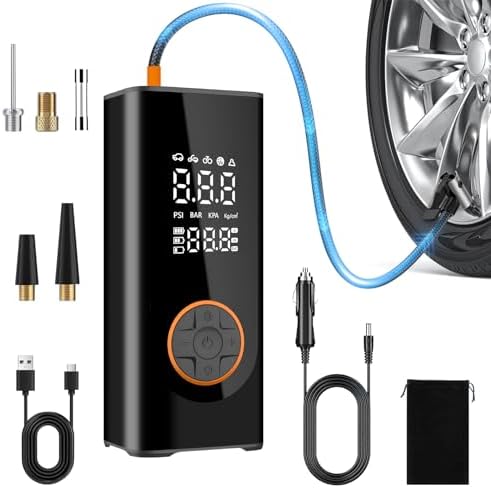
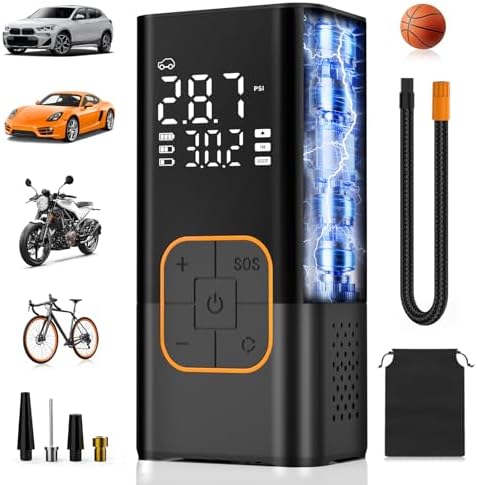
- Use a portable compressor or a petrol station pump.
- Inflate gradually and recheck readings until PSI matches factory spec.
When to Adjust PSI
- Add +2 PSI for heavy loads.
- Reduce 1–2 PSI in extreme cold temperatures.
- Never exceed the maximum pressure listed on the tire sidewall.
Recommended Tools for Civic Tire Maintenance
- Portable compressor
- Digital tire pressure gauge
- TPMS reset tool (for older models)
- Sealant and emergency inflator kit
Final Thoughts
The Honda Civic remains one of the most reliable compact cars ever produced, and maintaining correct tire pressure ensures you preserve its stability, fuel efficiency, and braking performance. Whether your Civic uses 13-inch wheels from the early ’90s or the 18-inch alloys of the latest models, keeping PSI within factory specs is essential for safe and comfortable driving.
You may be interested in reading Honda Civic Dashboard Warning Lights & Symbols: The Complete Guide (2001–2024)
FAQs
What is the best Honda Civic tire pressure?
Most modern Honda Civic models use 32 PSI, while higher-performance 18-inch tires require 33–35 PSI.
Why does my Civic’s PSI differ front to rear?
Some trims specify lower rear PSI to optimise ride quality and weight distribution.
You may be interested in readingHonda Civic Dashboard Warning Lights & Symbols: The Complete Guide (2001–2024)You may be interested in reading
 Honda Civic Headlight Bulb Replacement: The Complete 2016–2019 Guide (Low Beam, High Beam & Turn Signal)
Does temperature affect tire pressure?
Yes—expect a drop of roughly 1 PSI for every 5°F decline in temperature.
Can I drive if the TPMS light is on?
You can, but you should inspect and correct PSI immediately.
You may be interested in readingHonda Civic Dashboard Warning Lights & Symbols: The Complete Guide (2001–2024)You may be interested in reading
Honda Civic Headlight Bulb Replacement: The Complete 2016–2019 Guide (Low Beam, High Beam & Turn Signal)You may be interested in reading
 Honda Civic Clutch Replacement Cost: Complete Guide to Pricing, Symptoms, and Repair Options
What PSI improves fuel economy?
Maintaining the factory-recommended PSI is the safest and most efficient approach.
If you want to know other articles similar to Honda Civic Tire Pressure Guide: Complete PSI Chart by Year, Trim & Tire Size you can visit the category Service and Parts.
How to Reset Volvo XC60 Infotainment System: The Complete Practical Guide
Volvo XC60 Gearbox Oil Change: The Complete Expert Guide
Volvo XC60 Engine Management Light: Causes, Fixes, and What It Really Means
Skoda Kamiq Size Comparison: Dimensions, Space & Real-World Practicality
Volvo XC60 Headlight Adjustment for Europe: The Complete Practical Guide
Volvo XC60 City Safety Service Required: What It Means, Causes, and Fixes
Leave a Reply
More content of your interest