

Honda Civic Wet Belt Replacement: The Complete Owner’s Guide

Content in this publication
- Understanding the Wet Belt in the Honda Civic
- Which Honda Civics Have a Wet Belt?
- Why Honda Uses a Wet Belt
- When Should the Honda Civic Wet Belt Be Replaced?
- Signs Your Honda Civic Wet Belt Needs Replacement
- What Happens If the Wet Belt Fails?
- What’s Included in a Honda Civic Wet Belt Replacement?
- How Long Does the Replacement Take?
- Typical Cost of Honda Civic Wet Belt Replacement
- Why Oil Quality Is Everything
- Can You Inspect the Wet Belt Without Removing It?
- How to Make Your Honda Civic Wet Belt Last Longer
- Wet Belt Replacement vs Timing Chain: Which Is Better?
- Is the Wet Belt Replacement a DIY Job?
- Should You Replace the Wet Belt Early?
- Step-By-Step Breakdown of the Wet Belt Replacement Process
- Should You Use OEM or Aftermarket Wet Belts?
- Final Thoughts: Protecting Your Civic for the Long Haul
- FAQs
Understanding the Wet Belt in the Honda Civic
If you’ve spent any time reading modern Honda forums or browsing Civic maintenance groups, you’ve probably seen the term wet belt floating around like some mysterious engine creature. And honestly? We get the confusion. Most of us grew up knowing timing belts and timing chains. Suddenly, Honda introduces something that runs inside the engine oil—a wet belt—so naturally we ask:
“Is this a good thing, or a ticking time bomb?”
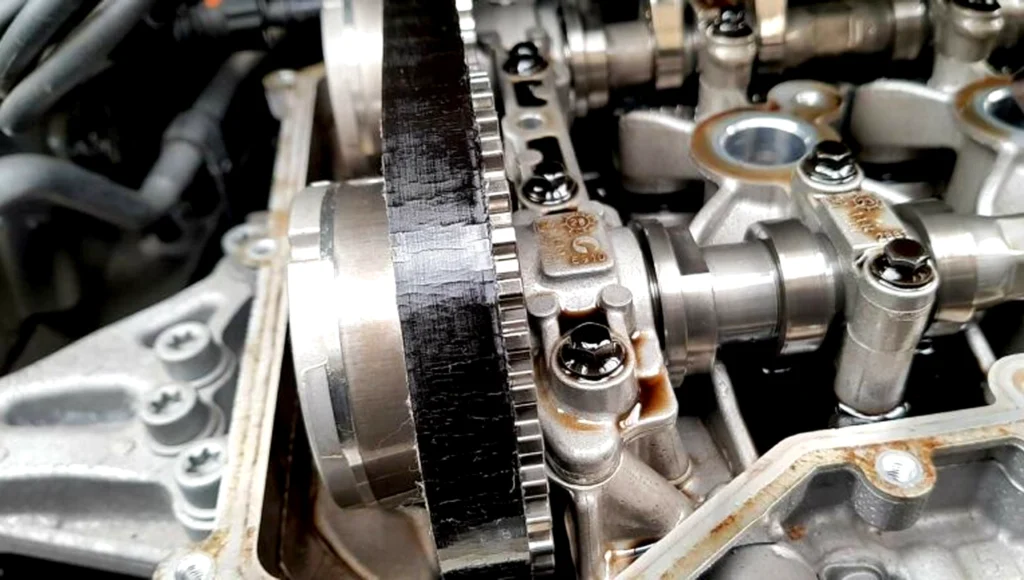
Let’s break it down in simple terms. A wet timing belt (also called Belt-in-Oil, or BIO) sits inside the engine, soaking in oil. It’s smoother, quieter, more efficient, and more compact. But it also requires correct oil quality, proper change intervals, and—like any belt—eventually needs replacement.
For many Honda Civic owners, especially those with the 1.0 and 1.5 VTEC Turbo engines, understanding wet belt maintenance is crucial if we want these engines to live the long, drama-free life Honda is famous for.
Which Honda Civics Have a Wet Belt?
Not all Civics use wet belts. The following do:
Civics Equipped with Wet Belts
- 1.0 VTEC Turbo (L-series)
- 1.5 VTEC Turbo (L-series)
- Selected Honda Civic 2017+ (10th gen) and 2022+ (11th gen) models
- Some hybrid variants (market-dependent)
Civics without a wet belt
- Older Civics with naturally aspirated engines
- Models with traditional timing chains
- Type R engines (K20C1)
If you drive a turbo Civic from the last few years, chances are high your car uses a Belt-in-Oil system.
Why Honda Uses a Wet Belt
Honda, like Ford and PSA before them, didn’t switch to wet belts just for fun. There are real engineering perks:
Efficiency Gains
Wet belts reduce friction—an engine’s hidden thief—leading to:
- Better fuel economy
- Lower emissions
- Quieter engine operation
Space and Weight Savings
A wet belt lets Honda shrink engine housings and save weight.
Every gram counts in modern engineering.
Longevity (When Maintained Correctly)
Honda claims long service intervals under the right conditions.
But owners' experiences tell us the real life story: oil quality matters—a lot.
When Should the Honda Civic Wet Belt Be Replaced?
Here’s where things get interesting… and slightly controversial.
Honda officially lists wet belt replacement intervals of:
- At 100,000–150,000 miles
- Or 10 years, depending on specification and region
However, wet belts degrade faster when:
- Oil change intervals are stretched
- Wrong oil viscosity is used
- Low-quality oil causes deposits
- The car does many short trips
- Maintenance is inconsistent
Because the belt lives inside the oil, the oil becomes the life-support system. Bad oil = bad belt.
Our Practical Recommendation
Most reputable Honda specialists suggest:
- Replace the wet belt every 80,000–100,000 miles
- Or every 8 years, whichever comes first
Why? Because we want to avoid catastrophic outcomes like:
- Belt delamination
- Loss of timing
- Engine failure
Replacing early is cheaper than rebuilding a destroyed engine.
Signs Your Honda Civic Wet Belt Needs Replacement
Your Civic might be giving you clues long before the belt fails. Keep an ear open and an eye out.
Common Warning Signs
- Rattling or slapping noises at idle
- Engine misfires, especially during cold starts
- Metallic ticking
- Oil contamination with rubber debris
- Reduced performance
- Engine warning lights
- Unstable idle
Subtle Signs Most Owners Miss
- Gradual fuel economy drop
- Occasional hesitation under acceleration
- Increased oil consumption
- Slight vibration when revving
Wet belt issues often creep up slowly, like a leaky faucet you ignore until you can’t anymore.
What Happens If the Wet Belt Fails?
Let’s not sugar-coat it. A failed wet belt is a major event.
In the worst case, we’re talking engine-destroying consequences.
Potential Damage from Wet Belt Failure
- Piston-to-valve contact
- Bent valves
- Damaged pistons or cylinder walls
- Broken camshaft timing
- Complete engine seizure
- Thousands in repair bills
Typical Cost of Engine Rebuild After Failure
Depending on region:
You may be interested in reading Skoda Kamiq Boot Size: The Complete Practical Guide for Real-World Space, Everyday Usability & Hidden Storage Potential
- £2,500–£5,000+
- Or simply: more than the car is worth
This is exactly why proactive replacement beats reactive repair.
What’s Included in a Honda Civic Wet Belt Replacement?
Wet belt replacement is more complex than a typical timing belt job.
Because the belt lives inside the engine oil, the process involves opening part of the engine.
Typical Components Replaced
- Wet timing belt (primary)
- Oil pump drive belt (if applicable)
- Tensioners
- Pulleys
- Oil seals
- Fresh engine oil
- OEM oil filter
- Gaskets and cover seals
A good mechanic will replace everything required—not just the belt.
How Long Does the Replacement Take?
A skilled Honda technician usually needs:
- 5–9 hours depending on engine variant
- More if corrosion or access issues exist
This is not a quick Saturday DIY project. Wet belt replacement involves:
- Drain oil
- Remove ancillaries
- Open timing covers
- Set exact timing alignment
- Replace belts + components
- Re-time engine
- Refill oil
- Test run
Typical Cost of Honda Civic Wet Belt Replacement
This is the question we all want answered.
Average Cost Range
- £600–£1,200 in the UK
- $900–$1,500 in North America
- €700–€1,300 across Europe
The price depends on:
- Workshop labour rates
- Belt kit brand (Honda OEM vs aftermarket)
- Engine model
- Additional parts required
What Drives the Cost Up?
- Hybrid Civic belts cost more
- Poor oil maintenance leads to extra repairs
- Damaged tensioners or sensors
- Labour-intensive areas with higher hourly rates
A wet belt service isn’t cheap, but it’s far cheaper than repairing engine failure.
Why Oil Quality Is Everything
If there’s one takeaway we want you to tattoo into your Civic-loving soul, it’s this:
The wet belt lives and dies by your oil quality.
Use Only Honda-Approved Oil
Always use:
- 0W-20 full synthetic (Honda-approved spec)
- Never experiment with thicker oil
- Never stretch oil intervals
Recommended Interval
Even if Honda says 12,000–15,000 miles… we recommend:
- Every 5,000–7,000 miles
- Or twice per year
Clean oil = longer belt life.
Dirty oil = early belt death.
Can You Inspect the Wet Belt Without Removing It?
Yes—kind of.
Dealership/Mechanic Inspection Tools
Skilled technicians may use:
- Borescope cameras
- Belt wear scanners
- Oil analysis
DIY Inspection?
Realistically… no.
You can’t reliably inspect the wet belt at home.
But you can check:
- Oil quality
- Oil colour
- Signs of debris
- Warning lights
- Engine performance
If something feels off, trust your gut. Civics are normally smooth and predictable. If it starts acting out, it’s telling you something.
How to Make Your Honda Civic Wet Belt Last Longer
Here’s the good news: wet belts can actually last a long time when treated right.
Top Owner Tips
- Stick to premium oil only
- Change oil frequently
- Avoid harsh cold starts
- Let the engine warm up naturally
- Don’t drive short trips constantly
- Avoid cheap filters
- Use OEM parts for belt replacement
Treat your Civic well and it returns the favour.
You may be interested in readingSkoda Kamiq Boot Size: The Complete Practical Guide for Real-World Space, Everyday Usability & Hidden Storage PotentialYou may be interested in reading
Skoda Kamiq Engine SizeWet Belt Replacement vs Timing Chain: Which Is Better?
It’s a classic debate among Civic fans.
Wet Belt Pros
- Lower friction
- Quieter
- Efficient
- Lightweight
Wet Belt Cons
- Oil-dependent lifespan
- Higher replacement cost
- Sensitive to neglect
Timing Chain Pros
- Usually lasts the life of the car
- Less dependent on oil quality
- Ideal for high mileage drivers
Timing Chain Cons
- Louder
- Heavier
- More friction
- Can stretch or rattle
No system is perfect—Honda picked the right solution for modern emissions and efficiency.
Is the Wet Belt Replacement a DIY Job?
We’ll be blunt: no.
Unless you’re:
- Confident
- Highly experienced
- Equipped with timing tools
- Prepared for an all-day ordeal
- Not scared of engine disassembly
…then leave it to the pros.
What Can You Do Yourself?
- Oil and filter changes
- Correct maintenance intervals
- Monitoring belt symptoms
That alone will save you hundreds in future repairs.
Should You Replace the Wet Belt Early?
If your Civic is:
- High mileage
- Poorly maintained before you bought it
- Running cheap oil
- Used for lots of stop-start trips
- Making faint timing noises
Then yes—early replacement might save your engine.
Otherwise
Stick with:
- 80k–100k mile proactive replacement
A small investment now avoids a catastrophic bill later.
Step-By-Step Breakdown of the Wet Belt Replacement Process
Let’s walk through the procedure, because knowing what happens behind the scenes helps us appreciate the labour involved.
Step 1: Preparation
- Vehicle lifted
- Under-tray removed
- Battery disconnected
- Oil drained
Step 2: Engine Component Removal
- Auxiliary belt removed
- Crank pulley removed
- Timing covers unbolted
- Access cleared to timing assembly
Step 3: Timing Alignment
- Crank and camshaft locking tools installed
- Engine put into precise timing position
Step 4: Old Belt Removal
- Wet belt removed
- Tensioners released
- Oil pump belt removed if required
Step 5: Installation of New Belt Kit
- New belt installed
- Tensioners torqued
- Pulleys checked
- Oil seals replaced
Step 6: Reassembly
- Covers refitted
- Auxiliary belt refitted
- Engine refilled with fresh oil
- Engine run and tested
Time Required
5–9 hours depending on model and condition.
Should You Use OEM or Aftermarket Wet Belts?
We strongly recommend OEM Honda parts for wet belts.
Why OEM Is Better
- Designed for Belt-in-Oil environments
- Resistant to delamination
- Proven longevity
- Correct fitment guaranteed
Why Aftermarket Is Risky
- Material inconsistencies
- Poor wear resistance
- Oil compatibility issues
Saving £80 on a belt is not worth risking a £4,000 engine.
Final Thoughts: Protecting Your Civic for the Long Haul
Wet belts can seem intimidating, but with the right care, the Honda Civic’s 1.0 and 1.5 engines can last hundreds of thousands of miles.
The key is simple: oil quality, correct intervals, and proactive replacement.
Treat your Civic like the faithful companion it is—and it will reward you with reliability, economy, and that smooth Honda charm we all love.
FAQs
1. How often should I replace my Honda Civic wet belt?
Every 80k–100k miles or 8–10 years, depending on driving conditions and oil quality.
2. What oil should I use to protect the wet belt?
Always use 0W-20 full synthetic Honda-approved oil.
3. How much does Honda wet belt replacement cost?
Expect £600–£1,200 depending on your region and engine type.
4. What happens if the wet belt fails?
It can cause catastrophic engine damage, often requiring a rebuild.
You may be interested in readingSkoda Kamiq Boot Size: The Complete Practical Guide for Real-World Space, Everyday Usability & Hidden Storage PotentialYou may be interested in reading
Skoda Kamiq Engine SizeYou may be interested in reading
 Skoda Kamiq Maintenance Guide: Complete Service Schedule, Costs, and Expert Care
5. Can I inspect the wet belt myself?
Not reliably. Inspection usually requires borescopes and professional access.
If you want to know other articles similar to Honda Civic Wet Belt Replacement: The Complete Owner’s Guide you can visit the category Service and Parts.
How to Reset Volvo XC60 Infotainment System: The Complete Practical Guide
Volvo XC60 Gearbox Oil Change: The Complete Expert Guide
Volvo XC60 Engine Management Light: Causes, Fixes, and What It Really Means

Skoda Kamiq Size Comparison: Dimensions, Space & Real-World Practicality
Volvo XC60 Headlight Adjustment for Europe: The Complete Practical Guide
Volvo XC60 City Safety Service Required: What It Means, Causes, and Fixes
Leave a Reply
More content of your interest