

Honda CR-V Best and Worst Years: The Ultimate Buyer’s Guide

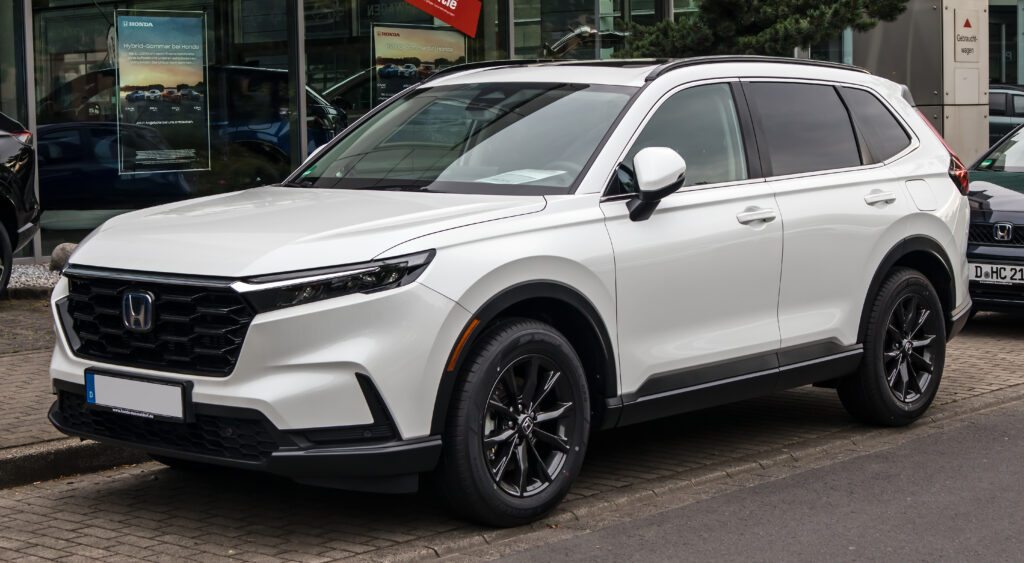
If the Honda CR-V were a person, it would be that dependable friend who always shows up on time, rarely complains, and somehow ages better than the rest of us. But let’s be honest—even legends have off days. Some Honda CR-V model years are absolute home runs, while others… well, they’re the years Honda fans quietly clear their throat and change the subject.
So today, we’re pulling back the curtain. We’re digging deep into Honda CR-V best and worst years, breaking down what makes certain models shine and why others deserve a cautious side-eye. If you’re buying used, researching reliability, or just love knowing which years to brag about (and which to avoid), you’re in the right place.
Content in this publication
- Why the Honda CR-V Has Earned Its Reputation
- How We Determine the Best and Worst Honda CR-V Years
- Honda CR-V Generations at a Glance
- Best Honda CR-V Years You Can Buy With Confidence
- Worst Honda CR-V Years to Approach Carefully
- Honda CR-V Reliability by Generation
- Engines That Make or Break a CR-V
- Transmission Reliability: Automatic vs CVT
- Mileage Expectations: What’s “High” for a CR-V?
- Used Honda CR-V Buying Tips
- Best Honda CR-V Years by Buyer Type
- Should You Avoid Certain CR-V Years Completely?
- Honda CR-V vs Reality: Is It Still Worth Buying?
- Final Thoughts: Honda CR-V Best and Worst Years Explained
- Frequently Asked Questions
Why the Honda CR-V Has Earned Its Reputation
Before we sort the heroes from the villains, let’s set the stage.
The Honda CR-V has been one of the best-selling compact SUVs in the world for decades. It’s practical, efficient, easy to live with, and—most of the time—built like a Swiss watch. Families love it. Commuters trust it. Mechanics usually nod in approval.
But consistency across generations doesn’t mean perfection across years.
How We Determine the Best and Worst Honda CR-V Years
We didn’t pull these rankings out of thin air. We looked at long-term ownership patterns, reliability trends, common complaints, recalls, and real-world driving experiences.
Key factors we considered
- Engine and transmission reliability
- Frequency and severity of common problems
- Owner satisfaction over time
- Cost of repairs and maintenance
- Longevity past 150,000–200,000 miles
Think of this as separating the “bulletproof” CR-Vs from the “buyer beware” ones.
Honda CR-V Generations at a Glance
CR-V Generational Overview
- 1st Gen (1997–2001) – Simple, rugged, charming
- 2nd Gen (2002–2006) – Reliability peak
- 3rd Gen (2007–2011) – Mixed bag
- 4th Gen (2012–2016) – Efficiency meets early growing pains
- 5th Gen (2017–2022) – Tech-forward, turbocharged, complicated
- 6th Gen (2023–Present) – Too new for long-term judgment
Now let’s talk winners.
Best Honda CR-V Years You Can Buy With Confidence
2004–2006 Honda CR-V (Second Generation Sweet Spot)
If there were a Honda CR-V hall of fame, these years would get a gold plaque.
Why these years stand out
- Exceptionally reliable 2.4L naturally aspirated engine
- Traditional automatic transmission (no CVT drama)
- Minimal electronics to fail
- Excellent longevity
These CR-Vs routinely cross 250,000 miles with basic maintenance. They’re the mechanical equivalent of a well-worn leather jacket—broken in, dependable, and still cool.
Best for
- First-time used car buyers
- Budget-conscious families
- Drivers who value reliability over tech
2010–2011 Honda CR-V (Late Third Gen Winners)
Honda cleaned up many earlier third-generation issues by this point.
Why they’re great
- Refined suspension and ride quality
- Strong resale value
- Proven engine design
- Fewer oil consumption complaints than earlier years
These models strike a balance between modern comfort and old-school Honda reliability.
2015–2016 Honda CR-V (Fourth Gen Maturity)
By now, Honda had ironed out most early fourth-generation wrinkles.
You may be interested in reading Honda CR-V Reliability by Year: What Really Holds Up Over Time
Highlights
- Smooth ride and quiet cabin
- Improved fuel economy
- Reliable non-turbo engine
- Well-sorted infotainment
These are excellent choices if you want something newer without gambling on unproven technology.
2020–2022 Honda CR-V (Fifth Gen Refinement)
Turbocharged engines scared some buyers at first—but Honda figured it out.
Why these years shine
- Refined 1.5L turbo engine
- Improved CVT tuning
- Advanced safety features standard
- Strong crash test ratings
These CR-Vs feel modern without being experimental.
Worst Honda CR-V Years to Approach Carefully
Let’s talk about the years that made owners sigh deeply at the repair shop.
2007–2009 Honda CR-V (Early Third Gen Troubles)
This is where things get shaky.
Common issues
- Excessive oil consumption
- Premature engine wear
- Interior quality complaints
- Suspension noises
While not catastrophic for every owner, these years produced more complaints than average.
2012–2014 Honda CR-V (Early Fourth Gen Growing Pains)
New generation, new problems.
Known problems
- Transmission shudder complaints
- Early CVT calibration issues
- Vibration at idle
- Weak air conditioning systems
Honda fixed many of these issues later—but these early years took the hit.
2017–2018 Honda CR-V (Turbo Transition Turbulence)
Ah yes, the infamous oil dilution era.
What went wrong
- Fuel mixing with engine oil
- Cold-weather performance issues
- Hesitation and rough starts
- Software updates required
Honda addressed this with recalls and software fixes, but buyer confidence took a dent.
Honda CR-V Reliability by Generation
Most Reliable Generations
- Second Generation (2002–2006)
- Late Fourth Generation (2015–2016)
Least Reliable Generations
- Early Third Generation (2007–2009)
- Early Fifth Generation (2017–2018)
Consistency matters—and these patterns repeat across owner data.
Engines That Make or Break a CR-V
Best Engines
- 2.4L Naturally Aspirated (K-Series)
- Proven, simple, long-lasting
More Problematic Engines
- Early 1.5L Turbocharged units
- Sensitive to maintenance and driving conditions
Turbo engines aren’t bad—but they demand discipline.
Transmission Reliability: Automatic vs CVT
Traditional Automatics
- Used in older CR-Vs
- Extremely durable
- Lower maintenance risk
CVT Transmissions
- Better fuel economy
- Smoother when tuned correctly
- Early versions less reliable
Later CVTs improved dramatically—but early ones caused headaches.
You may be interested in readingHonda CR-V Reliability by Year: What Really Holds Up Over TimeYou may be interested in reading
 Honda CR-V Mileage Life: How Long Can It Really Last?
Mileage Expectations: What’s “High” for a CR-V?
Let’s reset expectations.
Typical CR-V Lifespan
- 200,000 miles: Common
- 250,000+ miles: Achievable
- 300,000 miles: Not unheard of
Maintenance matters more than model year—but starting with a good year helps.
Used Honda CR-V Buying Tips
What to check before buying
- Oil change history
- Transmission service records
- Recalls and software updates
- Cold start behavior
A well-maintained “bad year” can outperform a neglected “good year.”
Best Honda CR-V Years by Buyer Type
Best for Budget Buyers
- 2004–2006
- 2010–2011
Best for Families
- 2015–2016
- 2020–2022
Best for Long-Term Ownership
- Any non-turbo model with service records
Should You Avoid Certain CR-V Years Completely?
Not necessarily. Some “worst years” become decent buys if priced right and properly updated. The key is knowing what you’re getting into—eyes wide open, not crossed fingers.
Honda CR-V vs Reality: Is It Still Worth Buying?
Absolutely. Even its worst years are often better than average competitors. The CR-V’s reputation isn’t hype—it’s earned.
But choosing the right year is like choosing ripe fruit. Same tree. Very different results.
Final Thoughts: Honda CR-V Best and Worst Years Explained
If we had to distill this entire guide into one sentence, it would be this:
The Honda CR-V is one of the safest used SUV bets—if you choose the right year.
Stick to proven generations, understand the known issues, and you’ll likely end up with a vehicle that quietly does its job for years, asking little in return. And really, isn’t that what we all want?
Frequently Asked Questions
Which Honda CR-V year is the most reliable overall?
The 2004–2006 models are widely considered the most reliable.
What Honda CR-V years should I avoid?
2007–2009 and 2017–2018 models tend to have the most reported issues.
Is the Honda CR-V engine reliable long term?
Yes, especially naturally aspirated engines with regular maintenance.
Are newer Honda CR-Vs more reliable than older ones?
They’re more advanced, but older models are often mechanically simpler and more durable.
Is a high-mileage Honda CR-V worth buying?
Yes—if it has strong maintenance records and passes inspection.
You may be interested in readingHonda CR-V Reliability by Year: What Really Holds Up Over TimeYou may be interested in reading
Honda CR-V Mileage Life: How Long Can It Really Last?You may be interested in reading
Which Honda CR-V Engine Is Better? A Real-World Breakdown for Smart BuyersIf you want to know other articles similar to Honda CR-V Best and Worst Years: The Ultimate Buyer’s Guide you can visit the category Blog.
Ford Mondeo Insurance Group: The Ultimate Cost & Risk Guide
Ford Mondeo Reliability: The Real Truth Behind This Iconic Sedan

Volvo XC60 Quality: A Deep Dive Into Premium Craftsmanship and Everyday Excellence
Volvo XC60 Reliability by Year: The Complete Owner’s Guide
Which Ford Kuga Engine Is Best? The Ultimate Buyer’s Guide
Pros and Cons Mazda CX-30: The Real-World Ownership Breakdown
Leave a Reply
More content of your interest