

Honda CR-V Differential Fluid Change: The Complete Owner’s Guide

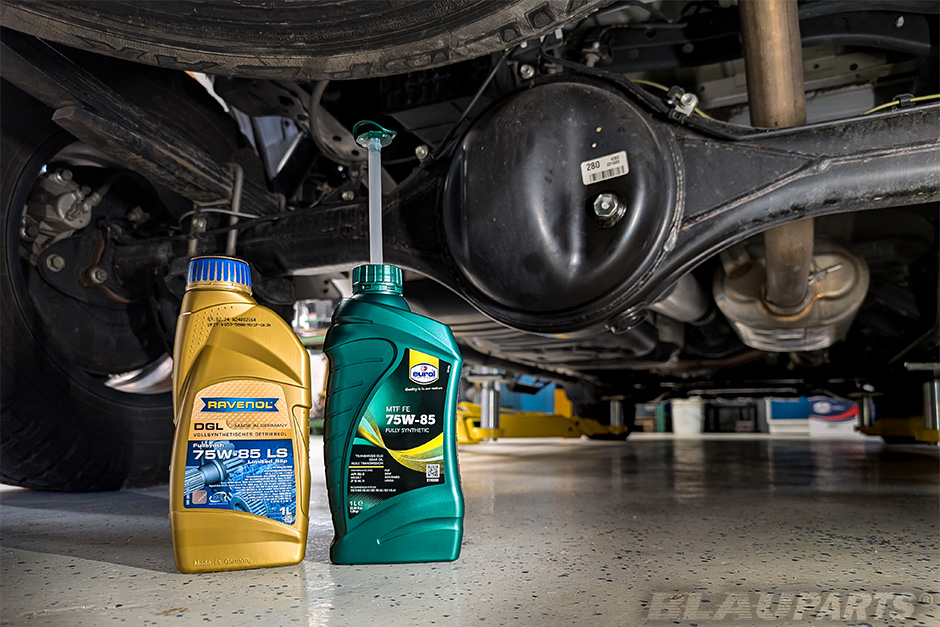
Keeping a Honda CR-V healthy isn’t about flashy upgrades or obsessive polishing. It’s about the quiet, unglamorous maintenance jobs that protect the drivetrain when no one’s watching. One of the most overlooked? The differential fluid change.
We’ve seen countless CR-Vs glide past 200,000 miles with barely a complaint—and we’ve also seen others develop groans, binding, and shuddering simply because this one service was ignored. Let’s walk through it together, step by step, like two owners chatting in the driveway with coffee in hand.
Content in this publication
- What the Differential Does in a Honda CR-V
- Why Differential Fluid Matters More Than You Think
- Symptoms of Old or Contaminated Differential Fluid
- Honda CR-V Differential Fluid Change Interval
- Which Honda CR-V Models Have a Rear Differential?
- The Correct Honda Differential Fluid (This Matters)
- How Much Differential Fluid Does a Honda CR-V Need?
- Tools Needed for a Differential Fluid Change
- Step-by-Step: Honda CR-V Differential Fluid Change
- What the Old Fluid Can Tell You
- Do You Need to Reset Anything After the Change?
- Dealer vs DIY: Which Is Better?
- Common Mistakes to Avoid
- How Often Should You Check Differential Fluid?
- Is Differential Fluid Change Worth It? Absolutely.
- Final Thoughts on Honda CR-V Differential Fluid Change
- Frequently Asked Questions
What the Differential Does in a Honda CR-V
At its core, the differential is the referee of your drivetrain.
Why a Differential Exists
- Allows left and right wheels to rotate at different speeds
- Prevents tire scrubbing in turns
- Distributes torque smoothly when traction changes
Without it, every corner would feel like dragging a stubborn shopping cart.
Front vs Rear Differential in the CR-V
- FWD models: Front differential integrated into the transaxle
- AWD (Real Time AWD): Separate rear differential requiring its own fluid service
👉 Most owners asking about a differential fluid change are dealing with AWD CR-Vs, especially from the 2000s onward.
Why Differential Fluid Matters More Than You Think
Differential fluid isn’t just oil—it’s a protective barrier, shock absorber, and heat manager all rolled into one.
What Differential Fluid Actually Does
- Lubricates gears under extreme pressure
- Reduces heat buildup during torque transfer
- Prevents metal-to-metal wear
- Protects seals and bearings
Old fluid is like burnt cooking oil—still liquid, but no longer doing its job.
Symptoms of Old or Contaminated Differential Fluid
Honda CR-Vs are polite vehicles. They rarely scream for help—but they do whisper.
Common Warning Signs
- Groaning or whining from the rear during turns
- Binding or hopping at low speeds
- Shuddering when accelerating
- Delayed AWD engagement
- Slight vibration in tight corners
Ignore these, and you’re gambling with gears that cost four figures to replace.
Honda CR-V Differential Fluid Change Interval
Honda is surprisingly specific here—and for good reason.
Factory Recommendations
- Rear differential (AWD):
- First change: ~30,000 miles
- After that: every 30,000–50,000 miles
Real-World Driving Factors
Change it sooner if you:
- Tow trailers
- Drive in snow, mud, or sand
- Frequently drive short distances
- Live in hot or mountainous areas
Think of it like changing shoes more often if you hike instead of stroll.
Which Honda CR-V Models Have a Rear Differential?
Not all CR-Vs are created equal.
AWD Generations Requiring Service
- 2002–2006 CR-V AWD
- 2007–2011 CR-V AWD
- 2012–2016 CR-V AWD
- 2017–2024 CR-V AWD
If your CR-V badge doesn’t say AWD, you can skip this service—but don’t skip reading yet.
You may be interested in reading Honda CR-V Gas Type: What Fuel Your CR-V Really Needs
The Correct Honda Differential Fluid (This Matters)
This is where many owners go wrong.
Honda-Approved Fluid
- Honda Dual Pump Fluid II
- Honda DPSF (newer labeling)
🚫 Do not substitute generic gear oil.
🚫 Do not use limited-slip additives.
Honda’s AWD system is picky, like a cat with food—and for good reason.
How Much Differential Fluid Does a Honda CR-V Need?
You don’t need gallons—just precision.
Capacity Overview
- Rear differential: ~1.1–1.3 quarts (varies by year)
Always fill until fluid gently dribbles from the fill hole—never guess.
Tools Needed for a Differential Fluid Change
You won’t need a full mechanic’s arsenal.
Basic Tool List
- Jack and jack stands or ramps
- 3/8" or 1/2" ratchet
- Torque wrench
- Fluid pump or squeeze bottle
- Drain pan
- New crush washers (recommended)
Simple tools. Big payoff.
Step-by-Step: Honda CR-V Differential Fluid Change
Let’s get our hands a little dirty.
Step 1: Warm the Vehicle
- Drive 5–10 minutes
- Warm fluid drains more completely
Step 2: Safely Lift the Rear
- Park on level ground
- Engage parking brake
- Support with jack stands
Step 3: Locate Fill and Drain Plugs
- Always loosen fill plug first
- Prevents disaster if it’s seized
Step 4: Drain Old Fluid
- Remove drain plug
- Let fluid fully drain
- Inspect color and debris
Step 5: Reinstall Drain Plug
- Use new washer
- Torque to spec (typically ~36 lb-ft)
Step 6: Fill with Honda DPSF
- Pump fluid until it slightly overflows
- This indicates proper level
Step 7: Reinstall Fill Plug
- New washer
- Torque to spec
Done. No warning lights. No reset needed.
What the Old Fluid Can Tell You
Used fluid tells stories.
Fluid Condition Guide
- Clear amber: Normal wear
- Dark brown: Overdue service
- Burnt smell: Heat stress
- Metal flakes: Internal wear warning
If it smells like burnt toast, don’t ignore it.
Do You Need to Reset Anything After the Change?
Short answer: No.
What Happens Automatically
- AWD system recalibrates itself
- No scan tool required
- No dashboard warnings triggered
Just drive gently for the first few miles.
Dealer vs DIY: Which Is Better?
Both work—but the value equation is clear.
You may be interested in readingHonda CR-V Gas Type: What Fuel Your CR-V Really NeedsYou may be interested in reading
 Honda CR-V Windshield Wiper Size: The Complete Owner’s Guide We Actually Use
Dealer Service
- Cost: $120–$200
- OEM fluid guaranteed
- Quick turnaround
DIY Approach
- Cost: $30–$50
- Full control
- Satisfaction factor: high
If you can change engine oil, this job is only one notch harder.
Common Mistakes to Avoid
We’ve seen these too many times.
Costly Errors
- Using generic gear oil
- Forgetting the fill plug test
- Over-torquing plugs
- Skipping washer replacement
- Overfilling
The differential is forgiving—but not careless.
How Often Should You Check Differential Fluid?
You don’t need to obsess, but awareness helps.
Inspection Tips
- Check every 15,000–20,000 miles
- Inspect for leaks around seals
- Listen during tight turns
Think of it like checking your shoes for wear—simple, smart, preventive.
Is Differential Fluid Change Worth It? Absolutely.
This service is the definition of cheap insurance.
Benefits You’ll Notice
- Smoother cornering
- Quieter drivetrain
- Improved AWD response
- Longer differential lifespan
It’s like replacing worn socks before they blister your feet.
Final Thoughts on Honda CR-V Differential Fluid Change
If engine oil is the heartbeat of your CR-V, differential fluid is its joints and ligaments. Ignore it, and movement becomes stiff, noisy, and painful. Care for it, and your CR-V moves with quiet confidence for years to come.
We’ve learned that the most reliable Hondas aren’t owned by people who obsess—they’re owned by people who pay attention. This simple service is proof.
Frequently Asked Questions
1. Can I drive with old differential fluid?
Yes—but it accelerates wear and risks AWD malfunction over time.
2. Does Honda recommend changing differential fluid?
Yes, especially for AWD models—often as early as 30,000 miles.
3. Can I mix old and new differential fluid?
No. Always perform a full drain and refill.
4. Will bad fluid cause vibration?
Absolutely—especially during low-speed turns.
5. Is differential fluid the same as transmission fluid?
No. They are completely different fluids with different purposes.
You may be interested in readingHonda CR-V Gas Type: What Fuel Your CR-V Really NeedsYou may be interested in reading
Honda CR-V Windshield Wiper Size: The Complete Owner’s Guide We Actually UseYou may be interested in reading
 Jeep Wrangler Tire Size: The Ultimate Guide to Getting It Right
If you want to know other articles similar to Honda CR-V Differential Fluid Change: The Complete Owner’s Guide you can visit the category Service and Parts.
Dacia Duster Battery Replacement — Complete Owner’s Guide

Dacia Duster Wading Depth: How Deep Can It Really Go?

Dacia Duster Tyre Pressure Warning Light: What It Means & How We Fix It
Dacia Duster Timing Belt Replacement Cost: Real Prices, Risks & Smart Savings
Dacia Duster Service Reset: Complete Step-by-Step Guide

Dacia Duster Oil: The Complete Practical Guide for Owners
Leave a Reply
More content of your interest