

Honda CR-V Known Issues: What Owners Really Experience Over Time

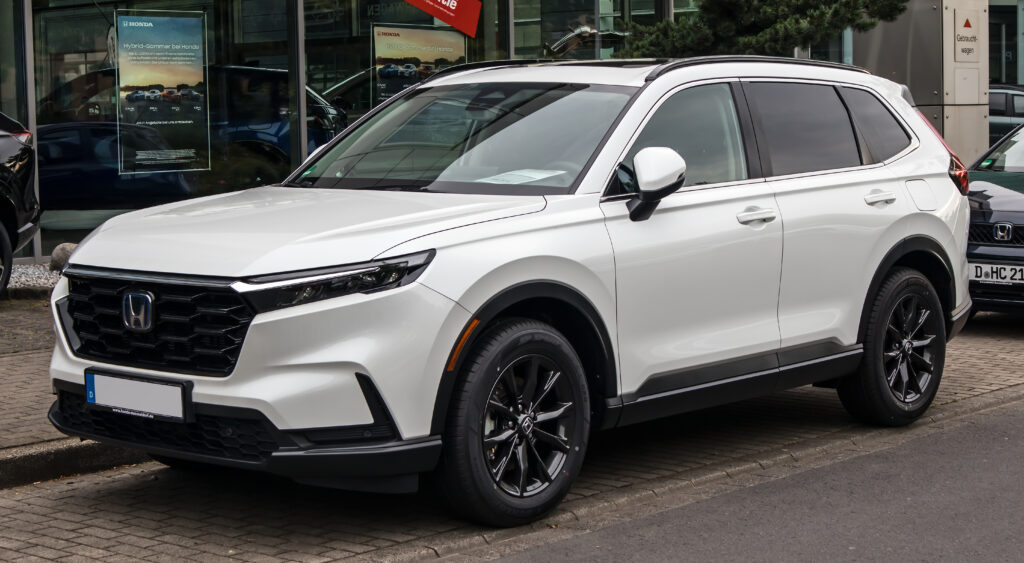
The Honda CR-V has earned a reputation as one of those “safe bet” SUVs—the kind you recommend to family without losing sleep. But let’s be honest: no car is flawless. Even the mighty CR-V has its quirks, weak spots, and repeat complaints that show up once you look past the glossy brochures.
We’ve spent years digging into ownership reports, real-world driving experiences, mechanic feedback, and long-term trends. What follows isn’t doom-and-gloom. It’s a clear, balanced, and human breakdown of Honda CR-V known issues—what goes wrong, when it happens, how serious it is, and whether it should stop you from buying one.
Let’s pull back the curtain.
Content in this publication
- Why the Honda CR-V Still Deserves a Fair Shake
- Engine-Related Honda CR-V Known Issues
- Transmission Problems Across Generations
- Electrical and Infotainment Issues
- Air Conditioning and Climate Control Problems
- Steering and Suspension Complaints
- Brake-Related Honda CR-V Known Issues
- Interior and Build Quality Concerns
- Fuel System and Emissions Issues
- Rust and Exterior Wear
- Which Honda CR-V Years Have the Most Issues
- How Serious Are Honda CR-V Known Issues Really?
- What We Recommend Before Buying a Used CR-V
- Is the Honda CR-V Still Worth Buying?
- Final Thoughts on Honda CR-V Known Issues
- Frequently Asked Questions
Why the Honda CR-V Still Deserves a Fair Shake
Before diving into problems, context matters. The CR-V has been on the road since the late 1990s and sold in massive numbers. When millions of vehicles exist, patterns naturally emerge—even if the overall reliability remains strong.
What we’re really looking at here are recurring issues, not catastrophic failures across the board.
Oil Dilution Problems in Turbocharged Models
This is the issue that made headlines.
Which CR-Vs Are Affected
- Mostly 2017–2020 CR-V
- 1.5L turbocharged gasoline engine
What’s Actually Happening
Fuel mixes with engine oil, thinning it out. Over time, this can:
- Reduce lubrication
- Increase engine wear
- Trigger warning lights
Common Symptoms
- Gasoline smell in oil
- Rising oil level
- Rough cold starts
- Reduced fuel economy
Honda issued updates and extended warranties in some markets, and later model years improved significantly.
Excessive Oil Consumption (Older Generations)
Not all CR-Vs sip oil politely.
- Common in 2007–2014 models
- Especially higher-mileage vehicles
Owners often report:
- Needing frequent top-ups
- Blue exhaust smoke
- Fouled spark plugs
This isn’t universal, but it’s frequent enough to be worth checking before buying used.
Transmission Problems Across Generations
CVT Hesitation and Jerky Acceleration
Honda’s move to CVTs improved fuel economy—but not everyone loved the driving feel.
Typical Complaints
- Hesitation when accelerating
- Rubber-band sensation
- Delayed response at intersections
While not usually a failure issue, it can feel unsettling.
Automatic Transmission Shudder (Older Models)
Found mainly in:
- Early-2000s CR-Vs
Symptoms include:
- Shuddering during gear changes
- Slipping under load
Regular fluid changes reduce risk dramatically.
Electrical and Infotainment Issues
Infotainment System Freezing or Rebooting
Modern CR-Vs are tech-heavy—and tech loves to misbehave.
Common Complaints
- Touchscreen lag
- Random restarts
- Bluetooth disconnects
- CarPlay/Android Auto glitches
Software updates usually fix this, but it frustrates owners nonetheless.
Battery Drain and Parasitic Draw
Some owners report:
- Dead batteries overnight
- Warning lights after sitting
Often tied to:
You may be interested in reading Why Is My Honda CR-V Whining? Causes, Sounds, and Real Fixes We Trust
- Infotainment modules
- Faulty door sensors
- Aftermarket accessories
Air Conditioning and Climate Control Problems
Weak or Failing A/C Compressors
A recurring issue in multiple generations.
Symptoms
- Warm air despite max cooling
- Clicking noises
- Compressor failure
Honda extended warranties for some affected models, which tells us this wasn’t isolated.
Musty Smells from Vents
Humidity plus design equals mildew.
Owners notice:
- Damp odors
- Mold buildup in evaporator
Cabin filter changes and evaporator cleaning help, but the issue can return.
Steering and Suspension Complaints
Electric Power Steering Stiffness
Reported mostly in:
- 2012–2015 CR-V
Symptoms include:
- Sudden heaviness at low speeds
- Inconsistent steering feel
Software updates or EPS replacements usually resolve it.
Premature Suspension Wear
We often see:
- Worn bushings
- Clunking noises
- Early strut failure
Especially common on rough roads or high-mileage vehicles.
Warped Brake Rotors
One of the most common owner complaints.
Symptoms
- Steering wheel vibration
- Pulsation during braking
This isn’t dangerous initially, but it’s annoying—and costly if ignored.
Electronic Parking Brake Failures
In newer CR-Vs:
- Parking brake won’t engage or release
- Warning lights appear
Often software-related but occasionally mechanical.
Interior and Build Quality Concerns
Seat Wear and Sagging
Driver seats in older CR-Vs often show:
- Cracked upholstery
- Flattened cushioning
Comfort takes a hit over long drives.
Rattles and Cabin Noise
While generally quiet, some owners report:
- Dashboard rattles
- Door panel creaks
- Loose trim over time
Nothing catastrophic—but noticeable.
Fuel System and Emissions Issues
Fuel Pump Failures
Certain CR-Vs experienced:
- Sudden stalling
- Hard starts
- Loss of power
Some models were recalled, others weren’t—checking VIN history is critical.
You may be interested in readingWhy Is My Honda CR-V Whining? Causes, Sounds, and Real Fixes We TrustYou may be interested in reading
 Jeep Wrangler Issues: Common Problems, Causes, and What We’ve Learned the Hard Way
Check Engine Lights from Sensors
Common culprits include:
- Oxygen sensors
- Mass airflow sensors
- Evap system leaks
Annoying, but usually not expensive fixes.
Rust and Exterior Wear
Undercarriage Rust (Cold-Climate Models)
CR-Vs driven in snowy regions may develop:
- Subframe corrosion
- Exhaust rust
- Brake line issues
Regular underbody washing helps reduce this risk.
Paint Chipping and Clear Coat Failure
Especially on:
- White and darker colors
The paint can thin over time, leading to peeling if neglected.
Which Honda CR-V Years Have the Most Issues
Years to Approach with Caution
- 2007–2009
- 2012
- 2017–2018
Generally Reliable Years
- 2010–2011
- 2015–2016
- 2021 and newer
Patterns matter more than individual complaints.
How Serious Are Honda CR-V Known Issues Really?
Here’s the honest truth:
Most CR-V issues are annoyances, not deal-breakers.
- Engines last well past 200,000 miles with care
- Transmissions are durable when serviced
- Repairs are affordable compared to rivals
That’s why the CR-V keeps showing up on “best used SUV” lists.
What We Recommend Before Buying a Used CR-V
- Review maintenance records
- Check recall history by VIN
- Test infotainment thoroughly
- Inspect suspension and brakes
- Look for oil dilution signs on turbo models
A little homework goes a long way.
Is the Honda CR-V Still Worth Buying?
Absolutely—if you buy smart.
The CR-V isn’t perfect, but it’s dependable in the way a trusty backpack is. It may have a frayed strap or two, but it carries you far without complaint.
Final Thoughts on Honda CR-V Known Issues
Every vehicle has flaws. What matters is whether those flaws overshadow the strengths.
In the CR-V’s case, they don’t.
We see a compact SUV that balances reliability, comfort, efficiency, and resale value better than most. Know the issues, plan for them, and the CR-V will likely reward you with years of uneventful ownership—which, honestly, is the best compliment a car can receive.
Frequently Asked Questions
Is the Honda CR-V prone to engine failure?
No. Engine failures are rare, especially with proper maintenance.
Which CR-V has oil dilution problems?
Mainly 2017–2020 models with the 1.5L turbo engine.
Are CR-V transmissions reliable?
Yes, especially when fluid changes are done on time.
Do Honda CR-Vs last over 200,000 miles?
Many do, particularly naturally aspirated models.
Is a used Honda CR-V a safe buy?
Yes—when inspected properly and serviced regularly.
You may be interested in readingWhy Is My Honda CR-V Whining? Causes, Sounds, and Real Fixes We TrustYou may be interested in reading
Jeep Wrangler Issues: Common Problems, Causes, and What We’ve Learned the Hard WayYou may be interested in reading
 Jeep Wrangler Overheating: Causes, Fixes, and Prevention
If you want to know other articles similar to Honda CR-V Known Issues: What Owners Really Experience Over Time you can visit the category Common Problems.
Volvo XC60 360 Camera Not Working: Complete Troubleshooting & Fix Guide
Volvo XC60 Key Fob Not Working: Causes, Fixes, and Expert Solutions
Volvo XC60 Low Battery Warning: Causes, Fixes, and Prevention Guide
Volvo XC60 No Sound: Causes, Fixes, and Complete Troubleshooting Guide
Volvo XC60 Common Problems: What Owners Really Experience
Volvo XC60 Issues: The Truth Behind This Popular SUV
Leave a Reply
More content of your interest