

Honda CR-V Mileage Life: How Long Can It Really Last?

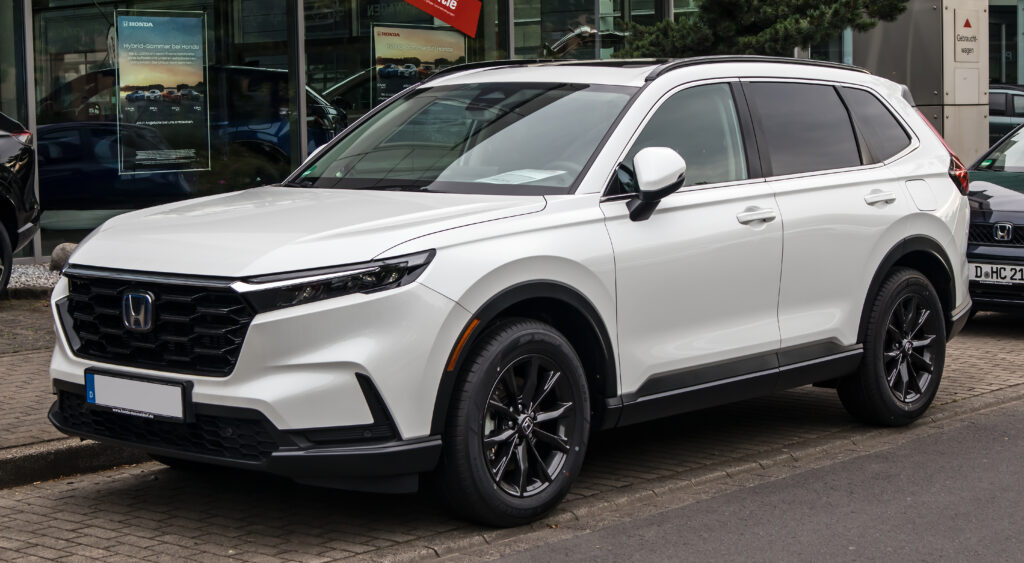
When people talk about dependable SUVs, the Honda CR-V almost always strolls into the conversation like an old friend who never lets you down. But one question keeps popping up—sometimes whispered, sometimes shouted across forums and coffee shops: how long does a Honda CR-V actually last in terms of mileage?
We’re diving deep into the real-world mileage life of the Honda CR-V. Not brochure promises. Not wishful thinking. Realistic expectations, honest numbers, and the habits that separate a 180,000-mile CR-V from a 350,000-mile legend.
Content in this publication
- What Does “Mileage Life” Really Mean for a Honda CR-V?
- Average Honda CR-V Mileage Life (The Honest Numbers)
- Why the Honda CR-V Is Built for Long Mileage
- Mileage Life by Honda CR-V Generation
- What Mileage Is “High” for a Honda CR-V?
- How Maintenance Extends Honda CR-V Mileage Life
- Oil Changes: The Single Biggest Factor
- Transmission Longevity: Myth vs Reality
- City vs Highway Miles: Which Matters More?
- Rust: The Silent Mileage Killer
- Signs Your Honda CR-V Is Built to Go the Distance
- Common High-Mileage Honda CR-V Repairs (And Why They’re Normal)
- Can a Honda CR-V Reach 300,000 Miles?
- Is Buying a High-Mileage Honda CR-V a Smart Move?
- Honda CR-V Mileage Life Compared to Competitors
- Driving Habits That Quietly Add 50,000 Miles
- The Emotional Side of a Long-Lasting CR-V
- Final Verdict: Honda CR-V Mileage Life in the Real World
- Frequently Asked Questions
What Does “Mileage Life” Really Mean for a Honda CR-V?
Mileage life isn’t just about how many miles a car can reach—it’s about how many miles it reaches while still being reliable, safe, and worth owning.
For the Honda CR-V, mileage life usually refers to:
- The total miles before major drivetrain failure
- The point where repair costs outweigh the car’s value
- How long the vehicle remains dependable for daily use
And here’s the short answer most owners won’t sugarcoat…
Average Honda CR-V Mileage Life (The Honest Numbers)
Most well-maintained Honda CR-Vs last:
- 250,000 to 300,000 miles without catastrophic engine or transmission failure
- Many exceed 300,000 miles with disciplined maintenance
- Poorly maintained examples may struggle past 180,000–200,000 miles
That’s not marketing hype—that’s decades of owner reports, mechanic experience, and real-world usage speaking.
Why the Honda CR-V Is Built for Long Mileage
Honda didn’t accidentally create a long-lasting SUV. Several design choices quietly work together behind the scenes.
Legendary Honda Engine Engineering
CR-V engines—especially the naturally aspirated 2.4L—are known for:
- Conservative tuning
- Lower internal stress
- Durable timing systems
- Efficient cooling designs
They aren’t built to thrill—they’re built to survive.
Simple, Proven Transmissions
Earlier automatic transmissions and later CVTs (when maintained properly) prioritize smoothness and efficiency over aggression.
When serviced on time, they just keep going—mile after mile.
Mileage Life by Honda CR-V Generation
Not all CR-Vs age the same. Some generations are true marathon runners.
First & Second Generation (1997–2006)
These older CR-Vs are absolute tanks.
- Common mileage: 280,000–350,000 miles
- Simple electronics
- Fewer emissions complications
- Easy to repair
Many are still rolling today, quietly refusing to retire.
Third Generation (2007–2011)
A strong balance of modern comfort and durability.
- Typical lifespan: 250,000–300,000 miles
- 2.4L engine shines here
- Transmission longevity improves with fluid changes
This generation is often called the “sweet spot” by long-term owners.
Fourth Generation (2012–2016)
Refined but still tough.
- Mileage life: 230,000–280,000 miles
- More electronics, but reliable core components
- Maintenance discipline becomes more important
Fifth Generation (2017–2022)
Turbo engines and CVTs enter the picture.
- Expected lifespan: 220,000–260,000 miles
- Turbo maintenance matters more
- Oil changes become non-negotiable
Still durable—but less forgiving of neglect.
You may be interested in reading Which Honda CR-V Engine Is Better? A Real-World Breakdown for Smart Buyers
What Mileage Is “High” for a Honda CR-V?
Here’s where the CR-V laughs at industry standards.
- 100,000 miles → barely broken in
- 150,000 miles → middle age
- 200,000 miles → seasoned but capable
- 250,000+ miles → veteran status
For many CR-Vs, high mileage is just a number on the dashboard.
How Maintenance Extends Honda CR-V Mileage Life
Maintenance is the difference between a CR-V that dies young and one that becomes family folklore.
Critical Maintenance Habits That Matter Most
- Regular oil changes (never skip them)
- Transmission fluid changes every 30k–60k miles
- Cooling system service
- Valve adjustment (older engines)
- Suspension refreshes after 150k miles
Ignore these, and mileage life drops fast.
Oil Changes: The Single Biggest Factor
Think of oil changes as hydration for your engine.
- Old oil = internal friction
- Dirty oil = premature wear
- Low oil = engine death sentence
CR-Vs reward owners who respect oil intervals—especially turbo models.
Transmission Longevity: Myth vs Reality
Honda transmissions don’t fail randomly. They fail from:
- Never changing fluid
- Towing beyond limits
- Overheating
With proper fluid service, many CR-V transmissions surpass 250,000 miles without rebuilds.
City vs Highway Miles: Which Matters More?
Not all miles are equal.
Highway Miles
- Less engine stress
- Fewer gear changes
- Better for longevity
City Miles
- Stop-and-go wear
- More heat cycles
- Faster component aging
A CR-V with 220k highway miles may feel younger than one with 150k city miles.
Rust: The Silent Mileage Killer
In snowy or coastal regions, rust ends CR-Vs before engines do.
Watch out for:
- Subframe corrosion
- Brake line rust
- Suspension mounting points
A mechanically perfect CR-V can be totaled by rust alone.
Signs Your Honda CR-V Is Built to Go the Distance
Green flags that suggest long mileage life ahead:
- Smooth idle at high miles
- Minimal oil consumption
- Clean transmission shifts
- Stable engine temperatures
- No chronic warning lights
These are the hallmarks of a CR-V that still has stories to tell.
Common High-Mileage Honda CR-V Repairs (And Why They’re Normal)
High mileage doesn’t mean trouble—it means routine aging.
Expect:
- Suspension components
- Wheel bearings
- Alternators
- Starter motors
- Engine mounts
These are wear items—not death sentences.
Can a Honda CR-V Reach 300,000 Miles?
Yes—and many already have.
CR-Vs that cross the 300k mark usually share three traits:
You may be interested in readingWhich Honda CR-V Engine Is Better? A Real-World Breakdown for Smart BuyersYou may be interested in reading
 Jeep Wrangler Alternatives: Real Options for Real Adventures
- Meticulous maintenance
- Mostly highway driving
- Owners who listen to early warning signs
It’s not luck—it’s discipline.
Is Buying a High-Mileage Honda CR-V a Smart Move?
Surprisingly, yes—if you choose wisely.
Look for:
- Documented service history
- Smooth cold starts
- No transmission shudder
- Minimal rust underneath
A cared-for 180k-mile CR-V can outlast a neglected 90k-mile one.
Honda CR-V Mileage Life Compared to Competitors
When stacked against rivals, the CR-V stands tall.
- Outlasts many domestic SUVs
- Matches or exceeds Toyota RAV4 longevity
- Beats most European compact SUVs in long-term reliability
Longevity is part of its DNA.
Driving Habits That Quietly Add 50,000 Miles
Small habits, big payoff:
- Gentle acceleration
- Letting the engine warm up
- Avoiding aggressive braking
- Not overloading cargo constantly
- Listening to unusual noises early
Mileage life isn’t magic—it’s mindfulness.
The Emotional Side of a Long-Lasting CR-V
At some point, a high-mileage CR-V stops being “just a car.”
It becomes:
- A road-trip companion
- A family workhorse
- A familiar sound in the driveway
Longevity builds trust—and trust builds loyalty.
Final Verdict: Honda CR-V Mileage Life in the Real World
So, how long does a Honda CR-V last?
With average care: 250,000 miles
With great care: 300,000+ miles
With neglect: far less than it deserves
The CR-V isn’t flashy. It doesn’t beg for attention. It just shows up—day after day—ready to go again.
And sometimes, that’s the best kind of vehicle there is.
Frequently Asked Questions
How many miles can a Honda CR-V engine last?
Most engines last 250,000–300,000 miles with proper maintenance.
Is 200,000 miles too much for a Honda CR-V?
No. For a well-maintained CR-V, 200k miles is very manageable.
Do newer Honda CR-Vs last as long as older ones?
They can, but they require stricter maintenance—especially turbo models.
What year Honda CR-V lasts the longest?
Many owners favor 2002–2006 and 2007–2011 models for longevity.
Is a high-mileage CR-V still reliable?
Yes, if maintenance history is solid and major systems are healthy.
You may be interested in readingWhich Honda CR-V Engine Is Better? A Real-World Breakdown for Smart BuyersYou may be interested in reading
Jeep Wrangler Alternatives: Real Options for Real AdventuresYou may be interested in reading
 Jeep Wrangler 4xe Reliability: The Truth Behind the Plug-In Icon
If you want to know other articles similar to Honda CR-V Mileage Life: How Long Can It Really Last? you can visit the category Blog.
Volvo XC60 Quality: A Deep Dive Into Premium Craftsmanship and Everyday Excellence
Volvo XC60 Reliability by Year: The Complete Owner’s Guide

Which Ford Kuga Engine Is Best? The Ultimate Buyer’s Guide
Pros and Cons Mazda CX-30: The Real-World Ownership Breakdown
Peugeot 308 Years to Avoid: The Ultimate Buyer’s Guide

Dacia Duster Reliability: The Real Story Behind This Budget SUV
Leave a Reply
More content of your interest