

Honda CR-V Not Starting: Causes, Fixes, and Real-World Solutions

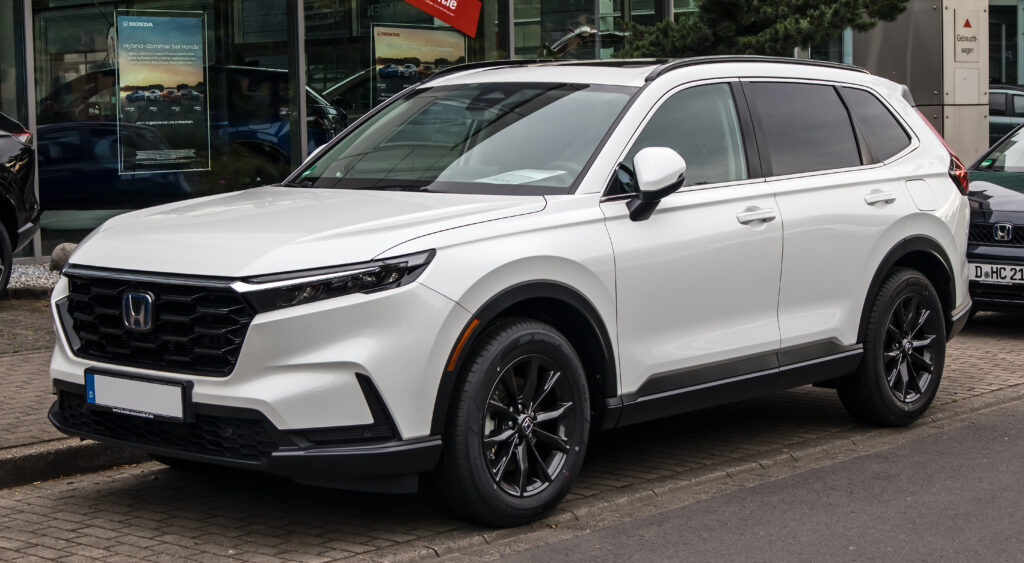
Few things kill the mood faster than turning the key (or pressing the start button) and getting… nothing. Or worse—clicks, flickers, and a dashboard lighting up like a Christmas tree, but the Honda CR-V still refuses to start. We’ve all been there. In this guide, we’ll walk through why a Honda CR-V won’t start, how to diagnose it step by step, and what fixes actually work in the real world—not just in theory.
We’ll talk like humans here. No robotic manuals. Just practical, experience-backed insight to help you get moving again.
Content in this publication
- Understanding What “Not Starting” Really Means
- Dead or Weak Battery: The Usual Suspect
- Starter Motor Problems in Honda CR-V Models
- Faulty Ignition Switch or Push-Button Start Issues
- Fuel Delivery Problems: Crank but No Start
- Bad Spark: Ignition System Failures
- Honda CR-V Immobilizer and Security System Issues
- Neutral Safety Switch and Transmission Sensors
- Engine Sensors That Can Prevent Starting
- ECU and Software Glitches
- Weather-Related Starting Problems
- Common Honda CR-V Years with Starting Complaints
- DIY Troubleshooting Checklist
- When to Call a Mechanic (And When Not To)
- Preventing Future No-Start Problems
- Final Thoughts: Getting Your Honda CR-V Back on the Road
- FAQs About Honda CR-V Not Starting
Understanding What “Not Starting” Really Means
Before we jump into fixes, we need clarity. “Not starting” can mean very different things depending on what the car does—or doesn’t do.
Common Honda CR-V No-Start Scenarios
- Engine doesn’t crank at all
- Engine cranks but won’t start
- Clicking noise when trying to start
- Dash lights on, engine silent
- Intermittent starting problems
- Starts with a jump, then dies later
Each scenario points to a different culprit. Let’s break them down properly.
Dead or Weak Battery: The Usual Suspect
If the Honda CR-V isn’t starting, the battery is guilty until proven innocent. Modern CR-Vs rely heavily on electronics, and even a slightly weak battery can cause chaos.
Signs the Battery Is the Problem
- Clicking sound when turning the key
- Dim or flickering dashboard lights
- Car starts only with a jump
- Infotainment system resets randomly
Why CR-V Batteries Fail So Often
- Short trips that never fully recharge the battery
- Cold weather (even mild cold matters)
- Aging batteries (3–5 years is typical)
- Parasitic drain from electronics
Quick Battery Checks We Recommend
- Check battery voltage (12.6V = healthy)
- Inspect terminals for corrosion
- Wiggle cables—loose connections are sneaky
Think of the battery as the heart. If it’s weak, everything downstream struggles.
Starter Motor Problems in Honda CR-V Models
If the battery is fine but the engine won’t crank, the starter motor may be waving the white flag.
Symptoms of a Failing Starter
- Single loud click, no crank
- Multiple clicks, no engine movement
- Engine starts after several attempts
- Starts when tapped lightly (classic sign)
Why Starters Fail
- Internal wear over time
- Heat soak after long drives
- Oil leaks dripping onto the starter
Replacing a starter isn’t cheap, but ignoring it can leave you stranded at the worst possible moment—usually when you’re late.
Older Honda CR-Vs with traditional keys and newer push-button models both suffer ignition-related failures.
Ignition Switch Warning Signs
- Key turns but nothing happens
- Accessories work, engine doesn’t
- Car starts intermittently
- “Key not detected” message
- No response when pressing Start
- Starts only when fob is held close
Simple Fixes to Try First
- Replace the key fob battery
- Try the spare key
- Press the brake pedal firmly
- Hold the fob near the start button
Sometimes, the problem is laughably small—like a $3 battery.
Fuel Delivery Problems: Crank but No Start
If the engine cranks enthusiastically but refuses to fire up, fuel delivery jumps to the top of the suspect list.
- Failing fuel pump
- Clogged fuel filter
- Bad fuel pump relay
- Empty tank (yes, it happens)
How We Spot Fuel Issues
- No fuel pump priming sound
- Engine sputters then dies
- Strong cranking but zero ignition
Fuel pumps don’t usually die quietly—they give warning signs if we listen.
Bad Spark: Ignition System Failures
An engine needs fuel and spark. When spark disappears, the CR-V becomes an expensive paperweight.
You may be interested in reading Honda CR-V Known Issues: What Owners Really Experience Over Time
- Worn spark plugs
- Failed ignition coils
- Coil pack failures on specific cylinders
- Moisture intrusion
Symptoms You’ll Notice
- Rough cranking
- Engine tries to start but fails
- Strong fuel smell
- Misfire codes stored
Spark issues often creep in slowly, then suddenly cross a line where the car just won’t start.
Honda CR-V Immobilizer and Security System Issues
Sometimes, the car can start—but decides it doesn’t trust you.
Signs of Immobilizer Problems
- Green key light flashing
- Engine cranks briefly, then shuts off
- “Immobilizer system” warning
- Starts with one key but not another
The immobilizer is designed to prevent theft—but when it misbehaves, it feels like betrayal.
Neutral Safety Switch and Transmission Sensors
Automatic CR-Vs rely on sensors to confirm the car is in Park or Neutral.
What Happens When They Fail
- Car won’t start in Park
- Starts in Neutral only
- No crank at all
Quick Test
- Try starting in Neutral
- Wiggle the gear selector slightly
- Check for gear indicator mismatch
This is one of those “simple but overlooked” issues.
Engine Sensors That Can Prevent Starting
Modern Honda CR-Vs depend on sensors more than we like to admit.
Key Sensors That Affect Starting
- Crankshaft position sensor
- Camshaft position sensor
- Engine coolant temperature sensor
- Mass airflow sensor
When these sensors send bad data, the ECU panics—and refuses to start the engine.
ECU and Software Glitches
Yes, sometimes the problem isn’t mechanical at all.
- Random no-start conditions
- Multiple warning lights
- No obvious mechanical fault
- Fixes itself temporarily
Disconnecting the battery for 15–30 minutes can sometimes reset things—but recurring issues may require a software update.
Honda CR-Vs are reliable, but extreme conditions expose weaknesses.
Cold Weather Issues
- Thick engine oil
- Weak battery output
- Moisture in ignition components
Hot Weather Problems
- Starter heat soak
- Vapor lock (rare, but possible)
- Sensor heat failure
Cars are like people—they behave differently under stress.
Common Honda CR-V Years with Starting Complaints
While any year can experience problems, some generations report more issues.
Frequently Mentioned Model Years
- Early 2000s CR-V: ignition switch failures
- 2012–2014 CR-V: starter motor wear
- 2017–2019 CR-V: battery and electronics
- Hybrid models: 12V battery sensitivity
This doesn’t mean these models are bad—just that patterns exist.
You may be interested in readingHonda CR-V Known Issues: What Owners Really Experience Over TimeYou may be interested in reading
 Why Is My Honda CR-V Whining? Causes, Sounds, and Real Fixes We Trust
DIY Troubleshooting Checklist
Before calling a tow truck, we always recommend running through this quick list.
Our Go-To No-Start Checklist
- Check battery voltage
- Inspect battery terminals
- Try a jump start
- Listen for fuel pump prime
- Try Neutral instead of Park
- Use spare key
- Scan for error codes
Half the time, the fix is hiding in plain sight.
When to Call a Mechanic (And When Not To)
Not every problem needs professional help—but some absolutely do.
DIY-Friendly Fixes
- Battery replacement
- Key fob battery
- Loose terminal tightening
- Fuel relay replacement
Leave It to the Pros
- Starter replacement
- ECU diagnostics
- Immobilizer reprogramming
- Fuel pump replacement
Knowing your limits saves money and sanity.
Preventing Future No-Start Problems
An ounce of prevention beats a pound of frustration.
Smart Preventive Habits
- Replace battery every 4–5 years
- Clean terminals annually
- Drive longer trips occasionally
- Don’t ignore warning lights
- Replace spark plugs on schedule
A little attention goes a long way.
Final Thoughts: Getting Your Honda CR-V Back on the Road
A Honda CR-V not starting can feel overwhelming—but most causes boil down to a handful of common issues. Batteries, starters, fuel delivery, and electronics account for the majority of cases. The key is methodical diagnosis, not guesswork.
We’ve seen CR-Vs refuse to start for reasons as small as a dying key fob battery and as complex as ECU glitches. The good news? Most problems are fixable—and many are preventable.
Take a breath, work through the symptoms logically, and you’ll usually find the answer faster than expected.
FAQs About Honda CR-V Not Starting
Why does my Honda CR-V click but not start?
This usually points to a weak battery, corroded terminals, or a failing starter motor.
Can a bad key fob stop a Honda CR-V from starting?
Yes. A dead or weak key fob battery can prevent push-button models from starting.
Why does my CR-V start with a jump but not on its own?
That’s a classic sign of a failing battery or charging system issue.
Can a fuel pump cause a crank but no start?
Absolutely. If fuel isn’t reaching the engine, it won’t fire—even if it cranks strongly.
You may be interested in readingHonda CR-V Known Issues: What Owners Really Experience Over TimeYou may be interested in reading
Why Is My Honda CR-V Whining? Causes, Sounds, and Real Fixes We TrustYou may be interested in reading
 Jeep Wrangler Issues: Common Problems, Causes, and What We’ve Learned the Hard Way
Is it safe to keep trying to start the car repeatedly?
Repeated attempts can drain the battery further and stress the starter. Diagnose first.
If you want to know other articles similar to Honda CR-V Not Starting: Causes, Fixes, and Real-World Solutions you can visit the category Common Problems.
Volvo XC60 360 Camera Not Working: Complete Troubleshooting & Fix Guide
Volvo XC60 Key Fob Not Working: Causes, Fixes, and Expert Solutions
Volvo XC60 Low Battery Warning: Causes, Fixes, and Prevention Guide
Volvo XC60 No Sound: Causes, Fixes, and Complete Troubleshooting Guide
Volvo XC60 Common Problems: What Owners Really Experience
Volvo XC60 Issues: The Truth Behind This Popular SUV
Leave a Reply
More content of your interest