

How Long Do Jeep Wranglers Last? A Real-World Longevity Guide

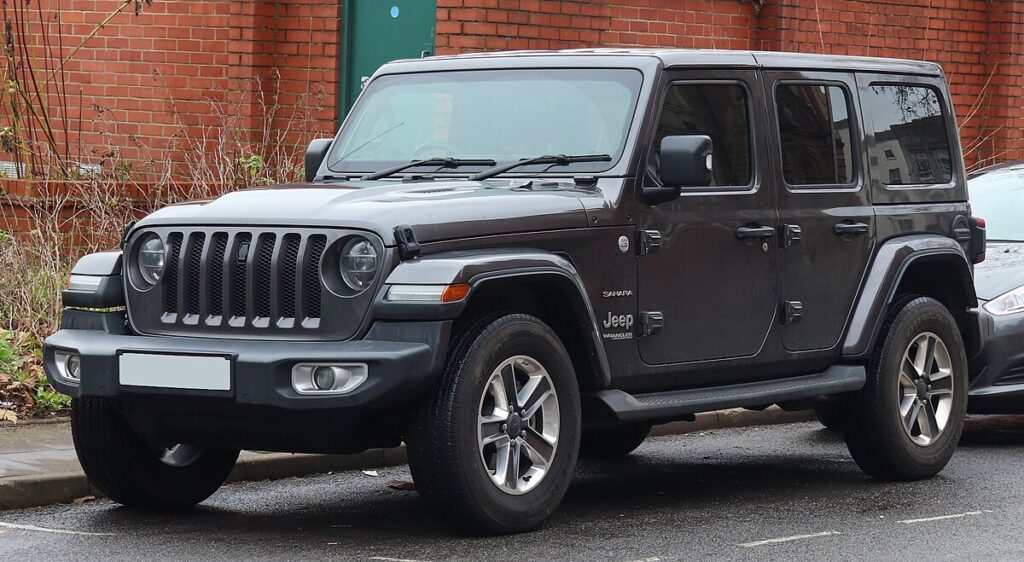
If there’s one vehicle that wears its personality on the outside, it’s the Jeep Wrangler. Boxy, bold, unapologetically rugged—it’s the kind of SUV that feels more like a lifestyle than transportation. But beyond the image, the big question remains: how long does a Jeep Wrangler last, really? Are we talking a decade? Two? Or is it one of those vehicles that seems to outlive its owners?
We’ve dug deep into real-world ownership stories, mechanical realities, maintenance habits, and long-term cost patterns to give you a clear, honest answer. Let’s break it all down, Wrangler style—mud on the tires, wind in the cabin, and no fluff.
Content in this publication
- What “Lasting” Actually Means for a Jeep Wrangler
- Average Lifespan of a Jeep Wrangler
- Why Jeep Wranglers Tend to Last So Long
- Engine Longevity: How Long Do Wrangler Engines Last?
- Transmission Lifespan: Manual vs Automatic
- The Role of Maintenance in Wrangler Longevity
- Rust: The Silent Wrangler Killer
- Suspension and Chassis Wear Over Time
- How Off-Roading Impacts Wrangler Lifespan
- Electronics and Interior Aging
- Cost of Keeping a Wrangler Long-Term
- How Wrangler Generations Compare for Longevity
- Real-World Ownership Stories
- Signs Your Wrangler Will Go the Distance
- When Do Wranglers Usually Retire?
- Is a Jeep Wrangler Worth Keeping Long-Term?
- Final Thoughts on How Long Jeep Wranglers Last
- Frequently Asked Questions
What “Lasting” Actually Means for a Jeep Wrangler
Before we throw out numbers, we need to get aligned. When we say last, what do we mean?
Longevity vs Reliability
A Wrangler can last a very long time even if it’s not always the most trouble-free vehicle on the road. Longevity is about whether it can keep running with repairs. Reliability is about how often those repairs interrupt your life.
Mileage vs Years
Some Wranglers rack up miles like marathon runners. Others age gracefully with low mileage but decades of exposure. Both matter.
Daily Driver or Weekend Warrior
A mall-crawler Wrangler lives a very different life than one that spends weekends crawling over rocks. Usage changes everything.
Average Lifespan of a Jeep Wrangler
So, let’s get specific.
Typical Mileage Expectations
Most Jeep Wranglers that are reasonably maintained reach:
- 200,000 miles without major rebuilds
- 250,000–300,000 miles with proper care
- Some exceptional cases go well beyond 300,000 miles
Years on the Road
In terms of time:
- 15–20 years is very common
- 25+ years is not unusual, especially for older generations
A Wrangler isn’t built to be disposable. It’s built to be rebuilt.
Why Jeep Wranglers Tend to Last So Long
This isn’t an accident. The Wrangler’s DNA is built around durability.
Body-on-Frame Construction
Unlike many modern SUVs, Wranglers use a body-on-frame design, which:
- Handles stress better over time
- Is more tolerant of rough terrain
- Allows easier structural repairs
Simple, Proven Drivetrains
Wranglers often use:
- Naturally aspirated engines
- Traditional 4WD systems
- Fewer fragile electronics (especially older models)
Simple machines age better. It’s that straightforward.
Engine Longevity: How Long Do Wrangler Engines Last?
The heart of the Wrangler deserves its own spotlight.
Legendary 4.0L Inline-Six
Often considered bulletproof, this engine is famous for:
- 300,000+ mile potential
- Minimal complexity
- Strong low-end torque
Many of these engines are still running decades later.
Modern V6 and Turbo Engines
Newer Wranglers use more advanced engines:
You may be interested in reading Can Jeep Wranglers Get Wet Inside? The Honest Truth About Water, Weather, and Wranglers
- 3.6L Pentastar V6
- 2.0L turbocharged four-cylinder
These can still last 200,000+ miles, but:
- They demand stricter maintenance
- Oil quality and service intervals matter more
Transmission Lifespan: Manual vs Automatic
Transmission choice plays a big role in Wrangler longevity.
Manual Transmissions
Pros:
- Often last 250,000 miles or more
- Easier and cheaper to rebuild
- Loved by off-road enthusiasts
Cons:
- Clutch replacements are inevitable
Automatic Transmissions
Pros:
- Comfortable daily driving
- Improved efficiency in newer models
Cons:
- Sensitive to fluid neglect
- Repairs can be expensive
The Role of Maintenance in Wrangler Longevity
This is where the story really turns.
Wranglers Reward Attention
Regular maintenance doesn’t just help—it multiplies lifespan.
Key habits include:
- Oil changes every 5,000–7,000 miles
- Differential and transfer case fluid services
- Cooling system inspections
- Suspension checks after off-road use
Neglect is the fastest way to shorten a Wrangler’s life.
Rust: The Silent Wrangler Killer
Engines can be rebuilt. Rust? Not so forgiving.
Common Rust Areas
- Frame rails
- Rear control arm mounts
- Floor pans
- Door hinges
Why Location Matters
Wranglers in:
- Snowy, salted regions age faster
- Coastal areas face corrosion risks
- Dry climates often last decades longer
Rust prevention can add years to a Wrangler’s life.
Suspension and Chassis Wear Over Time
Wranglers aren’t gentle on their own bodies.
Expected Wear Components
- Bushings
- Ball joints
- Shocks and springs
- Steering components
The good news? These parts are:
- Widely available
- Relatively affordable
- Easy to upgrade
How Off-Roading Impacts Wrangler Lifespan
Here’s the truth: off-roading doesn’t automatically kill a Wrangler.
Responsible vs Abusive Use
A well-driven off-road Wrangler can:
- Last just as long as a pavement-only Jeep
Abusive behavior like:
You may be interested in readingCan Jeep Wranglers Get Wet Inside? The Honest Truth About Water, Weather, and WranglersYou may be interested in reading
 Which Jeep Wrangler Is the Biggest? A Real-World Size Breakdown
- Full-throttle rock crawling
- Skipping inspections
- Ignoring bent components
will shorten its life dramatically.
Electronics and Interior Aging
Wranglers age differently inside.
Interior Longevity
- Seats and plastics are durable but basic
- Water exposure accelerates wear
- Soft tops shorten interior lifespan
Electronics Reality
Older Wranglers:
- Fewer electronic failures
- Easier diagnostics
Newer Wranglers:
- Better safety features
- More complex repairs over time
Cost of Keeping a Wrangler Long-Term
Longevity isn’t free—but it’s manageable.
Typical Long-Term Ownership Costs
Expect:
- Regular maintenance
- Occasional suspension refreshes
- Steering and cooling system work
What you usually don’t face:
- Total engine failure early in life
- Structural collapse (if rust is managed)
How Wrangler Generations Compare for Longevity
Not all Wranglers age the same.
Older Generations (YJ, TJ)
- Extremely durable
- Simpler systems
- Easier DIY repairs
Mid Generations (JK)
- Balanced comfort and toughness
- Strong resale value
- Proven reliability
Newer Generations (JL)
- Best efficiency and safety
- More tech to maintain
- Still proving long-term durability
Real-World Ownership Stories
We’ve seen:
- Daily-driven Wranglers with 300k miles
- Farm Jeeps older than their drivers
- Off-road builds still running strong after decades
Wranglers don’t just survive—they accumulate stories.
Signs Your Wrangler Will Go the Distance
Want a Wrangler that lasts forever? Look for:
- Consistent service records
- Clean frame and underbody
- Stock or thoughtfully upgraded suspension
- Owners who cared, not abused
When Do Wranglers Usually Retire?
Most Wranglers don’t die. They’re retired due to:
- Rust beyond repair
- Owner upgrade decisions
- Cost-benefit choices, not mechanical failure
Is a Jeep Wrangler Worth Keeping Long-Term?
Short answer? Absolutely—if it fits your lifestyle.
Wranglers age like a favorite leather jacket. They get creases, character, and stories. If you embrace that philosophy, longevity comes naturally.
Final Thoughts on How Long Jeep Wranglers Last
A Jeep Wrangler isn’t built to fade quietly into the background. It’s built to endure, adapt, and keep going long after other vehicles tap out. With proper care, realistic expectations, and a little mechanical empathy, a Wrangler can easily be a 20-year, 250,000-mile companion—sometimes more.
If vehicles had passports, Wranglers would be stamped full.
Frequently Asked Questions
Can a Jeep Wrangler last 300,000 miles?
Yes. With excellent maintenance and rust prevention, many do.
Do Wranglers last longer than other SUVs?
In many cases, yes—especially in terms of structural longevity.
Is maintenance expensive over time?
Moderate. Parts are common and repairs are well understood.
You may be interested in readingCan Jeep Wranglers Get Wet Inside? The Honest Truth About Water, Weather, and WranglersYou may be interested in reading
Which Jeep Wrangler Is the Biggest? A Real-World Size BreakdownYou may be interested in reading
 Can a Jeep Wrangler Pull a Camper? Real-World Towing Truths Explained
Are older Wranglers more durable than new ones?
Older models are simpler; newer ones are more efficient but complex.
What’s the biggest threat to Wrangler longevity?
Rust and neglect—more than engines or transmissions.
If you want to know other articles similar to How Long Do Jeep Wranglers Last? A Real-World Longevity Guide you can visit the category Blog.
SEAT Leon Reliability: The Honest Long-Term Ownership Guide

Ford Mondeo Insurance Group: The Ultimate Cost & Risk Guide
Ford Mondeo Reliability: The Real Truth Behind This Iconic Sedan

Volvo XC60 Quality: A Deep Dive Into Premium Craftsmanship and Everyday Excellence
Volvo XC60 Reliability by Year: The Complete Owner’s Guide
Which Ford Kuga Engine Is Best? The Ultimate Buyer’s Guide
Leave a Reply
More content of your interest