

How to Add Power Steering Fluid to a Toyota Corolla

If your steering wheel has been feeling stiff lately or you’ve noticed a squealing noise when turning, your car might be trying to tell you something. Yep, it could be low on power steering fluid. Adding this fluid is one of those simple DIY maintenance tasks that can save you both time and money—especially if you drive a Toyota Corolla.
In this step-by-step guide, we’ll walk you through everything: how to spot the signs of low fluid, what type to use, and how to top it off like a pro.
Content in this publication
- Introduction
- Understanding the Power Steering System
- Tools and Materials You’ll Need
- Step-by-Step Guide to Adding Power Steering Fluid
- How to Check for Leaks in the Power Steering System
- How Often Should You Add Power Steering Fluid?
- Common Mistakes to Avoid
- Additional Maintenance Tips
- When to Call a Mechanic
- Conclusion
- FAQs
Introduction
Power steering fluid is like the lifeblood of your car’s steering system. It ensures smooth, effortless turns and keeps the steering components well-lubricated. Without enough fluid, your steering wheel can feel heavy, and over time, this can cause serious damage.
Adding power steering fluid isn’t rocket science—it’s quick, inexpensive, and totally doable at home.
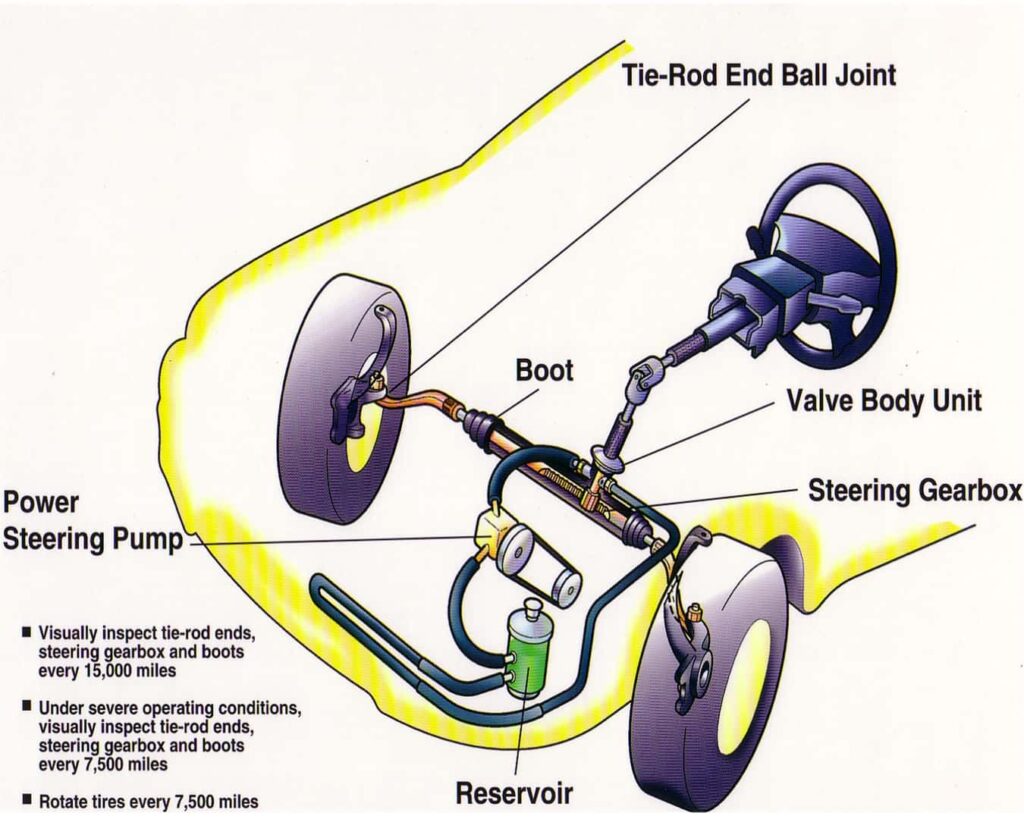
Understanding the Power Steering System
Before diving in with a funnel and bottle, it helps to understand what’s going on under the hood.
What Power Steering Fluid Does
Power steering fluid works like a hydraulic assistant. When you turn the steering wheel, the fluid helps transmit power from the steering pump to the wheels. This makes turning feel smooth instead of like a workout.
Signs You Need to Add or Replace Fluid
- The steering wheel feels stiff or hard to turn.
- You hear whining or squealing when turning.
- There’s a noticeable drop in steering performance.
- A red or amber warning light (in some models).
- You see fluid leaks under the hood or on the driveway.
If any of these sound familiar, it’s time to pop that hood.
Tools and Materials You’ll Need
You don’t need a full mechanic’s toolbox to get this done.
Essential Tools
- Clean rag or paper towels
- Funnel (optional but helpful)
- Gloves (because it can get messy)
- Flashlight (to see the fluid level clearly)
Recommended Power Steering Fluid Type
Always check your owner’s manual for the exact fluid specification. Many older Corolla models use standard power steering fluid, while newer models may use different hydraulic or synthetic options.
👉 Pro tip: Using the wrong fluid can damage the system, so double-check before pouring.
Step-by-Step Guide to Adding Power Steering Fluid
This is where the magic happens. Let’s go step by step.
Step 1: Park on a Flat Surface
Make sure your car is parked on level ground with the engine turned off. This ensures an accurate fluid reading and keeps you safe.
You may be interested in reading How to Check Ford Focus Transmission Fluid
Step 2: Open the Hood and Locate the Reservoir
Pop the hood using the release lever inside the cabin. The power steering reservoir is typically a small, round or rectangular plastic container near the engine. It may have a cap labeled “Power Steering.”
Step 3: Check the Fluid Level
Wipe off any dirt around the cap to prevent debris from falling inside. Remove the cap and check the dipstick or the side markings on the reservoir.
Most reservoirs have “MIN” and “MAX” lines. If the fluid is below “MIN,” it’s time to add more.
Step 4: Add the Correct Fluid
Slowly pour the fluid using a funnel to avoid spills. Add a little at a time—don’t rush. Keep checking the level to ensure you don’t overfill. Aim to keep it right at the “MAX” line, but not above.
Step 5: Secure Everything and Test
Once topped up, secure the cap tightly. Start the engine and gently turn the steering wheel left and right a few times to circulate the fluid. Check the level again and top off if needed.
How to Check for Leaks in the Power Steering System
If you’re constantly refilling, something’s not right.
Visual Inspection
Check under the hood and beneath the car for reddish or amber-colored fluid. Pay close attention to hoses and connections.
Listening for Whining Noises
A whining noise when you turn the wheel can signal low fluid or a leak in the system. Don’t ignore it—it can lead to pump failure.
How Often Should You Add Power Steering Fluid?
Unlike engine oil, power steering fluid doesn’t need frequent top-ups. If everything’s working well, you might only need to check it during routine maintenance—every 30,000 to 50,000 miles.
However, if your fluid level keeps dropping, it’s a red flag. Have a mechanic inspect for leaks.
Common Mistakes to Avoid
Adding fluid is easy, but there are a few traps you want to steer clear of.
Overfilling the Reservoir
Too much fluid can create pressure buildup, which may damage seals and hoses. Always stick to the recommended level.
You may be interested in readingHow to Check Ford Focus Transmission FluidYou may be interested in reading
 Oil Reset Procedure for Mitsubishi Mirage (2014-2023)
Using the Wrong Fluid
Not all fluids are created equal. Using the wrong type can cause steering issues and expensive repairs.
Ignoring Warning Signs
Whining noises or stiff steering shouldn’t be ignored. Topping off fluid is only a temporary fix if there’s an underlying problem.
Additional Maintenance Tips
Think of this as giving your power steering system a little extra love.
Flushing the System
Over time, power steering fluid can get dirty and lose effectiveness. Flushing the system every few years (or as recommended in your manual) helps keep everything running smoothly.
Keeping the Reservoir Clean
Dirt and debris can contaminate the fluid. Wipe off the reservoir and cap area before opening it to keep everything clean.
When to Call a Mechanic
If you’ve topped up the fluid but the steering still feels off—or if you’re adding fluid more often than you should—there may be a deeper issue. Power steering pumps, hoses, or seals might need repair or replacement.
Getting it checked early can save you from bigger, more expensive problems down the road.
Conclusion
Adding power steering fluid to your Toyota Corolla is one of those simple car maintenance tasks that anyone can learn. By keeping an eye on your fluid level and topping it up when needed, you’ll keep your steering smooth and responsive—and extend the life of your power steering components.
Remember: It’s not just about adding fluid; it’s about listening to what your car is telling you. A few minutes of attention can save you a lot of hassle later.
FAQs
1. How often should I check my power steering fluid?
It’s a good idea to check it every time you do an oil change or at least once every few months.
2. What happens if I overfill the power steering reservoir?
Overfilling can cause leaks, increased pressure, and potential damage to seals and hoses.
3. Can I drive my Corolla with low power steering fluid?
Technically, yes—but it’s not recommended. Low fluid makes steering harder and can damage the pump.
You may be interested in readingHow to Check Ford Focus Transmission FluidYou may be interested in reading
Oil Reset Procedure for Mitsubishi Mirage (2014-2023)You may be interested in reading
 How to Turn Off Eco Mode on a Mitsubishi Mirage: Complete Guide for Every Model Year
4. What type of power steering fluid should I use?
Always use the fluid recommended in your owner’s manual. Many older Corolla models use standard power steering fluid, while newer ones may require specific types.
5. How can I tell if my power steering system is leaking?
Look for reddish or amber fluid under the car, check for wet hoses, or listen for whining noises while turning.
If you want to know other articles similar to How to Add Power Steering Fluid to a Toyota Corolla you can visit the category Tips.
How to Start Volvo XC60 With Key: The Complete Owner’s Guide

How to Start Jaguar F-PACE With Key: Complete Step-by-Step Guide

How to Start Land Rover Discovery Sport With Manual Key

How to Check Nissan Leaf Battery Health: The Complete Owner’s Guide

How to Start a Nissan Juke with a Manual Key: A Complete Step-by-Step Guide

How to Turn Off the Speed Warning on a Nissan Juke: The Complete Guide
Leave a Reply
More content of your interest