

How to Charge a Nissan Leaf at Home: The Complete Owner’s Guide

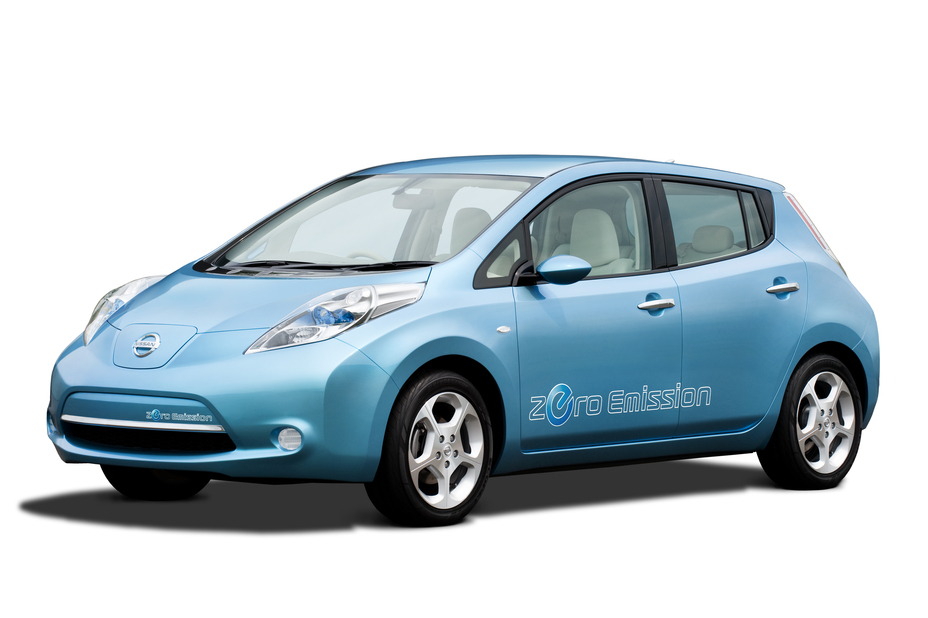
Charging a Nissan Leaf at home shouldn’t feel like rocket science. Yet, many of us—new and even seasoned EV drivers—still find ourselves scratching our heads, wondering whether we’re doing it the “best” or “safest” way. The good news? Home charging can be incredibly simple, cost-efficient, and surprisingly satisfying once we understand the basics.
Think of this guide as the friendly co-pilot that walks beside you, flashlight in hand, showing exactly what to do, what not to do, and how to make your Leaf sip electrons like a pro.
In this comprehensive breakdown, we explore home charging methods, required equipment, installation tips, hidden costs, energy-saving tricks, safety guidance, and real-world strategies to get the most range for the least money. Let’s dive in.
Content in this publication
- Understanding How Home Charging Works
- The Three Ways to Charge a Nissan Leaf at Home
- What You Need to Charge a Nissan Leaf at Home
- Level 1 Charging: Setup, Pros, and Cons
- Level 2 Charging: The Homeowner’s Favorite
- How to Install a Level 2 Charger at Home
- How Much Does It Cost to Charge at Home?
- Reducing Home Charging Costs
- Charging a Nissan Leaf from Solar Power
- How to Avoid Common Home Charging Mistakes
- Home Charging Safety Tips
- How to Maximize Your Leaf’s Battery Life When Charging at Home
- Step-by-Step: How to Charge a Nissan Leaf at Home
- Troubleshooting Home Charging Issues
- Home vs Public Charging: The Honest Comparison
- Conclusion: Charging a Nissan Leaf at Home Is the Way EV Ownership Should Feel
- FAQs
Understanding How Home Charging Works
Home charging revolves around one idea: converting your household electricity into the power your Leaf’s battery can store. Unlike fueling a petrol car where we pay for speed, EV charging is about balance—speed, battery health, and cost.
Electricity Flow 101
Inside your home:
- AC (alternating current) flows from your grid or solar.
- The Leaf's onboard charger converts AC → DC.
- The DC goes straight into your traction battery.
- Charging speed depends on the onboard charger, not just the wall unit.
Leaf Onboard Charger Specs
- 3.3 kW on early models
- 6.6 kW on most 2013+ higher trims
- 6.6 kW standard on most 40 kWh and 62 kWh Leaf models
This determines the maximum AC home charging speed.
The Three Ways to Charge a Nissan Leaf at Home
1. Level 1 Charging (Standard 120V Home Plug)
This is your “just moved in, no equipment yet” option.
We all start here at least once.
- Uses the portable charging cable included with the Leaf
- Plugs into a standard household socket
- Slow but reliable
Typical Charging Speed:
~4–5 miles of range per hour
Best For:
Daily short commutes, overnight charging, backup charging
2. Level 2 Charging (240V Home Charger)
This is the gold standard for most Leaf owners.
If Level 1 is a garden hose, Level 2 is a power shower.
- Requires a dedicated 240V circuit (like a dryer outlet)
- Uses a wall-mounted or portable EVSE (Electric Vehicle Supply Equipment)
- Much faster, more energy-efficient, and perfect for daily use
Typical Charging Speed:
15–30 miles of range per hour (depending on Leaf model)
Best For:
Daily reliability, fast overnight charging, large battery packs
3. Level 3 DC Fast Charging (Not for Home Use)
Let’s keep it short:
DC fast charging cannot be installed at home.
It requires commercial-level infrastructure and draws up to 50 kW or more.
Home charging = Level 1 or Level 2.
What You Need to Charge a Nissan Leaf at Home
Think of home charging like setting up a cozy reading corner:
a few essential pieces make the experience perfect.
Required Equipment Checklist
- Nissan Leaf compatible EVSE (Level 1 or Level 2)
- A safe, grounded electrical outlet
- A dedicated 240V circuit (for Level 2)
- Wall space for mounting (if installing a station)
- Outdoor-rated hardware (if charging outdoors)
- Surge protection (highly recommended)
Optional But Extremely Useful Add-Ons
- Smart charger with Wi-Fi energy monitoring
- Timer outlet or smart home integration
- Solar panels + home battery storage
- Cable holster and retractable cable reel
Level 1 Charging: Setup, Pros, and Cons
How to Set Up Level 1 Charging
It’s nearly plug-and-play.
- Plug the Nissan trickle charger into a standard grounded outlet.
- Insert the J1772 connector into your Leaf.
- Wait for the blue charging indicator lights to pulse.
- Leave overnight.
Advantages
- No installation required
- Cheapest entry point
- Safe when using a dedicated 15A outlet
- Perfect for low-use drivers
Disadvantages
- Very slow charging
- Uses more electricity (lower efficiency)
- Can overload old home wiring if misused
When Level 1 Is Enough
If your daily drive is under 30–40 miles, Level 1 may cover everything.
Level 2 Charging: The Homeowner’s Favorite
This is where home charging truly shines.
Why Level 2 Is Worth It
- Faster charging = less waiting
- Just plug in and enjoy full overnight recharge
- Far better energy efficiency
- Ideal for 40 kWh and 62 kWh Leaf batteries
Charging Time Estimates
| Battery Size | Empty → Full (Level 2) |
|---|---|
| 24 kWh | 4–5 hours |
| 30 kWh | 5–6 hours |
| 40 kWh | 7–8 hours |
| 62 kWh | 9–11 hours |
How to Install a Level 2 Charger at Home
Installing a Level 2 system isn’t complicated, but it must be done right.
You may be interested in reading Citroën C3 Aircross Boot Space: The Ultimate Practicality Guide for Everyday Life
1. Choose Your EVSE
There are two types:
- Hardwired wall-mounted units (best reliability)
- Portable plug-in 240V units (best flexibility)
Recommended features:
- 32–40A output
- Wi-Fi monitoring
- UL/CE certification
- Weatherproof housing
2. Evaluate Your Electrical Panel
A licensed electrician should:
- Check load capacity
- Verify grounding
- Add breakers if required
- Install a 240V NEMA 14-50 or 6-50 outlet
3. Install the Charger
Your electrician will:
- Mount the EVSE
- Run conduit
- Connect breakers
- Test voltage
- Confirm safe operation
4. Test Charging
Plug in the Leaf:
Blue lights dancing? You’re good.
How Much Does It Cost to Charge at Home?
Charging cost depends on electricity prices and how fully you charge the battery.
Real-World Examples
- 40 kWh battery × $0.15/kWh ≈ $6.00 per full charge
- 62 kWh battery × $0.15/kWh ≈ $9.30 per full charge
How Far Does That Get You?
Leaf efficiency:
3.5–4.2 miles per kWh
Full charge range:
- 40 kWh: 140–168 miles
- 62 kWh: 217–260 miles
Charging at home = the EV equivalent of paying $1.00–$1.50 per gallon of petrol.
Reducing Home Charging Costs
We all love saving money. Here are the easiest ways:
1. Charge During Off-Peak Hours
Many utilities offer:
- Nighttime discounts
- Time-of-use (TOU) rates
- Weekend rates
2. Use Nissan’s Built-In Charging Timer
Set charging to begin when electricity is cheapest.
3. Install Solar Panels
Solar + EV = incredibly cheap home charging.
4. Use Smart Chargers
They automatically charge when energy is cheapest.
5. Pre-condition the Car While Plugged In
This reduces battery drain during driving.
Charging a Nissan Leaf from Solar Power
Solar charging is one of the most satisfying things Leaf owners can do.
How Solar Charging Works
- Solar panels generate AC
- Goes to your inverter
- Feeds your home circuits
- EVSE delivers it to your Leaf
Key Benefits
- Near-free driving
- Lower carbon footprint
- Energy independence
- Increased home value
How to Avoid Common Home Charging Mistakes
1. Using Old or Damaged Outlets
Overheating risk
Use dedicated circuits only.
2. Running the Cable Under a Door
Pinched cables = bad news.
You may be interested in readingCitroën C3 Aircross Boot Space: The Ultimate Practicality Guide for Everyday LifeYou may be interested in reading
 Citroën C3 Aircross Tyre Pressure Guide: Exact Specs, Charts & Expert Recommendations
3. Leaving the Cable in Standing Water
Even weatherproof cables shouldn’t swim.
4. Charging Through Extension Cords
Never do this.
It’s a fire hazard.
5. Ignoring Software Updates
Nissan updates improve charging behavior.
Home Charging Safety Tips
Safety is everything. Here’s our condensed playbook.
Always
- Use a certified EVSE
- Install a GFCI-protected circuit
- Keep cables clean and off the ground
- Inspect plugs weekly
- Ensure proper ventilation for chargers
Never
- Charge from broken outlets
- Modify charging connectors
- Overload household circuits
- Charge during major electrical storms
How to Maximize Your Leaf’s Battery Life When Charging at Home
A well-charged Leaf battery can last a decade or more.
But we can treat it right to extend its health.
Battery Care Tips
- Keep charge between 20% and 80% for daily driving
- Avoid frequent 100% charges unless needed
- Don’t let the battery sit empty
- Charge slowly when possible
- Park in shade during hot weather
- Use pre-heat or pre-cool while plugged in
Why This Works
Lithium-ion batteries prefer gentle cycles.
Think of them as marathon runners, not sprinters.
Step-by-Step: How to Charge a Nissan Leaf at Home
Here’s the simple play-by-play.
1. Park and Power Off
Position near your charger port.
2. Open the Charging Door
Located above the Nissan badge.
3. Plug in the J1772 Connector
Make sure it clicks securely.
4. Confirm Charging Status
Blue dashboard LEDs show:
- One light = charging started
- Two lights = charging
- Three lights = almost complete
5. Unplug Once Complete
Press the release button and store the cable.
Troubleshooting Home Charging Issues
No Lights When Plugged In
- Bad outlet
- Tripped breaker
- EVSE fault
- Leaf onboard charger issue
Charging Is Slow
- Using Level 1
- Cold weather
- Battery balancing
- Low-amperage circuit
Charging Won’t Start
- Timer active
- Loose connector
- EVSE overheating
- Incompatible outlet
Charger Disconnects Randomly
- Overloaded circuit
- Faulty wiring
- High ambient temperature
Home vs Public Charging: The Honest Comparison
Home Charging
- Cheaper
- More convenient
- Better for battery health
- Slower than DC fast charging
Public Charging
- Faster
- More available for long trips
- Often more expensive
- Busy stations during peak times
Home charging wins for daily use—every time.
Conclusion: Charging a Nissan Leaf at Home Is the Way EV Ownership Should Feel
Charging your Nissan Leaf at home is more than plugging in a cable—it’s a lifestyle upgrade. It’s waking up every morning with a full “tank.” It’s spending less on fuel than ever before. It’s the freedom to drive without waiting in line, checking pumps, or smelling gasoline.
By choosing the right equipment, installing a safe Level 2 setup, and using smart charging habits, we make the Leaf experience smoother, cheaper, cleaner, and more satisfying. Whether you're a first-time EV owner or a long-time Nissan Leaf fan, a well-optimized home charging setup transforms daily driving into something wonderfully effortless.
FAQs
1. How long does it take to charge a Nissan Leaf at home?
Level 1 takes 20–35 hours.
Level 2 takes 4–11 hours depending on battery size.
2. Can I plug my Leaf into a regular home outlet?
Yes, but it’s slow. Use Level 1 only on dedicated outlets.
3. Do I need a special charger installed?
For fast daily charging, yes—you need a 240V Level 2 EVSE.
You may be interested in readingCitroën C3 Aircross Boot Space: The Ultimate Practicality Guide for Everyday LifeYou may be interested in reading
Citroën C3 Aircross Tyre Pressure Guide: Exact Specs, Charts & Expert RecommendationsYou may be interested in reading
 Best Engine Oil for Citroën C3: Complete Oil Specification & Maintenance Guide
4. Is home charging cheaper than public charging?
Usually dramatically cheaper, especially on off-peak energy rates.
5. Can I charge my Nissan Leaf with solar power?
Absolutely. Solar + EV charging is one of the most cost-efficient setups available.
If you want to know other articles similar to How to Charge a Nissan Leaf at Home: The Complete Owner’s Guide you can visit the category Service and Parts.
How to Reset Volvo XC60 Infotainment System: The Complete Practical Guide
Volvo XC60 Gearbox Oil Change: The Complete Expert Guide
Volvo XC60 Engine Management Light: Causes, Fixes, and What It Really Means

Skoda Kamiq Size Comparison: Dimensions, Space & Real-World Practicality
Volvo XC60 Headlight Adjustment for Europe: The Complete Practical Guide
Volvo XC60 City Safety Service Required: What It Means, Causes, and Fixes
Leave a Reply
More content of your interest