

Hyundai i20 Engine Size: A Complete, Friendly, Expert Guide to Every Powertrain

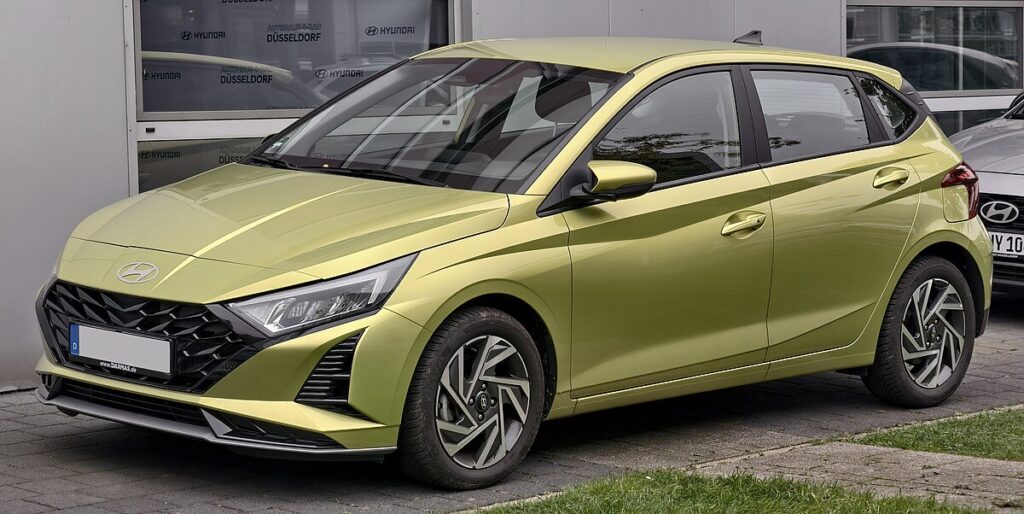
The Hyundai i20 has always been one of those clever hatchbacks that punches far beyond its weight class. But if there’s one element that truly defines its character, performance, and long-term running costs, it’s the engine sitting under that compact bonnet. Today, we’re breaking down every Hyundai i20 engine size across generations, what each one feels like on the road, how they behave in real-world driving, and which one might suit your daily rhythm best.
Think of this as the kind of guide we’d share with a friend over coffee—only with more detail, deeper insight, and plenty of those metaphors and comparisons that make big topics feel easy and fun. So, let’s pop the hood together.
Content in this publication
- Understanding the Hyundai i20 Engine Landscape
- Hyundai i20 Engine Size by Generation
- 1.0-Litre T-GDi Turbo Engine (Newer Generations)
- 1.2-Litre MPi Petrol Engine (Most Popular Non-Turbo Option)
- 1.4-Litre Petrol Engine (Older Generations)
- 1.4-Litre CRDi Diesel Engine
- 1.5-Litre Diesel Engine (Select Markets)
- 1.25-Litre Kappa Petrol Engine (First Generation)
- Engine Size Chart
- Fuel Economy
- Maintenance Costs
- For City Driving
- For Motorway Driving
- For High Mileage
- For Fun, Spirited Driving
- Small Engines (1.0–1.2 litres)
- Larger Engines (1.4–1.5 litres)
- Most Reliable Engine Sizes
- Most Modern & Efficient
- Longest-Lasting for High Mileage
- Choose the 1.0 T-GDi if…
- Choose the 1.2 MPi if…
- Choose the 1.4 Petrol if…
- Choose a diesel if…
- 1.0-Litre Turbo
- 1.2-Litre MPi
- 1.4 Petrol
- 1.4 Diesel
- 1.5 Diesel
- 1. What is the smallest engine size in the Hyundai i20?
- 2. Which Hyundai i20 engine is best for fuel economy?
- 3. Is the 1.0 T-GDi engine reliable?
- 4. Is the 1.2 MPi good for motorway driving?
- 5. Which Hyundai i20 engine lasts the longest?
Understanding the Hyundai i20 Engine Landscape
Before we dive into specific engine sizes, let’s create a quick mental map. Across generations, the i20 has used:
- 1.0-litre petrol turbo engines
- 1.2-litre naturally aspirated petrol engines
- 1.4-litre petrol and diesel engines (older models)
- 1.5-litre diesel engines (select markets)
- 1.25-litre petrol engines (first gen)
Each one brings its own flavour—like choosing between espresso, cappuccino, or a long latte depending on how you plan to start your day.
Hyundai i20 Engine Size by Generation
Second Generation (2014–2020)
This era introduced refinement, efficiency, and modern tech into the i20 ecosystem.
Third Generation (2020–Present)
Here, Hyundai shifted toward compact turbo engines and mild-hybrid capability, meeting global efficiency standards while still keeping the fun alive.
1.0-Litre T-GDi Turbo Engine (Newer Generations)
What Is It?
A compact, three-cylinder, turbocharged petrol engine available in several power outputs (typically 100 PS or 120 PS).
How Does It Feel?
Think of it like a terrier—small but eager, lively, and surprisingly powerful. On city streets, the 1.0 T-GDi responds quickly thanks to its turbo boost, giving you effortless acceleration even at low speeds.
Why It Works So Well
- Excellent fuel efficiency
- Punchy mid-range torque
- Available with 48V mild-hybrid technology
- Great for mixed city and motorway use
Ideal For
Drivers who want balance: fun, efficiency, and smooth performance.
1.2-Litre MPi Petrol Engine (Most Popular Non-Turbo Option)
What Is It?
A naturally aspirated four-cylinder engine found in many European and Asian markets.
Road Character
Smooth, predictable, and calm—like a Sunday morning drive with no rush. It won’t pin you to the seat, but it will get you where you want to go without any drama.
Why It Stands Out
- Low maintenance
- Simple engineering
- Affordable running costs
- Ideal for new drivers or city-heavy use
Power Output
Roughly 75–84 PS, depending on region and year.
You may be interested in reading Hyundai i20 Oil Guide: The Complete Engine Oil Specification, Viscosity, Capacity & Maintenance Manual
1.4-Litre Petrol Engine (Older Generations)
Personality Check
This one feels like a dependable old friend—steady and reliable. It’s not meant for spirited cornering, but it has enough muscle for long-distance comfort.
Where It Appeared
Widely offered in the first and second generations.
Strengths
- Smooth mid-range
- Excellent reliability record
- Suitable for motorway commuters
1.4-Litre CRDi Diesel Engine
The Diesel Workhorse
The 1.4 CRDi is built for efficiency first. If you’ve ever driven long stretches of motorway or love high-mileage value, this diesel engine is likely your match.
Why Drivers Love It
- Outstanding fuel economy
- High torque for hills or fully loaded driving
- Long engine life
Weaknesses
- Not the most refined engine sound
- Diesels may be restricted in future emissions zones
1.5-Litre Diesel Engine (Select Markets)
The Torque Champion
The 1.5 diesel is like a quiet weightlifter—capable, strong, and surprisingly smooth. This engine shines when carrying passengers or luggage.
Perfect For
Ride-sharing drivers, high-mileage travellers, or anyone who loves efficiency with substance.
1.25-Litre Kappa Petrol Engine (First Generation)
Charmingly Simple
The 1.25 engine helped launch the i20’s early popularity thanks to its fuss-free design and light running costs.
Pros
- Very reliable
- Cheap to maintain
- Great for new drivers
Cons
- Low power output
- Less suitable for steep motorway inclines
Comparing Hyundai i20 Engine Sizes (Complete Breakdown)
Let’s lay everything out in an easy-to-digest comparison so you can see how each engine size stacks up.
Engine Size Chart
| Engine Size | Type | Power Output (Approx.) | Best For |
|---|---|---|---|
| 1.0 T-GDi | Turbo petrol | 100–120 PS | Mixed use, performance, daily drives |
| 1.2 MPi | NA petrol | 75–84 PS | City driving, low running costs |
| 1.4 Petrol | NA petrol | 100 PS | Motorway stability, mature driving |
| 1.4 CRDi Diesel | Diesel | 75–90 PS | Efficiency lovers, long-distance commuters |
| 1.5 Diesel | Diesel | 90–115 PS | Heavy users, ride-sharing, strong torque |
| 1.25 Petrol | NA petrol | 83 PS | Budget drivers, first-time buyers |
How Engine Size Affects Real-World Driving
Fuel Economy
Generally:
Smaller, turbocharged engines = better city efficiency.
Larger, naturally aspirated engines = smoother but thirstier on steep roads or high speeds.
Maintenance Costs
- NA engines (1.2 MPi, 1.25) = simple and inexpensive
- Turbo engines (1.0 T-GDi) = more moving parts but offer better performance
- Diesels = great longevity but costlier repairs if driven mostly short distances
Performance: Which Hyundai i20 Engine Feels Best?
For City Driving
1.2 MPi or 1.0 T-GDi
Both are nimble, easy to park, and fuel-efficient. The turbo is more playful.
For Motorway Driving
1.0 T-GDi (120 PS)
or
1.4 Petrol (older models)
Both offer steady acceleration and more relaxed cruising.
For High Mileage
1.4 CRDi or 1.5 Diesel
Diesel torque makes long journeys effortless.
For Fun, Spirited Driving
1.0 T-GDi 120 PS
This engine brings surprising swagger to a small hatchback.
Hyundai i20 Oil Guide: The Complete Engine Oil Specification, Viscosity, Capacity & Maintenance ManualYou may be interested in reading
 Hyundai i20 Service Reset: The Complete Step-By-Step Guide We All Needed
How Engine Size Affects Insurance and Tax Costs
Small Engines (1.0–1.2 litres)
- Lower emissions
- Usually fall into cheaper insurance groups
- Great for younger drivers
Larger Engines (1.4–1.5 litres)
- Higher tax (depending on country)
- Higher insurance groups
- Usually bought by drivers doing more annual mileage
Which Hyundai i20 Engine Size Is Most Reliable?
Based on owner reports, maintenance logs, and widespread market feedback:
Most Reliable Engine Sizes
- 1.2 MPi
- 1.25 Kappa
- 1.4 Petrol
These engines are mechanically simple and have stood the test of time.
Most Modern & Efficient
- 1.0 T-GDi (with 48V hybrid)
Longest-Lasting for High Mileage
- 1.5 Diesel
Which Hyundai i20 Engine Size Should You Choose?
Here’s the truth: the “best” engine size depends entirely on the life you lead.
Choose the 1.0 T-GDi if…
You want something modern, quick, efficient, and fun.
Choose the 1.2 MPi if…
You spend most of your time in the city and want low maintenance.
Choose the 1.4 Petrol if…
You want smooth motorway journeys without fuss.
Choose a diesel if…
You drive long distances daily or carry heavy loads frequently.
Hyundai i20 Engine Size Pros & Cons Summary
1.0-Litre Turbo
- Pros: Fast, efficient, refined
- Cons: Slightly higher maintenance costs
1.2-Litre MPi
- Pros: Cheap to run, reliable
- Cons: Lacks punch on motorways
1.4 Petrol
- Pros: Smooth and versatile
- Cons: Older tech
1.4 Diesel
- Pros: Exceptional economy
- Cons: Future emission restrictions
1.5 Diesel
- Pros: Strong torque
- Cons: Not widely available
A Friendly Closing Thought
The Hyundai i20’s wide variety of engine sizes makes it a flexible, user-friendly hatchback. Whether you prioritise economy, power, reliability, or long-distance comfort, there’s truly an i20 for everyone. Understanding these engines—how they feel, perform, and age—helps you choose the right heartbeat for your car. And now that you’ve explored each size in detail, you’re far better prepared than the typical buyer scanning spec sheets.
FAQs
1. What is the smallest engine size in the Hyundai i20?
The smallest is the 1.0-litre turbo petrol in newer models or the 1.25-litre in older ones.
2. Which Hyundai i20 engine is best for fuel economy?
The 1.4 CRDi diesel and 1.5 diesel offer the best long-distance fuel efficiency.
3. Is the 1.0 T-GDi engine reliable?
Yes, especially with regular maintenance—it's modern, efficient, and popular across Hyundai’s lineup.
4. Is the 1.2 MPi good for motorway driving?
It can manage motorways, but it’s best suited for city driving due to its lower power output.
You may be interested in readingHyundai i20 Oil Guide: The Complete Engine Oil Specification, Viscosity, Capacity & Maintenance ManualYou may be interested in reading
Hyundai i20 Service Reset: The Complete Step-By-Step Guide We All NeededYou may be interested in reading
 Hyundai i20 Tyre Pressure Reset: The Complete Step-by-Step Guide for Every Model Year
5. Which Hyundai i20 engine lasts the longest?
Diesels typically last longest under high-mileage use, while the 1.2 MPi and 1.4 petrol engines are extremely reliable for everyday users.
If you want to know other articles similar to Hyundai i20 Engine Size: A Complete, Friendly, Expert Guide to Every Powertrain you can visit the category Service and Parts.
Ford Mondeo Towing Capacity: The Complete Real-World Guide
Ford Mondeo Key Fob Battery Change: The Complete Step-by-Step Guide
Ford Mondeo Boot Space: The Complete Practical Guide for Everyday Drivers
Ford Mondeo Estate Boot Size: The Ultimate Practicality Guide
Ford Mondeo Tyre Pressure: The Complete Guide for Safe, Smooth Driving
Ford Mondeo Length: Dimensions, Generations, and Real-World Insights
Leave a Reply
More content of your interest