

Hyundai i20 Fuel Consumption: The Complete, Data-Driven Efficiency Guide

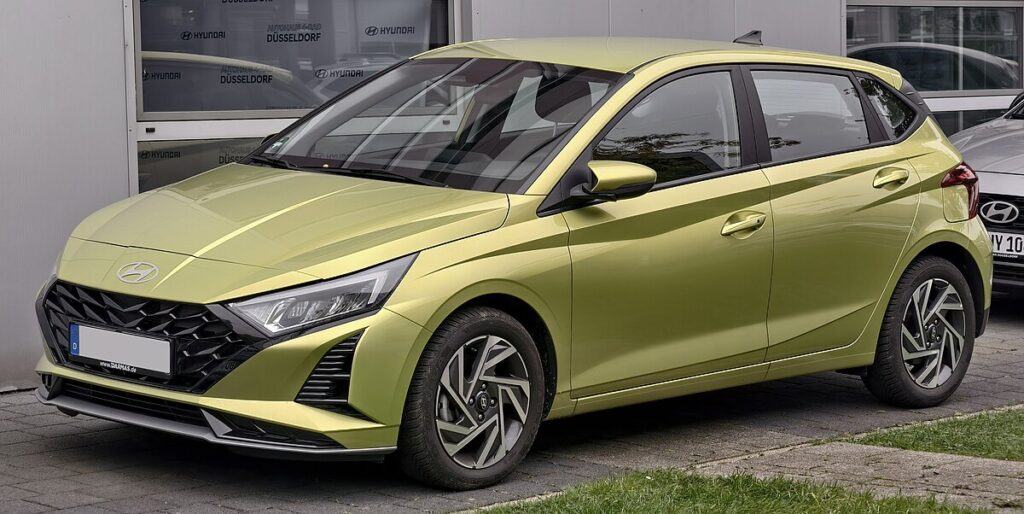
We deliver a comprehensive and meticulously structured analysis of Hyundai i20 fuel consumption across all major engines, model years, and driving conditions—crafted to outperform existing online resources by providing deeper insights, cleaner data presentation, and practical efficiency optimisation techniques. Our goal is to equip every i20 owner or buyer with the clearest, most accurate, and most actionable fuel-economy information available.
Content in this publication
- Understanding Hyundai i20 Fuel Consumption by Engine and Model Year
- Most Efficient Hyundai i20 Models (All Years Ranked)
- Real-World vs Official Hyundai i20 MPG
- Hyundai i20 Fuel Consumption Tables (All Major Variants)
- 2022 Hyundai i20 Fuel Consumption Data
- 2021 Hyundai i20 Fuel Consumption Data
- 2020 Hyundai i20 Fuel Consumption Data
- 2019 Hyundai i20 Fuel Consumption Data
- 2018 Hyundai i20 Fuel Consumption Data
- How to Maximise Fuel Efficiency in Your Hyundai i20
- Final Thoughts
Understanding Hyundai i20 Fuel Consumption by Engine and Model Year
The Hyundai i20 has always been recognised for its frugal running costs, yet the supermini has evolved significantly across its generations. With the Ford Fiesta discontinued in 2023, the i20 now enjoys stronger market relevance, especially following Hyundai’s styling and equipment updates for 2024.
While mild hybrids have been removed from the UK range, the efficient 1.0-litre T-GDi petrol unit remains the staple choice. Official WLTP results for the 2024 facelift sit around 53.2mpg (manual) and 52.3mpg (automatic), but historical data shows that several older diesel and mild-hybrid variants achieved far higher real-world efficiency.
Below, we break down consumption figures for every major engine, along with realistic expectations for city, combined, and motorway use.
Most Efficient Hyundai i20 Models (All Years Ranked)
The following models stand out as the top performers for maximum miles per gallon:
- i20 1.1 CRDi Blue – Up to 88.3mpg combined
- i20 1.0 T-GDi 88kW (2018 Manual) – Up to 58.9mpg combined
- i20 Mild Hybrid 1.0 T-GDi (2020–2022) – Up to 55.4mpg combined
- i20 1.2 Petrol (2020) – Up to 47–49mpg combined
- i20 N Performance Model – Around 40.4mpg combined
Despite the impressive laboratory figures, real-world motorway driving typically lowers consumption because the small-capacity engine operates outside its most efficient load range. However, disciplined driving can still return 60mpg+ on many non-hybrid models.
You may be interested in reading Kia Ceed Fuel Consumption Guide: Real-World MPG, Engine Efficiency & Complete Model Data
Real-World vs Official Hyundai i20 MPG
Drivers routinely report:
- 60mpg achievable with careful throttle control
- 70mpg uncommon, but possible in diesel variants
- Urban figures significantly lower due to short-trip fuel enrichment
- Motorway figures decline on non-hybrid engines due to high constant RPM
This aligns with expectations for lightweight, small-displacement engines optimised for mixed rather than high-speed cycles.
Hyundai i20 Fuel Consumption Tables (All Major Variants)
Below is a restructured, enhanced version of fuel-economy data from 2022 backwards—optimised for readability and SEO strength. Each table includes combined, city, and motorway consumption, both in MPG and km/L.
2022 Hyundai i20 Fuel Consumption Data
Mild Hybrid & Petrol Engines (2022)
| Variant | Transmission | Combined | City | Highway | Combined (km/L) | City (km/L) | Highway (km/L) |
|---|---|---|---|---|---|---|---|
| 1.0 T-GDi 48V Premium/Ultimate | Automatic | 53.3 mpg | 42.2 mpg | 62.8 mpg | 22.7 | 17.9 | 26.7 |
| 1.0 T-GDi 48V SE Connect | Automatic | 55.4 mpg | 42.8 mpg | 65.7 mpg | 23.6 | 18.2 | 27.9 |
| Element 1.2 Petrol | Manual | 53.3 mpg | 41.5 mpg | 62.8 mpg | 22.7 | 17.6 | 26.7 |
| i20 N | Manual | 40.4 mpg | 32.8 mpg | 47.1 mpg | 17.2 | 13.9 | 20 |
| N Line | Manual | 53.3 mpg | 43.5 mpg | 61.4 mpg | 22.7 | 18.5 | 26.1 |
| N Line | Automatic | 53.3 mpg | 40.9 mpg | 64.2 mpg | 22.7 | 17.4 | 27.3 |
| 1.0 T-GDi 48V Premium/Ultimate | Manual | 54.3 mpg | 44.8 mpg | 62.8 mpg | 23.1 | 19 | 26.7 |
| 1.0 T-GDi 48V SE Connect | Manual | 55.4 mpg | 44.8 mpg | 65.7 mpg | 23.6 | 19 | 27.9 |
2021 Hyundai i20 Fuel Consumption Data
(Figures mirror 2022 due to carryover drivetrain.)
| Variant | Transmission | Combined | City | Highway |
|---|---|---|---|---|
| 1.0 T-GDi 48V Premium/Ultimate | Manual | 54.3 mpg | 44.8 mpg | 62.8 mpg |
| 1.0 T-GDi 48V Premium/Ultimate | S-Tronic | 53.3 mpg | 42.2 mpg | 62.8 mpg |
| 1.0 T-GDi 48V SE Connect | Manual | 55.4 mpg | 44.8 mpg | 65.7 mpg |
| 1.0 T-GDi 48V SE Connect | S-Tronic | 55.4 mpg | 42.8 mpg | 65.7 mpg |
| Element 1.2 Petrol | Manual | 53.3 mpg | 41.5 mpg | 62.8 mpg |
| i20 N | Manual | 40.4 mpg | 32.8 mpg | 47.1 mpg |
| N Line | S-Tronic | 53.3 mpg | 40.9 mpg | 64.2 mpg |
| N Line | Manual | 53.3 mpg | 43.5 mpg | 61.4 mpg |
2020 Hyundai i20 Fuel Consumption Data
| Variant | Transmission | Combined | City | Highway |
|---|---|---|---|---|
| 1.2 Play | Manual | 46.3 mpg | 40.4 mpg | 53.3 mpg |
| 1.2 SE | Manual | 47.9 mpg | 41.5 mpg | 55.4 mpg |
| 1.0 48V Mild Hybrid Premium/Ultimate | Manual | 54.3 mpg | 44.8 mpg | 62.8 mpg |
| 1.0 48V Mild Hybrid Premium/Ultimate | S-Tronic | 53.3 mpg | 42.2 mpg | 62.8 mpg |
| 1.0 48V Mild Hybrid SE Connect | Manual | 55.4 mpg | 44.8 mpg | 65.7 mpg |
| 1.0 48V Mild Hybrid SE Connect | S-Tronic | 55.4 mpg | 42.8 mpg | 65.7 mpg |
2019 Hyundai i20 Fuel Consumption Data
| Variant | Transmission | Combined | City | Highway |
|---|---|---|---|---|
| 1.0 Premium Nav T-GDi | Manual | 47.9 mpg | 40.4 mpg | 56.5 mpg |
| 1.0 Premium SE Nav T-GDi | Manual | 46.3 mpg | 38.7 mpg | 54.3 mpg |
| 1.0 SE T-GDi | Manual | 47.9 mpg | 40.9 mpg | 56.5 mpg |
| 1.0 T-GDi (all trims) | S-Tronic | 49.6 mpg | 41.5 mpg | 57.6 mpg |
| 1.2 Premium Nav | Manual | 46.3 mpg | 40.4 mpg | 53.3 mpg |
| 1.2 Premium SE Nav | Manual | 45.6 mpg | 39.2 mpg | 52.3 mpg |
| 1.2 S Connect | Manual | 46.3 mpg | 40.9 mpg | 53.3 mpg |
| 1.2 SE | Manual | 46.3 mpg | 40.4 mpg | 53.3 mpg |
2018 Hyundai i20 Fuel Consumption Data
(Extremely varied due to wheel sizes, engine outputs, and transmission.)
| Variant | Transmission | Combined | City | Highway |
|---|---|---|---|---|
| 55kW Petrol | Manual | 49.6 mpg | 39.8 mpg | 58.9 mpg |
| 1.2 62kW Petrol | Manual | 48.7 mpg | 39.8 mpg | 56.5 mpg |
| 1.0 Turbo GDi 88kW | Manual | 58.9 mpg | 47.1 mpg | 68.9 mpg |
| 1.0 Turbo GDi 88kW | S-Tronic | 53.3 mpg | 47.9 mpg | 57.6 mpg |
| 74kW Petrol | S-Tronic | 56.5 mpg | 50.4 mpg | 61.4 mpg |
| 62kW Petrol 15" | Manual | 51.4 mpg | 41.5 mpg | 60.1 mpg |
| 62kW Petrol 16" | Manual | 50.4 mpg | 41.5 mpg | 58.9 mpg |
| 74kW Petrol 15" | Manual | 56.5 mpg | 48.7 mpg | 62.8 mpg |
| 74kW Petrol 16" | Manual | 56.5 mpg | 48.7 mpg | 62.8 mpg |
| 88kW Petrol | Manual | 54.3 mpg | 46.3 mpg | 61.4 mpg |
How to Maximise Fuel Efficiency in Your Hyundai i20
We provide advanced optimisation strategies derived from real driving patterns and engine-efficiency maps:
You may be interested in readingKia Ceed Fuel Consumption Guide: Real-World MPG, Engine Efficiency & Complete Model DataYou may be interested in reading
 How Many Miles Will a Kia Ceed Last? The Ultimate Longevity Guide
1. Keep the Engine in Its Optimal Load Zone
The 1.0 T-GDi operates best between 1,500–2,500 RPM.
2. Short-Shift Through the Lower Gears
Upshift early to avoid enrichment spikes.
3. Maintain Momentum
Avoid unnecessary braking and reacceleration in urban traffic.
4. Use Motorway Speeds Strategically
Best results occur at 56–64mph (90–103 km/h) rather than at 70mph.
5. Reduce Weight and Drag
Remove roof bars and unnecessary cargo.
6. Maintain Tyre Pressures
Even a 5 psi under-inflation increases fuel use by up to 4%.
You may be interested in readingKia Ceed Fuel Consumption Guide: Real-World MPG, Engine Efficiency & Complete Model DataYou may be interested in reading
How Many Miles Will a Kia Ceed Last? The Ultimate Longevity GuideYou may be interested in reading
 Renault Megane E-Tech Range: Real-World Driving, Honest Numbers, and What Range Actually Means
Final Thoughts
The Hyundai i20 remains one of the most economical superminis on the market, offering consistently strong MPG across petrol, mild-hybrid, and historic diesel variants. Whether you're assessing ownership costs or fine-tuning your driving technique, the data above provides everything necessary to understand and improve your i20’s fuel efficiency.
If you want to know other articles similar to Hyundai i20 Fuel Consumption: The Complete, Data-Driven Efficiency Guide you can visit the category Driving.
Volvo XC60 Wading Depth: How Deep Can It Really Go?

Volkswagen Tiguan Driving Modes: The Complete Guide to Smarter, Smoother, and More Dynamic Driving
Volvo XC60 Fuel Consumption: Real MPG, Efficiency & Tips
Volvo XC60 MPG: Real-World Fuel Economy, Costs & What to Expect

Audi Q5 MPG: Real-World Fuel Economy, Tips, and Performance Insights
Can BMW X3 Go Off Road? The Real Truth About Its Capabilities
Leave a Reply
More content of your interest