

Hyundai i20 Timing Chain Replacement – The Complete Owner’s Guide

Content in this publication
- Understanding Why the Timing Chain Matters
- Do Hyundai i20 Models Have a Timing Chain or Belt?
- Why Timing Chains Fail on the Hyundai i20
- Warning Signs Your Hyundai i20 Needs a Timing Chain Replacement
- How Long Does a Timing Chain Last on a Hyundai i20?
- What Happens If You Ignore a Failing Timing Chain?
- Hyundai i20 Timing Chain Replacement Cost
- What Parts Are Replaced During a Timing Chain Job?
- Step-by-Step Overview of the Replacement Process
- Can You Drive Your i20 With a Bad Timing Chain?
- How to Prevent Timing Chain Problems
- Should You Replace the Water Pump at the Same Time?
- Are There Timing Chain Recalls on the Hyundai i20?
- How Long Does the Replacement Take?
- DIY Timing Chain Replacement: Should You Attempt It?
- Choosing the Right Mechanic for the Job
- How Your i20 Will Feel After Replacement
- Closing Thoughts
- FAQs
Understanding Why the Timing Chain Matters
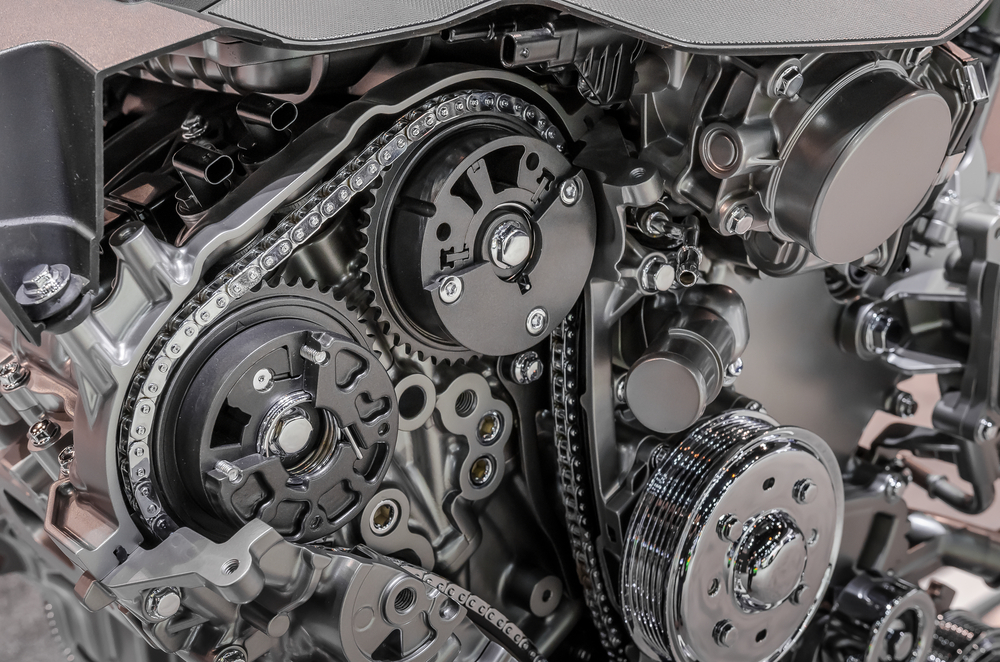
When we talk about keeping a Hyundai i20 running smoothly, the timing chain always comes up as one of those behind-the-scenes heroes. It quietly synchronises the crankshaft and camshaft, making sure valves and pistons dance in perfect rhythm. When that rhythm falters? We feel it. The engine misfires, rattles like a loose toolbox, or—worst case—suffers catastrophic internal damage.
It’s not the most glamorous part of the i20, but it’s one of the most essential. And replacing it isn’t cheap, quick, or something we want to get wrong.
So in this guide, we’re breaking down everything we’ve learned: when to replace the timing chain, how to recognise those early warning signs, the real-world costs, labour expectations, tools involved, risks of ignoring symptoms, plus expert tips we’ve gathered from years turning wrenches and helping i20 owners keep their cars alive and thriving.
Let’s dig in.
Do Hyundai i20 Models Have a Timing Chain or Belt?
Most Hyundai i20 petrol engines use a timing chain, which is designed to last the lifetime of the engine—but that doesn’t always happen.
Common i20 Engines and Their Timing Systems
| Engine | Fuel | Generation | Timing Type |
|---|---|---|---|
| 1.0 T-GDi | Petrol | 2nd & 3rd gen | Timing Chain |
| 1.2 MPi | Petrol | 1st, 2nd, 3rd gen | Timing Chain |
| 1.4 MPi | Petrol | 1st & 2nd gen | Timing Chain |
| 1.4 CRDi | Diesel | 1st & 2nd gen | Timing Chain |
| 1.1 CRDi | Diesel | 1st gen | Timing Chain |
In all common markets—UK, EU, India—the i20 is overwhelmingly chain-driven.
So why do chains still fail? Wear, low-quality oil, infrequent servicing, and tensioner issues.
Why Timing Chains Fail on the Hyundai i20
Timing chains are “lifetime components” in theory, but real-life driving throws curveballs:
Top Causes of Timing Chain Failure
- Poor oil quality or wrong oil grade
Chain lubrication relies entirely on clean, correct-viscosity oil. - Extended oil change intervals
The i20 is especially sensitive to sludging in older engines. - Faulty tensioner or guides
These plastic and hydraulic components wear faster than the chain itself. - Aggressive driving habits
High-revving and cold starts accelerate wear. - Low oil pressure
A warning sign that the chain may suffer inadequate lubrication.
A chain doesn’t snap like a rubber belt—but it stretches. And a stretched chain is just as dangerous.
Warning Signs Your Hyundai i20 Needs a Timing Chain Replacement
If your i20 is “talking” to you, we must listen. Timing chain problems tend to give early clues.
Critical Symptoms to Watch For
Rattling Noise on Cold Starts
A metallic rattle for 2–5 seconds after starting usually signals tensioner wear.
Check Engine Light (CEL)
Common OBD codes include:
- P0016 – Crankshaft/Camshaft misalignment
- P0017 – Timing correlation error
Rough Idle or Engine Misfires
A stretched chain affects valve timing. The engine runs unevenly, especially when warm.
Loss of Power
If the i20 feels sluggish, the ECU may be compensating for incorrect timing.
Poor MPG
Incorrect timing reduces combustion efficiency.
Engine Struggling to Start
This is a late-stage warning. At this point, replacement is urgent.
These aren’t “maybe” signs. They are call-to-action signals from your engine.
How Long Does a Timing Chain Last on a Hyundai i20?
Official manufacturer stance: lifetime (often interpreted as 150,000–200,000 km or 90,000–125,000 miles).
Real-world experience: Chains often need inspection or replacement around 100,000 km – 150,000 km, especially on high-mileage petrol turbo engines.
High-Risk Scenarios
- Urban stop/start driving
- Long gaps between oil changes
- Engines run on low-quality oil
- Repeated short trips
Chains don’t have a fixed interval, so symptoms dictate replacement timing more than mileage.
What Happens If You Ignore a Failing Timing Chain?
Think of the chain as the conductor of your mechanical orchestra. When the conductor loses timing, the orchestra turns chaotic.
You may be interested in reading Hyundai i20 Brake Light Bulb Replacement
Consequences of Neglect
- Bent valves
- Piston damage
- Broken camshaft
- Full engine rebuild
- Complete engine replacement
This is one of those repairs we never postpone. Early intervention always saves money.
Hyundai i20 Timing Chain Replacement Cost
The cost varies massively based on engine, region, and labour rates.
Average Cost Breakdown
| Region | Typical Total Cost |
|---|---|
| UK | £650 – £1,400 |
| Europe | €700 – €1,600 |
| India | ₹15,000 – ₹45,000 |
| Australia | $900 – $2,000 |
Why the Range is So Wide?
A timing chain job requires:
- Front engine disassembly
- Specialist tools
- High labour hours (5–12 hours depending on engine)
- Replacement of guides, tensioner, seals, and gaskets
We’re not just changing the chain—we’re refreshing the entire timing system.
What Parts Are Replaced During a Timing Chain Job?
A proper shop will never replace the chain alone.
Complete Replacement Kit Typically Includes:
- Timing chain
- Chain tensioner
- Chain guides
- Camshaft sprockets
- Crankshaft sprocket
- Valve cover gasket
- Crankshaft seal
- Front timing cover seal
- Fresh engine oil
- New oil filter
Skipping supporting components is a shortcut that ends up expensive.
Step-by-Step Overview of the Replacement Process
This isn’t a DIY job for most owners—it’s a technical marathon. But understanding the process helps us see where the labour cost comes from.
1. Diagnosis
Mechanics run:
- OBD scan
- Timing correlation analysis
- Engine noise inspection
2. Engine Access
- Remove engine covers
- Drain coolant and oil
- Remove auxiliary belts
- Access timing cover
This alone may take hours.
3. Timing Cover Removal
Bolts, mounts, and brackets must be removed. The engine might need supporting or lifting.
4. Locking the Engine Timing
Special locking tools ensure the engine stays in the correct position.
5. Removing Old Components
Chain, tensioner, sprockets, and guides come out.
6. Installing New Components
Everything is replaced, lubricated, and torqued to spec.
7. Reassembly
New seals installed, timing cover refitted, belts reattached.
8. Testing & Calibration
Mechanic checks:
- Timing alignment
- Oil pressure
- Engine noise
- ECU timing adaptations
The job wraps only after a successful road test.
Can You Drive Your i20 With a Bad Timing Chain?
In theory: yes, but you shouldn’t.
In reality: it’s like driving with a ticking time bomb.
Why Driving Is Risky
- Chain can skip a tooth
- Engine timing becomes unstable
- Damage multiplies with every start
If symptoms appear, the safest decision is to park the car until repaired.
How to Prevent Timing Chain Problems
Prevention is wonderfully cheap compared to timing chain replacement.
Follow These Pro Tips
- Use high-quality oil (fully synthetic 5W-30 or 0W-20 depending on engine).
- Change oil every 7,500–10,000 km, even if Hyundai recommends longer intervals.
- Avoid frequent short trips – the engine rarely reaches full lubrication.
- Let the engine warm up naturally – avoid revving when cold.
- Address oil leaks immediately.
A well-maintained chain seldom fails early.
You may be interested in readingHyundai i20 Brake Light Bulb ReplacementYou may be interested in reading
 Hyundai i20 Repair Cost: A Complete, Real-World Ownership Guide
Should You Replace the Water Pump at the Same Time?
Unlike timing belts, the i20’s water pump typically does not require replacement with the timing chain. But if the pump is showing:
- Noise
- Leaks
- Bearing play
…it may be cost-effective to do it during the same job, since the labour overlap is significant.
Are There Timing Chain Recalls on the Hyundai i20?
As of now, no major global recall targets the i20’s timing chain system.
However, local service bulletins have been issued for:
- Noisy tensioners
- Premature chain wear on turbo engines
Always check your VIN with a Hyundai dealership to confirm.
How Long Does the Replacement Take?
Most workshops quote:
- 5–8 hours for 1.2/1.4 MPi engines
- 7–12 hours for 1.0 turbo models
- 8–14 hours for diesel i20 engines
Diesel engines have tighter packaging and more complex timing assemblies.
DIY Timing Chain Replacement: Should You Attempt It?
We rarely recommend it unless you:
- Have advanced mechanical skills
- Own proper timing lock tools
- Are comfortable opening the front of an engine
- Have torque specs, workshop diagrams, and plenty of patience
This job is on the same difficulty tier as:
- Head gasket replacement
- Clutch + flywheel removal
- Full engine rebuild steps
One mistake puts the engine at risk.
Choosing the Right Mechanic for the Job
For such a sensitive repair, expertise is everything.
What to Look For
- Experience with Hyundai engines
- Warranty on workmanship (12 months minimum)
- Use of OEM or high-quality aftermarket kits
- Transparent quotes
- Clear diagnostic explanation
A trustworthy workshop saves us money, stress, and return visits.
How Your i20 Will Feel After Replacement
Drivers often report:
- Smoother idle
- Quieter engine during cold starts
- Improved fuel efficiency
- Better throttle response
It’s like giving the engine a new backbone.
Closing Thoughts
Timing chain replacement on a Hyundai i20 is one of those repairs that feels intimidating—both technically and financially. But when we understand the symptoms, the risks, the costs, and the process, the whole situation becomes manageable.
A healthy timing chain means a healthy engine. And a healthy engine means our i20 keeps giving us those smooth commutes, long road trips, and worry-free daily drives.
Take care of the chain, and the chain will take care of you.
FAQs
1. What mileage should I replace the Hyundai i20 timing chain?
There’s no fixed interval, but most replacements happen around 100,000–150,000 km when symptoms begin.
2. Can a timing chain break suddenly?
Chains rarely snap, but they stretch or jump timing, causing severe engine damage.
3. Is the timing chain covered under warranty?
It may be covered if failure occurs within the powertrain warranty period and is deemed a manufacturing defect.
4. How do I know if my timing chain is stretched?
Rattle at startup, timing codes (P0016/P0017), rough idle, and weak acceleration are typical signs.
You may be interested in readingHyundai i20 Brake Light Bulb ReplacementYou may be interested in reading
Hyundai i20 Repair Cost: A Complete, Real-World Ownership GuideYou may be interested in reading
 Kia Ceed Boot Space: The Complete, Real-World Guide for Everyday Drivers
5. What oil is best to prevent timing chain wear?
Use high-quality fully synthetic oil that matches Hyundai’s specification—usually 5W-30 or 0W-20 depending on the engine.
If you want to know other articles similar to Hyundai i20 Timing Chain Replacement – The Complete Owner’s Guide you can visit the category Service and Parts.
Ford Mondeo Towing Capacity: The Complete Real-World Guide
Ford Mondeo Key Fob Battery Change: The Complete Step-by-Step Guide
Ford Mondeo Boot Space: The Complete Practical Guide for Everyday Drivers
Ford Mondeo Estate Boot Size: The Ultimate Practicality Guide
Ford Mondeo Tyre Pressure: The Complete Guide for Safe, Smooth Driving
Ford Mondeo Length: Dimensions, Generations, and Real-World Insights
Leave a Reply
More content of your interest