

Hyundai i20 Tyre Pressure: The Complete Guide to Perfect Inflation for Safety, Comfort, and Fuel Savings

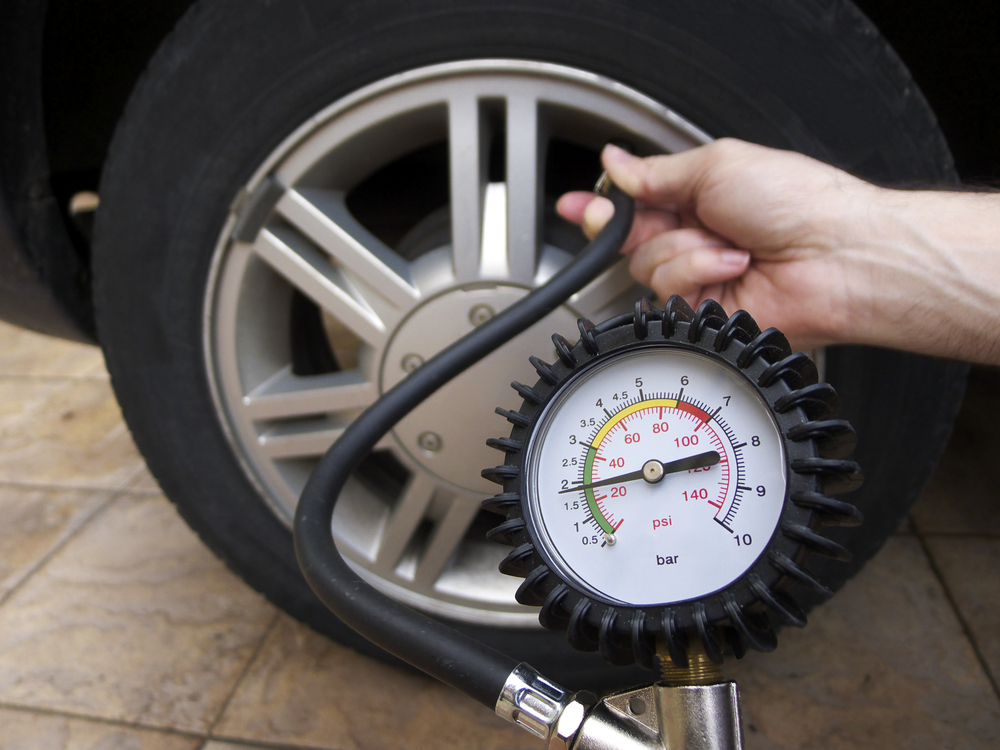
Keeping our Hyundai i20 running smoothly often comes down to the basics — and tyre pressure is one of those deceptively simple details that can transform the car’s handling, fuel economy, and overall driving feel. We’ve all been there: rushing out the door, turning the ignition, noticing the little amber TPMS light glowing like it knows we’re in a hurry. Yet tyre pressure is more than a dashboard warning — it’s the heartbeat of our i20’s performance.
In this complete, easy-to-read, highly detailed guide, we break down everything from optimal Hyundai i20 tyre pressure charts, cold vs. warm inflation, pressure for different load conditions, fuel economy tricks, and tyre pressure mistakes we see way too often. So let’s dive deep, keep it casual, ask the right questions, and make sure we’re treating our tyres the way they deserve.
Content in this publication
- Why Tyre Pressure Matters More Than We Think
- Factory-Recommended Hyundai i20 Tyre Pressure Settings
- Hyundai i20 Tyre Pressure by Tyre Size
- Driving Style and Conditions: How They Change Tyre Pressure Needs
- How to Check Tyre Pressure Properly
- Understanding the TPMS Light in the Hyundai i20
- How Temperature Affects Tyre Pressure
- Underinflated vs. Overinflated Tyres
- Fuel Economy: How Tyre Pressure Helps You Save Money
- Tyre Pressure for Hyundai i20 Diesel vs. Petrol
- Hyundai i20 N-Line Tyre Pressure Guide
- How Often Should We Check Hyundai i20 Tyre Pressure?
- Signs Your Hyundai i20 Tyre Pressure Is Wrong (Even Without a Gauge)
- Hyundai i20 Tyre Pressure for Spare Tyre
- Common Tyre Pressure Mistakes i20 Owners Make
- Long-Term Tyre Care Tips for Hyundai i20 Owners
- Closing Thoughts: Tyre Pressure Is Small But Mighty
- FAQs
Why Tyre Pressure Matters More Than We Think
Proper tyre pressure isn’t just about avoiding that squishy feeling as we glide over a speed bump. It affects safety, braking distance, grip, tyre lifespan, and even fuel consumption. We can think of tyres like running shoes: too soft, and we drag; too firm, and every step rattles. The i20 behaves the same way — it just has more horsepower and fewer excuses.
Key benefits of maintaining correct Hyundai i20 tyre pressure
- Better road grip in both dry and wet conditions
- Improved fuel efficiency (your wallet will thank you)
- Slower tyre wear and longer tread life
- Reduced braking distance
- More stable steering feel
- Lower risk of blowouts
Factory-Recommended Hyundai i20 Tyre Pressure Settings
Before we dive into all the special conditions and driving styles, let’s anchor ourselves with the standard manufacturer recommendations. These values work for most day-to-day driving and represent Hyundai’s own testing, engineering insight, and safety evaluations.
Standard Tyre Pressure (Most Hyundai i20 Models)
- Front: 32 PSI (2.2 bar)
- Rear: 32 PSI (2.2 bar)
These values apply to most trims across multiple generations, including the Classic, Comfort, Magna, Sportz, Asta, and N-Line variants. But tyre sizes differ — and those small differences can shift inflation needs.
Hyundai i20 Tyre Pressure by Tyre Size
Your i20 may be running on stock tyres, a custom set, or upgraded alloys. Pressure needs vary slightly depending on width, profile, and load index.
Common Hyundai i20 Tyre Sizes and Ideal Pressures
| Tyre Size | Front PSI | Rear PSI | Notes |
|---|---|---|---|
| 175/70 R14 | 32 PSI | 32 PSI | Older/entry trims |
| 185/65 R15 | 32 PSI | 32 PSI | Most popular factory size |
| 195/55 R16 | 33 PSI | 33 PSI | Sportier, common on Asta or N-Line |
| 205/45 R17 | 34 PSI | 34 PSI | Performance setups, stiffer ride |
What if your tyres are aftermarket?
No worries — a simple rule helps:
Higher-profile tyres need lower pressure; low-profile tyres need slightly higher pressure.
Driving Style and Conditions: How They Change Tyre Pressure Needs
Different situations call for different pressure tweaks. Think of it as tailoring your shoes before a run — sprinting, hiking, or strolling calls for different laces.
1. City Driving
- Recommended: 32 PSI front / 32 PSI rear
Short distances, frequent braking, slower speeds — the factory setting works perfectly.
2. Highway Driving
- Increase by +1 to +2 PSI
High speeds heat tyres quickly. Slightly higher pressure prevents overheating and improves stability.
3. Fully Loaded Car (Passengers + Luggage)
- Increase rear tyres by +2 to +3 PSI
More weight = more pressure on rear axle.
4. Hot Climate Driving
Since air expands with heat, start with 32 PSI cold and avoid inflating after long drives.
5. Cold Climate Driving
Cold air compresses. Add +1 to +2 PSI in winter to counter pressure loss.
How to Check Tyre Pressure Properly
Checking tyre pressure isn’t complicated, yet most drivers unknowingly do it incorrectly. We’ve all made these mistakes — inflating after a long drive, eyeballing instead of measuring, or trusting the petrol station gauge like it’s gospel.
Follow this simple step-by-step process
- Check when tyres are cold (car parked for 3+ hours).
- Remove the valve cap.
- Use a digital tyre pressure gauge — they’re more accurate than fuel station pumps.
- Compare your reading with the recommended PSI.
- Inflate or deflate as needed.
- Re-check the number (pressure can rise quickly).
- Replace the valve cap securely.
Understanding the TPMS Light in the Hyundai i20
The Tyre Pressure Monitoring System (TPMS) keeps an eye on inflation levels and alerts us when something goes off. But it isn’t magic — it has limits.
Why does the TPMS light turn on?
- Pressure dropped below the threshold (typically 25% low)
- Sudden temperature change
- Slow puncture
- Tyre replaced or rotated without system reset
- Faulty sensor
Resetting TPMS in the Hyundai i20
While some variants reset automatically after driving with corrected pressure, others require a manual reset. Usually, this involves:
You may be interested in reading Hyundai i20 Boot Space: The Complete Practical Guide for Everyday Life
- Correcting tyre pressure
- Driving at 50 km/h for 10–20 minutes
If the light stays on, the sensor may need reprogramming or replacement.
How Temperature Affects Tyre Pressure
Tyre pressure changes approximately 1 PSI for every 10°F (5°C) temperature change. That’s why your early-morning pressure reading looks sad and deflated even though nothing is wrong.
Rule of thumb
- Hot day: Pressure rises
- Cold day: Pressure drops
Understanding this saves us from unnecessary panic and over-inflation.
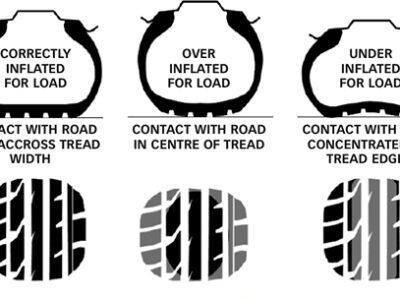
Underinflated vs. Overinflated Tyres
Both mistakes can ruin handling, tyre life, and safety — just in different ways.
Underinflated Tyres (Too Soft)
Effects:
- Poor fuel economy
- Slow steering response
- Risk of tyre overheating
- Tread wears on edges
Metaphorically: It’s like running on marshmallows — comfy at first, dangerous after a while.
Overinflated Tyres (Too Hard)
Effects:
- Harsh ride
- Reduced grip on potholes
- Centre tread wears quickly
- Higher blowout risk
Metaphorically: Running on bricks — fast, but painful.
Fuel Economy: How Tyre Pressure Helps You Save Money
Did you know correct inflation can improve fuel efficiency by up to 3%?
Low pressure creates rolling resistance — basically forcing your engine to work overtime.
Fuel-saving tyre pressure tips
- Maintain pressure at 32–34 PSI, depending on tyre size.
- Check tyres every two weeks, not just when the TPMS screams.
- Keep wheels aligned to avoid uneven wear.
Tyre Pressure for Hyundai i20 Diesel vs. Petrol
Both engines use the same chassis, so pressure differences are minimal — but diesel variants may be slightly heavier.
General guide
- Petrol i20: 32 PSI
- Diesel i20: 32–33 PSI (rear slightly higher on long trips)
Hyundai i20 N-Line Tyre Pressure Guide
The N-Line brings sportier suspension and often lower-profile tyres.
- 195/55 R16: 33 PSI
- 205/45 R17: 34 PSI
Because these tyres have less sidewall, they require higher pressure to maintain support and prevent rim damage.
How Often Should We Check Hyundai i20 Tyre Pressure?
Every two weeks is ideal.
But at minimum:
Hyundai i20 Boot Space: The Complete Practical Guide for Everyday LifeYou may be interested in reading
 Hyundai i20 Engine Size: A Complete, Friendly, Expert Guide to Every Powertrain
- Before long trips
- During seasonal changes
- When TPMS alerts
- After tyre repairs
Signs Your Hyundai i20 Tyre Pressure Is Wrong (Even Without a Gauge)
Sometimes the car tells us something is off before the TPMS does.
Look for these cues
- Steering feels heavy or slow
- Uneven tyre wear
- The car pulls to one side
- Increased fuel consumption
- Vibrations at certain speeds
Trust your driving senses — they’re better calibrated than we think.
Hyundai i20 Tyre Pressure for Spare Tyre
The spare tyre (space-saver or full-size) usually requires higher PSI.
- Space-saver spare: 60 PSI
- Full-size spare: Basics same as front/rear recommendations
Always check the label on the tyre itself.
Common Tyre Pressure Mistakes i20 Owners Make
Let’s confess — we’ve all done at least one of these:
- Inflating tyres after a long drive
- Forgetting to adjust rear pressure with heavy loads
- Trusting fuel-station air pumps blindly
- Ignoring slight pulling or vibration
- Relying solely on TPMS
Awareness is the first step; perfection follows.
Long-Term Tyre Care Tips for Hyundai i20 Owners
Good tyre pressure is step one — but long-term care keeps everything working harmoniously.
Best practices
- Rotate tyres every 8,000–10,000 km
- Balance wheels during each rotation
- Check for punctures or slow leaks
- Keep valve caps tight
- Clean debris lodged in treads
Think of this as a spa routine for your tyres — maintenance now prevents headaches later.
Closing Thoughts: Tyre Pressure Is Small But Mighty
We often overlook tyre pressure because it feels too simple, too quick, too easy to ignore. Yet it influences the Hyundai i20 more than almost any other maintenance task. With the right PSI, our i20 accelerates smoother, corners cleaner, brakes sharper, and stretches every litre of fuel further.
Whether we drive an early first-gen i20 or the punchy new N-Line, one truth holds: optimal tyre pressure equals optimal performance. And now that you know exactly how to maintain it, your i20 is ready to give you its best — on every road and every journey.
FAQs
1. What is the recommended tyre pressure for the Hyundai i20?
Most models work best at 32 PSI front and rear, though newer performance tyres may require up to 34 PSI.
2. How often should I check my i20’s tyre pressure?
Every two weeks, or whenever the TPMS light appears.
3. Does tyre pressure affect fuel economy?
Absolutely — low pressure increases fuel usage by up to 3%.
You may be interested in readingHyundai i20 Boot Space: The Complete Practical Guide for Everyday LifeYou may be interested in reading
Hyundai i20 Engine Size: A Complete, Friendly, Expert Guide to Every PowertrainYou may be interested in reading
 Hyundai i20 Oil Guide: The Complete Engine Oil Specification, Viscosity, Capacity & Maintenance Manual
4. What should I do if my TPMS light stays on?
Re-check tyre pressure, correct it, and drive for 10–20 minutes. If the light persists, a sensor may need replacement.
5. Do different tyre sizes require different pressures?
Yes — larger diameters and lower profiles typically require slightly higher PSI.
If you want to know other articles similar to Hyundai i20 Tyre Pressure: The Complete Guide to Perfect Inflation for Safety, Comfort, and Fuel Savings you can visit the category Service and Parts.
Dacia Duster Warning Lights: Complete Dashboard Symbol Guide
Dacia Duster Tyre Pressure Reset: Complete Guide for Every Model

Dacia Duster Service Light Reset: Complete Step-by-Step Guide

BMW X1 Boot Capacity: A Complete Guide to Space, Practicality, and Real-World Usability

BMW X1 Battery Replacement: The Complete Owner’s Guide

BMW X1 Engine Size: Complete Guide to BMW X1 Engine Capacity, Performance, and Options
Leave a Reply
More content of your interest