

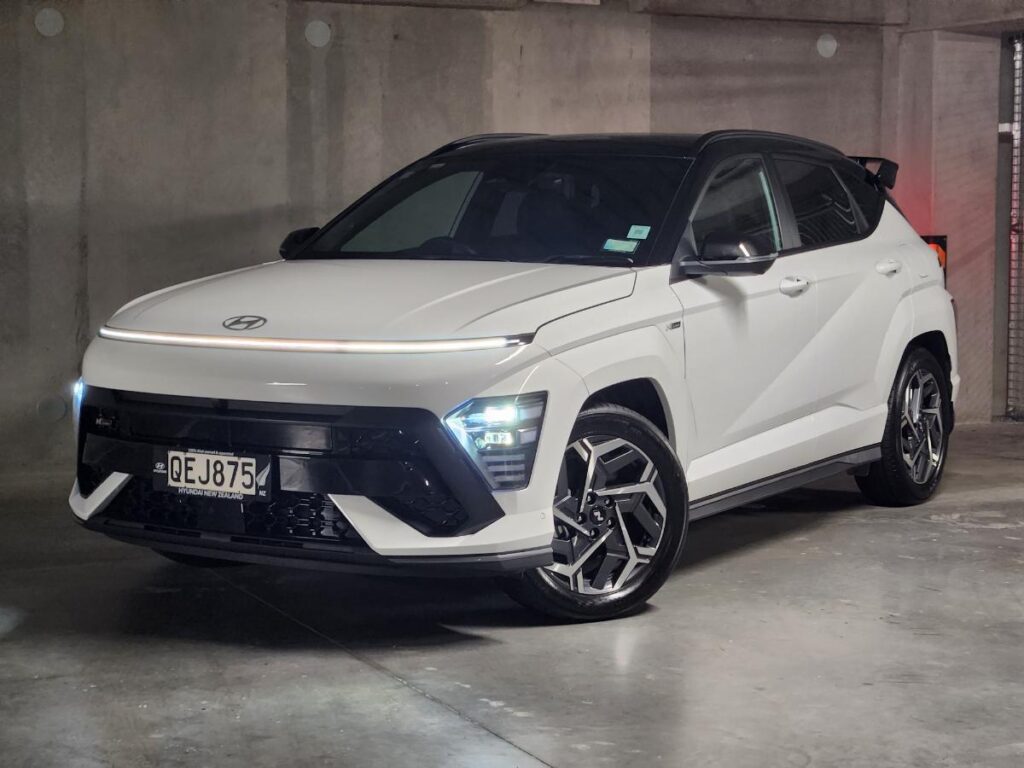
Hyundai Kona MPG: The Complete Real-World Fuel Economy Guide

Content in this publication
- Understanding the Hyundai Kona’s MPG Story
- Why MPG Matters in the Real World
- Hyundai Kona Engine Lineup and Their MPG Ratings
- Official vs Real-World Hyundai Kona MPG
- City vs Motorway MPG: Where the Kona Shines
- Hyundai Kona MPG by Model Year
- Comparing Kona MPG to Its Competitors
- Driving Habits That Influence Kona MPG
- How Weight and Cargo Impact MPG
- Best Kona MPG Engines Ranked
- Tips to Improve Hyundai Kona MPG
- Hyundai Kona Hybrid: MPG Breakdown in Detail
- MPG During Different Seasons
- Fuel Tank Size and Real-World Range
- Is the Hyundai Kona Fuel-Efficient Overall?
- Conclusion: Should You Choose the Kona for Its MPG?
- FAQs
Understanding the Hyundai Kona’s MPG Story
When we talk about MPG, we’re really talking about the heartbeat of everyday driving—how far we can stretch every drop, every pound, every kilometre. The Hyundai Kona has always been a fascinating compact SUV because it sits at the crossroads of efficiency, practicality, and character. It’s small but not tiny, clever but not complicated, and frugal without forcing us to live like monks on the motorway.
In this guide, we dive deep into its fuel economy across engines, trims, years, and conditions. Think of it as grabbing a coffee with us while we unpack everything worth knowing about the Kona’s MPG—its strengths, surprises, weak spots, and how to squeeze even more efficiency out of it.
Why MPG Matters in the Real World
MPG isn’t just a number on a brochure. It’s a real-life partner in the following ways:
- It impacts monthly fuel expenses
- It shapes long-term ownership satisfaction
- It defines how reliably the car fits your lifestyle
- It determines whether long drives feel like freedom or a financial headache
So yes, MPG matters—and the Hyundai Kona has plenty to say for itself.
Hyundai Kona Engine Lineup and Their MPG Ratings
The Hyundai Kona comes in several engine flavours, each with its own personality and efficiency. Let’s break them down.
Petrol Engines
Most markets get small-displacement turbo petrol engines, which balance pep and economy.
1.0 T-GDi Petrol (3-Cylinder)
- Average: 40–48 MPG (UK)
- Best for: Daily commuting, city driving, light motorway use
- Personality: Punchy at low speeds, frugal when driven calmly
1.6 T-GDi Petrol
- Average: 34–39 MPG (UK)
- Best for: Drivers who want power and still value reasonable fuel economy
- Personality: Sporty but thirstier, often paired with DCT transmission
Hybrid and Electric Powertrains
The hybrid and EV models shift the Kona into eco-warrior territory.
Kona Hybrid (1.6 GDi + Electric Motor)
- Average: 55–62 MPG (UK)
- Best for: City-heavy drivers, fuel misers, eco-focused families
- Personality: Surprisingly efficient everywhere, whisper-quiet in EV mode
Kona Electric
Not MPG, but its energy consumption is worth noting.
- Average: 4.0–4.3 mi/kWh
- Driving range: 189–300 miles, depending on the battery pack and driving style
Official vs Real-World Hyundai Kona MPG
You and I both know the official ratings often feel like those holiday pictures where the resort looks twice as nice online. Real life is where the truth lives.
Official WLTP Figures
- 1.0 T-GDi Petrol: 44–47 MPG
- 1.6 T-GDi Petrol: 36–39 MPG
- Hybrid: 55–60 MPG
Real-World Observed MPG
What owners typically report:
- 1.0 Petrol: 40–46 MPG
- 1.6 Petrol: 32–38 MPG
- Hybrid: 52–58 MPG
The hybrid gets closest to the brochure because electric boosts smooth out the inconsistencies of stop-start driving.
City vs Motorway MPG: Where the Kona Shines
Different engines thrive in different terrains. Let’s compare.
City Driving Efficiency
- 1.0 Petrol: Strong due to light weight
- 1.6 Petrol: Not ideal—turbo kicks often burn fuel
- Hybrid: Shines —EV mode glides in traffic
Motorway Driving Efficiency
- 1.0 Petrol: Efficient but not spectacular when pushed
- 1.6 Petrol: Better suited to motorway speeds
- Hybrid: Steady but not the king at high speeds
Hyundai Kona MPG by Model Year
Not every model year is equal. Hyundai consistently tweaks the Kona with software updates, engine mapping changes, and aerodynamic improvements.
You may be interested in reading Hyundai Kona Real-World Range: The Complete, No-Nonsense Guide
2017–2020 Kona MPG Trends
- Early models were slightly thirstier
- The 1.0 T-GDi averaged closer to 40–43 MPG
- Hybrid introduced in 2019 boosted lineup efficiency
2021–2023 Kona MPG Trends
- Improved engine calibration
- Better tyre compounds enhanced rolling efficiency
- Hybrid easily achieved mid-50s MPG
2024+ New-Generation Kona MPG
- Extended EV range
- Smarter hybrid energy recovery
- Petrol engines fine-tuned for lower emissions and improved MPG
Comparing Kona MPG to Its Competitors
To understand the Kona, we must compare it to rivals in the same arena.
Against Ford Puma
- Puma Mild Hybrid: 50–55 MPG (slightly better)
- Kona 1.0 Petrol: competitive but not leading
Against Nissan Juke
- Juke 1.0 Turbo: 46–50 MPG
- Kona Hybrid beats it; petrol models are similar
Against Toyota Yaris Cross
- Yaris Cross: 55–65 MPG (class-leading)
- Kona Hybrid sits close but still trails slightly
Against Renault Captur
- Captur petrol: 42–48 MPG
- Kona petrol sits in the same band
Driving Habits That Influence Kona MPG
Fuel economy isn’t just an engine issue—it’s a human sport.
Acceleration Habits
Hard acceleration burns fuel fast.
Smooth throttle? That’s your MPG superpower.
Cruising Speed
- Driving at 55–65 mph: excellent economy
- Driving at 75+ mph: MPG drops by up to 20%
Tyre Pressure
Under-inflated tyres = rolling resistance = nasty MPG drops
Check monthly, not yearly.
Air Conditioning
A/C at full blast? Expect 1–2 MPG loss.
Driving Mode
- Eco = best MPG
- Normal = balanced
- Sport = goodbye fuel
How Weight and Cargo Impact MPG
We rarely think about weight, but it’s like asking the car to go jogging with a backpack full of bricks.
Common Weight Mistakes
- Leaving sports equipment in the boot
- Roof bars permanently attached
- Forgetting to remove winter gear in summer
Every extra 50 kg reduces MPG by approximately 1–2 MPG.
Best Kona MPG Engines Ranked
After reviewing all data and real-world reports, here’s the ranking:
1. Kona Hybrid
⭐ Winner — 55–62 MPG
2. 1.0 T-GDi Petrol
Respectable balance — 40–48 MPG
3. 1.6 T-GDi Petrol
Powerful but thirsty — 34–39 MPG
Tips to Improve Hyundai Kona MPG
Let’s talk about squeezing every last drop of efficiency.
Quick Wins
- Keep tyres at the recommended PSI
- Use Eco mode whenever possible
- Remove roof rails when not needed
- Avoid rapid acceleration
Medium-Term Improvements
- Use premium fuel occasionally to clean carbon deposits
- Check wheel alignment twice a year
- Reduce idling time
Long-Term Strategy
- Maintain engine oil regularly
- Replace air filters on time
- Keep hybrid battery software updated
Hyundai Kona Hybrid: MPG Breakdown in Detail
Breaking down hybrid behaviour helps us understand why it performs so well.
You may be interested in readingHyundai Kona Real-World Range: The Complete, No-Nonsense GuideYou may be interested in reading
 Hyundai Kona Fuel Consumption: The Complete Real-World Efficiency Guide
How the Hybrid Achieves High MPG
The system works like a dance:
- Electric motor handles low-speed starts
- Petrol engine supports acceleration
- Regenerative braking recharges the battery
- Smart switching maximises efficiency in traffic
Best Situations for Maximum Hybrid MPG
- Slow-moving urban lanes
- Stop-start commutes
- Gentle suburban cruising
Less Ideal Situations
- High-speed motorway runs
- Fast accelerations
- Long hill climbs
MPG During Different Seasons
The Kona behaves differently depending on the weather.
Summer MPG
- Best efficiency of the year
- Warm air improves combustion
- AC subtracts roughly 1–2 MPG
Winter MPG
- Cold air thickens engine fluids
- Battery efficiency drops for hybrids
- Expect 5–10% lower MPG
Fuel Tank Size and Real-World Range
Understanding how far the Kona takes you between refills gives better context.
1.0 Petrol
- Tank: ~50 litres
- Real-world range: 350–430 miles
1.6 Petrol
- Tank: ~50 litres
- Real-world range: 300–380 miles
Kona Hybrid
- Tank: ~38 litres
- Real-world range: 500–650 miles (excellent)
Is the Hyundai Kona Fuel-Efficient Overall?
In simple terms: yes, especially if you choose the hybrid. The petrol engines are competitive, not class-leading, but still deliver solid numbers for a compact SUV with respectable performance.
The hybrid, however, enters a different league—one filled with savings, serenity, and effortless economy.
Conclusion: Should You Choose the Kona for Its MPG?
If your priority is fuel economy, the Hyundai Kona stands strong—particularly the hybrid version, which consistently outperforms most competitors in real-world situations. The petrol lineup is sensible and capable, offering enough efficiency for the average daily driver.
We’d suggest:
- Go Hybrid if MPG is your absolute priority
- Choose the 1.0 Petrol if you want balance
- Choose the 1.6 Petrol if performance matters more than consumption
Either way, the Kona delivers a dependable MPG story, making it one of the smartest small SUVs in today’s market.
FAQs
1. Which Hyundai Kona has the best MPG?
The Hyundai Kona Hybrid offers the best MPG, achieving 55–62 MPG in real-world conditions.
2. Is the Hyundai Kona good for long motorway trips?
Yes, though MPG varies by engine. The 1.6 petrol holds motorway speeds best, while the hybrid excels in mixed driving.
3. How can I increase the MPG on my Kona?
Use Eco mode, reduce excess weight, maintain proper tyre pressure, and avoid aggressive acceleration.
4. Does the Kona Hybrid perform well in winter?
It still performs well, but expect slightly lower MPG due to colder battery temperatures.
5. Is the Hyundai Kona fuel-efficient compared to rivals?
Yes. The hybrid is among the most efficient in its class, while the petrol versions are competitive with the segment average.
You may be interested in readingHyundai Kona Real-World Range: The Complete, No-Nonsense GuideYou may be interested in reading
Hyundai Kona Fuel Consumption: The Complete Real-World Efficiency GuideYou may be interested in reading
 Hyundai Kona Miles Per kWh: The Complete Real-World Efficiency Guide
If you want to know other articles similar to Hyundai Kona MPG: The Complete Real-World Fuel Economy Guide you can visit the category Driving.
Volvo XC60 Wading Depth: How Deep Can It Really Go?

Volkswagen Tiguan Driving Modes: The Complete Guide to Smarter, Smoother, and More Dynamic Driving
Volvo XC60 Fuel Consumption: Real MPG, Efficiency & Tips
Volvo XC60 MPG: Real-World Fuel Economy, Costs & What to Expect

Audi Q5 MPG: Real-World Fuel Economy, Tips, and Performance Insights
Can BMW X3 Go Off Road? The Real Truth About Its Capabilities
Leave a Reply
More content of your interest