
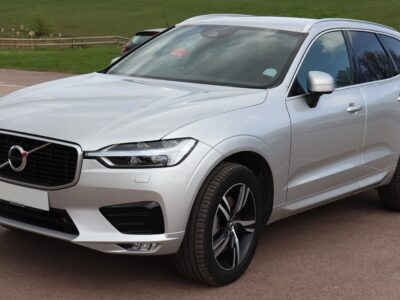
Is BMW 1 Series a Good First Car? A Real-World Guide for New Drivers


Buying your first car feels like choosing your first pair of wings. It’s the machine that teaches you independence, mistakes, confidence, and responsibility. So, when the BMW 1 Series enters the chat, eyebrows rise. A BMW? As a first car? Isn’t that like giving a rookie pilot a jet?
Let’s slow down and look at reality. We’ve driven, owned, insured, repaired, and lived with cars long enough to know hype from truth. The BMW 1 Series isn’t just a badge—it’s a compact hatchback with real-world strengths and real-world compromises. The question isn’t “Is it cool?” It’s “Is it sensible for a beginner?”
Let’s find out.
Content in this publication
- Why First Cars Matter More Than You Think
- What the BMW 1 Series Actually Is
- The Case For the BMW 1 Series as a First Car
- The Case Against It
- Which BMW 1 Series Models Work Best for Beginners?
- Running Costs in the Real World
- How It Compares to Typical First Cars
- What New Drivers Actually Learn in a 1 Series
- Who the BMW 1 Series Is Right For
- Who Should Choose Something Else
- Psychology of Your First Car
- Buying Tips for First-Time BMW Owners
- The Verdict
- Closing Thoughts
- FAQs
Why First Cars Matter More Than You Think
Your first car isn’t about speed or status. It’s about:
- Learning traffic behavior
- Understanding maintenance
- Making mistakes without financial ruin
- Building driving confidence
A first car is a classroom on wheels. It should forgive errors, not punish them.
That’s why this decision deserves more than badge-blind excitement.
What the BMW 1 Series Actually Is
The BMW 1 Series is BMW’s smallest hatchback. Across generations, it’s been:
- Rear-wheel drive (older models)
- Front-wheel drive (newer models)
- Available with petrol, diesel, hybrid, and performance trims
It’s compact, premium, and engineered with that unmistakable BMW driving feel. But “premium” cuts both ways.
The Case For the BMW 1 Series as a First Car
1. It Feels Grown-Up
Unlike many starter cars, the 1 Series doesn’t feel like a toy. The steering is sharp, the ride is composed, and the cabin feels like a real adult space. For a new driver, that sense of seriousness builds respect for the machine.
2. Strong Safety Credentials
Modern BMW 1 Series models come with:
- Multiple airbags
- Stability control
- Lane assist
- Collision warnings
- Solid crash-test scores
You’re not learning in a tin can.
3. Manageable Size
It’s small enough for city driving and parking, yet stable on highways. That balance is gold for beginners.
4. Teaches Real Driving
Especially older rear-wheel-drive versions. They reward smooth inputs and teach throttle discipline. It’s a masterclass in car control.
The Case Against It
Let’s be honest.
1. Insurance Can Bite Hard
Insurers see “BMW” and sharpen their pencils. Young drivers already face high premiums. Add a premium badge and the bill can sting.
2. Maintenance Isn’t Cheap
Even base models cost more to service than:
- Toyota Corolla
- Ford Fiesta
- VW Polo
Parts, labor, and diagnostics all lean premium.
You may be interested in reading Mercedes-Benz A-Class Reliability: Can Luxury Stay Dependable?
3. Temptation Is Built In
Power, grip, and confidence can become a trap. New drivers may overestimate their skills.
A fast car doesn’t make you a fast driver—it just lets you reach trouble sooner.
Which BMW 1 Series Models Work Best for Beginners?
Not all 1 Series cars are equal.
Best Picks
- 116i / 118i petrol
- 116d / 118d diesel
- Manual transmission
- Base or SE trims
These versions offer:
- Reasonable power
- Lower insurance groups
- Better fuel economy
- Cheaper running costs
Avoid as a First Car
- M135i / M140i
- xDrive performance trims
- High-mileage neglected examples
They’re brilliant cars—just not training wheels.
Running Costs in the Real World
Fuel
Expect:
- 35–45 mpg (petrol)
- 50–65 mpg (diesel)
Insurance
For young drivers:
- Entry models: manageable but still higher than economy cars
- Performance trims: wallet-threatening
Maintenance
Typical annual costs include:
- Servicing
- Brake pads
- Tyres
- Occasional sensors or electronics
BMW ownership rewards care. Neglect becomes expensive.
How It Compares to Typical First Cars
| Car | Cheap to Run | Fun to Drive | Premium Feel | Forgiving |
|---|---|---|---|---|
| Toyota Yaris | ⭐⭐⭐⭐⭐ | ⭐⭐ | ⭐ | ⭐⭐⭐⭐⭐ |
| Ford Fiesta | ⭐⭐⭐⭐ | ⭐⭐⭐⭐ | ⭐⭐ | ⭐⭐⭐⭐ |
| VW Polo | ⭐⭐⭐ | ⭐⭐⭐ | ⭐⭐⭐ | ⭐⭐⭐ |
| BMW 1 Series | ⭐⭐ | ⭐⭐⭐⭐ | ⭐⭐⭐⭐ | ⭐⭐⭐ |
The BMW trades affordability for refinement.
What New Drivers Actually Learn in a 1 Series
A BMW 1 Series teaches:
- Throttle control
- Respect for grip
- Smooth steering
- Braking discipline
It doesn’t mask mistakes—it reflects them.
That’s powerful.
Who the BMW 1 Series Is Right For
It’s ideal if you:
- Have support for maintenance
- Value driving feel
- Are disciplined behind the wheel
- Want something grown-up from day one
- Plan to keep the car long-term
It’s not for someone who just needs “anything that moves.”
Who Should Choose Something Else
Choose a simpler car if you:
- Need ultra-low running costs
- Want zero maintenance stress
- Aren’t confident in self-control
- Need the cheapest insurance possible
A first car should serve your life—not strain it.
You may be interested in readingMercedes-Benz A-Class Reliability: Can Luxury Stay Dependable?You may be interested in reading
 Mercedes A-Class Years to Avoid: A Buyer’s Survival Guide
Psychology of Your First Car
Your first car shapes habits.
A BMW can:
- Encourage pride in ownership
- Promote better driving behavior
- Build mechanical awareness
Or…
- Invite overconfidence
- Increase financial pressure
The difference isn’t the car—it’s the driver.
Buying Tips for First-Time BMW Owners
- Always check service history
- Avoid neglected examples
- Get an inspection
- Budget for maintenance
- Start with lower power
A cheap BMW is often the most expensive BMW.
The Verdict
So… is the BMW 1 Series a good first car?
Yes—for the right person.
It’s not the easiest path. It’s not the cheapest road. But it’s one that can teach responsibility, reward discipline, and make every drive feel meaningful.
Think of it like learning guitar on a professional instrument. It won’t play itself. But if you respect it, it will make you better.
Closing Thoughts
A first car should be a partner, not a burden. The BMW 1 Series can be either. Treated wisely, it’s a refined teacher. Treated recklessly, it’s an expensive lesson.
We don’t choose first cars just with wallets—we choose them with personality.
And that’s what makes this decision powerful.
FAQs
Is a BMW 1 Series too powerful for a first car?
Base models aren’t. Performance trims are.
Is insurance always expensive?
It’s higher than economy cars, but manageable on entry trims.
Are older BMW 1 Series reliable?
With good maintenance—yes. Neglected ones—no.
Is it good for city driving?
Yes. Compact, agile, and easy to park.
Will it make me a better driver?
If you’re willing to learn—it absolutely can.
You may be interested in readingMercedes-Benz A-Class Reliability: Can Luxury Stay Dependable?You may be interested in reading
Mercedes A-Class Years to Avoid: A Buyer’s Survival GuideYou may be interested in reading
 Mercedes-Benz A-Class CO₂ Emissions: What Your Hatchback Really Leaves Behind
If you want to know other articles similar to Is BMW 1 Series a Good First Car? A Real-World Guide for New Drivers you can visit the category Blog.
Volvo XC60 Quality: A Deep Dive Into Premium Craftsmanship and Everyday Excellence
Volvo XC60 Reliability by Year: The Complete Owner’s Guide
Which Ford Kuga Engine Is Best? The Ultimate Buyer’s Guide
Pros and Cons Mazda CX-30: The Real-World Ownership Breakdown
Peugeot 308 Years to Avoid: The Ultimate Buyer’s Guide
Dacia Duster Reliability: The Real Story Behind This Budget SUV
Leave a Reply
More content of your interest