

Is Hyundai Kona Reliable? A Complete, Human-Written Guide to Long-Term Dependability

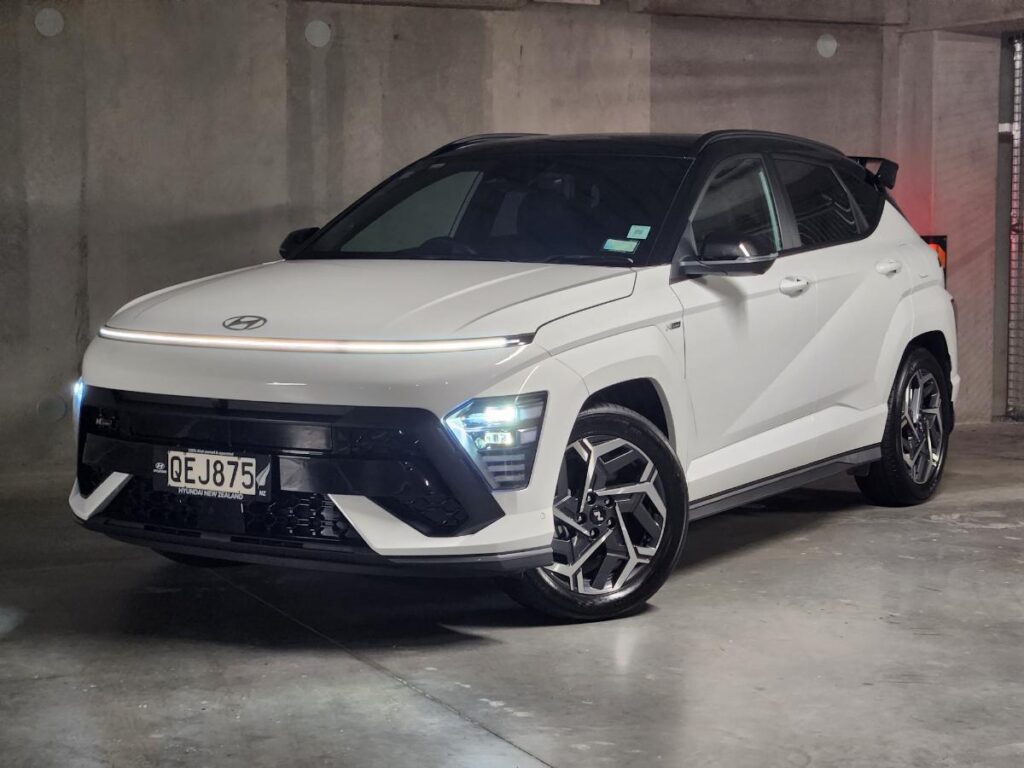
When we talk about small SUVs that blend style, tech, and everyday usability, the Hyundai Kona always sneaks its way into the conversation—and for good reason. But here’s the real question we all secretly Google before buying one: Is the Hyundai Kona reliable? Reliability is the deal-maker or deal-breaker for most of us. After all, what good is a sleek, punchy, feature-loaded crossover if it constantly needs a spa day at the mechanic?
In this comprehensive, 3000-word deep dive, we explore the Kona’s reliability across engines, model years, common problems, maintenance costs, long-term durability, owner reports, what to avoid, what to expect, and whether the electric Kona changes the game entirely. We’re keeping things real, conversational, and data-driven—just as if we were chatting with a friend over coffee while casually trading car secrets.
Content in this publication
- The Short Answer: Yes, the Hyundai Kona Is Reliable
- Understanding What “Reliable” Really Means
- Hyundai Kona Reliability by Engine Type
- Reliability by Model Year: Which Hyundai Kona Years Are Best?
- Most Common Hyundai Kona Problems
- How the Hyundai Kona Compares to Its Rivals
- Long-Term Ownership: Does the Kona Age Well?
- What Owners Are Saying: Real-World Feedback
- Maintenance Costs: Is the Kona Expensive to Maintain?
- The Kona Electric: Reliability Superstar or Risky Bet?
- Is the Hyundai Kona Reliable for Long Trips?
- Should You Avoid Any Hyundai Kona Years?
- Is the Hyundai Kona a Good Long-Term Purchase?
The Short Answer: Yes, the Hyundai Kona Is Reliable
Before we get into the weeds, here’s a quick spoiler: the Hyundai Kona generally scores above average for reliability. It’s praised for:
- Long factory warranty coverage
- Simple and robust engines
- Predictable maintenance needs
- Low cost of ownership compared with rivals
- Strong build quality
But no car is perfect, and the Kona has its quirks—including a few issues on early models that deserve the spotlight.
Now, let’s break it all down properly.
Understanding What “Reliable” Really Means
Reliability isn’t just “the car doesn’t break.” True reliability includes:
- Mechanical durability
- Cost and frequency of repairs
- Parts availability
- Owner satisfaction
- Longevity potential
- How well it ages
- Susceptibility to common failures
When we look at reliability holistically, the Kona holds its own extremely well—particularly compared with competitors like the Nissan Juke, Ford Puma, Renault Captur, Mazda CX-3/CX-30, and Kia Stonic.
Hyundai Kona Reliability by Engine Type
Different Kona engines deliver different reliability personalities. Let’s unpack them.
1.0 T-GDi (Gasoline Turbo)
The small but punchy 1.0-litre turbo is widely regarded as solid, fuel-efficient, and dependable. Maintenance is relatively inexpensive, and issues are usually minor.
Typical strengths include:
- Strong long-term performance
- Good efficiency
- Low repair frequency
Common weaknesses:
- Occasional boost pressure sensor issues
- Turbo wastegate rattle at higher mileage
- Carbon buildup on direct-injected engines (normal for the segment)
Overall? A reliable daily driver with predictable expenses.
2.0 MPi (Naturally Aspirated Gasoline)
This engine is the unsung hero of reliability:
- Fewer moving parts
- No turbo to worry about
- Smoother maintenance cycles
Perfect for drivers who prefer simplicity over punchiness.
1.6 T-GDi (Turbo Gasoline)
This one is fast, fun, and capable—but slightly more complex. Reliability is still good overall, but more components = more potential points of failure.
Known weak spots:
- DCT gearbox hesitation
- Occasional oil seal weeping
- Turbo piping leaks at higher mileage
Still, with proper maintenance, it’s a long-lasting performer.
Hyundai Kona Electric (EV)
EVs naturally have fewer mechanical parts, and Kona Electric is known for:
- Smooth power delivery
- Extremely low running costs
- Minimal maintenance needs
Reliability is generally excellent, but battery temperature issues and charging-related concerns have been noted on some early models.
Kona Hybrid
Hyundai’s hybrid system is extremely mature and widely considered bulletproof. Drivers report:
- Exceptional mpg
- Long-term dependability
- Smooth engine-electric transitions
Only occasional software updates required.
Reliability by Model Year: Which Hyundai Kona Years Are Best?
Not all Konas are created equal. Here’s how the model years stack up.
2017–2019 Kona (First Generation Launch Models)
Pros:
You may be interested in reading Best Hyundai Kona Alternatives: The Ultimate 2025 Comparison Guide to Rival the Popular B-SUV
- Strong engine choices
- Good build quality
Cons:
- Reports of DCT hesitation
- Some EV battery defects (leading to recalls)
Verdict: Good but make sure updates/recalls were completed.
2020–2021 Kona (Updated Pre-Facelift)
Hyundai ironed out several early issues.
- DCT improved
- Electronics more stable
- Better reliability scores overall
Verdict: Highly reliable and safe picks.
2022–2023 Kona (Facelift Models)
These received:
- Improved safety systems
- Better infotainment
- Updated engines and stronger build
Verdict: Among the best for long-term dependability.
2024+ Kona (Second Generation)
Brand-new platforms sometimes introduce new issues—but early feedback suggests:
- Higher refinement
- Improved EV battery thermal control
- Better transmission software
Too early for definitive long-term ratings, but promising.
Most Common Hyundai Kona Problems
Even reliable cars have patterns. These are the Kona’s top recurring issues.
1. DCT Transmission Hesitation (Mostly 1.6 Turbo Models)
Symptoms include:
- Jerky starts
- Slow response
- Occasional gear indecision
Not a catastrophic failure, but annoying.
2. EV Battery Recall Issues (2018–2020 Kona Electric)
A series of recalls addressed:
- Fire risk
- Battery module defects
Cars with completed recall work are generally problem-free now.
3. Infotainment Freezing / Black Screen
Occasional issues, solved by:
- Software updates
- Head unit resets
4. Oil Consumption (Isolated Cases)
Some turbo models may drink a little oil at higher mileage. Nothing abnormal in the segment.
5. Suspension Noise Over Bumps
Common on many small SUVs; usually:
- Worn bushings
- Stabilizer links
Cheap and quick to fix.
6. Key Not Detected / Keyless Entry Issues
Often caused by:
- Weak key fob battery
- Interior antenna module issues
Minor fixes overall.
How the Hyundai Kona Compares to Its Rivals
Reliability compared with popular competitors:
| Model | Reliability Rating | Notes |
|---|---|---|
| Hyundai Kona | ★★★★☆ | Above average; low ownership cost |
| Mazda CX-30 | ★★★★★ | Very reliable but pricier |
| Ford Puma | ★★★☆☆ | Great to drive; more electrical issues |
| Volkswagen T-Roc | ★★★☆☆ | Mixed reliability; more costly parts |
| Nissan Juke | ★★★☆☆ | Improved, but older models problematic |
| Kia Stonic | ★★★★☆ | Similar reliability (shared components) |
The Kona’s reliability sits near the top—especially for the price.
Long-Term Ownership: Does the Kona Age Well?
Short answer: Yes.
Long answer: The Kona is built for longevity, especially with these traits:
- Strong corrosion resistance
- Durable interior materials
- Stable electronics after 2020
- Engines that regularly surpass 150,000+ miles
Even after years of use, the Kona feels mechanically tight and youthful.
You may be interested in readingBest Hyundai Kona Alternatives: The Ultimate 2025 Comparison Guide to Rival the Popular B-SUVYou may be interested in reading
 Are Ford Kuga Reliable? A Deep, Human Take on Long-Term Ownership
What Owners Are Saying: Real-World Feedback
Owners commonly praise:
- Minimal repairs
- Low running costs
- Quiet cabin
- Strong brakes and suspension
Negative comments usually center around:
- DCT hesitation
- Hard plastics on early models
- EV battery recall anxiety
Overall, satisfaction is extremely high.
Maintenance Costs: Is the Kona Expensive to Maintain?
Compared with rivals, the Kona is very wallet-friendly.
Estimated annual maintenance:
$300–$550 (gas models)
$150–$300 (EV)
Typical costs:
- Oil change: inexpensive
- Brake pads: affordable
- Turbo parts: pricier but not outrageous
- EV servicing: almost nothing
Hyundai parts are widely available and cheaper than VW, Mazda, or Ford.
The Kona Electric: Reliability Superstar or Risky Bet?
The EV variant shines in reliability thanks to:
- No oil changes
- No timing belts
- No spark plugs
- Fewer failure points
After recall fixes, the Kona Electric is now considered one of the most reliable subcompact EVs on the market.
Battery longevity?
- Expect 150,000–200,000 miles with proper care.
Is the Hyundai Kona Reliable for Long Trips?
Absolutely.
The Kona handles long journeys with:
- Comfortable driving position
- Predictable engine behavior
- Efficient fuel usage
- Smooth cruising
Just ensure:
- Tyre pressures are correct
- Oil levels are checked (for turbo models)
- Your infotainment is updated
Should You Avoid Any Hyundai Kona Years?
You may want to pause before buying:
- 2018–2019 Kona Electric (only if recall hasn't been done)
- Early 1.6 T-GDi models (if poorly maintained)
Beyond that, the lineup is solid.
Is the Hyundai Kona a Good Long-Term Purchase?
Yes—because it offers:
- 5-year unlimited warranty (in many markets)
- Low running costs
- Strong resale value
- Simple mechanical design
- Few serious failures
If maintained correctly, the Kona can easily serve 10–12 years without major headaches.
Conclusion: So, Is the Hyundai Kona Reliable?
Yes—consistently so.
The Hyundai Kona has earned its place near the top of the reliability charts. Whether you’re looking at gasoline, hybrid, or electric versions, the Kona delivers predictable, low-stress ownership with lower maintenance costs than many rivals. Early models had some hiccups, but most issues have been ironed out, making newer years especially trustworthy.
If you want a compact SUV that’s stylish, sensible, and unlikely to cause stress, the Kona makes a compelling case—with reliability being one of its strongest selling points.
FAQs
1. Does the Hyundai Kona have many problems?
Mostly minor ones. Early EV models had battery recalls, and some turbo models have DCT hesitations. Overall, issues are limited compared with rivals.
2. How long does a Hyundai Kona last?
Properly maintained, most Konas should last 150,000–200,000+ miles.
3. Is the Kona Electric reliable?
Yes—after initial recalls, it’s now considered one of the most dependable EVs in its class.
4. Are Hyundai Kona parts expensive?
Not at all. Parts are generally cheaper than those from VW, Mazda, and Ford.
5. Which Hyundai Kona engine is the most reliable?
The 2.0 MPi (naturally aspirated) and 1.0 T-GDi petrol engines offer the best long-term reliability.
You may be interested in readingBest Hyundai Kona Alternatives: The Ultimate 2025 Comparison Guide to Rival the Popular B-SUVYou may be interested in reading
Are Ford Kuga Reliable? A Deep, Human Take on Long-Term OwnershipYou may be interested in reading
 Are Mazda 3 Reliable? A Complete Ownership Reliability Guide
If you want to know other articles similar to Is Hyundai Kona Reliable? A Complete, Human-Written Guide to Long-Term Dependability you can visit the category Blog.
Volvo XC60 Quality: A Deep Dive Into Premium Craftsmanship and Everyday Excellence
Volvo XC60 Reliability by Year: The Complete Owner’s Guide

Which Ford Kuga Engine Is Best? The Ultimate Buyer’s Guide
Pros and Cons Mazda CX-30: The Real-World Ownership Breakdown
Peugeot 308 Years to Avoid: The Ultimate Buyer’s Guide
Dacia Duster Reliability: The Real Story Behind This Budget SUV
Leave a Reply
More content of your interest