

Jaguar F-Pace Engine Management Light: Causes, Fixes, and What To Do Next


If you drive a Jaguar F-Pace, chances are you appreciate the blend of performance, luxury, and sharp British design. But nothing interrupts that refined driving experience faster than seeing the engine management light suddenly glow on your dashboard.
It’s one of those moments that makes drivers pause: Is it serious? Can we keep driving? Is this going to cost a fortune?
The good news is that the Jaguar F-Pace engine management light doesn’t always mean disaster. Sometimes it’s a minor sensor glitch. Other times it may signal something that needs immediate attention.
In this guide, we’ll explore everything you need to know about the warning light—from common causes and diagnostic steps to repair costs and preventative maintenance. Think of this as your roadmap to understanding what your Jaguar is trying to tell you.
Content in this publication
- Understanding the Jaguar F-Pace Engine Management Light
- Why the Engine Management Light Comes On
- 1. Faulty Oxygen Sensor
- 2. Loose or Faulty Fuel Cap
- 3. Catalytic Converter Problems
- 4. Mass Air Flow Sensor Failure
- 5. Spark Plug or Ignition Coil Problems
- 6. Exhaust Gas Recirculation (EGR) Valve Issues
- 7. Diesel Particulate Filter (DPF) Blockage
- Flashing vs. Solid Engine Management Light
- How the Jaguar F-Pace Diagnoses Engine Issues
- Can You Drive With the Engine Management Light On?
- Typical Repair Costs for Jaguar F-Pace Engine Warning Issues
- How Mechanics Diagnose the Problem
- Preventing the Engine Management Light From Appearing
- Common Jaguar F-Pace Engine Issues That Trigger Warning Lights
- When to Visit a Jaguar Specialist
- Simple Steps To Take When the Light First Appears
- Is the Jaguar F-Pace Reliable Despite Warning Lights?
- Conclusion
- Frequently Asked Questions
Understanding the Jaguar F-Pace Engine Management Light
The engine management light (EML)—also known as the check engine light—is part of the vehicle’s onboard diagnostics system.
When something isn’t functioning as expected, the system records a fault and activates the warning light.
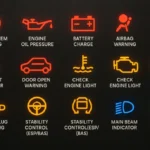
What the Light Looks Like
On the Jaguar F-Pace dashboard, the engine management light typically appears as:
- A yellow or amber engine icon
- Located in the instrument cluster
- Sometimes accompanied by a warning message
What It Means
In simple terms, the light indicates that the vehicle’s engine control unit (ECU) has detected an issue affecting:
- Engine performance
- Emissions
- Fuel efficiency
- Engine sensors
Think of the ECU as the brain of the car. When something seems off, it raises the alarm.
Why the Engine Management Light Comes On
The Jaguar F-Pace is packed with sensors and sophisticated electronics. When any of these components behaves unexpectedly, the ECU may trigger the warning light.
Below are the most common reasons.
1. Faulty Oxygen Sensor
The oxygen sensor (O2 sensor) measures how much oxygen remains in the exhaust gases.
Why It Matters
The sensor helps the engine maintain the ideal air-fuel mixture.
If it fails, the car may:
- Burn more fuel than necessary
- Produce higher emissions
- Run less efficiently
Symptoms
- Engine management light illuminated
- Poor fuel economy
- Rough idling
Replacing an oxygen sensor is usually a moderately priced repair, but ignoring it can lead to damage to the catalytic converter.
2. Loose or Faulty Fuel Cap
This might sound almost too simple, but it happens more often than you’d think.
If the fuel cap isn’t tightened properly, the system may detect a fuel vapor leak.
Quick Fix
- Turn off the engine
- Tighten the fuel cap until it clicks
- Drive for a few miles
Sometimes the light resets itself after several drive cycles.
3. Catalytic Converter Problems
The catalytic converter reduces harmful emissions before they leave the exhaust.
When it begins to fail, the engine management light may appear.
Signs of Catalytic Converter Issues
- Reduced engine performance
- Poor acceleration
- Sulfur-like smell from exhaust
- Engine warning light
Catalytic converters can be expensive to replace, so early detection matters.
4. Mass Air Flow Sensor Failure
The mass air flow (MAF) sensor measures how much air enters the engine.
The ECU uses this information to calculate fuel injection.
What Happens When It Fails
- Incorrect air-fuel mixture
- Poor throttle response
- Stalling or hesitation
Cleaning or replacing the MAF sensor often resolves the issue.
5. Spark Plug or Ignition Coil Problems
Spark plugs ignite the air-fuel mixture in the engine cylinders.
If they wear out or an ignition coil fails, the engine may misfire.
You may be interested in reading Jaguar F-Pace Key Battery Replacement: Complete Guide for Owners
Common Symptoms
- Engine vibration
- Rough idle
- Reduced acceleration
- Engine management light flashing
A flashing engine light usually indicates a misfire severe enough to damage the catalytic converter, so it should be addressed immediately.
6. Exhaust Gas Recirculation (EGR) Valve Issues
The EGR valve reduces emissions by recirculating exhaust gases into the combustion chamber.
Over time, carbon deposits can clog the valve.
Typical Warning Signs
- Engine hesitation
- Increased fuel consumption
- Rough idling
Cleaning the valve may fix the problem, though sometimes replacement is necessary.
7. Diesel Particulate Filter (DPF) Blockage
If your Jaguar F-Pace has a diesel engine, a blocked DPF can trigger the engine management light.
The DPF captures soot particles from diesel exhaust.
When Problems Occur
Short journeys and city driving can prevent proper regeneration.
Possible Symptoms
- Warning lights on the dashboard
- Reduced engine power
- Increased fuel consumption
A long motorway drive can sometimes allow the filter to regenerate.
Flashing vs. Solid Engine Management Light
Understanding the difference between a flashing and steady warning light is crucial.
Solid Light
Usually indicates a non-urgent issue, such as:
- Sensor malfunction
- Minor emissions problem
The car is often safe to drive, but it should be checked soon.
Flashing Light
This typically signals a serious problem.
Possible causes include:
- Severe engine misfire
- Fuel system failure
In this situation, it’s best to stop driving and seek professional help immediately.
How the Jaguar F-Pace Diagnoses Engine Issues
Modern Jaguars rely on the OBD-II diagnostic system.
How It Works
- Sensors detect abnormal readings
- The ECU stores a fault code
- The engine management light activates
A technician can connect a diagnostic scanner to retrieve the code.
Examples of codes include:
- P0171 – System too lean
- P0300 – Random misfire detected
- P0420 – Catalytic converter efficiency issue
These codes guide the repair process.
Can You Drive With the Engine Management Light On?
This is one of the most common questions drivers ask.
In Many Cases, Yes — But With Caution
If the light is solid, the vehicle may still be safe for short drives.
However, you should:
- Avoid aggressive acceleration
- Monitor performance changes
- Schedule a diagnostic check soon
When Not To Drive
Stop driving immediately if:
- The light is flashing
- The engine runs extremely rough
- You notice smoke or strong odors
Ignoring serious faults can cause expensive engine damage.
Typical Repair Costs for Jaguar F-Pace Engine Warning Issues
Repair costs vary depending on the root cause.
Below are rough estimates.
| Repair | Typical Cost |
|---|---|
| Oxygen Sensor | $150–$400 |
| MAF Sensor Replacement | $200–$500 |
| Spark Plugs & Coils | $200–$700 |
| Catalytic Converter | $900–$2500 |
| DPF Cleaning | $300–$1000 |
Luxury SUVs often carry higher repair costs due to specialized parts and labor.
You may be interested in readingJaguar F-Pace Key Battery Replacement: Complete Guide for OwnersYou may be interested in reading
 Jaguar F-Pace Engine Warning Light: Causes, Fixes, and What To Do Next
How Mechanics Diagnose the Problem
Professional diagnostics usually follow a structured process.
Step-By-Step Approach
- Connect OBD-II scanner
- Retrieve error codes
- Inspect affected components
- Perform live data testing
- Confirm repair and reset the light
This process ensures the issue is fixed correctly rather than just clearing the code.
Preventing the Engine Management Light From Appearing
While some problems are unavoidable, good maintenance reduces the risk.
Helpful Habits
- Follow the recommended service schedule
- Use high-quality fuel
- Replace spark plugs on time
- Drive long enough for DPF regeneration
- Address small issues early
Think of it like caring for your health—regular checkups prevent bigger problems later.
Common Jaguar F-Pace Engine Issues That Trigger Warning Lights
Some problems appear more frequently on certain model years.
These include:
- Timing chain tensioner issues
- EGR valve carbon buildup
- Sensor failures
- Turbocharger boost faults
None of these necessarily affect every vehicle, but they’re worth being aware of.
When to Visit a Jaguar Specialist
While generic repair shops can handle many issues, sometimes it’s better to consult a Jaguar-trained technician.
Specialists often have:
- Advanced diagnostic tools
- Software updates for the ECU
- Experience with Jaguar-specific faults
This expertise can shorten the repair process and prevent misdiagnosis.
Simple Steps To Take When the Light First Appears
When the engine management light comes on, we recommend staying calm and following these steps:
- Check the fuel cap
- Look for obvious issues (smoke, noises)
- Note any performance changes
- Scan the fault code if possible
- Schedule a diagnostic appointment
A calm and systematic approach often saves both time and money.
Is the Jaguar F-Pace Reliable Despite Warning Lights?
Overall, the Jaguar F-Pace delivers a strong balance of performance, comfort, and technology.
Like any modern vehicle packed with electronics, occasional warning lights can occur.
But most issues are manageable when addressed early.
Think of the engine management light as a conversation between you and your car—not necessarily a sign of disaster.
Conclusion
Seeing the Jaguar F-Pace engine management light illuminate can feel unsettling. But once we understand what it means, the situation becomes far less intimidating.
In many cases, the issue stems from something relatively minor—such as a faulty sensor or loose fuel cap. In others, it may signal something more serious, like a misfire or catalytic converter problem.
The key is prompt diagnostics and proper maintenance.
When we listen to what the car is telling us and act quickly, we protect both the vehicle’s performance and our wallet.
After all, luxury vehicles deserve attentive care—and when treated well, the Jaguar F-Pace continues to deliver the thrilling driving experience it was built for.
Frequently Asked Questions
1. What does the engine management light mean on a Jaguar F-Pace?
It indicates that the engine control unit has detected a fault related to engine performance, emissions, or sensors.
2. Can I drive my Jaguar F-Pace with the engine management light on?
Yes, if the light is solid and the car runs normally. However, it’s best to have the issue diagnosed soon.
3. Why is my Jaguar F-Pace engine light flashing?
A flashing light usually means a severe engine misfire that could damage the catalytic converter. Stop driving and seek professional help.
4. How much does it cost to fix the engine management light?
Costs vary widely depending on the cause, ranging from about $150 for a sensor replacement to over $2,000 for major components.
5. Can the engine management light reset itself?
Yes. If the problem was temporary—such as a loose fuel cap—the light may turn off after several driving cycles.
You may be interested in readingJaguar F-Pace Key Battery Replacement: Complete Guide for OwnersYou may be interested in reading
Jaguar F-Pace Engine Warning Light: Causes, Fixes, and What To Do NextYou may be interested in reading
 Jaguar F-Pace Oil Level Check: Complete Guide for Accurate Engine Oil Monitoring
If you want to know other articles similar to Jaguar F-Pace Engine Management Light: Causes, Fixes, and What To Do Next you can visit the category Service and Parts.
Land Rover Discovery 2 Warning Lights: Complete Guide to Every Symbol

Tesla Model Y Boot Space: The Ultimate Practicality Guide

Battery for SEAT Leon: The Complete Guide to Choosing, Replacing, and Maintaining It

Polo TSI 1.2 Engine Oil: The Complete Guide to Performance, Protection, and Longevity
SEAT Leon Not Starting: Causes, Fixes, and Expert Troubleshooting Guide
Seat Leon Headlight Adjustment: The Complete Guide for Perfect Beam Alignment
Leave a Reply
More content of your interest