

Jaguar F-Pace Engine Warning Light: Causes, Fixes, and What To Do Next

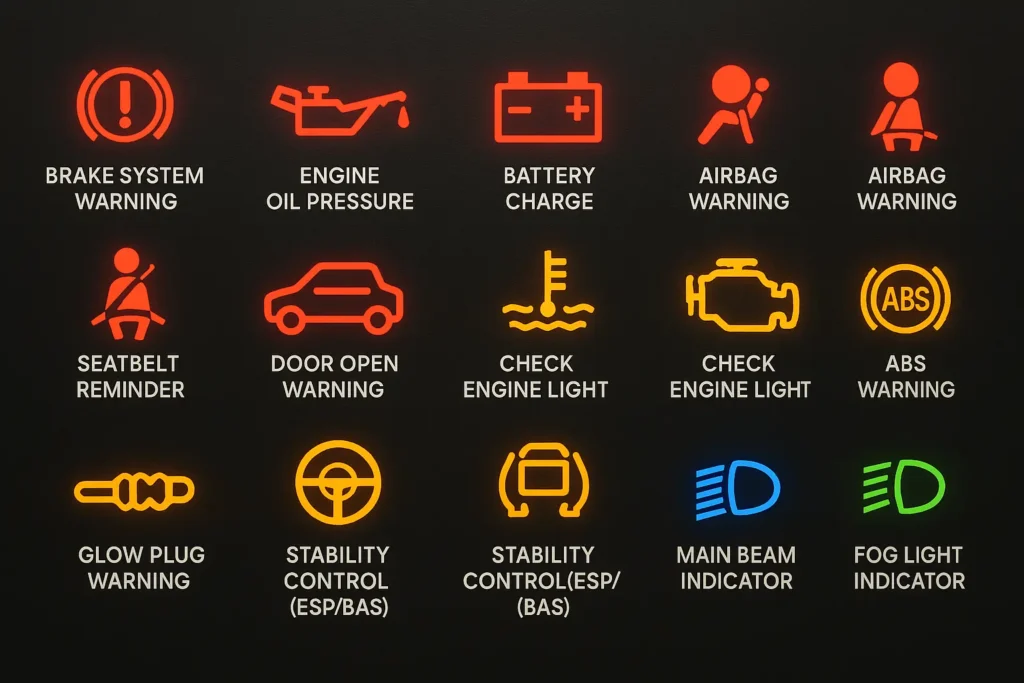
When the Jaguar F-Pace engine warning light suddenly glows on the dashboard, it can feel like the car is whispering, “Something isn’t quite right.” And let’s be honest—few things trigger anxiety faster than a mysterious symbol lighting up on the instrument panel.
But here’s the good news: most engine warning lights aren’t catastrophic. Sometimes the cause is minor—like a loose fuel cap. Other times, it signals a deeper issue that needs attention sooner rather than later.
In this guide, we’ll walk through everything you need to know about the Jaguar F-Pace engine warning light—from what it means and why it appears to the smartest steps for diagnosing and fixing the problem.
Let’s break it down together.
Content in this publication
- What Is the Jaguar F-Pace Engine Warning Light?
- Why the Jaguar F-Pace Engine Warning Light Comes On
- 1. Faulty Oxygen Sensor
- 2. Loose or Damaged Fuel Cap
- 3. Faulty Mass Air Flow Sensor
- 4. Engine Misfire
- 5. Catalytic Converter Problems
- 6. EGR Valve Failure
- 7. Turbocharger Issues (Common on F-Pace)
- Jaguar F-Pace Engine Warning Light Codes
- How to Diagnose the Engine Warning Light
- Can You Drive With the Engine Warning Light On?
- How Much Does It Cost to Fix?
- How to Reset the Jaguar F-Pace Engine Warning Light
- Preventing Future Engine Warning Lights
- Jaguar F-Pace Engine Warning Light and Emissions
- Common Jaguar F-Pace Engine Problems Linked to Warning Lights
- When to Visit a Mechanic
- Final Thoughts: Don’t Ignore the Warning
- FAQs
What Is the Jaguar F-Pace Engine Warning Light?
The engine warning light—often called the check engine light (CEL)—is part of the vehicle’s onboard diagnostics system.
Think of it as the car’s internal health monitor.
When the system detects a fault affecting engine performance, emissions, or sensors, the warning light activates to notify the driver.
Where Is the Engine Warning Light Located?
You’ll find it on the instrument cluster, typically displayed as:
- An engine-shaped icon
- Usually amber or yellow
- Occasionally flashing when the issue is serious
Two Main Types of Engine Warning Signals
1. Solid Engine Light
A steady light means:
- A fault has been detected
- The car may still drive normally
- The issue should be checked soon
2. Flashing Engine Light
A flashing light is more urgent.
It usually indicates:
- Engine misfire
- Catalytic converter damage risk
- Immediate mechanical attention required
If it flashes, stop driving as soon as safely possible.
Why the Jaguar F-Pace Engine Warning Light Comes On
Modern vehicles like the Jaguar F-Pace use dozens of sensors to monitor engine health.
If any reading falls outside expected parameters, the ECU (Engine Control Unit) stores a fault code and triggers the light.
Here are the most common reasons.
1. Faulty Oxygen Sensor
One of the most frequent culprits.
The oxygen sensor measures how much oxygen remains in exhaust gases.
Symptoms
- Poor fuel economy
- Rough idle
- Engine hesitation
Why It Matters
A bad oxygen sensor can cause:
- Incorrect air-fuel mixture
- Increased emissions
- Long-term engine damage
2. Loose or Damaged Fuel Cap
Believe it or not, something as simple as a loose fuel cap can trigger the warning light.
Why This Happens
The fuel system is pressurized. If the cap isn’t sealed correctly, the system detects a fuel vapor leak.
Quick Fix
- Tighten the cap
- Drive for a few miles
- The light may reset itself
3. Faulty Mass Air Flow Sensor
The MAF sensor measures how much air enters the engine.
You may be interested in reading Jaguar F-Pace Oil Level Check: Complete Guide for Accurate Engine Oil Monitoring
Without accurate airflow data, the ECU struggles to maintain the correct air-fuel ratio.
Signs of a Bad MAF Sensor
- Stalling
- Reduced acceleration
- Hard starting
4. Engine Misfire
A misfire occurs when one or more cylinders fail to ignite fuel properly.
This is one of the most serious causes of the engine warning light.
Common Misfire Causes
- Worn spark plugs
- Faulty ignition coils
- Fuel injector problems
Typical Symptoms
- Rough engine vibration
- Loss of power
- Flashing warning light
5. Catalytic Converter Problems
The catalytic converter reduces harmful emissions.
When it fails, the ECU quickly detects abnormal exhaust readings.
Symptoms
- Strong exhaust smell
- Reduced performance
- Overheating engine
Catalytic converters are expensive, so early diagnosis is important.
6. EGR Valve Failure
The Exhaust Gas Recirculation (EGR) valve helps reduce emissions by sending exhaust gases back into the engine.
When clogged or stuck, it can trigger the warning light.
Warning Signs
- Engine knocking
- Rough idle
- Increased emissions
7. Turbocharger Issues (Common on F-Pace)
Many Jaguar F-Pace models feature turbocharged engines, which improve performance and efficiency.
But turbo systems add complexity.
Possible Turbo Problems
- Boost pressure leaks
- Wastegate failure
- Turbo actuator faults
Symptoms
- Reduced power
- Whistling noises
- Excess smoke
Jaguar F-Pace Engine Warning Light Codes
When the warning light appears, the ECU stores a diagnostic trouble code (DTC).
These codes reveal what triggered the alert.
Examples of Common Codes
| Code | Meaning |
|---|---|
| P0171 | Lean fuel mixture |
| P0300 | Random engine misfire |
| P0420 | Catalytic converter efficiency |
| P0101 | Mass airflow sensor fault |
| P0401 | EGR flow problem |
Reading these codes requires an OBD-II scanner.
How to Diagnose the Engine Warning Light
Diagnosing the issue involves a few key steps.
Step-by-Step Diagnostic Process
- Check for obvious issues
- Loose fuel cap
- Visible leaks
- Use an OBD scanner
- Retrieve error codes
- Interpret the codes
- Determine possible causes
- Inspect related components
- Sensors
- Wiring
- Vacuum lines
- Perform repairs
- Replace faulty parts
- Reset codes
Can You Drive With the Engine Warning Light On?
It depends on how the light behaves.
Safe to Drive (Short Term)
If the light is:
- Solid
- The vehicle drives normally
- No strange sounds
You can typically drive carefully until it’s checked.
Stop Driving Immediately
If the light:
- Flashes
- The engine runs rough
- Smoke appears
Continuing to drive may cause severe damage.
How Much Does It Cost to Fix?
Repair costs vary depending on the cause.
Typical Repair Costs
| Problem | Estimated Cost |
|---|---|
| Oxygen sensor | $150–$400 |
| MAF sensor | $200–$500 |
| Spark plugs | $120–$350 |
| Catalytic converter | $900–$2500 |
| Turbo repair | $800–$3000 |
Luxury vehicles like Jaguar tend to have higher repair costs due to specialized parts.
You may be interested in readingJaguar F-Pace Oil Level Check: Complete Guide for Accurate Engine Oil MonitoringYou may be interested in reading
 Jaguar F-Pace Coolant Level Low: Causes, Fixes, and Prevention Guide
How to Reset the Jaguar F-Pace Engine Warning Light
Sometimes the warning light remains after repairs.
Method 1: OBD Scanner Reset
- Connect scanner
- Clear fault codes
- Restart the vehicle
Method 2: Battery Disconnect
- Disconnect battery
- Wait 10 minutes
- Reconnect
Note: this may reset other systems.
Preventing Future Engine Warning Lights
While not every issue is avoidable, good maintenance reduces the risk.
Maintenance Tips
- Replace spark plugs regularly
- Use quality fuel
- Follow service intervals
- Check sensors during servicing
Regular maintenance keeps the engine running smoothly.
Jaguar F-Pace Engine Warning Light and Emissions
Modern engines must meet strict emission standards.
The warning light often activates when emissions systems malfunction.
Key components include:
- Oxygen sensors
- Catalytic converter
- EGR valve
- Evaporative emission system
When these systems fail, the ECU triggers the light.
Common Jaguar F-Pace Engine Problems Linked to Warning Lights
Certain issues appear more frequently in F-Pace models.
Known Concerns
- Diesel particulate filter (DPF) blockage
- Turbo boost leaks
- EGR clogging
- Sensor failures
Most problems appear gradually rather than suddenly.
When to Visit a Mechanic
Sometimes DIY troubleshooting works. Other times, professional diagnostics are essential.
Seek Professional Help If
- Warning light flashes
- Engine misfires
- Strange noises occur
- Power loss appears
Modern Jaguars use complex electronics, making professional tools invaluable.
Final Thoughts: Don’t Ignore the Warning
The Jaguar F-Pace engine warning light isn’t just a random dashboard decoration—it’s a message from the vehicle.
Think of it as the car raising its hand and saying:
"Hey… something needs attention."
Sometimes the fix is quick and inexpensive. Other times, it signals a deeper issue waiting to grow worse if ignored.
The smartest move?
Check it early, diagnose it properly, and keep your F-Pace running as smoothly as the day it rolled out of the showroom.
FAQs
1. What does the Jaguar F-Pace engine warning light mean?
It indicates the engine management system has detected a fault related to emissions, sensors, or engine performance.
2. Can I drive my Jaguar F-Pace with the engine warning light on?
Yes, if the light is steady and the car runs normally. If it flashes, stop driving immediately.
3. What is the most common cause of the engine warning light?
Common causes include faulty oxygen sensors, loose fuel caps, or misfiring spark plugs.
You may be interested in readingJaguar F-Pace Oil Level Check: Complete Guide for Accurate Engine Oil MonitoringYou may be interested in reading
Jaguar F-Pace Coolant Level Low: Causes, Fixes, and Prevention GuideYou may be interested in reading
 Jaguar F-Pace Alternator Replacement: Cost, Symptoms, and Complete Guide
4. How do I reset the engine warning light?
You can reset it using an OBD-II scanner or by disconnecting the battery temporarily.
5. Is the engine warning light serious?
Sometimes it’s minor, but it can also indicate major issues like catalytic converter failure or engine misfire.
If you want to know other articles similar to Jaguar F-Pace Engine Warning Light: Causes, Fixes, and What To Do Next you can visit the category Service and Parts.
Land Rover Discovery 2 Warning Lights: Complete Guide to Every Symbol

Tesla Model Y Boot Space: The Ultimate Practicality Guide

Battery for SEAT Leon: The Complete Guide to Choosing, Replacing, and Maintaining It

Polo TSI 1.2 Engine Oil: The Complete Guide to Performance, Protection, and Longevity
SEAT Leon Not Starting: Causes, Fixes, and Expert Troubleshooting Guide
Seat Leon Headlight Adjustment: The Complete Guide for Perfect Beam Alignment
Leave a Reply
More content of your interest