

Jaguar F-Pace Tyre Pressure: Complete Guide for Every Model

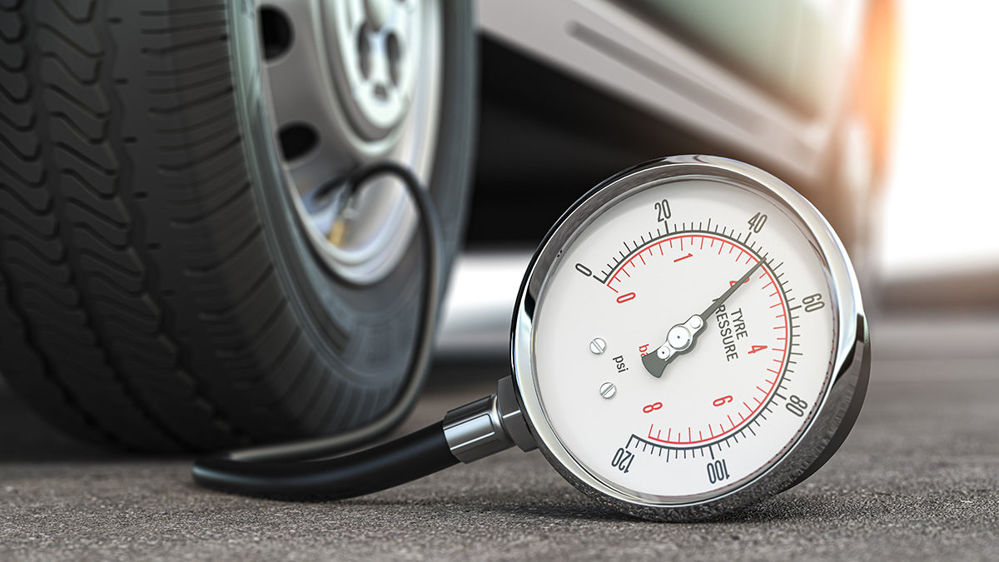
When we talk about performance SUVs, the Jaguar F‑Pace often sits comfortably near the top of the list. It blends sports-car DNA with everyday practicality. But even the most refined SUV can’t deliver its best performance if something as simple as tyre pressure isn’t correct.
Tyre pressure might seem like a small detail—almost trivial. Yet it quietly influences safety, fuel economy, ride comfort, tyre life, and even handling precision. Think of it as the invisible foundation beneath every mile you drive.
In this detailed guide, we’ll explore everything about Jaguar F-Pace tyre pressure: recommended PSI levels, model variations, seasonal adjustments, warning lights, and practical maintenance tips. By the end, you’ll know exactly how to keep your tyres at the perfect pressure for smooth, confident driving.
Content in this publication
- Why Tyre Pressure Matters in the Jaguar F-Pace
- Recommended Jaguar F-Pace Tyre Pressure
- Where to Find the Official Tyre Pressure
- Jaguar F-Pace Tyre Pressure by Model
- Tyre Pressure for Fully Loaded Vehicles
- Tyre Pressure for Long Motorway Trips
- Understanding the Tyre Pressure Monitoring System
- How to Check Jaguar F-Pace Tyre Pressure
- How Temperature Affects Tyre Pressure
- Signs Your Tyre Pressure Is Too Low
- Signs Tyre Pressure Is Too High
- Run-Flat Tyres on the Jaguar F-Pace
- How Tyre Pressure Affects Fuel Economy
- Best Tyre Pressure for Comfort vs Performance
- How Often Should You Check Tyre Pressure?
- Common Tyre Sizes for the Jaguar F-Pace
- Quick Tyre Pressure Checklist for F-Pace Owners
- Closing Thoughts
- Frequently Asked Questions
Why Tyre Pressure Matters in the Jaguar F-Pace
Tyres are the only part of your vehicle touching the road. That small contact patch—about the size of your hand—handles thousands of pounds of weight.
If the pressure isn’t right, everything changes.
What Correct Tyre Pressure Ensures
- Maximum grip and traction
- Even tyre wear
- Improved fuel efficiency
- Sharper steering response
- Better braking performance
On a performance-oriented SUV like the Jaguar F-Pace, tyre pressure directly affects the way the vehicle behaves on the road.
Too little air? The car feels sluggish and unstable.
Too much? The ride becomes harsh and traction decreases.
Recommended Jaguar F-Pace Tyre Pressure
The recommended tyre pressure varies slightly depending on engine variant, wheel size, and load. Most models fall within a similar range.
Typical Jaguar F-Pace Tyre Pressure (Cold Tyres)
| Wheel Size | Front Tyres | Rear Tyres |
|---|---|---|
| 18-inch | 36 PSI | 36 PSI |
| 19-inch | 36 PSI | 36 PSI |
| 20-inch | 38 PSI | 38 PSI |
| 21-inch | 40 PSI | 40 PSI |
| 22-inch | 42 PSI | 42 PSI |
These numbers refer to cold tyres, meaning the vehicle has been parked for at least three hours or driven less than one mile.
Where to Find the Official Tyre Pressure
If you’re ever unsure about the correct pressure for your specific F-Pace, Jaguar provides several places to check.
Look in These Locations
- Driver’s door jamb sticker
- Fuel filler flap
- Vehicle owner’s manual
- Infotainment system
The door-frame label is usually the quickest reference.
Jaguar F-Pace Tyre Pressure by Model
The F-Pace has evolved since its launch in 2016, and different trims can use different tyre sizes.
2016–2020 Jaguar F-Pace
Typical pressure recommendations:
- Front: 36 PSI
- Rear: 36 PSI
For larger wheels (20-inch or above), Jaguar often suggests:
- Front: 38 PSI
- Rear: 38 PSI
2021–Present Jaguar F-Pace
With updated suspension tuning and optional 22-inch wheels, newer models sometimes require slightly higher pressures.
Typical values:
- Front: 38–40 PSI
- Rear: 38–42 PSI
Tyre Pressure for Fully Loaded Vehicles
Carrying passengers and luggage changes the load on the tyres.
When the F-Pace is fully loaded, manufacturers often recommend slightly higher pressure, especially in the rear tyres.
Typical Heavy Load Pressure
- Front: 38–40 PSI
- Rear: 42–44 PSI
This prevents excessive tyre flex and maintains stability.
Tyre Pressure for Long Motorway Trips
High-speed motorway driving generates heat inside tyres.
For extended highway journeys, maintaining the upper range of the recommended PSI helps improve stability and fuel efficiency.
Benefits include:
You may be interested in reading Jaguar F-Pace Timing Chain Replacement Cost: Complete Owner’s Guide
- Reduced rolling resistance
- Improved directional stability
- Better tyre lifespan
Understanding the Tyre Pressure Monitoring System
Modern F-Pace models come with a Tyre Pressure Monitoring System (TPMS).
What TPMS Does
The system constantly measures air pressure in each tyre and alerts you if levels drop below the recommended range.
Common triggers include:
- Slow punctures
- Seasonal temperature changes
- Incorrect tyre inflation
What the Warning Light Looks Like
The TPMS symbol resembles a horseshoe with an exclamation mark inside it.
If the light appears:
- Safely stop the vehicle
- Check tyre pressure
- Inflate tyres to the correct PSI
- Reset the system if required
How to Check Jaguar F-Pace Tyre Pressure
Checking tyre pressure is easy and takes less than five minutes.
What You Need
- A digital tyre pressure gauge
- Access to an air compressor
Step-by-Step Guide
- Ensure tyres are cold
- Remove the valve cap
- Press the gauge onto the valve stem
- Read the PSI measurement
- Add or release air as needed
- Replace the valve cap
Repeat for all four tyres.
How Temperature Affects Tyre Pressure
Temperature plays a surprisingly large role in tyre pressure.
A simple rule applies:
Tyre pressure drops roughly 1 PSI for every 10°F (5–6°C) temperature decrease.
That means when winter arrives, your tyres may naturally lose pressure—even without a puncture.
Seasonal Pressure Changes
| Season | Expected Change |
|---|---|
| Winter | Pressure drops |
| Summer | Pressure rises |
Regular checks prevent problems.
Signs Your Tyre Pressure Is Too Low
Driving with low pressure causes multiple issues.
Common Symptoms
- Steering feels heavy
- Increased fuel consumption
- Uneven tyre wear
- Vehicle pulls slightly to one side
- TPMS warning light appears
Low pressure also increases the risk of tyre overheating and blowouts.
Signs Tyre Pressure Is Too High
Overinflated tyres create a different set of problems.
Common Indicators
- Harsh ride quality
- Reduced traction on wet roads
- Centre tyre wear
- Increased braking distance
Maintaining the correct PSI balances performance and comfort.
Run-Flat Tyres on the Jaguar F-Pace
Many F-Pace models come equipped with run-flat tyres.
What Run-Flat Tyres Do
They allow you to drive up to 50 miles after a puncture at reduced speed.
However, correct tyre pressure is still crucial.
Driving long distances with incorrect pressure—even with run-flats—can damage the tyre structure.
How Tyre Pressure Affects Fuel Economy
Tyre pressure plays a surprisingly large role in fuel consumption.
When tyres are underinflated:
You may be interested in readingJaguar F-Pace Timing Chain Replacement Cost: Complete Owner’s GuideYou may be interested in reading
 Jaguar F-Pace Service Reset: Complete Guide to Resetting the Service Light
- Rolling resistance increases
- The engine works harder
- Fuel efficiency drops
Studies show that low tyre pressure can reduce fuel economy by up to 3%.
For a performance SUV like the F-Pace, maintaining proper PSI helps keep fuel costs under control.
Best Tyre Pressure for Comfort vs Performance
Drivers sometimes adjust tyre pressure depending on their priorities.
For Comfort
Slightly lower pressure within the recommended range:
- Softer ride
- Better absorption of road bumps
For Performance
Higher pressure within the recommended range:
- Sharper steering response
- Improved cornering stability
Always stay within manufacturer specifications.
How Often Should You Check Tyre Pressure?
Experts recommend checking tyre pressure at least once per month.
You should also check it:
- Before long trips
- After sudden temperature changes
- When the TPMS warning appears
Regular checks take minutes but save money and improve safety.
Common Tyre Sizes for the Jaguar F-Pace
The F-Pace offers several tyre sizes depending on trim and wheel package.
Typical Sizes
- 235/65 R18
- 255/60 R18
- 255/55 R19
- 255/50 R20
- 265/45 R21
- 265/40 R22
Each size may require slightly different pressure settings.
Quick Tyre Pressure Checklist for F-Pace Owners
Let’s simplify things with a quick checklist.
Monthly Tyre Maintenance
- Check tyre pressure with a digital gauge
- Inspect tyres for cracks or bulges
- Look for uneven wear
- Reset TPMS after adjustments
- Confirm pressures match door-sticker specs
This five-minute routine helps extend tyre life and keeps the F-Pace driving like a luxury performance SUV should.
Closing Thoughts
Tyre pressure might not be the most glamorous aspect of owning a Jaguar F-Pace—but it’s one of the most important.
Think of tyre pressure as the heartbeat of your vehicle’s connection to the road. When it’s right, everything feels balanced: steering sharpens, tyres last longer, and fuel efficiency improves.
Neglect it, however, and even a premium SUV can feel sluggish, inefficient, and unsafe.
So the next time you fuel up or prepare for a road trip, take a moment to check those tyres. It’s a tiny task that makes a massive difference.
Frequently Asked Questions
What is the recommended tyre pressure for the Jaguar F-Pace?
Most models require 36–40 PSI when tyres are cold, depending on wheel size and load.
Where can I find the tyre pressure label in the Jaguar F-Pace?
The correct PSI is typically listed on the driver’s door jamb sticker or inside the owner’s manual.
Is tyre pressure different for front and rear tyres?
On some models, yes. When the vehicle is heavily loaded, the rear tyres may require slightly higher pressure.
Can I drive if the TPMS warning light is on?
You should check tyre pressure as soon as possible. The light often indicates low pressure or a slow puncture.
How often should tyre pressure be checked?
At least once a month and before long journeys.
You may be interested in readingJaguar F-Pace Timing Chain Replacement Cost: Complete Owner’s GuideYou may be interested in reading
Jaguar F-Pace Service Reset: Complete Guide to Resetting the Service LightYou may be interested in reading
 Jaguar F-Pace Service Cost: What Owners Really Pay for Maintenance
If you want to know other articles similar to Jaguar F-Pace Tyre Pressure: Complete Guide for Every Model you can visit the category Service and Parts.
How to Reset Volvo XC60 Infotainment System: The Complete Practical Guide
Volvo XC60 Gearbox Oil Change: The Complete Expert Guide
Volvo XC60 Engine Management Light: Causes, Fixes, and What It Really Means

Skoda Kamiq Size Comparison: Dimensions, Space & Real-World Practicality
Volvo XC60 Headlight Adjustment for Europe: The Complete Practical Guide
Volvo XC60 City Safety Service Required: What It Means, Causes, and Fixes
Leave a Reply
More content of your interest