
Jeep Wrangler Engine Light: What It Means, Why It’s On, and What We Should Do Next

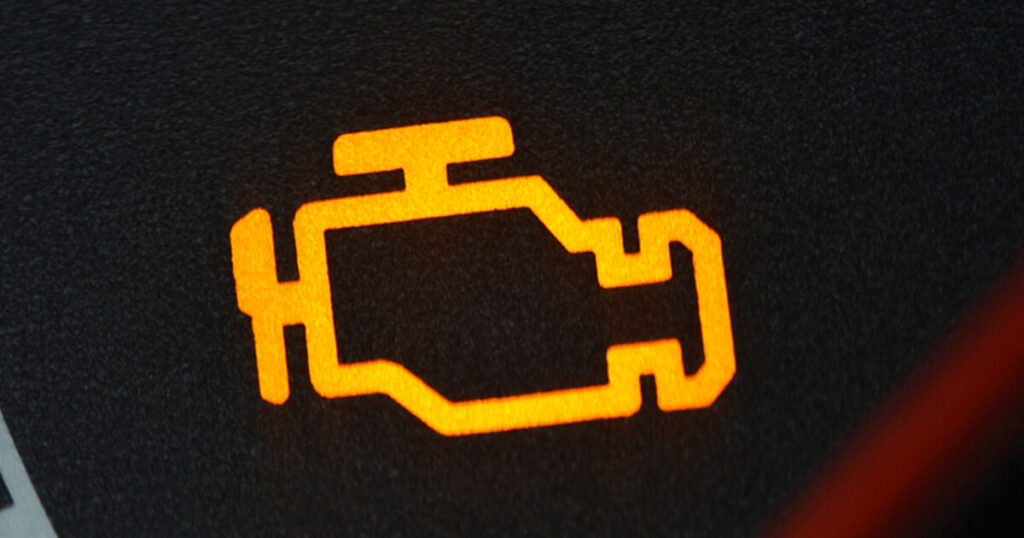
The Jeep Wrangler is built like a mountain goat—tough, stubborn, and happiest when crawling over rocks or splashing through mud. But even the most rugged 4x4 has a sensitive side. When the Jeep Wrangler engine light flicks on, it’s like your Wrangler clearing its throat and saying, “Hey, we need to talk.”
Sometimes that conversation is short and harmless. Other times, it’s a warning bell you really shouldn’t ignore. In this guide, we’re diving deep into what the engine light means, why it turns on, how serious it might be, and what we can do—step by step—to keep our Wrangler healthy and trail-ready.
Content in this publication
- Understanding the Jeep Wrangler Engine Light
- Solid vs Flashing Engine Light: Know the Difference
- Most Common Jeep Wrangler Engine Light Causes
- Engine Light by Jeep Wrangler Generation
- How We Can Read Jeep Wrangler Engine Codes
- Most Common Jeep Wrangler Engine Light Codes
- Can We Drive With the Engine Light On?
- DIY Fixes Before Heading to the Shop
- Resetting the Jeep Wrangler Engine Light
- How Much Does It Cost to Fix an Engine Light Issue?
- Why Ignoring the Engine Light Is a Bad Idea
- Preventing Engine Light Issues in the Future
- Engine Light vs Other Warning Lights
- When It’s Time to See a Professional
- Final Thoughts: Don’t Fear the Jeep Wrangler Engine Light
- Frequently Asked Questions
Understanding the Jeep Wrangler Engine Light
The engine light—also called the check engine light (CEL) or malfunction indicator lamp (MIL)—is part of your Wrangler’s onboard diagnostics system. Its job is simple: alert us when something isn’t behaving the way the engine computer expects.
What the Engine Light Is Actually Monitoring
Your Wrangler’s ECU (engine control unit) keeps tabs on:
- Fuel delivery and air intake
- Emissions systems
- Ignition timing and misfires
- Sensors like oxygen, MAP, and crankshaft position
- Transmission-related data (on newer models)
When values drift outside normal ranges, the light comes on.
Solid vs Flashing Engine Light: Know the Difference
Solid Engine Light
A solid engine light usually means:
- The issue isn’t immediately dangerous
- The vehicle is generally safe to drive
- Efficiency or emissions may be affected
Think of it like a low-grade fever—worth checking, but not panic-worthy.
Flashing Engine Light
A flashing engine light is a whole different animal. It usually signals:
- Active engine misfire
- Risk of catalytic converter damage
- Potential for costly repairs if ignored
If your Wrangler’s engine light is flashing, we should stop driving as soon as it’s safe.
Most Common Jeep Wrangler Engine Light Causes
The Wrangler is famously simple in spirit, but modern versions rely on a web of sensors. Here are the usual suspects.
Loose or Faulty Gas Cap
It sounds laughably simple, but it’s the number one cause.
- Triggers EVAP system codes
- Often happens after refueling
- Causes a solid engine light
Tighten the cap until it clicks. If the light doesn’t go off after a few drive cycles, the cap itself may be bad.
Faulty Oxygen (O2) Sensor
Oxygen sensors help manage fuel mixture. When they fail:
- Fuel economy drops
- Emissions increase
- Engine light turns on
Wranglers, especially older JK models, are known to chew through O2 sensors over time.
Misfires and Ignition Problems
A misfire occurs when combustion doesn’t happen correctly.
Common causes include:
- Worn spark plugs
- Failing ignition coils
- Bad plug wires (older models)
Misfires often lead to a flashing engine light, especially under load.
Mass Air Flow (MAF) or MAP Sensor Issues
These sensors measure incoming air so fuel can be matched correctly.
Symptoms include:
- Rough idle
- Hesitation on acceleration
- Poor throttle response
Dirty sensors are common after off-roading or dusty conditions.
Catalytic Converter Problems
The catalytic converter is part of the emissions system and not cheap to replace.
Signs include:
You may be interested in reading Jeep Wrangler 392 Towing Capacity: Power, Limits, and Real-World Truths
- Loss of power
- Sulfur or “rotten egg” smell
- Persistent engine light
Ignoring misfires can destroy the catalytic converter—one of the most expensive mistakes Wrangler owners make.
Engine Light by Jeep Wrangler Generation
Jeep Wrangler TJ (1997–2006)
Older but lovable.
Common triggers:
- O2 sensors
- EVAP leaks
- Vacuum line cracks
Fewer sensors overall, but age-related issues are common.
Jeep Wrangler JK (2007–2018)
More electronics, more warnings.
Frequent issues:
- Cylinder misfires (especially 3.6 Pentastar)
- Faulty oil cooler housings triggering codes
- TIPM-related electrical gremlins
Jeep Wrangler JL (2018–Present)
Smarter—and pickier.
Common causes:
- Battery voltage issues
- Start-stop system faults
- Software-related sensor errors
Sometimes the fix is as simple as a software update.
Jeep Wrangler 4xe Engine Light
The hybrid adds another layer of complexity.
Potential triggers:
- High-voltage system warnings
- Charging faults
- Battery temperature or communication errors
Not all engine lights on the 4xe are traditional engine problems.
How We Can Read Jeep Wrangler Engine Codes
Using an OBD-II Scanner
Every Wrangler since 1996 has an OBD-II port.
Steps:
- Plug in the scanner
- Turn the ignition to ON
- Read stored and pending codes
- Note freeze-frame data if available
Codes usually look like P0300 or P0420.
The Key Dance (Older Models)
Some older Wranglers let us retrieve codes without a scanner.
- Turn the key ON–OFF–ON–OFF–ON
- Watch the odometer display
- Write down the codes shown
It’s old-school, but it works.
Most Common Jeep Wrangler Engine Light Codes
P0300 – Random Misfire
Usually ignition-related. Check plugs and coils first.
P0420 – Catalyst Efficiency Below Threshold
Often blamed on the catalytic converter, but O2 sensors can also trigger it.
P0455 / P0440 – EVAP System Leak
Large or general EVAP leaks—often the gas cap or hoses.
P0171 / P0174 – System Too Lean
Indicates vacuum leaks or air intake issues.
Can We Drive With the Engine Light On?
When It’s Usually Okay
- Solid engine light
- No strange noises
- No power loss
- Normal temperature readings
Still, we should diagnose it soon.
You may be interested in readingJeep Wrangler 392 Towing Capacity: Power, Limits, and Real-World TruthsYou may be interested in reading
 Jeep Wrangler Key Replacement Cost: What You’ll Really Pay in 2026
When We Should Stop Driving
- Flashing engine light
- Severe shaking
- Burning smells
- Reduced power mode
Driving through these warnings can turn a small repair into a wallet-crusher.
DIY Fixes Before Heading to the Shop
Before handing over the keys, we can try a few simple things.
Quick Checks We Can Do
- Tighten or replace the gas cap
- Check battery terminals for corrosion
- Inspect vacuum hoses for cracks
- Clean the MAF sensor with proper cleaner
Sometimes the engine light is just your Wrangler asking for basic housekeeping.
Resetting the Jeep Wrangler Engine Light
Using a Scanner
Most scanners allow code clearing once repairs are complete.
Battery Disconnect Method
- Disconnect the negative terminal
- Wait 15–30 minutes
- Reconnect and drive
⚠️ This doesn’t fix the issue—it just clears the symptom.
How Much Does It Cost to Fix an Engine Light Issue?
Here’s a realistic breakdown:
- Gas cap: $15–$30
- O2 sensor: $100–$300
- Spark plugs and coils: $150–$600
- MAF/MAP sensor: $100–$250
- Catalytic converter: $1,200–$2,500+
Early diagnosis saves real money.
Why Ignoring the Engine Light Is a Bad Idea
The Wrangler may feel indestructible, but small issues snowball fast.
Ignoring the engine light can lead to:
- Reduced fuel economy
- Emissions test failure
- Engine damage
- Costly exhaust repairs
That little amber light is cheaper than a tow truck.
Preventing Engine Light Issues in the Future
We can’t prevent every warning, but we can reduce them.
Smart Maintenance Habits
- Use quality fuel
- Replace spark plugs on schedule
- Avoid cheap sensors
- Check hoses after off-roading
- Keep the battery healthy
Wranglers reward attention—ignore them, and they complain loudly.
Engine Light vs Other Warning Lights
Not every warning light is the same.
- Engine light: Emissions or engine performance
- Red warning lights: Immediate danger
- ABS or traction lights: Safety systems
- Battery light: Charging system issues
Context matters.
When It’s Time to See a Professional
If:
- The light keeps returning
- Multiple codes appear
- Performance is clearly affected
…it’s time for a trusted mechanic or dealership scan. Some issues require advanced diagnostics beyond DIY tools.
Final Thoughts: Don’t Fear the Jeep Wrangler Engine Light
The Jeep Wrangler engine light isn’t your enemy—it’s your early warning system. Think of it as a trail scout walking ahead, flagging potential trouble before you’re stranded miles from pavement.
When we listen early, diagnose smartly, and act calmly, most engine light issues stay minor. Ignore it, and the Wrangler will eventually force the conversation—usually at the worst possible time.
Treat that little amber glow with respect, and your Wrangler will keep climbing, crawling, and cruising for years to come.
Frequently Asked Questions
Why did my Jeep Wrangler engine light come on suddenly?
Sudden changes often relate to fuel caps, sensor readings, or misfires triggered by temperature or driving conditions.
Will the engine light turn off by itself?
Yes, if the issue resolves. For example, tightening the gas cap may clear the light after several drive cycles.
Is a flashing engine light always serious?
Yes. A flashing light usually indicates active misfires that can damage the catalytic converter.
You may be interested in readingJeep Wrangler 392 Towing Capacity: Power, Limits, and Real-World TruthsYou may be interested in reading
Jeep Wrangler Key Replacement Cost: What You’ll Really Pay in 2026You may be interested in reading
 Jeep Wrangler Quarter Panel Replacement: A Real-World Guide for Owners Who Care
Can low battery voltage cause an engine light?
Absolutely—especially in newer Wranglers and 4xe models with complex electronics.
Should we clear the code without fixing the issue?
No. Clearing codes without repairs only hides the problem temporarily.
If you want to know other articles similar to Jeep Wrangler Engine Light: What It Means, Why It’s On, and What We Should Do Next you can visit the category Service and Parts.
Dacia Duster Warning Lights: Complete Dashboard Symbol Guide
Dacia Duster Tyre Pressure Reset: Complete Guide for Every Model
Dacia Duster Service Light Reset: Complete Step-by-Step Guide
BMW X1 Boot Capacity: A Complete Guide to Space, Practicality, and Real-World Usability
BMW X1 Battery Replacement: The Complete Owner’s Guide
BMW X1 Engine Size: Complete Guide to BMW X1 Engine Capacity, Performance, and Options
Leave a Reply
More content of your interest