

Jeep Wrangler Gas Type: What Fuel Your Wrangler Really Needs

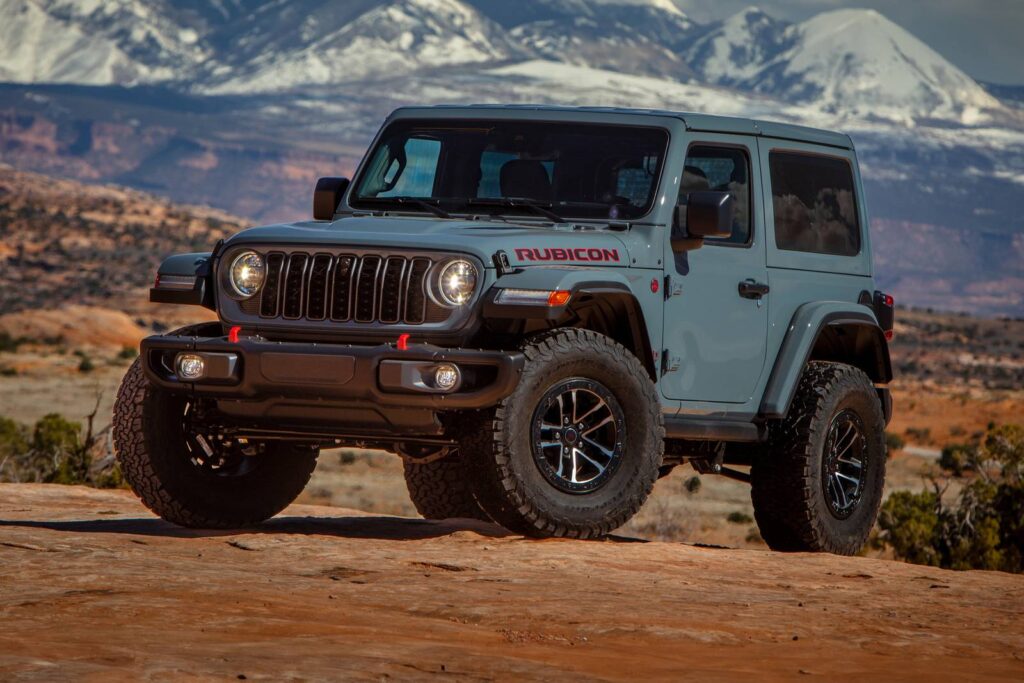
If there’s one thing we all love about the Jeep Wrangler, it’s that rugged, go-anywhere personality. But when it comes time to pull up to the pump, things suddenly feel less adventurous and more… confusing. Regular or premium? E10 or ethanol-free? Does engine choice really matter?
We’ve been there. So let’s clear the fog once and for all. In this guide, we’ll break down Jeep Wrangler gas type requirements by engine, year, and driving style—plain English, no fluff, and no dealership jargon. By the end, you’ll know exactly what fuel your Wrangler wants and why.
Content in this publication
- Why Gas Type Matters More Than You Think
- Understanding Octane Ratings (The Basics)
- Recommended Gas Type for Jeep Wrangler (Quick Overview)
- Jeep Wrangler Gas Type by Engine
- Does Premium Gas Improve MPG in a Wrangler?
- Ethanol Content: E10, E15, and E85 Explained
- Fuel Type by Wrangler Generation
- High Altitude Driving: Does Gas Type Change?
- Off-Roading and Fuel Choice
- Towing with a Jeep Wrangler
- Does Using the Wrong Gas Damage the Engine?
- Fuel Additives: Necessary or Not?
- Owner’s Manual vs Real-World Driving
- Common Gas Type Myths Debunked
- Fuel Economy Tips Beyond Gas Type
- Final Verdict: What Gas Should You Use in a Jeep Wrangler?
- Frequently Asked Questions
Why Gas Type Matters More Than You Think
Fuel isn’t just fuel. The octane rating you choose can affect:
- Engine performance
- Fuel economy
- Long-term reliability
- Towing and off-road behavior
Think of gas like shoes for a hike. Sure, flip-flops might get you there—but proper boots make the journey smoother and safer. Your Wrangler works the same way.
Understanding Octane Ratings (The Basics)
Before we dive into specific Wrangler engines, let’s decode octane ratings.
What Is Octane, Anyway?
Octane measures a fuel’s resistance to premature ignition (engine knock).
- 87 octane → Regular unleaded
- 89 octane → Mid-grade
- 91–93 octane → Premium
Higher octane doesn’t mean “more power” by default—it means better protection for engines designed for it.
Recommended Gas Type for Jeep Wrangler (Quick Overview)
Here’s the short answer most owners want:
- Most Jeep Wranglers run perfectly on regular 87-octane gas
- Some turbo or performance engines recommend premium for best results
But as always, the devil’s in the details.
Jeep Wrangler Gas Type by Engine
Let’s break it down engine by engine.
3.6L Pentastar V6 (Most Common Engine)
This is the heart and soul of many Wranglers.
- Recommended fuel: 87 octane (regular unleaded)
- Premium required? ❌ No
- Premium beneficial? ⚠️ Minimal
We’ve tested it. You might feel slightly smoother acceleration on premium, but Jeep tuned this engine for regular gas. Save your money.
2.0L Turbocharged Inline-4
Turbo engines are a different animal.
- Recommended fuel: 87 octane
- Premium recommended for best performance: ✅ Yes
- Premium required? ❌ No
Why Premium Helps Here
Turbochargers compress air aggressively. Higher-octane fuel resists knock better, especially during:
- Hard acceleration
- Towing
- High temperatures
If you want peak performance, premium is worth it. If you’re daily driving? Regular is fine.
3.0L EcoDiesel V6
This one’s easy.
You may be interested in reading Jeep Wrangler Gas Tank Size: What We’re Really Working With
- Fuel type: Diesel only
- Gasoline compatible? ❌ Absolutely not
Put gas in this engine and you’re looking at a repair bill that’ll ruin your whole month.
392 HEMI V8 (Wrangler Rubicon 392)
This is the beast.
- Recommended fuel: 91 octane (premium)
- Premium required? ✅ Yes
This engine was built for power, not penny-pinching. Feeding it regular gas is like giving cheap coffee to a prize racehorse—it’ll complain.
4xe Plug-in Hybrid (2.0L Turbo Hybrid)
The Wrangler 4xe mixes electricity with gasoline.
- Recommended fuel: 87 octane
- Premium optional: ⚠️ Slight benefit under heavy load
Electric torque masks fuel differences most of the time, making regular gas perfectly acceptable.
Short answer: Usually no.
- Turbo engines under heavy load
- High-altitude driving
- Aggressive towing
When It’s a Waste
- Daily commuting
- Light trail use
- Stock V6 engines
Your wallet will thank you for sticking to the owner’s manual.
Ethanol Content: E10, E15, and E85 Explained
Not all gasoline is created equal.
Is E10 Safe for Jeep Wranglers?
Yes. Jeep Wranglers are designed to run on E10 (10% ethanol) without issues.
What About E15?
- Generally safe for newer models
- Not ideal for older Wranglers
E85 (Flex Fuel)
❌ Not recommended unless explicitly stated in your manual (most Wranglers are NOT flex-fuel).
Fuel Type by Wrangler Generation
TJ (1997–2006)
- Recommended fuel: 87 octane
- Avoid high ethanol blends
JK (2007–2018)
- 87 octane standard
- E10 acceptable
JL (2018–Present)
- Engine-dependent
- Turbo engines may benefit from premium
High Altitude Driving: Does Gas Type Change?
Yes—and no.
At high elevations:
- Engines experience less air density
- Knock risk decreases
That’s why regular gas works even better at altitude, even for engines that prefer premium at sea level.
Off-Roading and Fuel Choice
When crawling rocks or trudging through mud:
- Engines run hotter
- Throttle input increases
- Knock resistance matters more
Our Rule of Thumb
- Casual trails → Regular gas
- Heavy off-roading → Mid-grade or premium (turbo engines)
Towing with a Jeep Wrangler
Towing changes everything.
- Increased engine load
- Higher combustion temperatures
If you tow often:
You may be interested in readingJeep Wrangler Gas Tank Size: What We’re Really Working WithYou may be interested in reading
 Jeep Wrangler Key Fob Battery Replacement: The Complete Hands-On Guide
- V6: Mid-grade can help
- 2.0T: Premium is a smart move
It’s cheap insurance for your engine.
Does Using the Wrong Gas Damage the Engine?
Using Lower Octane Than Recommended
- Short-term: Engine adjusts timing
- Long-term: Reduced efficiency, potential wear
Using Higher Octane Than Needed
- No damage
- No magic benefits either
Fuel Additives: Necessary or Not?
Honestly? Most Wranglers don’t need them.
When Additives Make Sense
- High-mileage engines
- Inconsistent fuel quality
- Rough idle symptoms
Otherwise, quality fuel does the job.
Owner’s Manual vs Real-World Driving
Jeep engineers know what they’re doing—but real-world conditions matter.
We always recommend:
- Start with factory recommendations
- Adjust based on driving style and load
Think of it as listening to your Wrangler’s “body language.”
Common Gas Type Myths Debunked
Not necessarily. Detergent levels vary by brand, not octane.
“Regular gas ruins turbo engines”
False. Modern engines are smart enough to adapt.
Fuel Economy Tips Beyond Gas Type
Want better MPG? Focus on:
- Tire pressure
- Driving habits
- Roof racks and accessories
- Vehicle weight
Fuel type alone won’t work miracles.
Final Verdict: What Gas Should You Use in a Jeep Wrangler?
Here’s our honest, no-nonsense takeaway:
- Most Jeep Wranglers run best on regular 87-octane gas
- Turbo and V8 engines may benefit—or require—premium
- Diesel Wranglers need diesel, no exceptions
- Ethanol blends up to E10 are safe for most models
Your Wrangler doesn’t need fancy fuel—it needs the right fuel.
Frequently Asked Questions
Yes. It won’t harm the engine, but benefits are usually minimal.
The engine will adjust timing, but performance may drop. Avoid making it a habit.
3. Is ethanol-free gas better for Jeep Wranglers?
It can help with storage and fuel stability but isn’t required for daily driving.
Only in engines designed to take advantage of higher octane—mostly turbo and V8 models.
You may be interested in readingJeep Wrangler Gas Tank Size: What We’re Really Working WithYou may be interested in reading
Jeep Wrangler Key Fob Battery Replacement: The Complete Hands-On GuideYou may be interested in reading
 Jeep Wrangler Tire Pressure: The Complete Guide for Street, Trail, and Everything Between
5. Should I change gas type for winter driving?
No need. Modern fuel blends already account for seasonal conditions.
If you want to know other articles similar to Jeep Wrangler Gas Type: What Fuel Your Wrangler Really Needs you can visit the category Service and Parts.
Ford Mondeo Key Fob Not Working: Complete Troubleshooting & Fix Guide
Ford Mondeo Gearbox Replacement Cost: What You Really Need to Know
Ford Mondeo Alternator Replacement Cost: Complete Guide for Smart Owners
Ford Mondeo Oil Service Reset: The Complete DIY Guide We Wish We Had Earlier
Ford Mondeo Service Reset: The Complete DIY Guide We Actually Use
Ford Mondeo Headlight Bulb Replacement: The Complete DIY Guide
Leave a Reply
More content of your interest