
Jeep Wrangler Issues: Common Problems, Causes, and What We’ve Learned the Hard Way

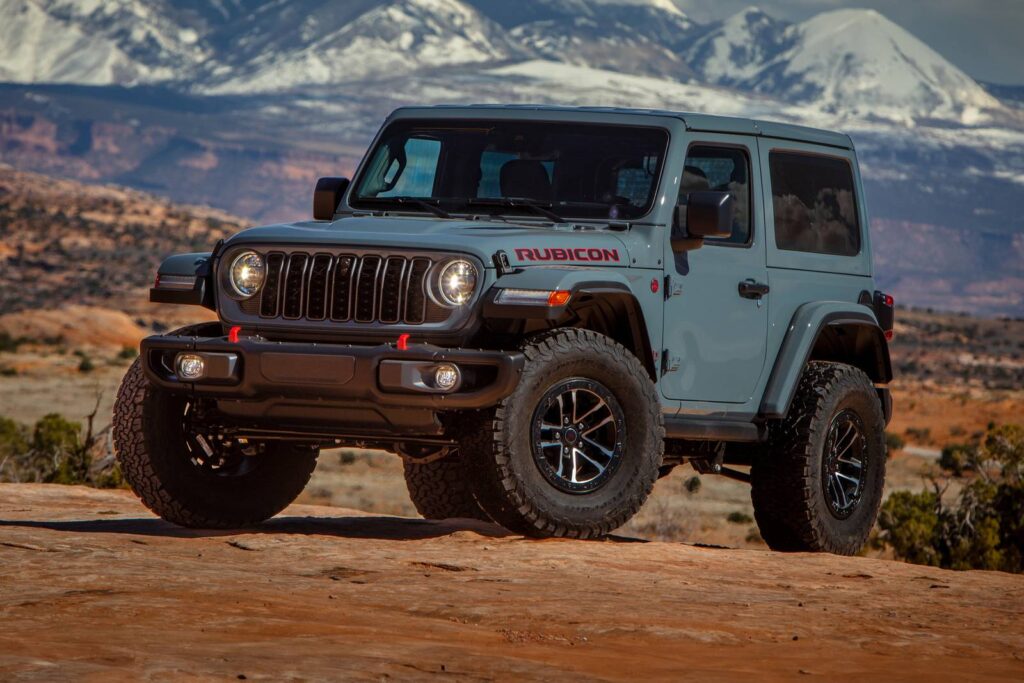
The Jeep Wrangler is like that rugged friend who’s always up for an adventure—but sometimes shows up late, muddy, and with a mysterious rattle you can’t quite explain. We love it for its boxy charm, trail-rated DNA, and freedom-first attitude. Still, if we’re being honest (and we are), Jeep Wrangler issues are real, well-documented, and worth understanding before—or after—you sign the paperwork.
In this deep dive, we’re pulling back the curtain on the most common Jeep Wrangler problems across generations. We’ll talk engines, transmissions, electronics, roofs that drip when it rains, and those infamous steering gremlins. No fluff. No scare tactics. Just real-world insight, written like humans for humans.
Content in this publication
- Why Jeep Wrangler Issues Deserve a Real Conversation
- Jeep Wrangler Generations at a Glance
- Engine Issues We See Most Often
- Transmission Troubles That Raise Eyebrows
- The Death Wobble: Myth, Reality, or Both?
- Suspension and Steering Wear Issues
- Electrical Problems: The Modern Wrangler Curse
- Roof and Water Leak Problems
- Interior Wear and Tear Concerns
- Rust Problems: Still a Thing?
- Fuel Economy Complaints (Yes, It’s Normal)
- Common Warning Lights and What They Mean
- Build Quality Inconsistencies
- Jeep Wrangler Issues by Model Year Trends
- Are Jeep Wrangler Issues Deal-Breakers?
- How We Minimize Wrangler Problems Long-Term
- Final Thoughts: Loving a Wrangler, Warts and All
- Frequently Asked Questions About Jeep Wrangler Issues
Why Jeep Wrangler Issues Deserve a Real Conversation
Wranglers aren’t built like normal SUVs. They’re body-on-frame, solid-axle beasts designed to climb rocks, ford streams, and laugh at potholes. That design brilliance comes with trade-offs.
Wrangler ownership is less about perfection and more about personality.
The Wrangler Trade-Off
- Incredible off-road capability
- Iconic design and resale value
- Mechanical simplicity (sometimes)
But also:
- Rougher ride
- More wear-and-tear components
- Higher likelihood of quirks
Understanding common issues helps us prepare—not panic.
Jeep Wrangler Generations at a Glance
Before we dig into problems, context matters. Different generations have different weak spots.
Key Wrangler Generations
- YJ (1987–1995) – Square headlights, old-school mechanics
- TJ (1997–2006) – Coil springs, legendary 4.0L engine
- JK (2007–2018) – Modernized but problem-prone early years
- JL (2018–present) – Tech-heavy, better engines, new challenges
Each generation writes its own story—sometimes with a few plot twists.
Engine Issues We See Most Often
Engines are the heart of the Wrangler, and while some are nearly bulletproof, others have… personality.
Oil Consumption Problems
Many owners report higher-than-expected oil consumption, especially on newer 3.6L Pentastar engines.
Common symptoms include:
- Low oil levels between changes
- Oil warning lights
- Rough idle when oil runs low
This isn’t always catastrophic—but it demands vigilance.
Ticking and Knocking Noises
Ah yes, the infamous “Pentastar tick.”
What causes it?
- Failing rocker arms
- Worn camshafts
- Poor lubrication
Left unchecked, it can escalate from an annoying sound to a wallet-draining repair.
Cooling System Failures
Wranglers work hard—especially off-road—and cooling systems sometimes wave the white flag.
Frequent cooling issues:
- Cracked radiators
- Faulty thermostats
- Electric fan failures
Overheating is one problem you never want to ignore.
Transmission Troubles That Raise Eyebrows
Manual or automatic, Wrangler transmissions aren’t immune to drama.
Manual Transmission Problems
Some owners report:
- Hard shifting
- Clutch chatter
- Premature clutch wear
This is more common in JK and JL models, particularly when driven aggressively or off-road without proper upgrades.
You may be interested in reading Jeep Wrangler Overheating: Causes, Fixes, and Prevention
Automatic Transmission Complaints
Automatic Wranglers—especially early JL models—have faced:
- Rough gear changes
- Delayed engagement
- Software-related shift confusion
Thankfully, many of these issues improve with updated programming.
The Death Wobble: Myth, Reality, or Both?
Let’s talk about the elephant shaking violently at 55 mph.
What Is Death Wobble?
It’s a violent front-end oscillation triggered by bumps at speed. The steering wheel shakes, your heart rate spikes, and you question all your life choices.
Common Causes
- Worn track bar bushings
- Bad ball joints
- Improper alignment
- Oversized tires without supporting mods
Death wobble isn’t exclusive to Wranglers—but solid front axles make them more susceptible.
Suspension and Steering Wear Issues
Wranglers flex. That flex stresses components.
Parts That Wear Faster Than Expected
- Ball joints
- Tie rods
- Control arm bushings
Lifting your Wrangler without upgrading supporting parts accelerates these issues dramatically.
Electrical Problems: The Modern Wrangler Curse
As Wranglers became more tech-heavy, electrical gremlins followed.
Infotainment System Glitches
Owners often report:
- Frozen touchscreens
- Random reboots
- Bluetooth connectivity issues
These problems are annoying—but rarely dangerous.
Battery and Start-Stop Issues
Wranglers with ESS (Engine Start-Stop) systems rely on dual batteries.
Common complaints include:
- No-start conditions
- Dashboard warning light chaos
- Rapid battery failure
Replacing both batteries often solves the mystery.
Roof and Water Leak Problems
A Wrangler that leaks? Shocking. Except… not really.
Hardtop and Soft Top Leaks
Water intrusion is one of the most common Jeep Wrangler issues.
Leak sources include:
- Door seals
- Freedom panel seams
- Poor roof alignment
It’s not uncommon—but it is frustrating, especially in rainy climates.
Interior Wear and Tear Concerns
Wrangler interiors are built to be washable—but not always durable.
Common Interior Complaints
- Peeling steering wheels
- Fading plastics
- Seat foam breakdown
These issues don’t affect drivability, but they do impact long-term satisfaction.
Rust Problems: Still a Thing?
Older Wranglers, especially in salty climates, can rust aggressively.
High-Risk Rust Areas
- Frame rails
- Rear crossmembers
- Door hinges
Newer models fare better, but inspection is still critical—especially for used buyers.
You may be interested in readingJeep Wrangler Overheating: Causes, Fixes, and PreventionYou may be interested in reading
 Jeep Wrangler Not Starting: Causes, Fixes, and Real-World Solutions
Fuel Economy Complaints (Yes, It’s Normal)
Let’s clear this up: Wranglers are not fuel misers.
Why MPG Feels Low
- Brick-like aerodynamics
- Heavy drivetrain components
- Aggressive tires
Complaining about Wrangler MPG is like complaining that a hammer isn’t subtle.
Common Warning Lights and What They Mean
Wrangler dashboards love to talk—sometimes too much.
Frequently Triggered Alerts
- Check engine light
- Traction control warnings
- TPMS alerts after tire changes
Many are sensor-related rather than true mechanical failures.
Build Quality Inconsistencies
Wranglers are built for adventure—not luxury-level fit and finish.
Reported Build Issues
- Panel gaps
- Loose trim
- Rattles over time
These aren’t deal-breakers, but expectations matter.
Jeep Wrangler Issues by Model Year Trends
Patterns emerge when we zoom out.
Years With Higher Complaint Volume
- Early JK models (2007–2012)
- First-year JL models (2018–2019)
Later production years often benefit from fixes and refinements.
Are Jeep Wrangler Issues Deal-Breakers?
Here’s the honest truth: Wranglers demand engagement.
They reward owners who:
- Maintain proactively
- Understand the platform
- Accept quirks as part of the charm
If you want a set-it-and-forget-it SUV, this isn’t it. If you want a machine with soul? Different story.
How We Minimize Wrangler Problems Long-Term
Wrangler ownership gets easier with the right mindset.
Best Practices
- Follow maintenance schedules religiously
- Upgrade weak components early
- Don’t cheap out on lifts or tires
- Address small issues before they snowball
Wranglers treat you as well as you treat them.
Final Thoughts: Loving a Wrangler, Warts and All
Jeep Wrangler issues are real—but so is the magic. Few vehicles inspire this level of loyalty, community, and adventure. Owning a Wrangler is like owning a loyal dog that sometimes chews the furniture. You forgive it because the bond runs deep.
When we understand the problems, we’re no longer surprised by them—and that’s when Wrangler ownership becomes genuinely rewarding.
Frequently Asked Questions About Jeep Wrangler Issues
Are Jeep Wranglers unreliable vehicles?
Not unreliable—just different. They require more attention than typical crossovers but reward proactive owners.
What is the most common Jeep Wrangler problem?
Steering-related issues, including death wobble, top the list across generations.
Do newer Jeep Wranglers have fewer problems?
Generally yes, but increased electronics introduce new types of issues.
Is death wobble dangerous?
It can be if ignored. Proper maintenance and upgrades usually prevent it.
Are Jeep Wrangler repairs expensive?
Costs vary. Parts are widely available, but labor can add up depending on the issue.
You may be interested in readingJeep Wrangler Overheating: Causes, Fixes, and PreventionYou may be interested in reading
Jeep Wrangler Not Starting: Causes, Fixes, and Real-World SolutionsYou may be interested in reading
 Jeep Wrangler No Heat: Why Your Cabin Feels Like a Freezer (And How We Fix It)
If you want to know other articles similar to Jeep Wrangler Issues: Common Problems, Causes, and What We’ve Learned the Hard Way you can visit the category Common Problems.
Ford Mondeo Not Starting: Complete Troubleshooting Guide
Ford Mondeo Central Locking Not Working: Complete Troubleshooting Guide
Ford Mondeo Heated Windscreen Not Working: Complete Troubleshooting & Fix Guide
Ford Mondeo Key Not Detected: Causes, Fixes, and Expert Solutions
Ford Mondeo Low Beam Bulb Fault: Complete Guide to Diagnosis, Fixes, and Prevention
Ford Mondeo Problems: The Ultimate Guide to Common Issues, Fixes, and Real Ownership Insights
Leave a Reply
More content of your interest