

Jeep Wrangler Tire Pressure: The Complete Guide for Street, Trail, and Everything Between

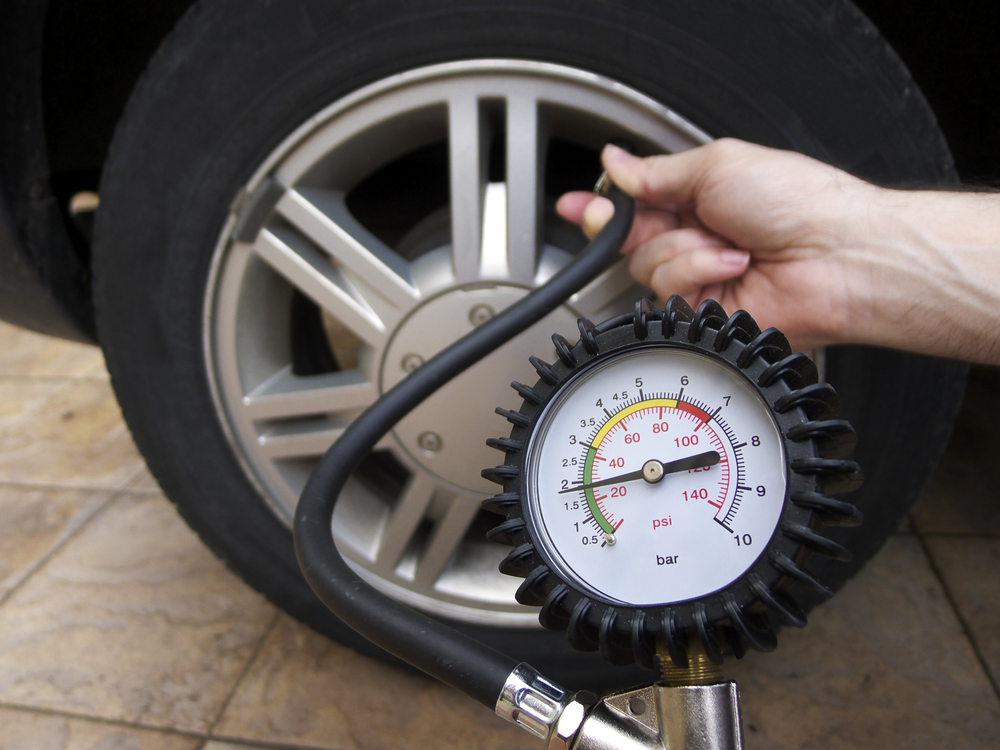
If there’s one thing we’ve learned after years around Jeep Wranglers, it’s this: tire pressure can make or break the entire driving experience. It’s not glamorous. It’s not flashy. But it’s the invisible hand that shapes how your Wrangler grips the road, floats over sand, crawls rocks, or simply feels on a daily commute.
We’re going to break it all down—plain English, real-world experience, no fluff. Whether you’re driving a bone-stock Sport or a lifted Rubicon on chunky all-terrains, this guide will help you dial in the perfect Jeep Wrangler tire pressure for every situation.
Content in this publication
- Why Tire Pressure Matters More in a Jeep Wrangler
- Factory-Recommended Jeep Wrangler Tire Pressure
- What “Cold Tire Pressure” Really Means
- Jeep Wrangler Tire Pressure for Daily Driving
- How Tire Size Changes Everything
- The Chalk Test: Old-School but Brilliant
- Jeep Wrangler Tire Pressure for Off-Roading
- Airing Down: Why It Works
- Recommended Off-Road Tire Pressure by Terrain
- How Low Is Too Low?
- TPMS and Jeep Wrangler Tire Pressure Warnings
- Can You Reset Jeep Wrangler TPMS?
- Seasonal Tire Pressure Adjustments
- Fuel Economy and Tire Pressure
- Signs Your Jeep Wrangler Tire Pressure Is Wrong
- How Often Should You Check Tire Pressure?
- Best Tools for Managing Jeep Wrangler Tire Pressure
- Common Jeep Wrangler Tire Pressure Myths
- Dialing In the Perfect Setup
- Final Thoughts: Small Adjustment, Massive Impact
- Frequently Asked Questions
Why Tire Pressure Matters More in a Jeep Wrangler
A Wrangler isn’t a regular SUV. It’s tall, boxy, solid-axle-equipped, and often rides on larger-than-average tires. That combination makes tire pressure far more noticeable than in a low-slung crossover.
Get it right, and the Jeep feels planted, confident, and predictable.
Get it wrong, and it can feel twitchy, harsh, or downright sketchy.
Tire pressure affects:
- Steering response
- Braking distance
- Ride comfort
- Fuel economy
- Tire wear
- Off-road traction
In short, it’s the foundation everything else sits on.
Factory-Recommended Jeep Wrangler Tire Pressure
Let’s start with the baseline—the numbers Jeep engineers intended.
Where to Find the Official Tire Pressure
Open the driver’s door and look at the sticker on the door jamb. That label tells you:
- Recommended PSI for front and rear tires
- Tire size the recommendation is based on
- Cold tire pressure (important detail)
This sticker always overrides what’s molded into the tire sidewall.
Typical Stock Jeep Wrangler Tire Pressure by Generation
While you should always confirm your specific model, these are common factory specs:
Jeep Wrangler JK (2007–2018)
- Front: 37 PSI
- Rear: 37 PSI
Jeep Wrangler JL (2018–Present)
- Front: 36 PSI
- Rear: 36 PSI
Rubicon models may vary slightly depending on wheel and tire setup.
What “Cold Tire Pressure” Really Means
This part trips up a lot of owners.
Cold pressure means:
- Tires have not been driven for at least 3 hours
- Or driven less than 1 mile at low speed
Once you drive, air inside the tire heats up and expands, increasing PSI. Measuring hot tires gives false readings—and wrong adjustments.
Jeep Wrangler Tire Pressure for Daily Driving
For pavement, consistency is king. You want stable handling and even tire wear.
Best PSI for City and Highway Use
For stock tires:
- Stick with the door sticker recommendation
- Check pressure once a month
- Adjust with seasonal temperature changes
If the ride feels overly stiff, you can experiment by dropping 1–2 PSI, but never stray far from factory specs unless you’ve changed tires.
How Tire Size Changes Everything
Once you move away from stock tires, factory numbers are no longer gospel.
You may be interested in reading Jeep Wrangler Alternator Replacement: What We Learned the Hard Way
Larger Tires Need Less Pressure
Bigger tires have more air volume. Running factory PSI on oversized tires often leads to:
- Harsh ride
- Center tread wear
- Reduced traction
Common Adjustments by Tire Size
- 33-inch tires: ~32–34 PSI
- 35-inch tires: ~28–30 PSI
- 37-inch tires: ~24–28 PSI
These are starting points—not universal truths.
The Chalk Test: Old-School but Brilliant
If you want precision, the chalk test is your best friend.
How to Perform a Chalk Test
- Draw a thick chalk line across the tire tread
- Drive straight for 50–100 feet
- Inspect chalk wear
Interpreting the Results
- Worn center only → pressure too high
- Worn edges only → pressure too low
- Even wear → you’re dialed in
This method works beautifully for Wranglers with aftermarket tires.
Jeep Wrangler Tire Pressure for Off-Roading
Here’s where Wranglers truly shine—and where tire pressure becomes an art form.
Airing Down: Why It Works
Lower pressure increases the tire’s footprint, allowing it to:
- Grip uneven surfaces
- Absorb rocks and bumps
- Reduce wheel spin
It’s like switching from dress shoes to hiking boots.
Recommended Off-Road Tire Pressure by Terrain
Sand
- 12–15 PSI
- Creates flotation and prevents digging in
Rocks
- 10–15 PSI
- Maximizes grip and tire conformity
Mud
- 15–20 PSI
- Balances traction with self-cleaning
Snow
- 18–22 PSI
- Improves grip without losing control
Always air back up before returning to pavement.
How Low Is Too Low?
Drop too far, and you risk:
- Debeading a tire
- Damaging sidewalls
- Losing steering precision
With stock wheels, most Wranglers shouldn’t go below 12 PSI without beadlocks.
TPMS and Jeep Wrangler Tire Pressure Warnings
Modern Wranglers use Tire Pressure Monitoring Systems that don’t love off-roading.
Why the Light Comes On
- TPMS usually triggers below ~29 PSI
- Airing down almost guarantees a warning
This doesn’t mean something is wrong—it means the system is doing its job.
Can You Reset Jeep Wrangler TPMS?
In most cases:
- Inflate tires back to spec
- Drive at highway speed for 10–15 minutes
- Light resets automatically
Some owners use aftermarket TPMS bypass modules for dedicated off-road builds.
Seasonal Tire Pressure Adjustments
Temperature changes matter more than most people think.
The Rule of Thumb
For every 10°F (5.5°C) change:
- Tire pressure shifts by about 1 PSI
Cold winter mornings often mean underinflated tires—even if they were perfect in summer.
Fuel Economy and Tire Pressure
Yes, tire pressure affects MPG.
You may be interested in readingJeep Wrangler Alternator Replacement: What We Learned the Hard WayYou may be interested in reading
 Jeep Wrangler Dashboard Warning Lights Explained: Meanings, Causes, and What to Do Next
- Underinflated tires = more rolling resistance
- Overinflated tires = less grip and uneven wear
Properly inflated tires help your Wrangler sip fuel instead of guzzling it.
Signs Your Jeep Wrangler Tire Pressure Is Wrong
Your Jeep tells you—if you listen.
Too Much Pressure
- Bouncy ride
- Poor traction
- Center tread wear
Too Little Pressure
- Heavy steering
- Sluggish acceleration
- Edge tread wear
If the Jeep feels “off,” tire pressure should be the first thing you check.
How Often Should You Check Tire Pressure?
We recommend:
- Once a month
- Before long road trips
- After major temperature swings
- Before and after off-roading
It takes five minutes and saves hundreds in tire wear.
Best Tools for Managing Jeep Wrangler Tire Pressure
A Wrangler owner’s toolkit should include:
- Digital tire pressure gauge
- Portable air compressor
- Tire deflators (for off-road use)
These tools turn guesswork into confidence.
Common Jeep Wrangler Tire Pressure Myths
Let’s bust a few.
- “Sidewall PSI is recommended PSI” → False
- “Higher pressure always means better MPG” → False
- “All Wranglers run the same PSI” → False
Context matters. Setup matters. Usage matters.
Dialing In the Perfect Setup
Think of tire pressure like seasoning food. Too little, and it’s bland. Too much, and it’s ruined. The sweet spot depends on how you drive and where you go.
Once you find your number, the Jeep suddenly feels right—like it’s finally speaking your language.
Final Thoughts: Small Adjustment, Massive Impact
Tire pressure is one of the cheapest, easiest upgrades you can make to your Jeep Wrangler—and one of the most powerful. Whether you’re commuting, crawling, or chasing sunsets on a dirt trail, the right PSI transforms how your Jeep behaves.
We always say this: before you buy mods, before you blame suspension, before you chase fixes—check your tire pressure.
It’s often the answer hiding in plain sight.
Frequently Asked Questions
What is the correct tire pressure for a stock Jeep Wrangler?
Most stock Wranglers run 36–37 PSI, depending on generation and trim.
Can I run lower tire pressure every day for comfort?
Slightly lower (1–2 PSI) is fine, but too low increases tire wear and hurts MPG.
Why does my TPMS light stay on after airing up?
Drive for 10–15 minutes at highway speed; it usually resets automatically.
Is it safe to air down without beadlocks?
Yes, but stay above 12–15 PSI to avoid debeading.
You may be interested in readingJeep Wrangler Alternator Replacement: What We Learned the Hard WayYou may be interested in reading
Jeep Wrangler Dashboard Warning Lights Explained: Meanings, Causes, and What to Do NextYou may be interested in reading
 Jeep Wrangler Wiper Blade Size: The Complete Owner’s Guide
Do bigger tires always need lower pressure?
Generally yes, but the exact PSI depends on tire construction and vehicle weight.
If you want to know other articles similar to Jeep Wrangler Tire Pressure: The Complete Guide for Street, Trail, and Everything Between you can visit the category Service and Parts.
How to Reset Volvo XC60 Infotainment System: The Complete Practical Guide
Volvo XC60 Gearbox Oil Change: The Complete Expert Guide
Volvo XC60 Engine Management Light: Causes, Fixes, and What It Really Means
Skoda Kamiq Size Comparison: Dimensions, Space & Real-World Practicality
Volvo XC60 Headlight Adjustment for Europe: The Complete Practical Guide
Volvo XC60 City Safety Service Required: What It Means, Causes, and Fixes
Leave a Reply
More content of your interest