

Kia Ceed Engine Management Light: Complete Guide to Causes, Fixes & Prevention

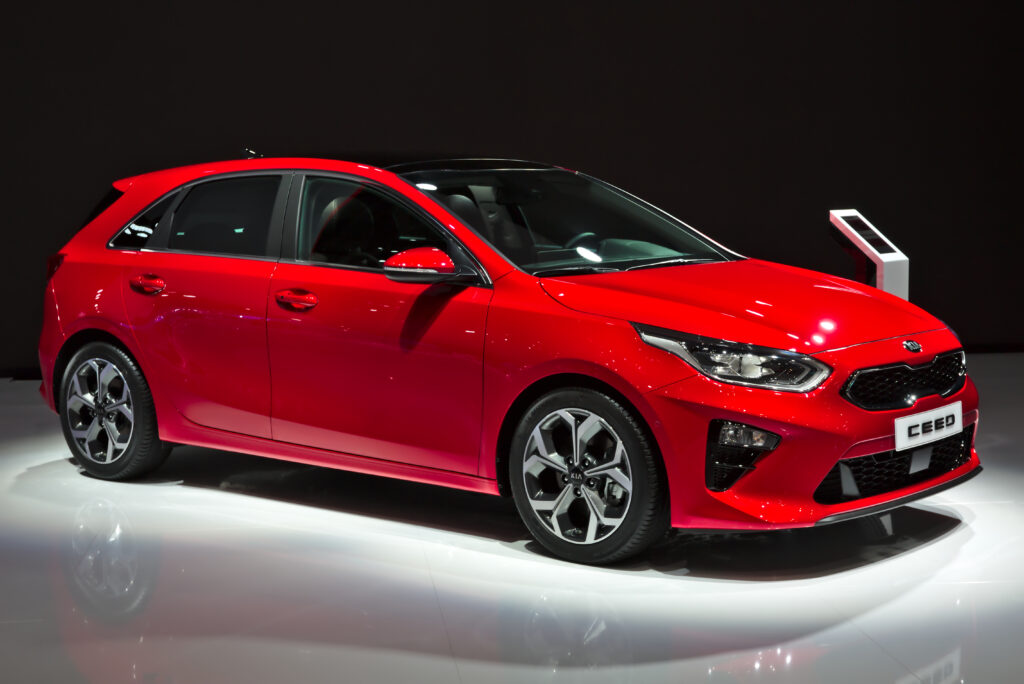
When the engine management light (EML) pops up on a Kia Ceed’s dashboard, it rarely feels like a small moment. It’s the kind of warning that makes us sit up straighter, lower the radio volume, and whisper a quiet “please don’t be serious” to the car gods. We’ve all been there—cruising along, everything smooth as butter—and suddenly that little amber icon appears like a riddle we didn’t ask for.
In this comprehensive guide, we break down the Kia Ceed engine management light with the depth of an expert but the tone of a friend riding shotgun. Whether your Ceed is a hardworking diesel, a peppy petrol model, or a newer mild-hybrid version, we’ll take a deep dive into why the light turns on, what you should check first, what repairs might be needed, and how to keep the issue from coming back.
Think of this guide as the roadside assistant who actually explains things clearly—no upsell, no jargon-heavy nonsense, just real insights, practical steps, and a few metaphors to keep things human.
Content in this publication
- Understanding the Engine Management Light (EML)
- Why the Engine Management Light Appears on a Kia Ceed
- Symptoms That Often Accompany the EML
- Immediate Steps When the EML Appears
- Kia Ceed Fault Codes (Most Common EML Codes Explained)
- Most Common Causes by Kia Ceed Engine Type
- Deep Dive: The Most Likely Issue—O2 and MAF Sensor Faults
- Diesel Drivers: Your DPF Deserves Attention
- Turbocharger Issues: A Silent Assassin
- Fuel System Faults and Misfires
- When the Kia Ceed Enters Limp Mode
- DIY Fixes You Can Do at Home
- Cost Breakdown: Common EML Repairs on a Kia Ceed
- Preventing the Engine Management Light from Returning
- Closing Thoughts
- FAQs
Understanding the Engine Management Light (EML)
The EML (often shown as a little yellow engine symbol) indicates that the vehicle’s ECU has detected a fault somewhere in the powertrain—engine, sensors, emissions, fuel system, or related components.
It doesn’t always spell disaster, but it should never be ignored, especially on a Kia Ceed, where early intervention can save both time and money.
Why the Engine Management Light Appears on a Kia Ceed
The Kia Ceed EML can be triggered by dozens of potential issues, but they tend to fall into predictable categories. Think of it like a doctor diagnosing symptoms—everything points somewhere.
Common Causes: A Quick Breakdown
- Faulty oxygen sensor (O2 sensor)
- Loose, cracked, or missing fuel cap
- EGR valve issues (especially on diesel variants)
- Blocked or failing DPF filter (diesel models)
- Ignition coil or spark plug failure (petrol models)
- MAF sensor contamination or failure
- Turbocharger boost leak
- Fuel injector problems
- Low voltage from a failing battery
- Camshaft or crankshaft sensor faults
Every Ceed generation—from the 2007 MK1 to the latest 2025 facelift—can display the EML for these reasons, though some years have characteristic culprits that we’ll explore shortly.
Symptoms That Often Accompany the EML
Sometimes the light is a solo act; other times, it brings the whole band.
You may notice:
- Reduced engine power or limp mode
- Rough idling or misfiring
- Poor fuel economy
- Hesitation during acceleration
- Unusual exhaust smoke
- Strong fuel smells
- Increased turbo lag
- Hard starting
When the engine management light appears with any of these symptoms, the issue becomes more urgent.
Immediate Steps When the EML Appears
Here’s what we recommend doing the moment the light decides to make an appearance. Think of it as your Ceed whispering, “Let’s not panic, but let’s be smart about this.”
1. Check the fuel cap
Yes, really. A loose or cracked fuel cap is responsible for an unbelievable number of EML triggers.
2. Note the colour and behaviour of the light
- Solid amber → non-urgent but needs diagnosis soon.
- Flashing amber → severe misfire risk; stop driving to prevent catalytic converter damage.
3. Scan the car using an OBD2 reader
Affordable readers like the Autel, Launch, or even a simple Bluetooth scanner can reveal fault codes instantly.
4. Reduce engine load
If the car feels underpowered, avoid:
- Overtaking
- Heavy acceleration
- Towing
- Mountain driving
5. Restart the vehicle
A single glitch can sometimes clear after a power cycle—though if the light returns, take it seriously.
You may be interested in reading Renault Megane Tire Pressure: The Real-World Guide We Actually Use
Kia Ceed Fault Codes (Most Common EML Codes Explained)
Here are the codes we see most often in Kia Ceed diagnostics.
| Fault Code | Meaning | Common Cause |
|---|---|---|
| P0420 | Catalyst system below threshold | Weak catalytic converter, O2 sensor issues |
| P0401 | EGR insufficient flow | Carbon-clogged EGR valve |
| P0299 | Turbo underboost | Boost leak, turbo wear |
| P0300–P0304 | Misfire detected | Spark plugs, coils, injectors |
| P0101 | MAF sensor range issue | Dirty or failing MAF |
| P2002 | DPF efficiency fault | Blocked diesel particulate filter |
| P0113 | Intake air temperature sensor | Faulty IAT sensor |
| P0171 | System too lean | Intake leak, weak fuel pump |
Knowing the code is half the battle—interpretation and action are the other half.
Most Common Causes by Kia Ceed Engine Type
Different engines have different personalities—and different Achilles’ heels.
Petrol Engines (1.0 T-GDi, 1.4, 1.6)
Petrol Ceeds love smooth ignition systems—but when something hiccups, the EML shows up.
Frequent petrol culprits:
- Ignition coil failure
- Worn spark plugs
- MAF contamination
- EVAP leaks
- Lambda sensor deterioration
Diesel Engines (1.4 CRDi, 1.6 CRDi, 1.6 EcoDynamics)
Diesels are wonderfully torquey but demand clean airflow and healthy emissions systems.
Frequent diesel culprits:
- Clogged DPF
- EGR valve sticking
- Low-pressure fuel pump issues
- Boost pipe leaks
- Carbon buildup
Hybrid or Mild-Hybrid Engines
These bring electrical systems into the mix.
Frequent hybrid culprits:
- Low auxiliary battery voltage
- Regenerative braking sensor faults
- Inverter temperature issues
Deep Dive: The Most Likely Issue—O2 and MAF Sensor Faults
If we had to bet on one culprit behind a Kia Ceed engine management light, the oxygen sensor or MAF sensor would be favourites. These sensors help decide how much fuel and air the engine breathes; if they get confused, the whole engine behaves like it forgot the choreography.
Signs of sensor failure
- Uneven idle
- Poor fuel economy
- Hesitant throttle response
Quick home checks
- Inspect wiring for fraying
- Check for oil contamination
- Clean the MAF with proper MAF cleaner spray
A faulty sensor won’t usually cause catastrophic damage, but ignoring it will steadily drain your wallet via poor fuel consumption.
Diesel Drivers: Your DPF Deserves Attention
If you own a diesel Kia Ceed, especially pre-2020 models, the DPF is a major player in EML drama.
Why DPF Issues Trigger the EML
A blocked filter creates backpressure, forcing the ECU to reduce power. Long journeys help clear soot, but short commutes clog things quickly.
Early Signs of DPF Problems
- EML + DPF warning message
- Increased fuel consumption
- Regeneration attempts that fail repeatedly
Fixes
- Perform a motorway drive at sustained revs
- Use DPF-friendly additives
- If severe: forced regeneration, or DPF removal/cleaning
Turbocharger Issues: A Silent Assassin
Turbocharged Ceeds (especially the 1.6 CRDi and 1.0 T-GDi models) can develop boost leaks or wear in the turbo.
You may be interested in readingRenault Megane Tire Pressure: The Real-World Guide We Actually UseYou may be interested in reading
 Renault Megane Boot Space: Real-World Capacity, Practicality, and Everyday Usability
Signs:
- P0299 code
- Noticeably weaker acceleration
- Whistling or hissing noise
Possible Causes:
- Leaking intercooler hose
- Crack in boost pipe
- Worn actuator
A turbo leak often feels like the car aged ten years overnight.
Fuel System Faults and Misfires
Misfires are the EML’s favourite party trick, especially on older Ceed petrol engines.
Possible causes:
- Weak fuel pump
- Dirty injectors
- Aged spark plugs
- Coil pack failure
Symptoms:
- Shaking at idle
- Jumpy acceleration
- Strong fuel smell
When the Kia Ceed Enters Limp Mode
Limp mode is the car's way of saying, “I’m hurt, and you’re not making it worse today.”
Characteristics:
- Power severely limited
- Rev restrictions
- Turbo may deactivate
When the EML + limp mode appear together, the issue is often:
- DPF blockage
- Turbo underboost
- Major sensor failure
This is not a “drive it off until next week” scenario—limp mode demands immediate attention.
DIY Fixes You Can Do at Home
Some issues are blissfully simple to solve.
Quick DIY wins
- Tighten fuel cap
- Clean MAF sensor
- Replace spark plugs
- Reset with an OBD scanner
- Inspect hoses for cracks
- Charge or replace the 12V battery
Tasks best left to professionals
- Turbocharger testing
- Injector coding
- DPF removal and cleaning
- EGR valve replacement
- Timing chain-related faults
Cost Breakdown: Common EML Repairs on a Kia Ceed
| Repair | Typical Cost (UK) |
|---|---|
| Fuel cap replacement | £10–£20 |
| O2 sensor replacement | £120–£250 |
| MAF sensor replacement | £150–£300 |
| Ignition coil + plugs | £140–£250 |
| DPF clean/regen | £120–£350 |
| Turbo hose replacement | £80–£180 |
| EGR valve | £250–£600 |
| Turbocharger replacement | £700–£1,600 |
Preventing the Engine Management Light from Returning
Preventive care is a lot like stretching before a run—easy to skip, but incredibly effective.
Our recommended routine:
- Use quality fuel
- Drive motorways regularly (diesels especially)
- Replace spark plugs on schedule
- Avoid cheap oil
- Keep intake system clean
- Check battery health annually
A Ceed that’s maintained lovingly rarely has persistent EML issues.
Closing Thoughts
The Kia Ceed engine management light is one of those warnings that demands respect but not fear. With the right blend of knowledge, timely action, and preventative care, the EML becomes less of a mysterious omen and more of a helpful guide pointing toward issues before they escalate. The Ceed is a reliable companion—but like any companion, it communicates in its own way. When the EML lights up, it’s simply saying, “Let’s sort this together.”
FAQs
1. Can I drive with the engine management light on in my Kia Ceed?
Yes, but only if the light is steady and the car drives normally. A flashing light means stop immediately.
2. Will the engine management light reset itself?
It can, if the underlying fault is temporary—but recurring lights always signal a deeper issue.
3. Why does my diesel Kia Ceed get DPF faults so often?
Short journeys prevent proper regeneration, causing soot buildup and triggering the EML.
4. What is the most common EML cause on a Kia Ceed?
Oxygen sensor faults and MAF sensor issues top the list, followed closely by DPF problems on diesels.
5. How long does diagnosis usually take?
Most garages identify the issue within 30–60 minutes using a diagnostic scanner.
You may be interested in readingRenault Megane Tire Pressure: The Real-World Guide We Actually UseYou may be interested in reading
Renault Megane Boot Space: Real-World Capacity, Practicality, and Everyday UsabilityYou may be interested in reading
 Renault Megane Service Reset: The Complete Guide for Every Generation
If you want to know other articles similar to Kia Ceed Engine Management Light: Complete Guide to Causes, Fixes & Prevention you can visit the category Service and Parts.
How to Reset Volvo XC60 Infotainment System: The Complete Practical Guide
Volvo XC60 Gearbox Oil Change: The Complete Expert Guide
Volvo XC60 Engine Management Light: Causes, Fixes, and What It Really Means

Skoda Kamiq Size Comparison: Dimensions, Space & Real-World Practicality
Volvo XC60 Headlight Adjustment for Europe: The Complete Practical Guide
Volvo XC60 City Safety Service Required: What It Means, Causes, and Fixes
Leave a Reply
More content of your interest