

Kia Ceed Heater Not Working: Causes, Diagnosis, and Expert Fixes

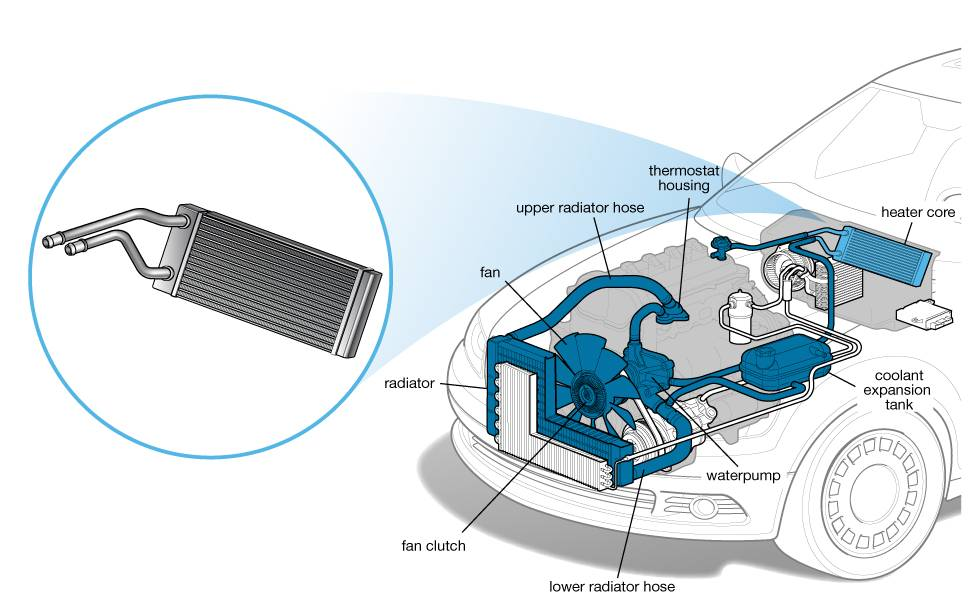
When the heater in a Kia Ceed stops working, the discomfort is immediate—especially during cold months when we rely on fast, effective cabin warmth and clear windows. We created this comprehensive guide to help you diagnose every known cause of poor heating performance, from simple coolant-related issues to complex HVAC module failures. By understanding how each part of the heating system interacts, you’ll be able to identify the source of the problem with confidence.
Content in this publication
- Understanding How the Kia Ceed Heating System Delivers Warm Air
- Low Coolant Level or Air Trapped in the System
- Clogged Heater Core Restricting Coolant Flow
- Faulty Thermostat Preventing the Engine from Reaching Temperature
- Failing Water Pump Reducing Coolant Circulation
- Blend Door Actuator Malfunction Affecting Temperature Control
- Dirty Cabin Air Filter Restricting Airflow to the Vents
- Sluggish or Failing Blower Motor
- Blower Motor Not Working at All (No Airflow)
- Dirty Evaporator Restricting Air Movement
- Faulty HVAC Control Module (Climate Control Unit Failure)
- Blown Head Gasket Affecting Coolant Pressure and Flow
- Using Recirculation Mode to Improve Heater Performance
- Step-by-Step Diagnostic Checklist for Kia Ceed Heater Problems
- When Professional Diagnosis Is Recommended
- Conclusion
- Frequently Asked Questions
Understanding How the Kia Ceed Heating System Delivers Warm Air
Before addressing individual faults, it helps to understand the flow of heat through the system. The Ceed’s heater relies on hot coolant from the engine circulating through the heater core. Air pushed across this hot core enters the cabin, and the HVAC electronics determine airflow direction and temperature.
Low Coolant Level or Air Trapped in the System
A low coolant level is the most common reason for a Kia Ceed heater not working. Insufficient coolant volume or air pockets prevents the water pump from circulating hot coolant properly through the heater core.
Symptoms
- Heater blows cold or only slightly warm air.
- Gurgling or sloshing sounds behind the dashboard.
- Fluctuating engine temperature gauge.
How to Inspect Coolant Level
- Locate the transparent coolant reservoir.
- Check whether the level sits between the MIN and MAX marks.
- If low, top up with the correct coolant mixture for the Kia Ceed.
Air Pocket Issues
Air rises to the highest point in the cooling system—often the heater core—preventing heat transfer.
Bleeding the cooling system is essential after any coolant loss or component replacement.
Clogged Heater Core Restricting Coolant Flow
Over years of operation, sediment, rust, and mineral deposits accumulate inside the heater core’s narrow channels. Blockage prevents hot coolant from circulating, drastically reducing heater output.
How to Check for a Blocked Heater Core
Feel the two hoses entering the firewall:
- Both hot → coolant is flowing correctly.
- One hot, one cold → the heater core is clogged.
Restoring Flow Through Flushing
Flushing the heater core can often restore full function:
- Use a flush kit to force water through the outlet hose.
- Continue until the expelled water runs clear.
If flushing fails, a replacement heater core may be required.
Faulty Thermostat Preventing the Engine from Reaching Temperature
A thermostat stuck in the open position keeps coolant flowing through the radiator constantly. This prevents the engine from reaching normal operating temperature, especially in cold weather.
Symptoms of a Stuck-Open Thermostat
- Heater takes unusually long to warm up.
- Engine temperature never reaches the normal middle gauge.
- Increased fuel consumption.
Replacing the thermostat restores proper coolant temperature regulation.
Failing Water Pump Reducing Coolant Circulation
The water pump drives coolant through the entire system. When the pump wears out, coolant may circulate slowly or not at all.
Warning Signs of a Bad Water Pump
- Heater produces weak or inconsistent heat.
- Coolant leaks near the pump.
- High engine temperature.
- Whining noises from the pump pulley.
A failed water pump threatens the engine as well as heating performance, so prompt replacement is essential.
Blend Door Actuator Malfunction Affecting Temperature Control
In the Kia Ceed, the blend door actuator adjusts how much air passes over the heater core. When it fails, the door may remain stuck in the cold position.
You may be interested in reading Kia Ceed Indicators Not Working: The Complete Troubleshooting Guide We All Need
Common Actuator Symptoms
- Clicking or tapping noises behind the dashboard.
- Creaking sounds when adjusting temperature settings.
- One side of the cabin warm while the other remains cold (dual-zone models).
Repair Notes
Blend door actuators typically require replacement rather than repair.
Due to their deep dashboard location, we recommend professional installation.
Dirty Cabin Air Filter Restricting Airflow to the Vents
The cabin filter traps dust, pollen, and debris. Over time, it becomes clogged and restricts airflow, reducing both heating and cooling efficiency.
Indicators of a Blocked Cabin Filter
- Weak airflow even with the fan on high.
- Musty interior smell.
- Windows fogging more easily.
Maintenance Recommendations
- Replace every 10,000–20,000 miles or annually before winter.
- Cleaning is possible but rarely restores full efficiency.
Replacing the filter is an inexpensive, high-impact maintenance step.
Sluggish or Failing Blower Motor
If the blower motor turns slowly or inconsistently, the airflow through the heater core weakens significantly.
Signs of Blower Motor Issues
- Reduced fan strength.
- Whining, rattling, or grinding noises.
- Airflow changes when hitting bumps.
A failing blower motor resistor or control module can produce similar symptoms, so proper testing is needed.
Blower Motor Not Working at All (No Airflow)
When there is no airflow whatsoever, the issue typically involves electrical components.
Possible Causes
- Blown fuse.
- Failed relay.
- Defective blower motor resistor or control module.
- Burned-out blower motor.
- Loose connectors or damaged wiring.
- Faulty HVAC control unit.
Restoring airflow requires electrical diagnosis and component testing.
Dirty Evaporator Restricting Air Movement
Even though the evaporator is part of the A/C system, all cabin air passes through it before reaching the heater core. When coated with dirt or debris, airflow is substantially reduced.
Evaporator Blockage Symptoms
- Weak airflow from vents.
- Hot or cold air output below normal levels.
- Increased system noise due to restricted movement.
Cleaning the evaporator often requires removing the blower motor or using foam cleaners designed for HVAC systems.
Faulty HVAC Control Module (Climate Control Unit Failure)
The HVAC control module governs fan speed, blend doors, recirculation mode, and temperature regulation. When it malfunctions, the entire heating system can fail.
Diagnostic Approach
A scan tool is required to:
- Check for HVAC error codes.
- Verify actuator responses.
- Test blower motor command signals.
Replacement may be necessary if the module cannot be recalibrated or repaired.
Blown Head Gasket Affecting Coolant Pressure and Flow
A head gasket failure is one of the most severe causes of heater malfunction in the Kia Ceed.
You may be interested in readingKia Ceed Indicators Not Working: The Complete Troubleshooting Guide We All NeedYou may be interested in reading
 Kia Ceed Juddering When Accelerating: Causes, Fixes & Expert Guidance
Consequences of a Blown Gasket
- Exhaust gases enter the cooling system, forming air pockets in the heater core.
- Coolant leaks into cylinders and burns off.
- Overheating risk increases dramatically.
DIY Head Gasket Leak Testing
Use a chemical test kit on the radiator opening:
- If the test liquid changes colour, exhaust gases are present.
A blown head gasket requires immediate professional repair.
Using Recirculation Mode to Improve Heater Performance
When outside air is extremely cold, keeping the HVAC system in fresh air mode reduces heating efficiency.
Switching to recirculation mode warms the cabin faster because the system no longer draws in icy air.
- Reduces warm-up time.
- Improves defogging performance when combined with light A/C use.
- Does not pose suffocation risk due to partial fresh-air intake (up to 10%).
Step-by-Step Diagnostic Checklist for Kia Ceed Heater Problems
To efficiently pinpoint the issue, we recommend following this structured order:
- Check coolant level and inspect for leaks.
- Bleed the cooling system to remove air pockets.
- Inspect heater core hoses for temperature differences.
- Evaluate thermostat function via engine warm-up behaviour.
- Listen for actuator noises behind the dashboard.
- Check cabin air filter for dirt or blockages.
- Test blower motor output at all fan speeds.
- Inspect electrical components (fuses, relays, resistor).
- Assess water pump performance and coolant flow.
- Scan HVAC module for error codes.
- Perform head gasket check if coolant loss is unexplained.
This systematic process ensures no cause is overlooked.
When Professional Diagnosis Is Recommended
While many issues—like low coolant or a clogged cabin filter—can be resolved at home, more complex faults such as actuator replacement, evaporator cleaning, water pump failure, or head gasket leaks require advanced tools and specialist knowledge.
Certified technicians can:
- Pressure-test the cooling system,
- Inspect internal HVAC components,
- Perform coolant flow tests,
- Access deep dashboard assemblies,
- Reprogram HVAC modules when necessary.
Conclusion
A Kia Ceed heater not working can stem from coolant shortages, clogged components, electronic faults, or major mechanical failures. By understanding the function of each part and following a structured diagnostic process, you can target the root cause efficiently. Many issues are simple to resolve, while others require professional expertise to ensure long-term reliability and safety.
Frequently Asked Questions
1. Why does my Kia Ceed heater only blow cold air?
Low coolant, air in the system, or a clogged heater core are typically responsible for cold air output.
2. Can a bad thermostat cause the heater to stop working?
Yes. A thermostat stuck open prevents the engine from warming up, resulting in weak or no cabin heat.
3. Why does my heater work when driving but not at idle?
This often points to weak coolant circulation from a failing water pump or trapped air in the heater core.
4. Can I flush the heater core myself?
Yes, flush kits are available. However, extreme blockages or leaks may require professional replacement.
5. Should I use recirculation mode in winter?
Yes. Recirculation mode improves heating efficiency and warms the interior faster.
You may be interested in readingKia Ceed Indicators Not Working: The Complete Troubleshooting Guide We All NeedYou may be interested in reading
Kia Ceed Juddering When Accelerating: Causes, Fixes & Expert GuidanceYou may be interested in reading
 Renault Megane Alarm Keeps Going Off: Causes, Fixes, and Lasting Solutions
If you want to know other articles similar to Kia Ceed Heater Not Working: Causes, Diagnosis, and Expert Fixes you can visit the category Common Problems.
Volvo XC60 360 Camera Not Working: Complete Troubleshooting & Fix Guide
Volvo XC60 Key Fob Not Working: Causes, Fixes, and Expert Solutions
Volvo XC60 Low Battery Warning: Causes, Fixes, and Prevention Guide
Volvo XC60 No Sound: Causes, Fixes, and Complete Troubleshooting Guide
Volvo XC60 Common Problems: What Owners Really Experience
Volvo XC60 Issues: The Truth Behind This Popular SUV
Leave a Reply
More content of your interest