

Kia Ceed Juddering When Accelerating: Causes, Fixes & Expert Guidance

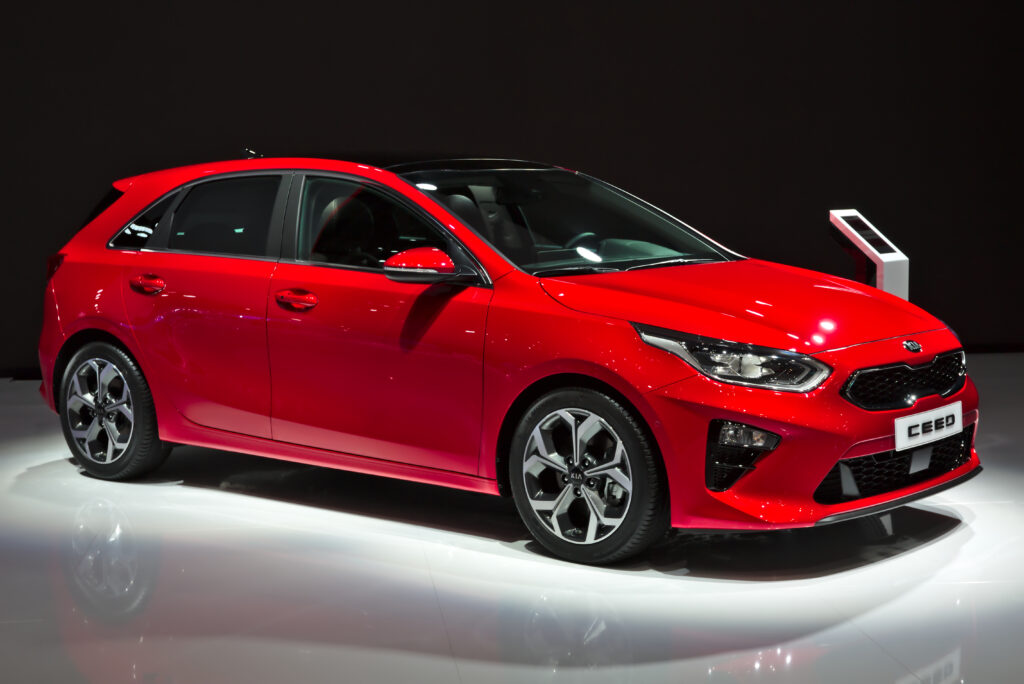
When our Kia Ceed starts juddering during acceleration, it feels a lot like someone pulling on an invisible handbrake — one minute we’re gliding, the next the car stumbles as though tripping over its own feet. It’s frustrating, unnerving, and a little bit mystifying. But here’s the good news: juddering under acceleration is extremely common, and almost always fixable once we unravel the root cause.
In today’s deep-dive, we’re unlocking everything we need to know about Kia Ceed juddering, from engine misfires to clogged filters, fuel delivery hiccups, gearbox troubles, and even wheel-related quirks that disguise themselves as engine problems. Think of it as a complete roadmap to diagnosing, understanding, and resolving the issue — without drowning in jargon or getting lost in guesswork.
Let’s walk through it together, step by step, with clarity, confidence, and a friendly tone. Because by the end, we’ll have a far sharper understanding of what’s going on beneath the bonnet and how to get the Ceed back to its silky acceleration.
Content in this publication
- Understanding What Juddering Really Means
- Main Causes of Kia Ceed Juddering When Accelerating
- Fuel Delivery Problems
- Ignition System Issues (Petrol Variants)
- Air Intake & Emissions System Problems
- Engine Misfires and Internal Combustion Issues
- Turbocharger Problems (1.4 T-GDi, 1.6 T-GDi)
- Clutch Issues (Manual Ceed)
- Gearbox and Transmission Issues
- Drivetrain and Wheels: The Overlooked Causes
- Dirty Sensors & ECU Adaptation Issues
- Exhaust Blockages & DPF Issues (Diesel Models)
- How to Properly Diagnose Kia Ceed Juddering
- Do Different Kia Ceed Generations Suffer from Different Judder Causes?
- When Juddering Becomes Dangerous
- DIY Fixes You Can Try Before Visiting a Mechanic
- Professional Repairs for Persistent Juddering
- Preventing Future Juddering
- Closing Thoughts
- FAQs
Understanding What Juddering Really Means
Juddering when accelerating is more than a single symptom — it's a feeling. It’s the vibration, hesitation, or stutter that makes the car feel out of sync with our foot on the throttle. Sometimes it feels like the engine is holding its breath; other times, it’s more like the wheels are slipping, or the gearbox is getting confused.
To diagnose correctly, we first need to understand how the problem presents.
Common sensations associated with juddering
- Sharp vibrations when applying throttle
- Hesitation before gaining speed
- Stuttering when shifting gears
- Pulsing or surging acceleration
- Smooth driving at idle but roughness when pressing the pedal
When the symptoms appear
- Only at low speeds
- Only when accelerating hard
- Only when climbing hills
- Constant, regardless of load
Each pattern hints at a different mechanical suspect — almost like solving a mystery. And trust us, the usual culprits are far more predictable than they seem.
Main Causes of Kia Ceed Juddering When Accelerating
Below we explore the most common causes behind acceleration juddering. While the Kia Ceed is a reliable, beloved model in the UK and Europe, it’s still prone to the typical issues affecting petrol, diesel, and turbocharged engines.
We’ll break down each cause with symptoms, explanations, and actionable advice.
Fuel Delivery Problems
Fuel issues sit among the top reasons any car — including the Ceed — stutters under load. Without proper fuel flow, the engine can’t maintain a steady burn, resulting in juddering.
Clogged Fuel Filter
A fuel filter that’s past its prime restricts the flow of fuel, especially when we ask the car to accelerate hard.
Signs:
- Juddering at higher speeds
- Poor throttle response
- Engine struggling uphill
Fix: Replace the filter — an inexpensive, high-impact fix.
Failing Fuel Pump
If the pump can’t keep up with demand, the Ceed will hesitate or falter under acceleration.
Signs:
- Stuttering over 40 mph
- Occasional loss of power
- Whining noise from tank
Dirty Fuel Injectors
Modern Ceed engines rely heavily on clean, precise injectors.
Signs:
- Rough idle + judder when accelerating
- Throttle lag
- Misfire-like sensation
Fix: Injector cleaner or professional ultrasonic cleaning.
Ignition System Issues (Petrol Variants)
For petrol Kia Ceeds, ignition problems are arguably the biggest acceleration disruptors.
Worn Spark Plugs
Spark plugs deteriorate naturally with mileage. When they weaken, we get incomplete combustion and engine juddering.
Symptoms:
- Hesitation under load
- Misfires
- Poor fuel economy
Failing Ignition Coils
If a coil starts breaking down, especially under heat, the judder becomes sharp and rhythmic.
Clues:
- Engine light occasionally flashing
- Juddering only when accelerating
- Noticeable stutter at 1,500–3,000 rpm
HT Lead / Wiring Faults
Older-style petrol engines use high-tension leads that degrade with age, causing inconsistent spark delivery.
Air Intake & Emissions System Problems
Air is just as important as fuel. If the Ceed is unable to breathe correctly, juddering becomes inevitable — particularly at the moment acceleration demands peak airflow.
Dirty or Faulty MAF Sensor
The Mass Air Flow sensor measures incoming air and is crucial for correct fueling.
Symptoms:
You may be interested in reading Renault Megane Alarm Keeps Going Off: Causes, Fixes, and Lasting Solutions
- Poor acceleration
- Sudden dips in power
- RPM fluctuation
Fix: Clean with MAF-safe spray or replace.
Blocked Air Filter
A clogged filter starves the engine of oxygen.
EGR Valve Sticking (Diesel Models)
The Exhaust Gas Recirculation system reduces emissions, but when clogged, it causes severe hesitation.
Look for:
- Juddering during low-speed acceleration
- Black smoke
- Higher fuel consumption
Engine Misfires and Internal Combustion Issues
An engine misfire is perhaps the most familiar cause of juddering during acceleration. A misfire means one cylinder loses power, causing an imbalance.
Causes of Misfires
- Injector faults
- Ignition coil issues
- Faulty plugs
- Low compression
- Vacuum leaks
How misfires feel
Like the engine hiccups or “skips a beat.”
Warning signs
- MIL (engine management light) illuminated
- Smell of unburnt fuel
- Vibrations strongest when accelerating
Turbocharger Problems (1.4 T-GDi, 1.6 T-GDi)
Turbo Ceeds rely on proper boost pressure; anything that compromises it creates uneven power delivery.
Boost Leak
A split intercooler hose or loose clamp leads to:
- Juddering under boost
- Whistling noise
- Loss of torque
Wastegate Sticking
If the wastegate stays open or stuck, the turbo can’t build boost properly.
Turbo Vanes Sticking (Diesel Models)
Variable-vane turbos that clog with soot reduce airflow and responsiveness.
Clutch Issues (Manual Ceed)
Juddering isn't always engine-related. Many Ceed owners report acceleration shudder caused by clutch components.
Worn Clutch Plate
A worn friction plate can slip during acceleration.
Symptoms:
- RPM rises, speed doesn’t
- Burning smell
- Difficulty pulling away smoothly
Contaminated Clutch Surface
Oil contamination causes chattering when accelerating.
Failing DMF (Dual-Mass Flywheel)
The DMF absorbs engine vibrations — but when worn, it causes dramatic juddering.
Signs:
- Juddering in 1st and 2nd gear
- Rattling at idle
- Worse when starting from cold
Gearbox and Transmission Issues
The Kia Ceed uses manual, torque-converter, and DCT dual-clutch gearboxes depending on the year and spec.
Juddering in a DCT Ceed
DCT gearboxes are smooth when healthy — but judder when clutches wear.
Causes:
- Worn clutch pack
- Overheating
- Low-quality or old transmission fluid
Manual Gearbox Mount Wear
If engine or gearbox mounts deteriorate, acceleration causes the drivetrain to shake.
Drivetrain and Wheels: The Overlooked Causes
Many drivers assume juddering is engine-related when it’s actually the wheels or driveshafts creating the vibration.
Worn Driveshaft or CV Joint
Under acceleration, torque stresses the CV joints. When worn:
- Clicking noises
- Shaking between 20–40 mph
- Vibration disappears when coasting
Unbalanced Wheels
Juddering at higher speeds often comes from poorly balanced wheels.
Bent Alloy Wheel or Damaged Tyre
A tyre bulge can mimic misfire-like vibrations.
Dirty Sensors & ECU Adaptation Issues
Modern Ceeds rely on dozens of sensors. When one goes out of tolerance, the ECU compensates — sometimes poorly.
Faulty Throttle Position Sensor
Leads to inconsistent throttle input → judder.
You may be interested in readingRenault Megane Alarm Keeps Going Off: Causes, Fixes, and Lasting SolutionsYou may be interested in reading
 Renault Megane Key Card Not Working: Causes, Fixes, and Smart Solutions
Crankshaft or Camshaft Sensor Wear
Causes erratic acceleration and random stutters.
Exhaust Blockages & DPF Issues (Diesel Models)
Diesel Ceeds equipped with DPFs experience performance issues when regeneration fails.
- Loss of power
- Loud fan running after shutdown
- Warning light for DPF or emissions
How to Properly Diagnose Kia Ceed Juddering
Diagnosing juddering is often a process of elimination. Here’s a structured approach.
Step-by-Step Diagnostic Checklist
1. Start With the Basics
- Check for dashboard warnings
- Inspect air filter
- Listen for unusual noises
- Note when the judder occurs
2. Read Fault Codes
An OBD2 scanner gives invaluable clues:
- Misfire codes
- Boost pressure faults
- Fuel trim abnormalities
- EGR malfunctions
3. Evaluate Fuel and Air Systems
- Check MAF sensor condition
- Inspect for vacuum leaks
- Ensure fuel pressure is correct
4. Examine Ignition Components (Petrol)
- Replace plugs if in doubt
- Test coils under load
- Look for damaged wiring
5. Rule Out Turbo and Exhaust Issues
Boost leaks = extremely common.
6. Inspect Clutch and Transmission
Particularly if:
- Judder is worst at pull-away
- RPM rises without proportional speed
7. Check Wheels and Drivetrain
Many owners misdiagnose CV joints as misfires.
Do Different Kia Ceed Generations Suffer from Different Judder Causes?
Yes — each generation has its quirks.
First Generation (2006–2012)
- Coil pack failures common
- Early diesel DPF issues
- Clutch judder on cold starts
Second Generation (2012–2018)
- 1.6 CRDi EGR clogging
- GDi engines prone to injector fouling
- DCT low-speed judder prevalent
Third Generation (2018–Present)
- Turbo boost leaks more common
- ECU sensitivity leads to throttle judder
- DCT mechatronic behaviour issues after stop/start traffic
When Juddering Becomes Dangerous
Juddering isn’t always an emergency, but certain symptoms demand immediate attention.
Stop driving if you notice:
- Strong burning smell
- RPM jump without acceleration (clutch slip)
- Loud metallic knocking
- Intense vibrations shaking the cabin
DIY Fixes You Can Try Before Visiting a Mechanic
These simple tasks often solve the problem entirely.
1. Replace Air Filter
2. Use Injector Cleaner
3. Clean the MAF Sensor
4. Check for Split Hoses
5. Reset the ECU Adaptation
Disconnect battery for 20 minutes (note radio code if needed).
Professional Repairs for Persistent Juddering
When DIY isn’t enough, these are common workshop fixes.
Fuel System Cleaning
Professional injector cleaning can restore lost performance.
Ignition System Replacement
New plugs + coils = smooth acceleration.
EGR Valve Cleaning/Replacement
For diesels struggling with low-speed judder.
Turbo Hose Replacement
A cheap but critical repair.
Clutch or DMF Renewal
More expensive, but necessary for many high-mileage Ceeds.
Preventing Future Juddering
Prevention is cheaper than repair — always.
Maintenance Tips
- Replace fuel filter every 20–30k miles
- Use top-tier fuel occasionally
- Replace spark plugs per schedule
- Clean EGR system regularly (diesel)
- Perform DCT fluid changes on time
Closing Thoughts
Juddering during acceleration in a Kia Ceed is more than an annoyance — it’s a signal. Our car is telling us something isn’t quite right, whether it’s fuel, air, ignition, clutch, turbo, sensors, or wheels. The good news? When we break the problem down, diagnosis becomes simple, methodical, and empowering.
Most causes are inexpensive to repair, and once fixed, the Ceed returns to the smooth, eager acceleration we expect from it. Treat juddering early, and the long-term reliability of the Ceed remains rock solid.
If you’re experiencing persistent judder, use this guide as your roadmap — and let your Ceed breathe, fuel, fire, and drive the way it was designed to.
FAQs
1. Why does my Kia Ceed judder only in first gear?
Likely clutch or DMF wear, especially if the judder is strongest when pulling away.
2. Does a dirty MAF sensor cause juddering?
Absolutely — a faulty MAF disrupts the fuel-air ratio, creating hesitation.
3. Can bad fuel cause my Ceed to judder?
Yes. Contaminated fuel leads to injector fouling and rough acceleration.
4. Why does my diesel Ceed judder at low speeds?
Commonly EGR valve or DPF restriction causing airflow imbalance.
5. Is juddering expensive to repair?
Often no — many causes (filters, sensors, hoses) cost far less than clutch or DPF repairs.
You may be interested in readingRenault Megane Alarm Keeps Going Off: Causes, Fixes, and Lasting SolutionsYou may be interested in reading
Renault Megane Key Card Not Working: Causes, Fixes, and Smart SolutionsYou may be interested in reading
 Renault Megane Common Problems: In-Depth Analysis, Symptoms, and Proven Solutions
If you want to know other articles similar to Kia Ceed Juddering When Accelerating: Causes, Fixes & Expert Guidance you can visit the category Common Problems.
Volvo XC60 360 Camera Not Working: Complete Troubleshooting & Fix Guide
Volvo XC60 Key Fob Not Working: Causes, Fixes, and Expert Solutions
Volvo XC60 Low Battery Warning: Causes, Fixes, and Prevention Guide
Volvo XC60 No Sound: Causes, Fixes, and Complete Troubleshooting Guide
Volvo XC60 Common Problems: What Owners Really Experience
Volvo XC60 Issues: The Truth Behind This Popular SUV
Leave a Reply
More content of your interest