
Kia EV6 Battery Size: The Real Story Behind Its Electric Heart

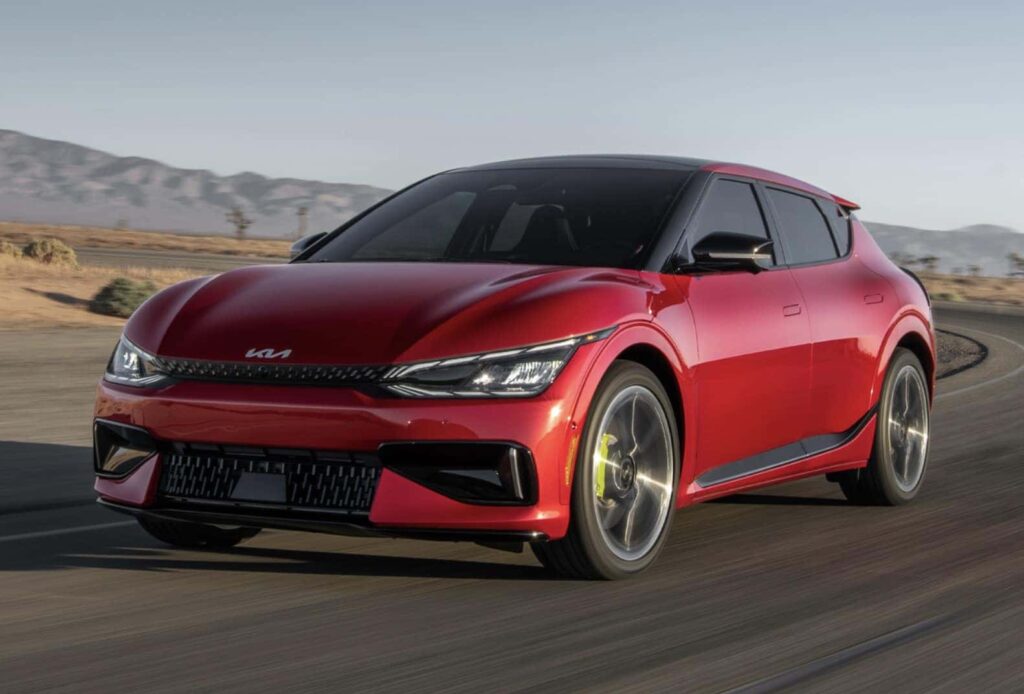
Electric cars live and die by one thing: the battery. Horsepower grabs headlines, screens impress passengers, and styling sparks debates — but the battery is the soul. And with the Kia EV6, that soul is surprisingly nuanced.
We’re not just dealing with a single battery pack here. The EV6 plays a strategic game, offering multiple battery sizes, different chemistries, and even evolving capacities across model years. Think of it less like a phone battery and more like choosing between different fuel tank sizes… except this tank also decides performance, range, charging speed, and long-term ownership cost.
Let’s unpack everything — casually, clearly, and deeply — so you know exactly what the Kia EV6 battery size means in real life.
Content in this publication
- Understanding the Kia EV6 Battery Philosophy
- Kia EV6 Battery Sizes by Model Year
- Battery Chemistry Explained
- 800-Volt Architecture: The Game Changer
- Real-World Range vs Battery Size
- RWD vs AWD: Same Battery, Different Life
- Cold Weather Performance
- Charging Behavior by Battery Size
- Battery Degradation Over Time
- Battery Weight and Handling
- Towing and Battery Consumption
- Is Bigger Always Better?
- Replacement Cost and Longevity
- How to Preserve the Battery
- Comparing the EV6 Battery Strategy
- Common Myths About EV6 Battery Size
- Which Battery Should You Choose?
- Closing Thoughts: The Battery Is the Personality
- FAQs
Understanding the Kia EV6 Battery Philosophy
Why Battery Size Matters More Than Power
In an electric car, battery capacity controls:
- Driving range
- Acceleration consistency
- Charging time behavior
- Battery lifespan
- Resale value
A bigger battery isn’t always better — sometimes it’s just heavier.
Usable vs Gross Capacity
Here’s the first trick EV manufacturers play:
| Term | Meaning |
|---|---|
| Gross capacity | Total chemical storage |
| Usable capacity | What the car actually lets you use |
Manufacturers protect a buffer at the top and bottom to prevent degradation.
The EV6 follows this rule strictly.
Kia EV6 Battery Sizes by Model Year
First Generation (2021–2024)
Standard Range Battery
- 58 kWh (gross ~60 kWh)
- Rear-wheel drive only
- Entry models
Long Range Battery
- 77.4 kWh (gross ~82 kWh)
- RWD and AWD available
- Most popular option
This was the sweet spot: fast charging + strong range + manageable weight.
Facelift Generation (2025+)
Kia quietly upgraded the battery — and it changed everything.
New Long Range Pack
- 84 kWh (gross approx 86+ kWh)
- Improved chemistry
- Higher energy density
- Better cold weather efficiency
The car looks similar outside but drives noticeably longer between charges.
Battery Chemistry Explained
Lithium-Ion Polymer Cells
The EV6 uses pouch-type lithium-ion polymer cells rather than cylindrical ones.
Why this matters:
- Higher packaging efficiency
- Better cooling distribution
- Improved safety in impacts
- More consistent fast charging
Nickel Content and Energy Density
The EV6 uses high-nickel NCM chemistry.
Benefits:
- Higher range per kg
- Less charging heat
- Lower internal resistance
Trade-off:
- Requires careful thermal management (which Kia handles well)
800-Volt Architecture: The Game Changer
Most EVs operate around 400V. The EV6 doubles that.
Why Voltage Matters More Than Battery Size
Think of electricity like water flow:
- Battery size = tank volume
- Voltage = pipe pressure
Higher voltage means faster energy transfer.
Charging Speeds
With a proper charger:
You may be interested in reading Kia EV6 Insurance Group: Real Costs, Trims, and How to Pay Less
| Battery | 10–80% Time |
|---|---|
| 58 kWh | ~18 minutes |
| 77.4 kWh | ~18 minutes |
| 84 kWh | ~18–20 minutes |
Yes — the bigger battery charges almost as fast.
Real-World Range vs Battery Size
Official Estimates vs Reality
Here’s what we typically see in mixed driving:
| Battery | Real Range |
|---|---|
| 58 kWh | 320–360 km |
| 77.4 kWh | 420–480 km |
| 84 kWh | 480–550 km |
Driving style matters more than capacity beyond a point.
RWD vs AWD: Same Battery, Different Life
Why AWD Uses More Energy
Extra motor = extra consumption.
Typical difference:
- AWD uses ~12–18% more energy
So the battery size stays the same… but usable distance shrinks.
Cold Weather Performance
Thermal Management System
The EV6 preconditions its battery before fast charging.
Benefits:
- Faster winter charging
- Less degradation
- Stable performance
The 84 kWh pack especially improved winter efficiency due to updated chemistry.
Charging Behavior by Battery Size
Home Charging (AC)
- 11 kW onboard charger
- Overnight full charge
Approximate times:
| Battery | 0–100% |
|---|---|
| 58 kWh | ~6 hours |
| 77.4 kWh | ~8 hours |
| 84 kWh | ~9 hours |
Public Fast Charging (DC)
The EV6 shines here.
Peak speeds:
- Up to 240 kW
Not many EVs maintain high speed beyond 50% — this one does.
Battery Degradation Over Time
What Owners Typically Experience
After 5 years:
- 5–8% capacity loss (typical)
- Mostly stabilizes afterward
Kia’s buffer and cooling system work quietly in the background.
Why the EV6 Ages Well
Key reasons:
- Liquid cooling plates
- Conservative top buffer
- Smart charging curves
- Preconditioning
Battery Weight and Handling
How Size Changes Driving Feel
| Battery | Weight Effect |
|---|---|
| 58 kWh | Lightest, most agile |
| 77.4 kWh | Balanced |
| 84 kWh | Smooth cruiser |
The larger battery lowers center of gravity — highway comfort improves.
Towing and Battery Consumption
Towing drains energy dramatically.
Approximate impact:
- Range drops 35–50%
Bigger battery = fewer charging stops
Not more power — just longer endurance
Kia EV6 Insurance Group: Real Costs, Trims, and How to Pay LessYou may be interested in reading
 Kia EV6 Tyre Pressure Reset: The Complete Owner’s Guide
Is Bigger Always Better?
Not necessarily.
Choose smaller battery if:
- City driving
- Home charging daily
- Lower purchase price priority
Choose larger battery if:
- Road trips
- Cold climates
- Public charging reliance
Replacement Cost and Longevity
Estimated replacement (future pricing trends):
| Battery | Estimated Cost |
|---|---|
| 58 kWh | $8,000–$11,000 |
| 77.4 kWh | $10,000–$14,000 |
| 84 kWh | $11,000–$16,000 |
But realistically — you’ll likely sell the car before replacement is needed.
How to Preserve the Battery
Daily Habits That Matter
- Keep charge between 20–80%
- Avoid frequent 0% parking
- Use scheduled charging
- Precondition before DC charging
- Don’t fast-charge daily
Habits That Don’t Matter Much
- Occasional 100% charging
- Long highway drives
- Moderate spirited acceleration
Comparing the EV6 Battery Strategy
The EV6 focuses on:
- Fast charging instead of huge capacity
- Efficiency instead of brute size
That’s why it often road-trips faster than larger battery EVs.
Common Myths About EV6 Battery Size
“Bigger battery = faster car”
No — motors determine acceleration.
“Fast charging kills the battery”
Not with active cooling and buffering.
“You must always charge to 100%”
Actually worse for longevity.
Which Battery Should You Choose?
Urban Driver
58 kWh — agile, cheaper, perfectly adequate.
Balanced Daily Use
77.4 kWh — ideal compromise.
Frequent Highway Traveller
84 kWh — maximum flexibility.
Closing Thoughts: The Battery Is the Personality
The Kia EV6 isn’t defined by horsepower or styling — it’s defined by how intelligently its battery is engineered. The real magic isn’t just the size, but the efficiency, cooling, and charging philosophy behind it.
Instead of brute-force capacity, Kia chose smart energy flow. And that’s why an EV6 with a smaller battery can sometimes arrive sooner than an EV with a bigger one.
In the EV world, intelligence beats size.
FAQs
1. What is the largest battery available in the Kia EV6?
The newest version offers an 84 kWh battery pack.
2. Does the EV6 battery degrade quickly?
No — typically under 10% loss after several years.
3. Is the small battery enough for daily use?
Yes, especially for city driving and home charging.
4. How fast can the EV6 charge?
About 10–80% in roughly 18 minutes on a fast charger.
You may be interested in readingKia EV6 Insurance Group: Real Costs, Trims, and How to Pay LessYou may be interested in reading
Kia EV6 Tyre Pressure Reset: The Complete Owner’s GuideYou may be interested in reading
 Kia EV6 Charging Speed — The Real-World Guide We Wish We Had First
5. Which battery gives the best value?
Most owners find the 77.4 kWh pack the sweet spot.
If you want to know other articles similar to Kia EV6 Battery Size: The Real Story Behind Its Electric Heart you can visit the category Service and Parts.
How to Reset Volvo XC60 Infotainment System: The Complete Practical Guide
Volvo XC60 Gearbox Oil Change: The Complete Expert Guide
Volvo XC60 Engine Management Light: Causes, Fixes, and What It Really Means
Skoda Kamiq Size Comparison: Dimensions, Space & Real-World Practicality
Volvo XC60 Headlight Adjustment for Europe: The Complete Practical Guide
Volvo XC60 City Safety Service Required: What It Means, Causes, and Fixes
Leave a Reply
More content of your interest