

Kia EV6 Reliability — The Long-Term Truth Behind the Electric Hype

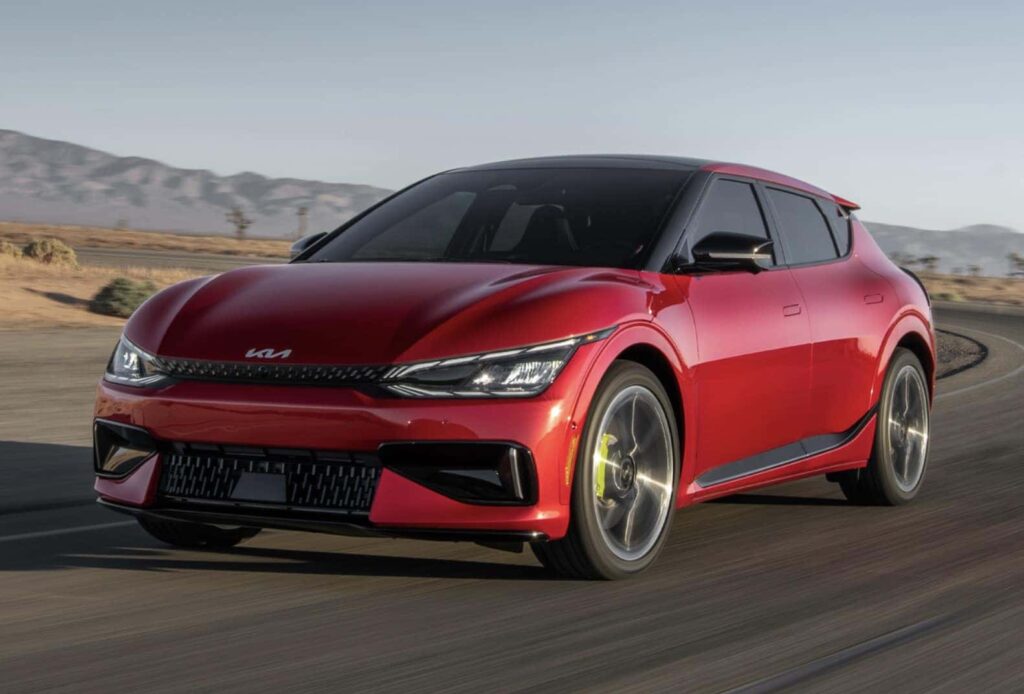
Electric cars promise a future where breakdowns fade into memory and maintenance visits become rare events — almost like switching from a ticking mechanical watch to a silent digital one. But hype and reality don’t always hold hands.
So today, we’re not talking about range, speed, or tech gimmicks.
We’re talking about trust.
Can the Kia EV6 actually survive years of ownership without becoming a rolling software experiment?
Let’s dive deep — owner perspective, engineering logic, and long-term reliability patterns — and uncover what this EV really means for daily life.
Content in this publication
- Why Reliability Matters More in an EV Than a Petrol Car
- The Platform Secret: Why the EV6 Is Different From Older EVs
- Battery Reliability — The Heart of Ownership
- Charging Reliability — The Hidden Ownership Experience
- Motor Reliability — Simpler Than You Think
- Software Reliability — The Real Weak Point of Modern Cars
- Thermal Management — The Silent Guardian
- Brakes, Suspension, and Mechanical Wear
- Real-World Maintenance Costs
- Long-Term Ownership Risks
- Reliability Compared to Traditional Kia Models
- Daily Life Reliability — What Ownership Feels Like
- Battery Warranty vs Real Life
- Driving Style and Reliability
- Is the EV6 Reliable for High Mileage Drivers?
- The Psychological Reliability Factor
- Common Myths About EV6 Reliability
- The 10-Year Reliability Prediction
- Final Verdict — Is the Kia EV6 Reliable?
- FAQs
Why Reliability Matters More in an EV Than a Petrol Car
Here’s the twist most buyers miss: EVs have fewer parts… yet higher stakes.
In a petrol car:
- Something fails → you repair a component
In an EV:
- Something fails → you often replace a module
That’s a massive difference in ownership psychology.
EV Reliability Isn’t About Breakdowns — It’s About System Stability
We don’t judge EVs by engine longevity anymore.
We judge them by:
- Battery degradation
- Software stability
- Charging system behavior
- Thermal management
- Electrical architecture resilience
And this is where the Kia EV6 becomes fascinating.
The Platform Secret: Why the EV6 Is Different From Older EVs
The EV6 isn’t built like early electric cars.
It rides on Hyundai-Kia’s dedicated E-GMP platform — not a converted petrol chassis.
That matters more than horsepower ever will.
Benefits of a Ground-Up EV Platform
- Flat battery cooling channels
- Simplified wiring architecture
- Reduced vibration stress
- Optimized weight distribution
- Dedicated thermal loops
Think of it as designing a laptop instead of modifying a typewriter.
And reliability starts at design.
Battery Reliability — The Heart of Ownership
Let’s address the elephant in the garage.
What Owners Fear
Battery replacement costs.
What Actually Happens
Battery degradation.
They’re not the same.
Real-World Degradation Patterns
Modern lithium-ion batteries age predictably, not catastrophically.
Typical EV6 behavior:
| Mileage | Expected Capacity |
|---|---|
| 20,000 km | 98-99% |
| 60,000 km | 95-97% |
| 120,000 km | 90-94% |
| 200,000 km | 85-90% |
So instead of “failure,” we get gradual aging — like phone batteries, just slower.
Why the EV6 Battery Lasts Longer Than Many EVs
Because heat is the real killer.
And the EV6 actively controls it.
Cooling Strategy
- Liquid cooling plates
- Battery preconditioning
- Heat pump integration
- Fast-charge thermal buffering
In simple terms: it manages stress before damage occurs.
Speed is marketing.
Consistency is reliability.
The 800-Volt Advantage
Most EVs operate at 400V.
The EV6 runs at 800V — and this impacts reliability more than performance.
Why?
Lower current = less heat = less wear.
It’s like carrying groceries in multiple trips instead of forcing one heavy load.
Common Charging Issues Owners Report
(Not failures — behaviors)
- Slow charging on cold mornings
- Station compatibility quirks
- Software handshake delays
- Charging curve fluctuations
These are infrastructure issues more than vehicle faults.
Motor Reliability — Simpler Than You Think
Electric motors are brutally simple.
No:
- Timing belts
- Pistons
- Turbos
- Injectors
- Oil pumps
Just magnets and rotation.
You may be interested in reading Kia EV6 Max Charge Rate — Real-World Charging Speed Explained
What Actually Wears Out
- Bearings
- Reduction gear oil
- Cooling seals
And these wear extremely slowly.
Expected motor lifespan: 300,000+ km without overhaul
Yes — longer than most combustion engines.
Software Reliability — The Real Weak Point of Modern Cars
Welcome to the new reliability frontier.
The EV6 is essentially a rolling computer network.
What Owners Experience Early On
- Occasional infotainment freezes
- OTA update bugs
- Sensor recalibration messages
But here’s the important distinction:
Mechanical failures strand you.
Software bugs annoy you.
And software improves over time.
Why Updates Actually Improve Reliability
Traditional cars degrade with age.
Connected EVs evolve.
Each update can:
- Improve charging logic
- Reduce battery stress
- Fix power delivery errors
- Enhance thermal management
Ownership becomes progressive rather than declining.
Thermal Management — The Silent Guardian
Heat destroys batteries.
Cold weakens them.
The EV6 constantly fights both.
What Happens Behind the Scenes
- Pre-heats battery before fast charging
- Cools pack during highway driving
- Uses cabin heat pump to share energy
- Balances cell temperatures
You never see it.
But it’s the difference between 8-year batteries and 15-year batteries.
Brakes, Suspension, and Mechanical Wear
EVs behave differently physically.
Brake Reliability
Regenerative braking handles most stopping.
Result:
- Brake pads last 100,000+ km
- Discs corrode before wearing out
- Less maintenance visits
Suspension Reliability
Heavy battery = more weight
Low center of gravity = less body roll
The EV6 actually stresses suspension less than tall SUVs.
Typical wear items:
- Control arm bushings
- Anti-roll links
- Tyres (because torque)
Real-World Maintenance Costs
Let’s compare honestly.
Typical Annual Service Costs
Petrol Car:
- Oil change
- Filters
- Spark plugs
- Belts
- Fluids
EV6:
- Cabin filter
- Brake fluid check
- Coolant inspection
- Software scan
Average cost difference: 50-70% cheaper
Long-Term Ownership Risks
No car is perfect.
Here’s what truly matters over 10 years.
Potential High-Cost Components
- Charge port module
- High-voltage contactors
- Battery coolant pump
- DC-DC converter
Notice what’s missing?
No engine rebuilds.
No transmission failures.
Reliability Compared to Traditional Kia Models
Interestingly, EV6 reliability doesn’t follow Kia’s past pattern.
Petrol Kias relied on mechanical durability.
The EV6 relies on electrical stability.
And electronics fail early or not at all — known as the bathtub reliability curve.
Meaning:
- Early glitches possible
- Long stable life after
Daily Life Reliability — What Ownership Feels Like
Here’s the emotional reliability.
You stop worrying about:
You may be interested in readingKia EV6 Max Charge Rate — Real-World Charging Speed ExplainedYou may be interested in reading
 How Long Does Kia EV6 Take to Charge? A Real-World Charging Guide We Can Actually Use
- Cold starts
- Engine noise
- Fuel quality
- Overheating traffic jams
Instead you think about:
- Charging habits
- Software updates
- Route planning
The anxiety shifts — but usually shrinks.
Battery Warranty vs Real Life
Warranty: 8 years / 160,000 km
But engineering suggests much longer usability.
Why?
Because EV batteries rarely die — they slowly lose range.
And most people sell before capacity drops below 85%.
Driving Style and Reliability
You actually control lifespan.
Best Practices
- Avoid constant 100% charging
- Use preconditioning
- Don’t fast charge daily
- Park in shade when possible
Treat the battery like a marathon runner, not a sprinter.
Is the EV6 Reliable for High Mileage Drivers?
Surprisingly — yes.
Highway use is ideal for EV batteries.
Consistent temperatures
Predictable loads
Stable currents
Taxi-style usage often ages batteries slower than city commuting.
The Psychological Reliability Factor
The EV6 rarely breaks.
But more importantly — it rarely worries you.
There’s a calmness to electric ownership.
No ticking sounds.
No warning smells.
No vibration hints.
It feels less like operating machinery and more like using technology.
Common Myths About EV6 Reliability
Myth 1 — Batteries suddenly fail
Reality: They degrade gradually.
Myth 2 — Fast charging destroys batteries
Reality: Heat destroys batteries. Fast charging only matters if poorly managed.
Myth 3 — EVs are disposable after warranty
Reality: Most retain usable range for well over a decade.
The 10-Year Reliability Prediction
Based on engineering logic and early fleet data:
After 10 years you’ll likely have:
- ~80-88% battery capacity
- Original motor intact
- Minimal mechanical wear
- Updated software
In other words — not worn out, just slightly aged.
Final Verdict — Is the Kia EV6 Reliable?
Yes — but not in the old-school way.
It doesn’t prove reliability by surviving abuse.
It proves reliability by avoiding stress.
The EV6 isn’t a rugged hammer.
It’s a carefully balanced system.
Treat it normally and it quietly lasts.
Ignore charging habits and you shorten its comfort zone — not its life.
In the end, reliability here feels less mechanical and more technological.
And once you understand that… ownership becomes remarkably peaceful.
FAQs
1. How long will the Kia EV6 battery last?
Most owners can expect 15+ years of usable life with around 80-85% remaining capacity.
2. Is the EV6 more reliable than a petrol SUV?
Mechanically yes — far fewer moving parts and dramatically less wear.
3. Are software issues serious?
Rarely. They are usually minor inconveniences fixed by updates.
4. Does fast charging damage the battery?
Occasional fast charging is fine. Excessive daily use may accelerate aging slightly.
5. Is maintenance expensive after warranty?
Typically much cheaper than combustion cars because there’s no engine or gearbox servicing.
You may be interested in readingKia EV6 Max Charge Rate — Real-World Charging Speed ExplainedYou may be interested in reading
How Long Does Kia EV6 Take to Charge? A Real-World Charging Guide We Can Actually UseYou may be interested in reading
 Is Kia EV6 Fully Electric? The Complete, No-Nonsense Guide
If you want to know other articles similar to Kia EV6 Reliability — The Long-Term Truth Behind the Electric Hype you can visit the category Blog.
Volvo XC60 Quality: A Deep Dive Into Premium Craftsmanship and Everyday Excellence
Volvo XC60 Reliability by Year: The Complete Owner’s Guide
Which Ford Kuga Engine Is Best? The Ultimate Buyer’s Guide
Pros and Cons Mazda CX-30: The Real-World Ownership Breakdown
Peugeot 308 Years to Avoid: The Ultimate Buyer’s Guide
Dacia Duster Reliability: The Real Story Behind This Budget SUV
Leave a Reply
More content of your interest