
Kia EV6 Service Schedule: The Complete Maintenance Roadmap We Actually Need

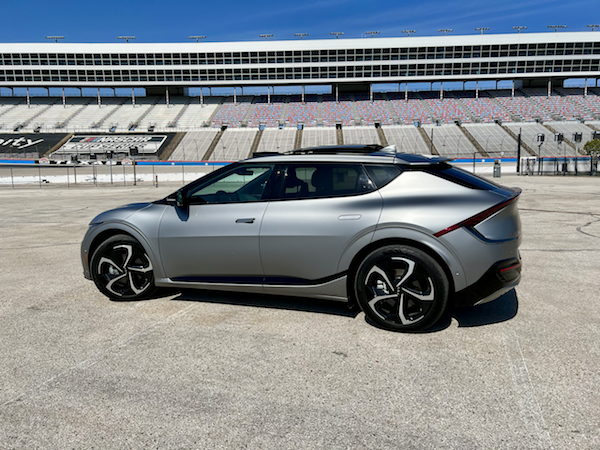
Owning an electric car feels like graduating from the messy oil-stained world into a cleaner, quieter universe. No oil changes, no spark plugs, no exhaust drama — right?
Well… yes and no.
The Kia EV6 doesn’t demand traditional engine maintenance, but it absolutely still needs care. Think of it less like “no maintenance” and more like “different maintenance.” Instead of babysitting pistons, we’re protecting batteries, software, cooling circuits, and high-voltage components — the digital organs of the car.
In this guide, we’ll walk through the real service schedule, not the vague “check periodically” advice. We’ll break it down mile by mile, year by year, and explain why each service matters — because understanding makes you far more likely to actually do it.
Let’s map the lifespan of your EV6.
Content in this publication
- Why Electric Cars Still Need Servicing
- Understanding the Kia EV6 Maintenance Philosophy
- Official Kia EV6 Service Intervals (Quick Overview)
- Every 8,000 Miles or 12 Months
- Every 16,000 Miles / 2 Years
- Brake System: The Paradox of EVs
- Every 24,000 Miles / 3 Years
- The High-Voltage Battery Cooling System
- Every 36,000 Miles / 4 Years
- Every 72,000 Miles / 6 Years
- The Forgotten Battery: 12V System
- Tires: Your Most Frequent Service
- Software Updates: The New Oil Change
- Service Timeline: Year-by-Year Ownership Plan
- Severe Driving Conditions Schedule
- Typical Kia EV6 Service Costs
- Can We Service the EV6 Ourselves?
- Resetting the Service Reminder
- Warning Lights That Mean “Service Now”
- How Proper Maintenance Preserves Range
- Ownership Reality: EV6 After 100,000 Miles
- Closing Thoughts: Servicing an EV Is About Prevention, Not Repair
- FAQs
Why Electric Cars Still Need Servicing
The Myth of Maintenance-Free EV Ownership
We’ve all heard it:
“EVs don’t need maintenance.”
What they actually mean:
EVs need fewer mechanical services — but more preventative inspections.
An internal combustion car wears out because of heat and friction.
An EV wears out because of time, chemistry, and electronics.
Different enemy. Same outcome if ignored.
What We’re Protecting Instead of an Engine
- High-voltage battery pack
- Thermal management system
- Brake system (ironically, often underused)
- Software & sensors
- 12V battery
- Cabin filtration
- Cooling fluids
Skip service → range drops → resale drops → headaches rise.
Understanding the Kia EV6 Maintenance Philosophy
Mileage vs Time: The EV Twist
Traditional cars:
Service every X miles.
EV6:
Service every X miles or X months — whichever comes first.
Why?
Because batteries age with calendar time, not just usage.
Official Kia EV6 Service Intervals (Quick Overview)
| Interval | What Happens |
|---|---|
| 8,000 miles / 12 months | Inspection & software check |
| 16,000 miles / 24 months | Cabin filter & brake check |
| 24,000 miles / 36 months | Brake fluid replacement |
| 36,000 miles / 48 months | Coolant inspection |
| 72,000 miles / 6 years | Battery coolant replacement |
Now let’s go deeper — the real story hides in the details.
Every 8,000 Miles or 12 Months
The Annual Health Check
This is your EV’s equivalent of a doctor’s physical exam.
Key inspections performed
- Suspension components
- Steering joints
- Brake condition
- Tire wear patterns
- Cooling lines
- High-voltage cables
- Charging port condition
- Software updates
Why This Matters More Than Oil Changes Ever Did
Software controls range, charging speed, and battery health.
Skipping yearly service is basically skipping firmware updates on a smartphone for 5 years — it still works, but worse every month.
Every 16,000 Miles / 2 Years
Cabin Air Filter Replacement
Your EV6 constantly pulls outside air to cool electronics and ventilate the cabin.
A clogged filter causes:
- Weak AC
- Foggy windows
- Battery thermal inefficiency
Symptoms you’ll notice
- Musty smell
- Weak airflow
- Fan louder than usual
Small part. Big comfort upgrade.
Brake System: The Paradox of EVs
Why EV Brakes Wear Out While Barely Used
Regenerative braking means you barely touch the pads.
Great, right?
Not entirely.
Because:
You may be interested in reading Mazda CX-30 Service Intervals: The Complete Ownership Maintenance Guide
Metal rusts when it isn’t used.
What Happens Without Maintenance
- Pads glaze
- Rotors corrode
- Brakes seize
Required service
Every 2 years:
- Clean calipers
- Lubricate slide pins
- Inspect pad movement
Ironically, EV brakes fail from neglect — not wear.
Every 24,000 Miles / 3 Years
Brake Fluid Replacement
Brake fluid absorbs moisture over time.
Moisture lowers boiling point → brake fade.
Even if you never brake hard, emergency stops exist.
Replace every 3 years. Always.
The High-Voltage Battery Cooling System
Your Most Important Service Nobody Talks About
The EV6 battery uses liquid cooling.
That coolant protects:
- Charging speed
- Range
- Battery lifespan
Ignore it, and you don’t notice instantly — you just slowly lose capacity forever.
Every 36,000 Miles / 4 Years
Coolant Inspection
Technicians check:
- Flow rate
- Contamination
- Pump function
- Thermal efficiency
This is the early warning stage.
Every 72,000 Miles / 6 Years
Battery Coolant Replacement (Critical Service)
This is the EV equivalent of a timing belt service.
Skip it and you risk:
- Reduced fast charging speed
- Thermal throttling
- Battery degradation acceleration
It’s the single most important long-term maintenance step.
The Forgotten Battery: 12V System
Why EVs Still Have a Regular Battery
Your EV6 still needs a 12V battery for:
- Doors
- Infotainment
- Starting electronics
- Safety systems
And it fails just like any other.
Typical lifespan
3–5 years
Warning signs
- Car won’t “start”
- Random electrical warnings
- App connectivity loss
Tires: Your Most Frequent Service
EV Torque Eats Tires
Instant torque = accelerated wear.
Expect replacement sooner than petrol cars.
Rotate every
5,000–8,000 miles
Check pressure monthly
Low pressure reduces range dramatically.
Software Updates: The New Oil Change
Performance Improvements Over Time
Updates can improve:
- Charging speed
- Range prediction
- Regenerative braking smoothness
- Driver assistance accuracy
Skipping updates = owning an outdated car.
Service Timeline: Year-by-Year Ownership Plan
Year 1
Inspection & tire rotation
Year 2
Filter + brake maintenance
Year 3
Brake fluid replacement
You may be interested in readingMazda CX-30 Service Intervals: The Complete Ownership Maintenance GuideYou may be interested in reading
 Land Rover Discovery Sport Service Cost: What Owners Really Pay
Year 4
Cooling inspection
Year 5
12V battery likely replacement
Year 6
Battery coolant replacement (major service)
Severe Driving Conditions Schedule
If You Drive Like This… Service More Often
- Frequent fast charging
- Mountain driving
- Extreme heat
- Short daily trips
Reduce intervals by 20–30%.
Batteries hate heat cycles more than mileage.
Typical Kia EV6 Service Costs
(Approximate real-world expectations)
| Service | Cost Range |
|---|---|
| Annual inspection | Low |
| Cabin filter | Low |
| Brake fluid | Medium |
| Coolant replacement | High |
| Tire replacement | Highest recurring |
EV ownership = fewer visits, but one expensive long-interval visit.
Can We Service the EV6 Ourselves?
DIY Friendly
- Cabin filter
- Tire rotation
- Washer fluid
- Visual inspections
Dealer Required
- Battery coolant
- Brake bleeding
- Software calibration
- High-voltage inspection
High voltage = no experimentation.
Resetting the Service Reminder
- Settings
- Vehicle
- Cluster
- Service interval reset
(After performing service only — don’t lie to the car, it remembers.)
Warning Lights That Mean “Service Now”
Yellow EV Warning
Battery or cooling fault
Brake Warning
Fluid or sensor issue
Battery Care Alert
Thermal management problem
Never ignore EV warnings — they escalate silently.
How Proper Maintenance Preserves Range
Poor maintenance causes:
- Higher resistance
- Worse cooling
- Reduced charging speed
Range loss isn’t always battery degradation — often it’s service neglect.
Ownership Reality: EV6 After 100,000 Miles
Maintained EV6:
- Stable range
- Fast charging intact
- Quiet operation
Neglected EV6:
- Slower charging
- Lower resale value
- Software glitches
Maintenance = resale insurance.
Closing Thoughts: Servicing an EV Is About Prevention, Not Repair
The Kia EV6 doesn’t demand constant attention — it asks for timely attention.
Instead of reacting to broken parts, we protect systems before they degrade.
It’s less like fixing a machine and more like maintaining a computer ecosystem.
Treat it right, and the EV6 ages like a smartphone that keeps getting updates.
Ignore it, and it ages like one stuck on an ancient operating system.
Maintenance isn’t frequent anymore.
But it’s strategic.
FAQs
1. Does the Kia EV6 need oil changes?
No. It has no engine oil, but it still requires inspections and fluid services.
2. What is the most important EV6 service?
Battery coolant replacement every 6 years — critical for battery health.
3. How often should EV6 brakes be serviced?
Every 2 years, even if pads look new, to prevent corrosion.
You may be interested in readingMazda CX-30 Service Intervals: The Complete Ownership Maintenance GuideYou may be interested in reading
Land Rover Discovery Sport Service Cost: What Owners Really PayYou may be interested in reading
 Land Rover Discovery Sport Service Intervals UK: Complete Maintenance Guide
4. Do EVs really cost less to maintain?
Yes long-term, but they still require scheduled maintenance.
5. How long does the EV6 battery last?
Typically 10–15 years if cooling system maintenance is followed.
If you want to know other articles similar to Kia EV6 Service Schedule: The Complete Maintenance Roadmap We Actually Need you can visit the category Maintenance.
BMW X3 Yearly Maintenance Cost: The Real Cost of Owning One
BMW X3 Service Cost: The Real Ownership Breakdown You Need to Know
Are Audi Q3 Expensive to Maintain? A Real-World Ownership Breakdown
Audi Q3 Yearly Maintenance Cost: The Real Cost of Ownership Explained

Audi Q3 Timing Belt Replacement Interval: The Ultimate Owner’s Guide
Nissan Leaf Service Schedule: The Complete Maintenance Guide for Long-Term Reliability
Leave a Reply
More content of your interest