
Kia EV6 Tyre Pressure: The Complete Real-World Guide for Owners

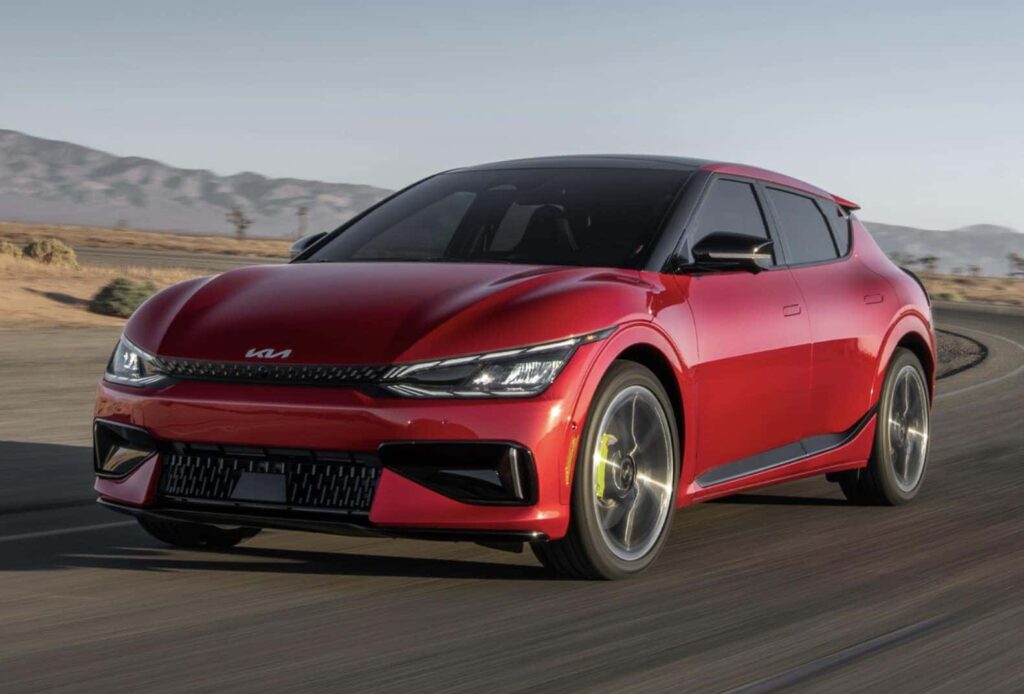
There’s a funny thing about electric cars: they make you notice details you never cared about before. Range. Efficiency. Regen braking feel. And yes… tyre pressure.
With the Kia EV6, tyre pressure isn’t just a maintenance checkbox — it’s the difference between a smooth futuristic glide and a noisy, inefficient battery-drainer. Think of tyres as your EV’s shoes: wear the wrong size or lace them poorly, and suddenly the athlete runs slower.
So today, we’re not just listing numbers. We’re understanding why pressure matters, how it affects range, ride comfort, tyre life, and even charging frequency — and how to dial it in like a pro.
Content in this publication
- Why Tyre Pressure Matters More in an EV
- Official Kia EV6 Tyre Pressure (Factory Recommendations)
- Cold vs Hot Pressure: The Hidden Secret Most Drivers Ignore
- How Tyre Pressure Affects EV Range
- Kia EV6 Tyre Pressure for Highway Driving
- Heavy Load & Passengers Pressure Settings
- Winter Tyre Pressure Adjustments
- Summer Heat Considerations
- Understanding the EV6 TPMS (Tyre Pressure Monitoring System)
- Tyre Pressure for Performance Driving (EV6 GT Owners)
- How to Check Tyre Pressure Correctly
- Best Pressure for Comfort vs Efficiency
- Uneven Tyre Wear: Pressure Diagnosis Chart
- Tyre Pressure and Regenerative Braking Feel
- Recommended Monthly Check Routine
- Common Mistakes EV Owners Make
- Pro Tip: The Range Maximizer Method
- Closing Thoughts
- FAQs
Why Tyre Pressure Matters More in an EV
Traditional cars forgive bad tyre pressure. EVs do not.
Electric vehicles carry:
- Heavy battery packs
- Instant torque
- Higher curb weight
- Ultra-low rolling resistance tyres
That means tyre pressure directly affects efficiency.
What Happens If Pressure Is Too Low?
- Increased rolling resistance
- Range drops 5–12%
- Faster shoulder tyre wear
- Steering feels heavy
- Motor works harder → higher energy consumption
What Happens If Pressure Is Too High?
- Harsh ride
- Reduced grip
- Center tread wear
- Longer braking distance
We want the Goldilocks zone — not too soft, not too hard.
Official Kia EV6 Tyre Pressure (Factory Recommendations)
Let’s start with the baseline numbers.
Standard Driving (Normal Load)
| Wheel Size | Front | Rear |
|---|---|---|
| 19-inch | 36 PSI (250 kPa) | 36 PSI (250 kPa) |
| 20-inch | 36 PSI (250 kPa) | 36 PSI (250 kPa) |
| GT-Line | 36 PSI | 36 PSI |
| EV6 GT | 38 PSI | 38 PSI |
Always check the driver-door sticker — that label beats the manual every time.
Tyre pressure must always be checked cold.
Cold = car parked for at least 3 hours or driven under 2 km.
Why?
Because air expands.
After driving:
- Pressure increases 3–6 PSI
- Adjusting it hot will underinflate later
Golden Rule
Set pressure when tyres feel like morning coffee mugs — not boiling kettles.
How Tyre Pressure Affects EV Range
Here’s where EV ownership becomes a science experiment.
Real-World Range Impact
| Pressure Condition | Range Effect |
|---|---|
| Perfect pressure | Baseline efficiency |
| -4 PSI low | −4% range |
| -8 PSI low | −10% range |
| +4 PSI high | Slight efficiency gain but comfort loss |
So yes — tyre pressure can cost you an entire charging stop on a road trip.
You may be interested in reading Kia EV6 Boot Size: Real-World Space, Practicality & Everyday Usability
Kia EV6 Tyre Pressure for Highway Driving
We all secretly do it: inflate slightly higher before a long trip.
And honestly? That’s fine — within reason.
Recommended Highway Adjustment
Add +2 PSI for long motorway travel.
Benefits:
- Lower rolling resistance
- Better stability
- Less heat buildup
But don’t exceed:
+4 PSI above recommended cold pressure
Heavy Load & Passengers Pressure Settings
EV batteries already weigh a lot. Add five passengers and luggage — now tyres carry serious load.
Loaded Driving Pressure
| Condition | PSI |
|---|---|
| 5 passengers + cargo | 38–40 PSI |
| Full luggage trip | 40 PSI |
| Towing | 40–42 PSI |
Winter Tyre Pressure Adjustments
Cold air shrinks pressure — literally.
Temperature drop of 10°C = −1 PSI
So during winter:
- Your tyres may lose 4 PSI overnight
- TPMS warning suddenly appears
Winter Tip
Increase by +2 PSI in cold climates to compensate for temperature swings.
Summer Heat Considerations
In hot weather, pressure rises quickly.
Never deflate hot tyres unless dangerously overinflated — they will drop once cooled.
Instead:
- Set pressure early morning
- Avoid adjusting after long drives
Understanding the EV6 TPMS (Tyre Pressure Monitoring System)
Your EV6 constantly monitors each wheel.
What Triggers the Warning Light
- Pressure below ~28 PSI
- Rapid air loss
- Sensor mismatch after tyre rotation
TPMS Reset Procedure
- Inflate tyres to correct PSI
- Drive above 25 km/h
- System auto-calibrates within minutes
No buttons needed — the car learns by itself.
Tyre Pressure for Performance Driving (EV6 GT Owners)
The EV6 GT is not a normal EV — it’s a rocket disguised as a crossover.
You may be interested in readingKia EV6 Boot Size: Real-World Space, Practicality & Everyday UsabilityYou may be interested in reading
 Kia EV6 Battery Size: The Real Story Behind Its Electric Heart
More torque = more heat.
Sport Driving Setup
| Use | PSI |
|---|---|
| Daily | 38 PSI |
| Spirited driving | 39–40 PSI |
| Track day (cold start) | 36 PSI → rises to 40 hot |
How to Check Tyre Pressure Correctly
Let’s keep it simple.
What You Need
- Digital pressure gauge
- Portable compressor (best EV accessory you’ll ever buy)
Step-by-Step
- Check tyres cold
- Remove valve cap
- Measure pressure
- Adjust slowly
- Recheck after 30 seconds
Best Pressure for Comfort vs Efficiency
You can actually tune your EV6 personality.
Comfort Setup
- 34–35 PSI
- Softer ride
- Slight range loss
Balanced Setup
- 36 PSI
- Factory feel
Efficiency Setup
- 38 PSI
- Longer range
- Firmer ride
Uneven Tyre Wear: Pressure Diagnosis Chart
| Wear Pattern | Cause | Fix |
|---|---|---|
| Edges worn | Low pressure | Inflate +2 PSI |
| Center worn | Overinflated | Reduce 2 PSI |
| One side worn | Alignment issue | Wheel alignment |
| Feathered tread | Underinflation + torque | Increase PSI |
Tyre Pressure and Regenerative Braking Feel
Lower pressure:
- More rolling drag
- Stronger regen sensation
Higher pressure:
- Coasts more freely
- Feels smoother
So yes — tyre pressure changes driving feel.
Recommended Monthly Check Routine
We treat this like charging your phone.
Once a Month
- Check pressure
- Inspect tread
- Remove stones
- Verify TPMS readings
Takes 3 minutes. Saves hundreds in tyres.
Common Mistakes EV Owners Make
- Inflating after driving
- Ignoring seasonal changes
- Matching front and rear incorrectly after rotation
- Trusting gas station gauges blindly
- Running comfort-low pressure permanently
Pro Tip: The Range Maximizer Method
Before a road trip:
- Inflate to 38 PSI cold
- Charge to 100%
- Precondition cabin while plugged in
You’ll gain noticeable highway distance.
Closing Thoughts
The Kia EV6 is incredibly efficient — but only if the tyres cooperate.
Tyre pressure is the simplest, cheapest performance upgrade you can make. It affects range, comfort, grip, tyre life, and even the personality of the car. Ignore it, and the EV feels heavy. Get it right, and suddenly the car glides like it’s riding magnetic rails.
So next time you plug in to charge, check the tyres too. Electricity feeds the battery — but air feeds the drive.
FAQs
1. What tyre pressure should I use daily?
36 PSI cold is ideal for everyday driving.
2. Does higher tyre pressure increase EV range?
Yes — slightly. About 2–5% improvement up to safe limits.
3. Why does my EV6 warning light appear in winter?
Cold air reduces pressure naturally. Inflate +2 PSI.
4. Can I run 40 PSI all the time?
Safe but reduces comfort and grip in wet conditions.
You may be interested in readingKia EV6 Boot Size: Real-World Space, Practicality & Everyday UsabilityYou may be interested in reading
Kia EV6 Battery Size: The Real Story Behind Its Electric HeartYou may be interested in reading
 Kia EV6 Insurance Group: Real Costs, Trims, and How to Pay Less
5. Should front and rear pressures be different?
No — EV6 uses equal pressure unless heavily loaded.
If you want to know other articles similar to Kia EV6 Tyre Pressure: The Complete Real-World Guide for Owners you can visit the category Service and Parts.
How to Reset Volvo XC60 Infotainment System: The Complete Practical Guide
Volvo XC60 Gearbox Oil Change: The Complete Expert Guide
Volvo XC60 Engine Management Light: Causes, Fixes, and What It Really Means
Skoda Kamiq Size Comparison: Dimensions, Space & Real-World Practicality
Volvo XC60 Headlight Adjustment for Europe: The Complete Practical Guide
Volvo XC60 City Safety Service Required: What It Means, Causes, and Fixes
Leave a Reply
More content of your interest