

Kia Niro Fuel Consumption: Real-World Efficiency Explained

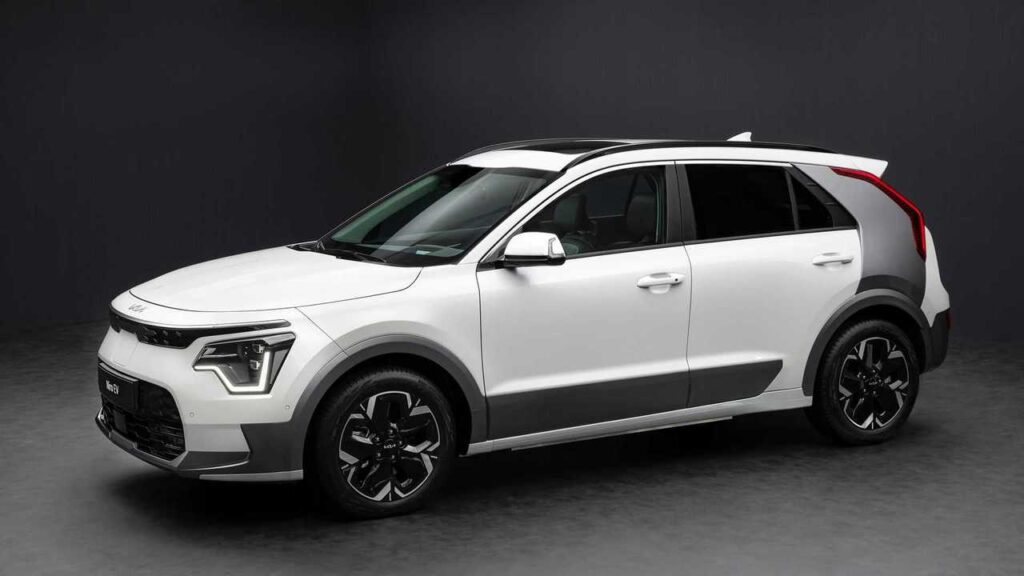
Fuel economy isn’t just a number on a brochure—it’s the rhythm of your daily drive, the quiet promise that each mile costs less than the last. The Kia Niro has built its reputation on this very idea. Whether you’re cruising city streets, gliding down motorways, or threading through traffic, the Niro is designed to sip rather than gulp. But what does Kia Niro fuel consumption really look like in the real world?
Let’s unpack it together—hybrid by hybrid, mile by mile—so you can decide if the Niro’s efficiency fits your lifestyle like a well-worn glove.
Content in this publication
- Why Fuel Consumption Matters More Than Ever
- Meet the Kia Niro Lineup
- Official Kia Niro Fuel Consumption Figures
- Real-World Kia Niro Fuel Consumption
- Hybrid vs Plug-in vs Electric: Which Is Most Efficient?
- What Affects Kia Niro Fuel Consumption?
- Everyday Tips to Maximize Efficiency
- How the Niro’s Tech Saves Fuel
- Is the Kia Niro Cheaper to Run Than Rivals?
- Fuel Consumption Across Generations
- Who Benefits Most From the Niro’s Efficiency?
- The Emotional Side of Efficiency
- Final Thoughts
- FAQs
Why Fuel Consumption Matters More Than Ever
Fuel prices rise and fall, but the desire to drive farther on less never fades. Efficiency today isn’t only about saving money—it’s about:
- Reducing environmental impact
- Spending less time at the pump
- Making urban driving more sustainable
- Stretching every gallon or liter further
The Kia Niro arrives right on cue, offering hybrid, plug-in hybrid, and fully electric options—all tuned around one central promise: smarter energy use.
Meet the Kia Niro Lineup
Before diving into numbers, let’s clarify the family:
Hybrid (HEV)
- Self-charging hybrid
- No plug required
- Uses petrol + electric motor
Plug-in Hybrid (PHEV)
- Can be charged externally
- Drives short distances on electricity alone
- Combines petrol + larger battery
Electric (EV)
- Fully electric
- No fuel at all
- Zero tailpipe emissions
Each version tells a different efficiency story.
Official Kia Niro Fuel Consumption Figures
While real-world results vary, manufacturer data sets the baseline:
| Model | Combined Economy* |
|---|---|
| Niro Hybrid | ~53–58 mpg (4.0–4.4 L/100 km) |
| Niro Plug-in Hybrid | ~200+ mpg equivalent |
| Niro EV | ~4.1 miles/kWh |
*Figures vary by generation and market.
These numbers paint the Niro as one of the most efficient crossovers in its class.
Real-World Kia Niro Fuel Consumption
Brochure numbers are one thing. Daily life is another.
City Driving
The Niro thrives in stop-and-go traffic:
- Electric motor handles low-speed movement
- Regenerative braking recaptures energy
- Engine often rests at lights
In urban conditions, many drivers report 60–70 mpg in the hybrid. It feels like gliding on borrowed energy.
Highway Cruising
On motorways:
- Petrol engine takes the lead
- Hybrid system smooths acceleration
- Efficiency stabilizes
Expect 45–55 mpg depending on speed and load.
Mixed Use
For commuters combining city and highway:
- Average sits around 55 mpg
- Plug-in drivers often use almost no fuel on short trips
In practice, the Niro rewards gentle driving like a loyal companion.
You may be interested in reading Kia Niro Hybrid MPG: Real-World Efficiency That Actually Makes Sense
Hybrid vs Plug-in vs Electric: Which Is Most Efficient?
Hybrid (HEV)
Perfect for drivers who:
- Don’t want to plug in
- Drive mixed routes
- Want effortless efficiency
It’s the “set it and forget it” option.
Plug-in Hybrid (PHEV)
Ideal if:
- You commute under 30 miles
- You can charge at home
- You want near-EV running
Many owners go weeks without buying fuel.
Electric (EV)
Best for:
- Urban and suburban drivers
- Home charging setups
- Zero fuel dependency
Here, fuel consumption becomes energy management.
What Affects Kia Niro Fuel Consumption?
Even the most efficient car responds to how it’s treated.
Driving Style
- Smooth acceleration = better MPG
- Anticipating traffic = less braking
- Gentle cruising = electric mode more often
Load & Weight
- Roof boxes reduce aerodynamics
- Heavy cargo strains efficiency
Tyres & Pressure
Underinflated tyres can reduce economy by up to 5%.
Weather
Cold conditions:
- Reduce battery efficiency
- Increase engine use
Efficiency is a dance between driver and machine.
Everyday Tips to Maximize Efficiency
Treat your Niro like a well-trained horse—it’ll carry you far if you guide it right.
- Use Eco mode
- Accelerate gradually
- Coast instead of brake
- Keep tyres properly inflated
- Remove unnecessary weight
- Pre-condition cabin while charging (PHEV/EV)
These small habits stack up fast.
How the Niro’s Tech Saves Fuel
Kia didn’t leave efficiency to chance.
Smart Regeneration
Energy normally lost while braking is captured and reused.
Seamless Hybrid Transitions
The switch between petrol and electric feels invisible.
Aerodynamic Design
Every curve whispers “less drag, more range.”
You may be interested in readingKia Niro Hybrid MPG: Real-World Efficiency That Actually Makes SenseYou may be interested in reading
 Kia Niro Fuel Tank Capacity: How Far Can We Really Go?
Predictive Energy Management
Navigation data helps optimize battery use on hills and in traffic.
It’s like having a quiet strategist under the hood.
Is the Kia Niro Cheaper to Run Than Rivals?
Compared to similar crossovers:
- Toyota Corolla Cross
- Hyundai Kona
- Nissan Qashqai
The Niro often:
- Uses less fuel
- Requires fewer refuels
- Lowers monthly running costs
Over a year, that difference can pay for a holiday—or at least a few tanks of peace of mind.
Fuel Consumption Across Generations
First Generation (2016–2021)
- Strong hybrid efficiency
- Slightly heavier feel
- ~50–55 mpg average
Second Generation (2022–Present)
- Improved aerodynamics
- Lighter platform
- More refined hybrid system
- ~55–60 mpg real-world
Each generation sharpens the blade.
Who Benefits Most From the Niro’s Efficiency?
The Niro shines for:
- Daily commuters
- City dwellers
- Eco-conscious families
- Rideshare drivers
- Long-distance travelers
It’s a crossover that behaves like a compact in thirst.
The Emotional Side of Efficiency
There’s a quiet joy in passing fuel stations without stopping. It feels like beating the system—like time stretches a little longer between refuels. The Niro doesn’t shout about its thrift. It simply proves it, mile after mile.
Efficiency here isn’t just economical—it’s liberating.
Final Thoughts
Kia Niro fuel consumption isn’t a marketing trick. It’s the car’s identity. Whether you choose hybrid, plug-in, or electric, the Niro teaches you to drive smarter without trying harder.
It turns every journey into a gentle rebellion against waste. Less fuel. Less stress. More road.
That’s not just efficiency—that’s freedom.
FAQs
1. What is the real MPG of the Kia Niro hybrid?
Most drivers see between 50 and 65 mpg depending on driving style and conditions.
2. Can the plug-in Niro run without using fuel?
Yes. Short daily trips can be completed entirely on electricity.
3. Does cold weather reduce fuel economy?
Slightly. Batteries are less efficient in cold conditions, so the engine runs more often.
Kia Niro Hybrid MPG: Real-World Efficiency That Actually Makes SenseYou may be interested in reading
Kia Niro Fuel Tank Capacity: How Far Can We Really Go?You may be interested in reading
 Volkswagen ID.3 Range Miles: How Far Can It Really Go?
4. Is the Niro more efficient than petrol SUVs?
Absolutely. It often uses 30–40% less fuel than comparable petrol crossovers.
5. Does driving fast hurt efficiency?
Yes. Higher speeds increase drag and engine load, lowering MPG.
If you want to know other articles similar to Kia Niro Fuel Consumption: Real-World Efficiency Explained you can visit the category Driving.
Volvo XC60 Wading Depth: How Deep Can It Really Go?

Volkswagen Tiguan Driving Modes: The Complete Guide to Smarter, Smoother, and More Dynamic Driving
Volvo XC60 Fuel Consumption: Real MPG, Efficiency & Tips
Volvo XC60 MPG: Real-World Fuel Economy, Costs & What to Expect

Audi Q5 MPG: Real-World Fuel Economy, Tips, and Performance Insights
Can BMW X3 Go Off Road? The Real Truth About Its Capabilities
Leave a Reply
More content of your interest