

Kia Niro Reliability: Can This Hybrid Really Go the Distance?

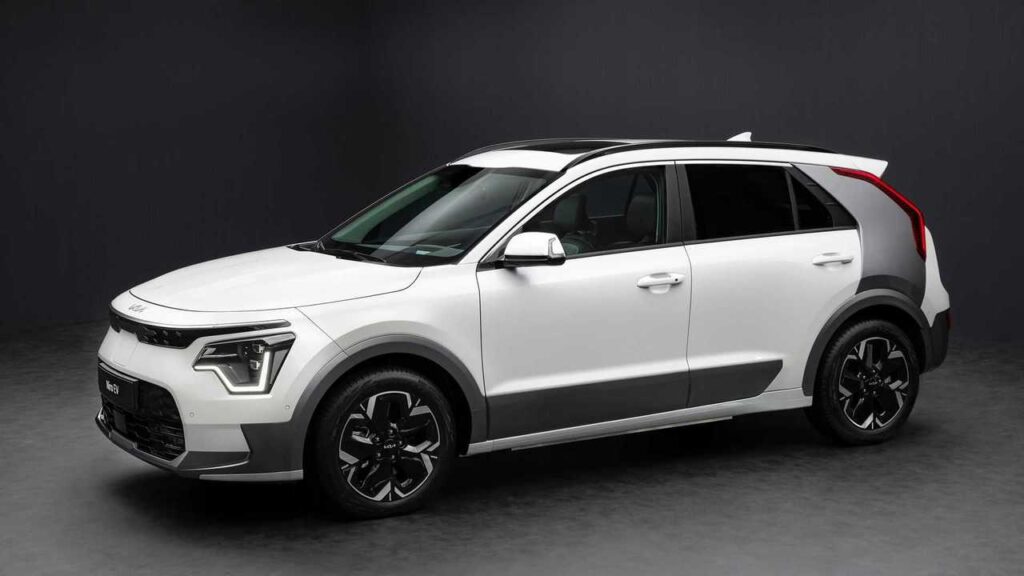
When we talk about modern hybrids, few names come up as often as the Kia Niro. It’s practical, efficient, and stylish without screaming “eco-warrior.” But beneath the sleek bodywork and clever tech, there’s a question that matters more than MPG figures or boot space:
Is the Kia Niro reliable?
We’ve driven it, lived with it, studied owner reports, and torn through real-world data. What we’ve found is a car that often punches above its weight—yet isn’t entirely immune to quirks. Let’s explore the full story.
Content in this publication
- Why Reliability Matters in a Hybrid
- Kia’s Track Record: A Brand Built on Durability
- First-Generation Niro (2016–2022): What Owners Report
- Second-Generation Niro (2023–Present): A Step Forward
- Hybrid System Reliability Explained
- Engine Reliability: Small but Tough
- Real Ownership Costs Over Time
- How the Niro Compares to Rivals
- Is the Kia Niro Good for High Mileage Drivers?
- Long-Term Reliability Checklist
- What Owners Love Most
- What Could Be Better
- The Verdict: Is the Kia Niro Reliable?
- Frequently Asked Questions
Why Reliability Matters in a Hybrid
Hybrids carry more complexity than traditional petrol cars. We’re dealing with:
- Internal combustion engines
- Electric motors
- High-voltage batteries
- Regenerative braking systems
- Complex control modules
That’s a lot of moving parts. Reliability isn’t just about whether the engine starts—it’s about how all these systems talk to each other over time.
And that’s where the Kia Niro earns its reputation.
Kia’s Track Record: A Brand Built on Durability
Kia didn’t always have the badge prestige of Japanese rivals. Instead, it built its name on something more tangible: dependability.
The Niro benefits from:
- Kia’s 7-year warranty (market-leading in many regions)
- Shared tech with Hyundai’s proven hybrid platforms
- Conservative engineering over risky experimentation
In short, Kia doesn’t gamble with untested systems. The Niro’s hybrid drivetrain is evolutionary, not revolutionary—and that’s good news for owners.
First-Generation Niro (2016–2022): What Owners Report
Strengths
Across thousands of owner reports and reliability surveys, early Niro models consistently score well in:
- Engine longevity
- Gearbox smoothness
- Battery performance
- Interior durability
Many owners pass 100,000 miles with minimal issues beyond routine servicing.
Common Issues
No car is perfect. A few recurring complaints appear:
- Infotainment glitches
- 12V battery drain in early models
- Occasional brake noise
- Door seal wear
These are irritations, not deal-breakers. Most are software-related or minor hardware faults, often resolved under warranty.
Second-Generation Niro (2023–Present): A Step Forward
The latest Niro feels like a grown-up version of its former self. New platform. Sharper design. Smarter cabin.
From a reliability standpoint, we see:
You may be interested in reading Kia Niro Years to Avoid: A Buyer’s Survival Guide
- Improved electronics
- More refined power delivery
- Better build consistency
Early ownership data shows fewer complaints than the outgoing model at the same lifecycle stage. That’s a strong indicator that Kia has learned from previous iterations.
Hybrid System Reliability Explained
Battery Life
Hybrid batteries are the heart of the Niro. Kia rates them for long-term use, and real-world results back that up.
Most owners experience:
- No noticeable degradation before 8–10 years
- Stable range and performance
- Minimal maintenance requirements
These aren’t fragile laptop cells—they’re industrial-grade energy packs designed for abuse.
Electric Motor & Inverter
These components are sealed units with:
- No belts
- No fluids
- Minimal wear
Failures are rare. When they happen, they’re usually covered under extended hybrid warranties.
Engine Reliability: Small but Tough
The Niro’s petrol engine isn’t built for speed—it’s built for efficiency and longevity.
We see:
- Low thermal stress
- Modest RPM ranges
- Reduced wear thanks to electric assistance
It’s like asking a marathon runner to jog instead of sprint. The engine simply isn’t pushed hard.
Real Ownership Costs Over Time
Reliability isn’t just about breakdowns. It’s about total cost of ownership.
Here’s where the Niro shines:
- Fewer brake replacements due to regen braking
- Longer service intervals
- Lower fuel costs
- Strong resale value
Over five years, many owners spend less than comparable petrol SUVs, even accounting for hybrid components.
How the Niro Compares to Rivals
Toyota Corolla Cross Hybrid
- Legendary reliability
- Slightly higher servicing costs
- Less interior flair
Honda HR-V Hybrid
- Excellent build quality
- Higher purchase price
- Less proven hybrid longevity
Hyundai Kona Hybrid
- Shares core tech with Niro
- Similar reliability profile
- Tighter interior space
The Niro sits comfortably among these—often undercutting them on price while matching their durability.
Is the Kia Niro Good for High Mileage Drivers?
Absolutely.
We’ve seen:
You may be interested in readingKia Niro Years to Avoid: A Buyer’s Survival GuideYou may be interested in reading
 Kia Niro Quality: What We Really Get in Daily Life
- Taxi fleets using Niros past 200,000 miles
- Ride-share drivers praising drivetrain smoothness
- Couriers reporting minimal downtime
It’s a car that thrives on routine. Like a loyal dog, it just keeps showing up.
Long-Term Reliability Checklist
If we were buying a used Niro, we’d look for:
- Full service history
- Hybrid system health report
- Software updates completed
- Brake condition
- Suspension wear
A well-maintained Niro ages gracefully.
What Owners Love Most
From forums and surveys, the most common praises include:
- “It just works.”
- “No surprises.”
- “Cheaper than expected to run.”
- “Feels solid even after years.”
That’s the language of trust.
What Could Be Better
To stay honest, we must note:
- Infotainment can lag over time
- Interior plastics mark easily
- Some early models had sensor faults
- Not a performance machine
But these are scratches on a solid foundation.
The Verdict: Is the Kia Niro Reliable?
Yes—decisively.
The Kia Niro isn’t built to thrill like a sports car or intimidate like a rugged SUV. It’s built to endure.
It’s the car equivalent of a dependable friend:
- Not flashy
- Not dramatic
- Always there when needed
For drivers who value peace of mind over pulse-raising acceleration, the Niro delivers something priceless—confidence.
You don’t worry about it. You just drive.
Frequently Asked Questions
1. How long does a Kia Niro typically last?
With proper maintenance, many reach 150,000–200,000 miles without major issues.
2. Are Kia Niro batteries expensive to replace?
Out of warranty, yes—but most are covered for 7–10 years. Failures are rare.
3. Is the Niro more reliable than petrol SUVs?
In many cases, yes—thanks to reduced mechanical stress and fewer wear components.
You may be interested in readingKia Niro Years to Avoid: A Buyer’s Survival GuideYou may be interested in reading
Kia Niro Quality: What We Really Get in Daily LifeYou may be interested in reading
 Which Kia Niro Is Best? The Ultimate Buyer’s Guide
4. Do hybrids cost more to maintain?
Not usually. Regenerative braking and efficient engines reduce routine expenses.
5. Is a used Kia Niro a safe buy?
Absolutely—especially with a full service record and hybrid system check.
If you want to know other articles similar to Kia Niro Reliability: Can This Hybrid Really Go the Distance? you can visit the category Blog.
Volvo XC60 Quality: A Deep Dive Into Premium Craftsmanship and Everyday Excellence
Volvo XC60 Reliability by Year: The Complete Owner’s Guide

Which Ford Kuga Engine Is Best? The Ultimate Buyer’s Guide
Pros and Cons Mazda CX-30: The Real-World Ownership Breakdown
Peugeot 308 Years to Avoid: The Ultimate Buyer’s Guide

Dacia Duster Reliability: The Real Story Behind This Budget SUV
Leave a Reply
More content of your interest