

Kia Niro Service Cost: What Ownership Really Feels Like

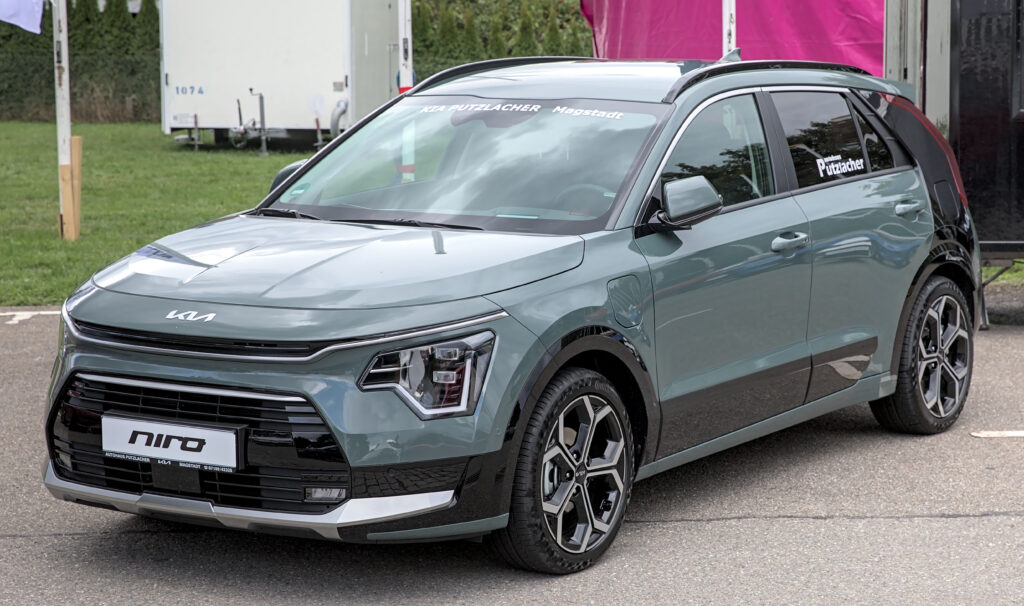
Owning a Kia Niro is a bit like having a clever friend who always knows how to stretch a dollar. It’s efficient, calm under pressure, and quietly economical. But even the smartest companion needs care—and that’s where service costs step in.
We often hear that hybrids are “cheap to run,” but what does that actually mean in the real world? How much do routine services cost? Are hybrid components expensive? Does the Niro age gracefully, or does maintenance creep up on you like a sneaky parking fine?
Let’s unpack the true Kia Niro service cost, from oil changes to hybrid health checks, and from dealer pricing to smart DIY strategies. We’ll walk through the numbers, the patterns, and the ownership rhythm so you can decide if the Niro fits your financial lane.
Content in this publication
- Understanding the Kia Niro Service Schedule
- Average Kia Niro Service Cost by Type
- What’s Included in a Minor Service?
- What Makes a Major Service More Expensive?
- Hybrid-Specific Costs: Myth vs Reality
- Battery Health and Long-Term Costs
- Dealer Servicing vs Independent Garages
- Service Cost by Powertrain
- Hidden Costs New Owners Miss
- How Driving Style Changes Service Costs
- Five-Year Ownership Cost Snapshot
- Is the Kia Niro Expensive to Maintain?
- Smart Ways to Reduce Kia Niro Service Cost
- Real-World Owner Perspective
- Long-Term Maintenance: What Happens After 100,000 Miles?
- Kia Service Plans: Are They Worth It?
- Regional Differences in Service Cost
- DIY vs Professional Servicing
- Comparing the Niro to Its Rivals
- Resale Value and Service History
- The Emotional Cost of Maintenance
- Is the Kia Niro a Smart Long-Term Buy?
- Closing Thoughts: What We Really Pay For
- FAQs
Understanding the Kia Niro Service Schedule
Every car follows a maintenance rhythm. The Kia Niro’s is refreshingly simple.
Most Niro models—Hybrid (HEV), Plug-in Hybrid (PHEV), and Electric (EV)—follow a 12-month or 10,000-mile service interval. That cadence keeps the engine, brakes, and hybrid systems in harmony.
Typical Service Milestones
- 10,000 miles – Minor service
- 20,000 miles – Major service
- 30,000 miles – Minor service
- 40,000 miles – Major service
- 60,000 miles – Extended inspection & fluid refresh
- 100,000 miles – Long-term wear items (suspension, belts, bushings)
The hybrid drivetrain doesn’t add chaos—it actually reduces wear in some areas, especially brakes and engine stress.
Average Kia Niro Service Cost by Type
Service pricing varies by region, but global patterns are consistent.
Typical Annual Service Costs
| Service Type | Estimated Cost |
|---|---|
| Minor service | $120–$180 |
| Major service | $220–$350 |
| Brake service | $180–$350 |
| Hybrid inspection | $60–$120 |
| Full annual average | $180–$260 |
Over five years, most Niro owners spend 30–40% less on maintenance than comparable petrol SUVs.
What’s Included in a Minor Service?
A minor service is the Niro’s equivalent of a routine health check.
It usually includes:
- Engine oil & filter change
- Cabin air filter replacement
- Tire pressure & tread inspection
- Brake check
- Fluid top-ups
- Hybrid system scan
- Software update (if needed)
This visit keeps everything humming without emptying your wallet.
What Makes a Major Service More Expensive?
A major service is where the Niro gets a deeper tune-up.
It may include:
- All minor service items
- Engine air filter
- Brake fluid change
- Coolant inspection
- Full hybrid system diagnostics
- Steering & suspension checks
It’s like sending your car to a spa—more time, more care, more cost.
Hybrid-Specific Costs: Myth vs Reality
Many drivers assume hybrid service equals premium pricing. In reality, the Niro’s hybrid system is one of its cost-saving superpowers.
Why Hybrid Maintenance Is Cheaper Than Expected
- The engine runs less often
- Regenerative braking reduces pad wear
- Transmission has fewer moving parts
- Battery is sealed and maintenance-free
Hybrid inspections are mostly digital—plug in, scan, confirm health.
Battery Health and Long-Term Costs
The hybrid battery is the Niro’s heart. But unlike older hybrid systems, Kia’s units are built to last.
Most Niro batteries are designed for 8–10 years of use and often exceed 150,000 miles without degradation.
Replacement costs:
- Hybrid battery: $1,800–$2,500 (rare before 10 years)
- PHEV battery: $3,000–$4,500
- EV battery: $6,000–$9,000 (very rare)
The good news? Battery failure rates are extremely low. Many owners never face this cost at all.
Dealer Servicing vs Independent Garages
Where you service your Niro can change the financial story.
Dealer Servicing
Pros:
- Kia-trained technicians
- Genuine parts
- Warranty protection
- Software updates
Cons:
- 20–40% higher labor costs
Independent Garage
Pros:
- Lower hourly rates
- Flexible pricing
- Often faster turnaround
Cons:
- Not all understand hybrid systems
- May lack Kia diagnostic tools
For the first 3–5 years, many owners stick with dealers. After that, a trusted hybrid-capable garage becomes a smart ally.
You may be interested in reading Kia Niro Tyre Size: The Complete Guide for Every Generation
Service Cost by Powertrain
The Niro lineup creates three ownership paths.
Hybrid (HEV)
- Cheapest to maintain
- Annual cost: $170–$240
- Minimal hybrid complexity
Plug-in Hybrid (PHEV)
- Slightly higher service
- Annual cost: $200–$280
- Additional battery & charging system checks
Electric (EV)
- Lowest mechanical maintenance
- Annual cost: $90–$150
- No oil, no belts, no exhaust
The EV Niro feels like caring for a laptop on wheels—software, tires, and brakes do most of the talking.
Service costs aren’t just oil and filters.
Common overlooked expenses:
- Wheel alignment after potholes
- Cabin filters in dusty climates
- Brake fluid every 2–3 years
- Tire rotations
- Wiper replacements
These aren’t expensive individually, but they shape the annual budget.
How Driving Style Changes Service Costs
Your habits write part of your maintenance bill.
Aggressive driving means:
- Faster brake wear
- Higher tire consumption
- More frequent suspension stress
Smooth, hybrid-friendly driving:
- Extends brake life
- Preserves battery health
- Reduces engine load
The Niro rewards calm drivers the way a library rewards whispers.
Five-Year Ownership Cost Snapshot
Let’s paint a realistic picture.
Over 5 years:
- Routine servicing: $900–$1,200
- Brakes & tires: $700–$1,100
- Fluids & filters: $250–$400
Total: $1,850–$2,700
That’s remarkably low for a compact SUV.
Is the Kia Niro Expensive to Maintain?
In one word: no.
Compared to rivals like the Toyota RAV4 Hybrid, Ford Escape Hybrid, or Hyundai Tucson, the Niro sits comfortably on the low-cost side of ownership.
It’s not the cheapest car in the world—but it behaves like a financial minimalist.
Smart Ways to Reduce Kia Niro Service Cost
We can shave dollars without harming reliability.
- Bundle services into prepaid plans
- Rotate tires every 6,000 miles
- Replace cabin filters yourself
- Use independent garages after warranty
- Drive in Eco mode
Small habits become big savings.
Real-World Owner Perspective
Most Niro owners describe servicing as:
- Predictable
- Affordable
- Stress-free
It’s the kind of car that doesn’t ambush you with surprise invoices. You plan. You pay. You drive.
That predictability is the real luxury.
Long-Term Maintenance: What Happens After 100,000 Miles?
Crossing the 100,000-mile mark feels like entering a new chapter. For many vehicles, this is where ownership becomes unpredictable. The Kia Niro, however, tends to age with surprising grace.
At this stage, service costs don’t explode—but they shift.
Instead of routine oil changes dominating your bills, you begin to see:
- Suspension components (bushings, links, shocks)
- Cooling system refreshes
- Steering components
- Drive belts (on hybrid models)
- Occasional sensor replacements
These are not hybrid-specific problems; they’re simply the cost of time. What’s notable is that the Niro’s hybrid system usually remains calm and reliable. Many owners report that the most expensive items after 100k miles are still tires and brakes—not electronics.
Expect an annual maintenance range of $300–$450 beyond this point. That’s still modest for a compact SUV.
You may be interested in readingKia Niro Tyre Size: The Complete Guide for Every GenerationYou may be interested in reading
 Kia Niro Change KM to Miles: A Simple Guide for Every Driver
Kia Service Plans: Are They Worth It?
Kia often offers prepaid service plans at purchase. These typically cover:
- Scheduled servicing
- Oil and filter changes
- Inspections
- Sometimes brake pads or wipers
Pros of Service Plans
- Lock-in pricing
- Inflation protection
- Dealer-only maintenance records
- Easier resale value
Cons
- Upfront cost
- Less flexibility
- Not always cheaper long-term
For high-mileage drivers, these plans often pay for themselves. For low-mileage urban owners, they may feel like overkill.
Regional Differences in Service Cost
Where you live subtly rewrites your ownership story.
- Urban areas: Higher labor rates, more dealer density
- Rural regions: Lower labor costs, fewer hybrid specialists
- Cold climates: Faster wear on batteries and suspension
- Hot climates: Higher cooling system stress
A Niro in New York may cost 20–25% more per year to maintain than one in a small town in Texas. The car is the same; the ecosystem around it is not.
DIY vs Professional Servicing
Some Niro maintenance tasks are DIY-friendly:
- Cabin air filter
- Engine air filter
- Wiper blades
- Tire pressure checks
Each of these saves $20–$60 per visit. Over five years, that’s a few tanks of fuel—or a weekend getaway.
However, hybrid system diagnostics, brake fluid changes, and software updates should stay in professional hands. The Niro isn’t complicated, but it is intelligent. Let it speak to trained ears.
Comparing the Niro to Its Rivals
Let’s place the Niro on the financial map.
| Model | Avg Annual Service Cost |
|---|---|
| Kia Niro Hybrid | $180–$260 |
| Toyota Corolla Cross Hybrid | $210–$290 |
| Ford Escape Hybrid | $240–$330 |
| Hyundai Tucson Hybrid | $230–$310 |
| Toyota RAV4 Hybrid | $250–$350 |
The Niro consistently lands in the budget-friendly lane. It’s not just about cheap parts—it’s about design philosophy. Kia engineered this car to be easy to live with.
Resale Value and Service History
A well-serviced Niro retains value impressively.
Buyers love:
- Full service records
- Dealer maintenance stamps
- Battery health reports
A five-year-old Niro with clean history often sells for 15–20% more than a poorly documented one. Every oil change is a tiny investment in future equity.
The Emotional Cost of Maintenance
We rarely talk about the psychological side of car ownership.
Some vehicles make you anxious. Every dashboard light feels like a threat. Every service visit feels like a negotiation.
The Niro doesn’t behave that way.
It’s emotionally economical. You expect modest bills. You trust the car. That calm has value. It’s like owning a watch that never loses time—you stop thinking about it.
Is the Kia Niro a Smart Long-Term Buy?
From a service-cost perspective, absolutely.
It’s a car that:
- Respects your budget
- Ages predictably
- Rewards gentle driving
- Rarely surprises you
The Niro doesn’t shout about savings. It whispers them—month after month, mile after mile.
Closing Thoughts: What We Really Pay For
When we buy a car, we think about price. But ownership is a story told over years, not invoices.
The Kia Niro’s service cost is low not because it cuts corners—but because it was designed with empathy. It understands that ownership should feel like a partnership, not a financial duel.
It’s the kind of car that lets you plan your life instead of planning your repairs.
And in today’s world, that might be the most valuable feature of all.
FAQs
1. Is the Kia Niro expensive to service?
No. The Kia Niro is among the most affordable hybrids to maintain, with average annual service costs between $180 and $260.
2. How often does the Kia Niro need servicing?
Most models follow a 12-month or 10,000-mile interval, alternating between minor and major services.
3. Are hybrid repairs costly on the Niro?
Rarely. The hybrid system is reliable, and most servicing involves routine inspections rather than part replacements.
You may be interested in readingKia Niro Tyre Size: The Complete Guide for Every GenerationYou may be interested in reading
Kia Niro Change KM to Miles: A Simple Guide for Every DriverYou may be interested in reading
 Volkswagen ID.3 Boot Space: Real-World Practicality in an Electric Age
4. What’s the most expensive potential repair?
Battery replacement is the highest-cost item, but failures are rare and typically occur after 8–10 years.
5. Can I service my Kia Niro outside the dealership?
Yes. After warranty, hybrid-capable independent garages can reduce costs while maintaining reliability.
If you want to know other articles similar to Kia Niro Service Cost: What Ownership Really Feels Like you can visit the category Service and Parts.
How to Reset Volvo XC60 Infotainment System: The Complete Practical Guide
Volvo XC60 Gearbox Oil Change: The Complete Expert Guide
Volvo XC60 Engine Management Light: Causes, Fixes, and What It Really Means

Skoda Kamiq Size Comparison: Dimensions, Space & Real-World Practicality
Volvo XC60 Headlight Adjustment for Europe: The Complete Practical Guide
Volvo XC60 City Safety Service Required: What It Means, Causes, and Fixes
Leave a Reply
More content of your interest