

Kia Niro Towing Capacity: What This Clever Crossover Can Really Pull

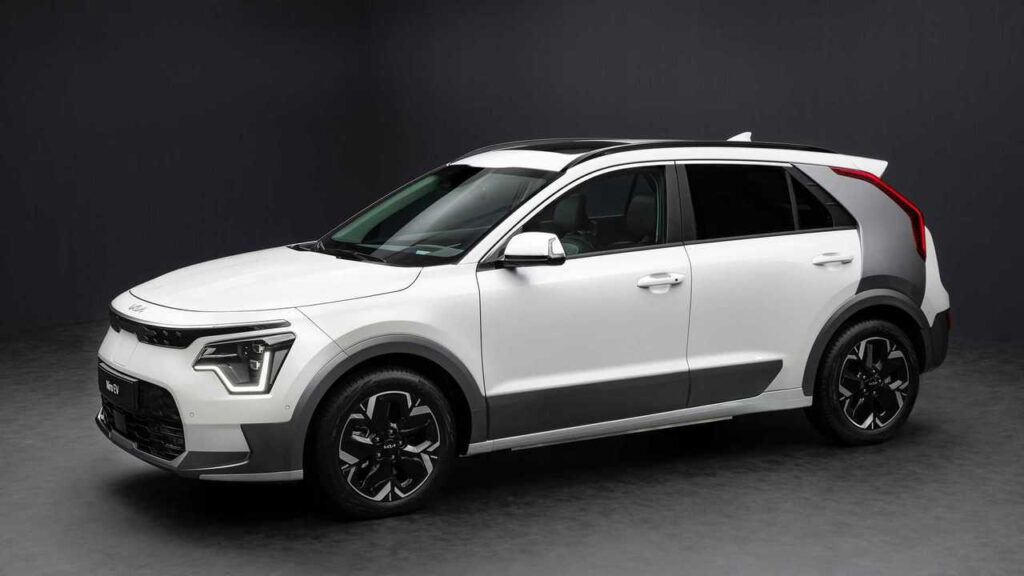
We love the Kia Niro because it feels like the Swiss Army knife of compact crossovers—efficient, practical, and quietly clever. But one question keeps popping up from owners and buyers alike: Can the Kia Niro actually tow anything useful?
Whether we’re hauling bikes for a weekend escape, dragging a small trailer to the tip, or pulling a lightweight caravan toward the coast, towing capacity matters. And with the Niro available as a Hybrid, Plug-in Hybrid, and Electric, the answer isn’t one-size-fits-all.
Let’s break it down, trim by trim, and uncover what the Kia Niro can really handle when a towbar enters the picture.
Content in this publication
- Understanding Towing Capacity in Plain English
- Kia Niro Towing Capacity by Model
- Is the Kia Niro Actually Good for Towing?
- Hybrid vs Plug-in vs Electric: Real-World Differences
- How Towing Affects Range and Efficiency
- Choosing the Right Towbar
- Legal Considerations You Can’t Ignore
- What Can You Tow in Real Life?
- Tips for Safer Towing with a Kia Niro
- Is the Kia Niro a Caravan-Friendly Car?
- Resale Value and Towing Appeal
- Future Outlook: Will New Niros Tow More?
- Final Thoughts
- FAQs
Understanding Towing Capacity in Plain English
Before we throw numbers around, let’s align on what towing capacity actually means.
Braked vs Unbraked Explained
- Braked towing capacity: The maximum weight a trailer can be with its own brakes.
- Unbraked towing capacity: The limit for a trailer without brakes—think tiny garden trailers.
In most markets, especially the UK and EU, these two figures are legally defined and must be respected.
Why Powertrain Matters
Hybrid, Plug-in Hybrid, and Electric Niros are built differently:
- Hybrids balance petrol and electric power
- Plug-in Hybrids carry heavier batteries
- EVs rely purely on electric torque
Each configuration changes cooling, drivetrain stress, and weight distribution—directly impacting towing approval.
Kia Niro Towing Capacity by Model
Below are the commonly quoted figures for modern Kia Niro models in European and UK markets. Always verify with your vehicle’s VIN plate or owner’s manual, as specifications vary by year and region.
| Kia Niro Model | Braked Towing | Unbraked Towing |
|---|---|---|
| Niro Hybrid (HEV) | Up to 1,300 kg | 600–750 kg |
| Niro Plug-in Hybrid (PHEV) | Up to 1,300 kg | 600–750 kg |
| Niro Electric (EV) | 0–750 kg (market dependent) | 0–750 kg |
Some EV variants are not officially rated for towing in certain regions. Others allow a modest 750 kg braked trailer. It’s a regulatory and engineering mix—so double-check before fitting a towbar.
Is the Kia Niro Actually Good for Towing?
Short answer? For light-duty work, yes. For heavy caravans? Not really.
Where the Niro Shines
- Bike racks
- Small utility trailers
- Jet skis
- Lightweight camping pods
- Garden waste runs
Where It Struggles
- Full-size caravans
- Horse trailers
- Large boat trailers
- Commercial loads
Think of the Niro like a capable backpacker—not a heavyweight lifter. It’s agile, efficient, and dependable, but it’s not built to haul a house behind it.
Hybrid vs Plug-in vs Electric: Real-World Differences
Niro Hybrid (HEV)
This is the most balanced towing option.
- Petrol engine supports load
- Electric motor adds low-speed torque
- Cooling systems designed for combined stress
It feels confident with small trailers and maintains respectable fuel economy even when towing.
You may be interested in reading Kia Niro Battery Size: A Complete Guide for Hybrid, PHEV, and EV Owners
Niro Plug-in Hybrid (PHEV)
The PHEV adds battery weight, but Kia still rates it similarly in many markets.
- Excellent torque for pulling away
- Slightly reduced payload due to battery mass
- Best for short, occasional tows
Niro Electric (EV)
This is where things get tricky.
- Some regions approve 750 kg towing
- Others list no towing capacity at all
- Range drops sharply when towing
Electric torque feels fantastic off the line, but sustained load generates heat and drains the battery quickly. That’s why approvals vary.
How Towing Affects Range and Efficiency
Towing is like driving with a parachute behind you.
- Expect 20–40% range loss in hybrids
- Expect 30–50% range loss in EV variants
- Aerodynamics matter as much as weight
A small box trailer can hurt efficiency more than a heavier, streamlined caravan.
Choosing the Right Towbar
Not all towbars are created equal.
Fixed Towbar
- Cheapest
- Always visible
- Ideal for regular towing
Detachable Towbar
- Removable neck
- Cleaner look
- Slightly higher cost
Electrically Retractable Towbar
- Premium option
- Hidden at the push of a button
- Perfect for modern Niro aesthetics
Always ensure:
- It’s type-approved for your Niro variant
- Wiring is coded to the vehicle
- Parking sensors and safety systems are recalibrated
Legal Considerations You Can’t Ignore
Towing laws vary, but common rules include:
- Trailer must not exceed rated capacity
- Nose weight limits must be respected
- Trailer brakes required above certain weights
- Driver licence class may restrict towing
Exceeding limits can invalidate insurance and lead to fines.
What Can You Tow in Real Life?
Let’s translate numbers into reality.
With 1,300 kg braked capacity, you can tow:
- Small pop-top caravan
- Two jet skis on a trailer
- Compact camper pod
- Motorbike trailer
- Garden machinery
With 750 kg capacity, you’re looking at:
- Bike trailer
- Small box trailer
- Lightweight camping trailer
- Jet ski
It’s freedom in miniature—and for many of us, that’s plenty.
You may be interested in readingKia Niro Battery Size: A Complete Guide for Hybrid, PHEV, and EV OwnersYou may be interested in reading
Kia Niro Service Cost: What Ownership Really Feels LikeTips for Safer Towing with a Kia Niro
- Inflate tyres to towing specification
- Reduce speed on motorways
- Increase braking distance
- Use tow mode if available
- Avoid steep gradients with full load
Towing should feel calm, not stressful. If the car feels strained, it probably is.
Is the Kia Niro a Caravan-Friendly Car?
For micro-caravans and lightweight pods—yes.
For traditional family caravans—no.
The Niro isn’t meant to replace a diesel SUV. It’s a modern urban explorer with a light adventuring streak.
Resale Value and Towing Appeal
Cars with towing approval:
- Attract outdoor enthusiasts
- Appeal to tradespeople
- Hold value better in rural markets
A Niro with a factory towbar often sells faster than one without.
Future Outlook: Will New Niros Tow More?
As battery tech improves and cooling systems evolve, we expect:
- Higher EV towing approvals
- Smarter thermal management
- Adaptive drive modes for towing
The Niro is already evolving from “eco car” to “smart utility crossover.”
Final Thoughts
The Kia Niro doesn’t pretend to be a beast. It’s a nimble, efficient companion that happens to tow—just enough to unlock weekend adventures, light work duties, and outdoor hobbies.
It’s not about dragging a castle behind you.
It’s about pulling freedom on a small trailer.
And sometimes, that’s all we really need.
FAQs
1. Can every Kia Niro tow a trailer?
Not every variant. Hybrid and Plug-in Hybrid models usually can. Some Electric models are not approved in certain regions.
2. What is the maximum towing capacity of a Kia Niro?
Up to 1,300 kg braked for Hybrid and Plug-in Hybrid versions in many markets.
3. Does towing void the Kia warranty?
No, as long as you stay within rated limits and use approved equipment.
You may be interested in readingKia Niro Battery Size: A Complete Guide for Hybrid, PHEV, and EV OwnersYou may be interested in reading
Kia Niro Service Cost: What Ownership Really Feels LikeYou may be interested in reading
 Kia Niro Tyre Size: The Complete Guide for Every Generation
4. Can I install a towbar aftermarket?
Yes, but it must be type-approved and correctly coded to the vehicle.
5. How much does towing reduce fuel economy?
Expect a 20–40% drop for hybrids and up to 50% range loss for EV models.
If you want to know other articles similar to Kia Niro Towing Capacity: What This Clever Crossover Can Really Pull you can visit the category Service and Parts.
How to Reset Volvo XC60 Infotainment System: The Complete Practical Guide
Volvo XC60 Gearbox Oil Change: The Complete Expert Guide
Volvo XC60 Engine Management Light: Causes, Fixes, and What It Really Means
Skoda Kamiq Size Comparison: Dimensions, Space & Real-World Practicality
Volvo XC60 Headlight Adjustment for Europe: The Complete Practical Guide
Volvo XC60 City Safety Service Required: What It Means, Causes, and Fixes
Leave a Reply
More content of your interest