

Kia Niro Years to Avoid: A Buyer’s Survival Guide

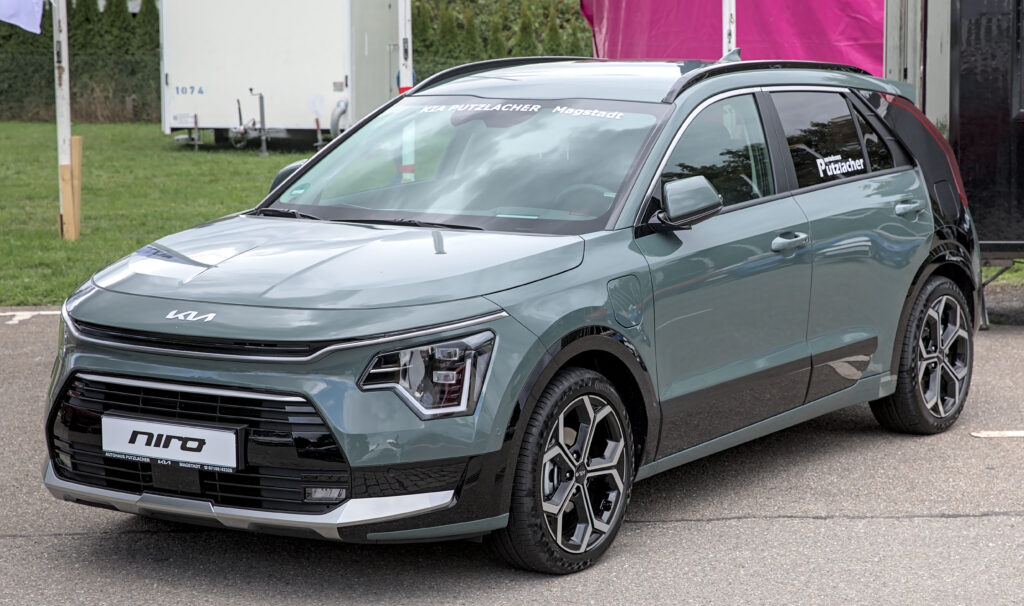
Buying a used Kia Niro can feel like striking gold—hybrid efficiency, modern tech, and that friendly crossover shape that fits almost any lifestyle. But not every model year is created equal. Some versions sparkle. Others… quietly drain your wallet.
We’ve dug into owner feedback, common failure patterns, recalls, and real-world reliability trends to uncover which Kia Niro years to avoid and, just as importantly, why. Think of this as your map through the minefield—so you can step confidently toward a great deal and away from hidden headaches.
Content in this publication
- Why Some Kia Niro Years Deserve Caution
- Kia Niro Years to Avoid (Quick List)
- 2017 Kia Niro – The Growing-Pains Edition
- 2018 Kia Niro – Better, But Still Fragile
- 2019 Kia Niro EV – Early Electric Teething Issues
- 2020 Kia Niro – Tech Overload Trouble
- Why These Years Cost More Over Time
- The Safer Kia Niro Years
- Hybrid vs PHEV vs EV: Risk Profile
- How to Safely Buy a Used Kia Niro
- Ownership Costs: Good vs Risky Years
- Is a “Bad Year” Ever Worth It?
- Closing Thoughts
- FAQs
Why Some Kia Niro Years Deserve Caution
The Kia Niro launched in 2016 as Kia’s first dedicated hybrid crossover. It evolved fast—new drivetrains, updated infotainment, revised batteries, and safety tech layered in year after year.
That rapid evolution brought growing pains:
- Early dual-clutch transmission quirks
- Hybrid system calibration issues
- Infotainment freezes and black screens
- Premature battery degradation in certain builds
- Electrical gremlins tied to first-gen wiring harnesses
These problems didn’t hit every car. But some years show a much higher concentration of complaints and repairs.
Kia Niro Years to Avoid (Quick List)
If you want the short version before we go deep:
- 2017 Kia Niro – First-year hybrid bugs
- 2018 Kia Niro – Transmission and software issues
- 2019 Kia Niro EV (early builds) – Charging and battery complaints
- 2020 Kia Niro Hybrid – Infotainment and sensor failures
These years aren’t “bad cars” in the absolute sense—but they’re statistically more likely to cost you time, money, and patience.
Let’s unpack each one.
2017 Kia Niro – The Growing-Pains Edition
The 2017 Niro was bold. New platform. New hybrid system. New dual-clutch transmission. And like many first-generation vehicles, it stumbled.
Common Issues
- Jerky low-speed acceleration
- Hesitation from a stop
- Transmission shudder
- Hybrid system warning lights
- Software recalls
The dual-clutch transmission (DCT) was especially polarizing. While efficient, it behaves differently from a traditional automatic. In early Niros, it could feel rough—like a nervous driver feathering the clutch.
Owners reported:
- Lurching in traffic
- Delayed response at intersections
- Hard shifts under light throttle
Kia released multiple software updates, but many vehicles on the used market never received them.
Who Should Avoid It?
- City commuters in heavy traffic
- Drivers who prioritize smoothness
- Buyers unwilling to chase software updates
2018 Kia Niro – Better, But Still Fragile
Kia refined the Niro in 2018, but not enough to eliminate its early quirks.
What Improved
- Better hybrid calibration
- Slightly smoother shifting
- Expanded safety features
What Didn’t
- Transmission hesitation remained
- Infotainment glitches appeared
- Random warning lights
Some owners experienced:
You may be interested in reading Kia Niro Quality: What We Really Get in Daily Life
- Frozen screens
- Bluetooth disconnects
- Backup camera failures
It’s like a phone that needs restarting every few days. Not catastrophic—but irritating.
2019 Kia Niro EV – Early Electric Teething Issues
2019 marked the wider rollout of the Niro EV, and early adopters paid the price.
Reported Problems
- Inconsistent fast-charging
- DC charging errors
- Battery range drops
- Cooling system alerts
Some owners found:
- Charging sessions randomly stopping
- Dash warnings with no clear cause
- Reduced charging speed over time
These issues were largely addressed in later software updates and later model years—but early builds remain risky on the used market.
2020 Kia Niro – Tech Overload Trouble
The 2020 refresh brought modern flair: bigger screens, more sensors, more driver assistance.
But complexity breeds fragility.
Common Complaints
- Infotainment crashes
- Blind-spot monitoring errors
- Lane-keep assist failures
- Parking sensor malfunctions
These aren’t mechanical failures—but they affect daily driving confidence.
Imagine your car suddenly telling you a ghost is in your blind spot. Every. Single. Day.
Why These Years Cost More Over Time
Older Niros are still efficient. Still practical. Still charming.
But problem years tend to mean:
- More dealer visits
- Higher diagnostic costs
- Frustrating “intermittent” faults
- Out-of-warranty electronics repairs
Hybrid and EV components are reliable overall—but when they fail, they’re not cheap.
The Safer Kia Niro Years
If we were buying today, we’d lean toward:
- 2021 Kia Niro – Mature hybrid tuning
- 2022 Kia Niro – Final refined first-gen year
- 2023+ Kia Niro – Full redesign with improved systems
These years benefit from:
- Refined transmissions
- Stable software
- Better battery management
- Fewer recalls
They’re the calm seas after the storm.
You may be interested in readingKia Niro Quality: What We Really Get in Daily LifeYou may be interested in reading
 Which Kia Niro Is Best? The Ultimate Buyer’s Guide
Hybrid vs PHEV vs EV: Risk Profile
Hybrid Models
- Most reliable overall
- Lower repair costs
- Best resale stability
Plug-In Hybrid (PHEV)
- Great efficiency
- More complexity
- Watch for charging port issues
Electric (EV)
- Lowest running costs
- Highest repair risk if battery or inverter fails
- Early years deserve extra caution
How to Safely Buy a Used Kia Niro
Checklist Before You Buy
- Verify recall completion
- Ask for software update history
- Test-drive in stop-and-go traffic
- Scan for hybrid system codes
- Inspect charging performance (EV/PHEV)
Red Flags
- Hesitation from a stop
- Flickering screens
- Warning lights that “come and go”
- Seller avoiding diagnostic scans
A healthy Niro should feel smooth, quiet, and predictable—like a calm river. If it feels jumpy, it’s a warning ripple.
Ownership Costs: Good vs Risky Years
| Model Year | Avg Repair Risk | Tech Stability | Long-Term Value |
|---|---|---|---|
| 2017 | High | Low | Fair |
| 2018 | Medium-High | Low | Fair |
| 2019 EV | Medium-High | Medium | Variable |
| 2020 | Medium | Medium | Good |
| 2021+ | Low | High | Excellent |
Is a “Bad Year” Ever Worth It?
Sometimes, yes.
If:
- The price is deeply discounted
- Service history is spotless
- Software is fully updated
- Warranty remains active
Then even a 2017 or 2018 Niro can be a bargain.
But without those safeguards? It’s like buying a used parachute.
Closing Thoughts
The Kia Niro is a brilliant idea executed over time. Early years carried the weight of experimentation. Later years carry wisdom.
By avoiding the most problematic model years—or at least approaching them with caution—you tilt the odds in your favor.
A great Niro feels like a whisper on the road. A troubled one feels like a conversation you never wanted to have.
Choose wisely.
FAQs
Which Kia Niro year is the worst?
The 2017 model has the highest concentration of complaints, especially regarding the transmission and hybrid calibration.
Are Kia Niro hybrids reliable?
Yes, especially 2021 and newer. Early years had software and driveline quirks, but the platform matured well.
Is the Kia Niro EV risky?
Early 2019 models reported charging and battery management issues. Later years are significantly more stable.
Should I avoid all pre-2020 Niros?
Not necessarily. Well-maintained examples with updated software can still be excellent value.
What’s the safest used Kia Niro year?
2021 and 2022 offer the best balance of price, reliability, and features.
You may be interested in readingKia Niro Quality: What We Really Get in Daily LifeYou may be interested in reading
Which Kia Niro Is Best? The Ultimate Buyer’s GuideYou may be interested in reading
 Is Kia Niro Hybrid a Good Car? The Honest, Everyday Verdict
If you want to know other articles similar to Kia Niro Years to Avoid: A Buyer’s Survival Guide you can visit the category Blog.
Volvo XC60 Quality: A Deep Dive Into Premium Craftsmanship and Everyday Excellence
Volvo XC60 Reliability by Year: The Complete Owner’s Guide
Which Ford Kuga Engine Is Best? The Ultimate Buyer’s Guide
Pros and Cons Mazda CX-30: The Real-World Ownership Breakdown
Peugeot 308 Years to Avoid: The Ultimate Buyer’s Guide
Dacia Duster Reliability: The Real Story Behind This Budget SUV
Leave a Reply
More content of your interest