

Land Rover Discovery Sport Engine Warning Light UK: Causes, Meaning, and What To Do

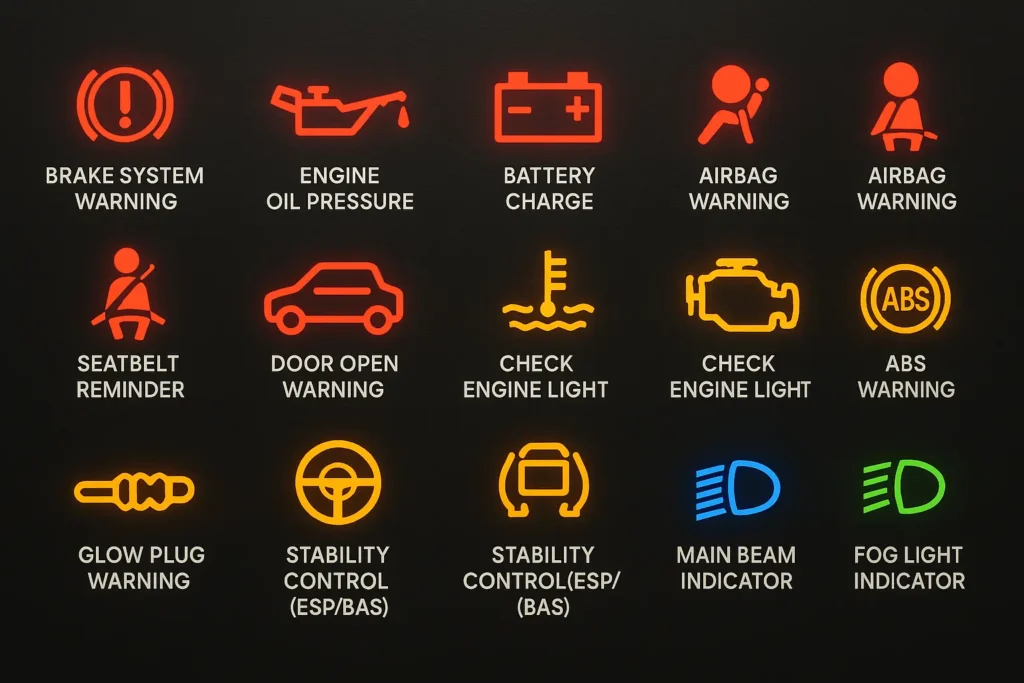
Few dashboard lights spark as much anxiety as the engine warning light. One moment you’re cruising peacefully down a motorway, the next a glowing amber icon appears on the dashboard of your Land Rover Discovery Sport. Suddenly questions start racing through your mind. Is the engine about to fail? Is it safe to keep driving? Or is it just a minor sensor glitch?
The engine warning light (often called the check engine light) is essentially your vehicle’s way of tapping you on the shoulder and saying, “Something needs attention.”
But here’s the truth: not every warning light signals catastrophe.
In this guide, we’ll unpack everything UK drivers need to know about the Land Rover Discovery Sport engine warning light—what triggers it, how serious it might be, and what steps you should take next.
So take a breath. Let’s decode that mysterious dashboard glow together.
Content in this publication
- What Is the Engine Warning Light?
- Why the Engine Warning Light Appears
- Types of Engine Warning Lights
- Common Causes in the Land Rover Discovery Sport
- Engine Warning Light and UK MOT Tests
- What To Do When the Warning Light Comes On
- How Diagnostics Work
- Typical Repair Costs in the UK
- Can You Reset the Engine Warning Light?
- Preventing Engine Warning Lights
- Discovery Sport Engine Reliability Considerations
- When To Stop Driving Immediately
- Should You Visit a Dealer or Independent Garage?
- The Emotional Side of Dashboard Lights
- Conclusion
- FAQs
What Is the Engine Warning Light?
The engine warning light is part of your car’s onboard diagnostics system, commonly known as OBD.
Modern vehicles like the Discovery Sport are packed with sensors that constantly monitor performance, emissions, fuel mixture, and engine efficiency. When something moves outside the normal range, the system stores a fault code and activates the warning light.
What the Symbol Looks Like
The light typically appears as:
- An outline of an engine
- Amber or yellow in colour
- Sometimes accompanied by the message “Engine System Fault”
In UK vehicles, the warning light is primarily associated with emissions and engine management issues.
Why the Engine Warning Light Appears
There are dozens of possible triggers, but most fall into a few common categories.
Typical Causes
- Faulty oxygen sensor
- Loose or damaged fuel cap
- Ignition coil problems
- Spark plug failure
- Mass airflow sensor malfunction
- Catalytic converter issues
- Diesel particulate filter (DPF) blockage
- Software or sensor glitches
Think of the warning light like a smoke alarm. Sometimes it’s burnt toast. Sometimes it’s a real fire.
The challenge is figuring out which.
Types of Engine Warning Lights
Not all warning lights behave the same way.
Solid Engine Warning Light
A steady amber light usually means a non-urgent issue.
The vehicle will often continue to drive normally, though fuel economy or emissions may be affected.
Examples include:
- Emissions faults
- Sensor errors
- Minor fuel system problems
You should still have the car checked soon, but you don’t necessarily need to stop immediately.
Flashing Engine Warning Light
A flashing light is far more serious.
This typically indicates:
- Engine misfire
- Catalytic converter damage risk
- Severe combustion problem
Driving with a flashing light is like ignoring a boiling kettle—eventually something spills over.
In this case, you should:
- Reduce speed immediately
- Avoid hard acceleration
- Arrange diagnostic checks as soon as possible
Common Causes in the Land Rover Discovery Sport
The Discovery Sport has a few well-known issues that can trigger the engine light.
Diesel Particulate Filter (DPF) Problems
Diesel models frequently experience DPF warnings, especially if the vehicle is driven mostly on short trips.
Why It Happens
The DPF traps soot from exhaust gases. To clean itself, the vehicle needs sustained higher-speed driving.
Short urban journeys can prevent regeneration.
Typical Signs
- Engine warning light
- Reduced power
- DPF warning message
- Increased fuel consumption
EGR Valve Faults
The Exhaust Gas Recirculation (EGR) valve recirculates exhaust gases to reduce emissions.
When it becomes clogged with carbon deposits, the engine management system may trigger the warning light.
Symptoms include:
- Rough idle
- Hesitation when accelerating
- Increased smoke from exhaust
Mass Airflow Sensor Failure
The MAF sensor measures how much air enters the engine.
You may be interested in reading Land Rover Discovery Sport Windscreen Replacement Cost: What Owners Should Expect
When it fails:
- Fuel mixture becomes incorrect
- Engine performance drops
- The engine light appears
Luckily, replacing a MAF sensor is usually relatively affordable compared with larger repairs.
Turbocharger Problems
Turbocharged engines deliver impressive power—but they rely on precise pressure and airflow control.
Issues like:
- Boost leaks
- Wastegate failure
- Turbo actuator problems
can all activate the warning light.
Engine Warning Light and UK MOT Tests
In the UK, dashboard lights aren’t just an annoyance—they can actually fail your MOT test.
When It Causes an MOT Failure
An illuminated engine management light will fail the MOT if:
- The light indicates an emissions fault
- The warning light remains on during the inspection
Because of this, ignoring the warning light can quickly become both a legal and mechanical problem.
What To Do When the Warning Light Comes On
When that little amber engine appears, your response matters.
Let’s walk through the best steps.
Step 1: Stay Calm
Not every engine warning light means disaster.
If the car drives normally, the issue may simply be a sensor fault.
Step 2: Check for Obvious Issues
Before assuming the worst, check simple things like:
- Fuel cap tightened properly
- Visible leaks under the car
- Strange smells or smoke
Sometimes the cause is surprisingly simple.
Step 3: Reduce Driving Stress
Until you know the cause, avoid:
- Hard acceleration
- High engine loads
- Long motorway journeys
Think of it as letting the engine rest while waiting for a diagnosis.
Step 4: Run a Diagnostic Scan
Modern vehicles store fault codes.
Using an OBD diagnostic scanner, a technician can identify the problem in minutes.
Typical codes might include:
- P0171 – Lean fuel mixture
- P0401 – EGR flow issue
- P2002 – DPF efficiency problem
How Diagnostics Work
Let’s pull back the curtain on what actually happens during a diagnostic scan.
Reading Fault Codes
Technicians connect a scanner to the OBD port, usually located beneath the dashboard.
The scanner retrieves stored codes from the engine control module.
Interpreting the Data
Codes alone don’t always reveal the full story.
Technicians also examine:
- Sensor readings
- Fuel trims
- Airflow data
- Boost pressure
It’s a bit like solving a puzzle with mechanical clues.
Typical Repair Costs in the UK
Repair costs vary widely depending on the cause.
Estimated Costs
| Problem | Typical UK Cost |
|---|---|
| Loose fuel cap | £0 |
| Oxygen sensor | £150–£300 |
| MAF sensor replacement | £200–£350 |
| EGR valve replacement | £400–£800 |
| DPF cleaning | £250–£500 |
| Catalytic converter | £900–£2000 |
The key point? Early diagnosis often saves money.
Ignoring the warning light can turn a £200 fix into a £2000 repair.
Can You Reset the Engine Warning Light?
Technically yes—but you shouldn’t do it blindly.
You may be interested in readingLand Rover Discovery Sport Windscreen Replacement Cost: What Owners Should ExpectYou may be interested in reading
Land Rover Discovery Sport Glow Plug Replacement: Complete Guide for Diesel OwnersWays the Light Is Reset
- OBD diagnostic tool
- Battery disconnect (not recommended)
- Automatic reset after repair
However, if the underlying issue remains, the light will simply return.
It’s like silencing a smoke alarm while the kitchen is still burning.
Preventing Engine Warning Lights
While some faults are unavoidable, good maintenance drastically reduces the risk.
Smart Maintenance Habits
- Follow recommended service intervals
- Use quality engine oil
- Drive regularly at motorway speeds (helps DPF regeneration)
- Replace air filters on schedule
- Avoid cheap fuel with high contamination levels
These small habits keep the engine management system happy.
Discovery Sport Engine Reliability Considerations
The Discovery Sport has a lot going for it: comfort, off-road ability, and refined driving dynamics.
However, like many modern SUVs, it relies heavily on complex emissions systems.
These include:
- DPF systems
- EGR valves
- Turbochargers
- Advanced sensors
More technology means better efficiency—but also more potential warning lights.
Understanding the system helps reduce stress when one appears.
When To Stop Driving Immediately
While many warning lights allow continued driving, some situations demand immediate action.
Stop the vehicle if you notice:
- Flashing engine light
- Severe loss of power
- Heavy smoke from exhaust
- Loud knocking noises
- Strong burning smells
These symptoms can signal serious engine damage.
Should You Visit a Dealer or Independent Garage?
UK drivers typically have two options.
Land Rover Specialist
Advantages:
- Manufacturer diagnostic equipment
- Model-specific knowledge
- Software updates available
Downside: higher labour costs.
Independent Garage
Advantages:
- Lower repair costs
- Faster availability
- Often highly experienced
Many independent garages now have advanced diagnostics capable of reading Land Rover systems.
The Emotional Side of Dashboard Lights
Let’s be honest.
Seeing a warning light can feel like hearing a sudden cough from your car’s engine. It interrupts the rhythm of driving and injects a bit of uncertainty.
But the engine warning light isn’t your enemy—it’s your car’s way of asking for attention before things get worse.
Treat it like an early warning system rather than a catastrophe.
Conclusion
The Land Rover Discovery Sport engine warning light can appear for many reasons—from minor sensor glitches to serious engine issues. While the glowing amber icon might seem alarming, it’s actually part of a sophisticated diagnostic system designed to protect your vehicle.
The key is responding intelligently:
- Don’t panic
- Check simple issues first
- Run a diagnostic scan
- Fix the root problem early
Think of the warning light as a helpful messenger. Ignore it, and problems can escalate. Listen to it, and your Discovery Sport can continue delivering the refined driving experience it was built for.
FAQs
1. Can I drive with the engine warning light on in my Discovery Sport?
Yes, if the light is solid and the car drives normally. However, you should schedule a diagnostic check soon to avoid worsening the issue.
2. What does a flashing engine warning light mean?
A flashing light typically indicates an engine misfire or severe problem that could damage the catalytic converter. Driving should be minimized immediately.
3. How much does it cost to diagnose an engine warning light in the UK?
Diagnostic scans usually cost between £40 and £120, depending on the garage and the complexity of the issue.
4. Will the engine warning light fail an MOT in the UK?
Yes. If the engine management light is illuminated due to an emissions fault, the vehicle will likely fail its MOT inspection.
5. Can low fuel trigger the engine warning light?
Indirectly yes. Low fuel can cause fuel system irregularities or trigger emissions-related codes in some cases.
You may be interested in readingLand Rover Discovery Sport Windscreen Replacement Cost: What Owners Should ExpectYou may be interested in reading
Land Rover Discovery Sport Glow Plug Replacement: Complete Guide for Diesel OwnersYou may be interested in reading
 Land Rover Discovery Sport Gearbox Reset: Complete Guide to Fix Transmission Issues
If you want to know other articles similar to Land Rover Discovery Sport Engine Warning Light UK: Causes, Meaning, and What To Do you can visit the category Service and Parts.
Volvo XC60 Headlight Adjustment for Europe: The Complete Practical Guide
Volvo XC60 City Safety Service Required: What It Means, Causes, and Fixes
Volvo XC60 Battery Replacement: The Complete Owner’s Guide
Volvo XC60 Engine System Service Required: Causes, Fixes, and What It Really Means
Volvo XC60 Engine Specs: The Complete Guide to Power, Performance, and Efficiency
Volvo XC60 Oil Capacity: Complete Guide for Every Engine and Year
Leave a Reply
More content of your interest