

Mazda CX-30 Parking Sensors Not Working — Complete Troubleshooting Guide

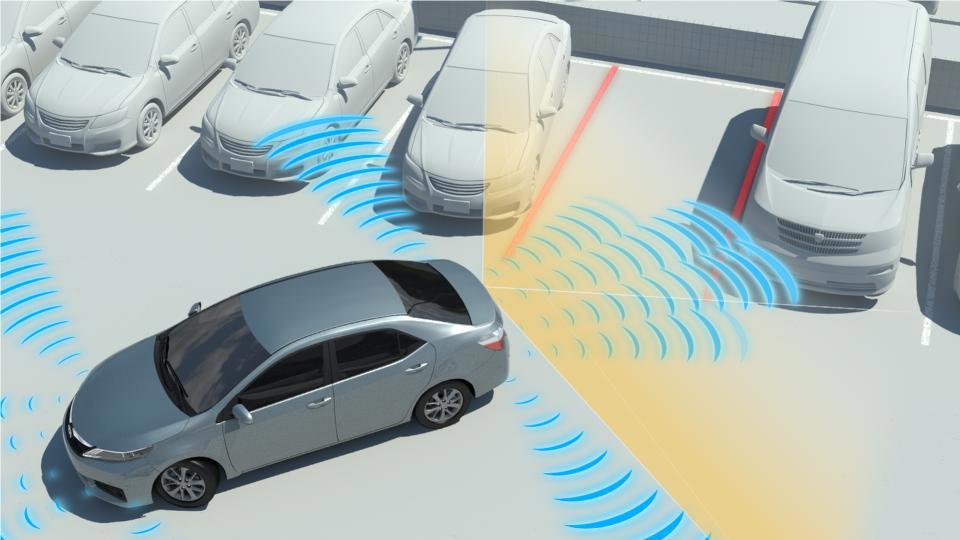
We’ve all had that moment: reversing gently into a tight space, waiting for the reassuring beep-beep-beep… and nothing happens.
Silence.
Your Mazda CX-30 suddenly feels twice as big.
Parking sensors are one of those features we barely notice — until they disappear. Then they become as essential as mirrors or brakes. The good news? In most cases, the problem isn’t catastrophic. It’s usually dirt, weather, wiring, or software — not a dead system.
Let’s walk through this together, methodically, like a mechanic who also drinks coffee with you while explaining what’s going on.
Content in this publication
- Understanding How CX-30 Parking Sensors Actually Work
- Common Symptoms When Sensors Fail
- Quick 30-Second Check (Do This First)
- The #1 Cause — Dirty Sensors
- Rain, Cold Weather & False Warnings
- The Hidden Fuse That Stops Everything
- Reverse Signal Failure
- One Dead Sensor Disables the Whole System
- Water Intrusion — The Silent Killer
- Wiring Harness Damage
- Tow Bar Interference
- Sensor Alignment Problems
- Software Glitches & Reset Procedure
- Dashboard Warning Messages Explained
- OBD Fault Codes You Might See
- When You Actually Need to Replace a Sensor
- How to Remove the Rear Bumper Safely
- Front Sensors Fail Differently
- Calibration After Accident or Replacement
- Preventing Future Failures
- What Owners Usually Replace Unnecessarily
- Professional Repair Cost Estimate
- Final Thoughts
- FAQs
Understanding How CX-30 Parking Sensors Actually Work
Before fixing them, we need to understand what they’re trying to do.
Ultrasonic sonar — basically automotive echolocation
Your car sends sound waves (inaudible to humans) outward.
They bounce off obstacles and return to the sensor.
The car calculates:
- distance
- speed of approach
- angle of object
If it detects danger → it beeps → then screams at you.
Components involved
Parking sensors are not just little circles in the bumper. The system includes:
- Ultrasonic sensors (front & rear)
- Parking assist module
- Wiring harness
- Buzzer / speaker
- Infotainment screen
- Reverse gear signal
- ABS/vehicle speed input
So when they stop working, the issue could be anywhere in that chain.
Common Symptoms When Sensors Fail
1. No sound at all
You reverse and nothing happens.
Usually:
- sensors disabled
- module fault
- fuse issue
- wiring power loss
2. Continuous long beep
The car thinks you’re about to hit something permanently.
Usually:
- one sensor dead
- water intrusion
- misalignment
3. Random beeping with empty space
Your Mazda is scared of ghosts.
Usually:
- dirt buildup
- rain droplets
- tow bar interference
4. Sensors work sometimes
Intermittent problems = electrical or moisture related.
Quick 30-Second Check (Do This First)
Before grabbing tools:
- Start the engine
- Put car in reverse
- Walk behind bumper
- Put your ear close to each sensor
You should hear a faint ticking sound.
No ticking = dead sensor.
This is the fastest diagnosis on earth.
The #1 Cause — Dirty Sensors
Yes. Seriously.
Why it happens
Ultrasonic sensors are extremely sensitive. A thin film of grime blocks sound waves.
Typical offenders:
- road salt
- wax residue
- mud splatter
- bug remains
- dried rain minerals
Proper cleaning method
Never scrape them.
Use:
- microfiber cloth
- warm water
- gentle soap
Avoid:
- pressure washer close range
- polish compound
- tire shine overspray
After cleaning → test again.
You may be interested in reading Mazda CX-30 Battery Issues: Causes, Symptoms, Fixes & Long-Term Prevention
70% of failures end right here.
Rain, Cold Weather & False Warnings
Modern sensors hate extreme conditions.
Heavy rain
Water droplets reflect ultrasound → phantom objects detected.
Freezing temperatures
Ice layer turns sensor into a wall.
Snow buildup
Acts like permanent obstacle.
Tip: If the warning disappears after driving for 5 minutes, it was environmental.
Many owners panic and replace sensors unnecessarily.
Parking sensors rely on a small fuse inside the cabin fuse box.
Symptoms of blown fuse
- no reverse camera guidelines
- no beep
- parking menu greyed out
Fix
Check owner manual fuse diagram → replace with identical amp rating only.
Never upsize fuse.
Reverse Signal Failure
Sensors only activate when the car knows you’re reversing.
If the reverse switch fails:
The car never tells the module to wake up.
Clues
- reverse lights not turning on
- camera doesn’t activate
- sensors silent
This is gearbox related, not sensor related.
One Dead Sensor Disables the Whole System
Think of sensors like Christmas lights — one bulb fails, the chain breaks.
How to identify the bad one
Use the ticking test again.
No tick = faulty.
Most commonly:
- outer rear sensors fail first
- water spray exposure
Water Intrusion — The Silent Killer
Mazda sensors are sealed, but after years:
Moisture sneaks in.
Signs
- constant tone
- error message
- works when dry, fails when wet
Why CX-30 is prone
The rear bumper collects water behind the inner liner.
Condensation accumulates overnight.
Wiring Harness Damage
Often overlooked after minor bumps.
Typical causes
- parking tap
- trailer installation
- bumper removal
- rodent chewing
Symptoms
- intermittent operation
- works when temperature changes
- works after hitting bumper lightly
Tow Bar Interference
If you installed a hitch — even aftermarket — sensors may think the tow ball is an obstacle.
Fix options
- software coding
- tow module installation
- sensor relocation bracket
Without coding, the car permanently sees the hitch.
Sensor Alignment Problems
After bumper repaint or repair:
Sensors may be slightly rotated.
Ultrasonic sensors have a cone detection zone — not a sphere.
Even a few degrees off → false readings.
You may be interested in readingMazda CX-30 Battery Issues: Causes, Symptoms, Fixes & Long-Term PreventionYou may be interested in reading
Mazda CX-30 Low Engine Oil Level — Complete Owner’s GuideSoftware Glitches & Reset Procedure
Modern Mazdas occasionally need a reboot (yes, like a phone).
Soft reset
- Turn ignition off
- Open driver door
- Wait 5 minutes
- Restart car
Hard reset
Disconnect battery:
- negative terminal
- wait 15 minutes
- reconnect
This resets the parking module.
Dashboard Warning Messages Explained
| Message | Meaning |
|---|---|
| Parking Sensor System Malfunction | module detected invalid reading |
| Sensors Disabled | manually turned off |
| Clean Sensors | obstruction detected |
| Not Available | speed too high or fault |
OBD Fault Codes You Might See
Common diagnostic codes:
- B1B36 — rear sensor failure
- B1B39 — front sensor failure
- U3000 — module internal error
- B1B44 — communication fault
These help pinpoint which sensor is bad.
When You Actually Need to Replace a Sensor
Replace only if:
- no ticking
- correct wiring voltage present
- cleaning didn’t fix
- error returns immediately
Good news
Sensors are plug-and-play.
No programming required in most cases.
How to Remove the Rear Bumper Safely
If replacement is needed:
- Remove trunk clips
- Remove wheel arch screws
- Pull bumper corners outward
- Disconnect harness
Take your time — clips break easily in cold weather.
Front Sensors Fail Differently
Front sensors rely on speed input.
They disable above low speed.
If they never activate:
- ABS speed signal issue
- front radar interference
- calibration lost
Calibration After Accident or Replacement
Some CX-30 systems require recalibration if:
- multiple sensors replaced
- ADAS module replaced
- front radar disturbed
Usually done via scan tool.
Preventing Future Failures
A little care saves money.
Best habits
- rinse bumper weekly in winter
- avoid wax on sensors
- don’t pressure wash directly
- dry after washing
- check after minor bumps
What Owners Usually Replace Unnecessarily
Most commonly misdiagnosed parts:
- entire module
- camera
- infotainment
- speaker
But 80% of cases = one faulty sensor.
Professional Repair Cost Estimate
| Repair | Typical Cost |
|---|---|
| Cleaning | free |
| Fuse | very cheap |
| Single sensor | moderate |
| Wiring repair | variable |
| Module replacement | expensive |
Always diagnose first.
Final Thoughts
Parking sensors are like quiet guardians — invisible until they abandon you.
In the Mazda CX-30, they’re rarely “broken”.
They’re misunderstood.
Most failures come from:
- contamination
- moisture
- one weak component disrupting the network
Follow a logical order — don’t shotgun parts — and the system usually returns to life faster than you expect.
Fixing them is less about replacing and more about listening — literally — for that faint ticking sound.
FAQs
1. Why do my CX-30 sensors beep constantly in rain?
Water droplets reflect ultrasonic waves, making the car think objects are present.
2. Can I drive safely with sensors not working?
Yes — they’re assistance features, not safety-critical — but parking becomes harder.
3. Do I need coding after replacing a sensor?
Usually no. Individual sensors are plug-and-play.
4. Why do sensors fail after a car wash?
Water enters a weak seal or blocks the sound waves temporarily.
5. Can a weak battery cause sensor malfunction?
Yes — low voltage can disable the parking assist module intermittently.
You may be interested in readingMazda CX-30 Battery Issues: Causes, Symptoms, Fixes & Long-Term PreventionYou may be interested in reading
Mazda CX-30 Low Engine Oil Level — Complete Owner’s GuideYou may be interested in reading
 Suzuki Vitara Problems: The Honest Owner’s Guide to What Goes Wrong (and What Doesn’t)
If you want to know other articles similar to Mazda CX-30 Parking Sensors Not Working — Complete Troubleshooting Guide you can visit the category Common Problems.
Volvo XC60 360 Camera Not Working: Complete Troubleshooting & Fix Guide
Volvo XC60 Key Fob Not Working: Causes, Fixes, and Expert Solutions
Volvo XC60 Low Battery Warning: Causes, Fixes, and Prevention Guide
Volvo XC60 No Sound: Causes, Fixes, and Complete Troubleshooting Guide
Volvo XC60 Common Problems: What Owners Really Experience
Volvo XC60 Issues: The Truth Behind This Popular SUV
Leave a Reply
More content of your interest